Maitland Roadshow: manufacturing, skills and spinouts
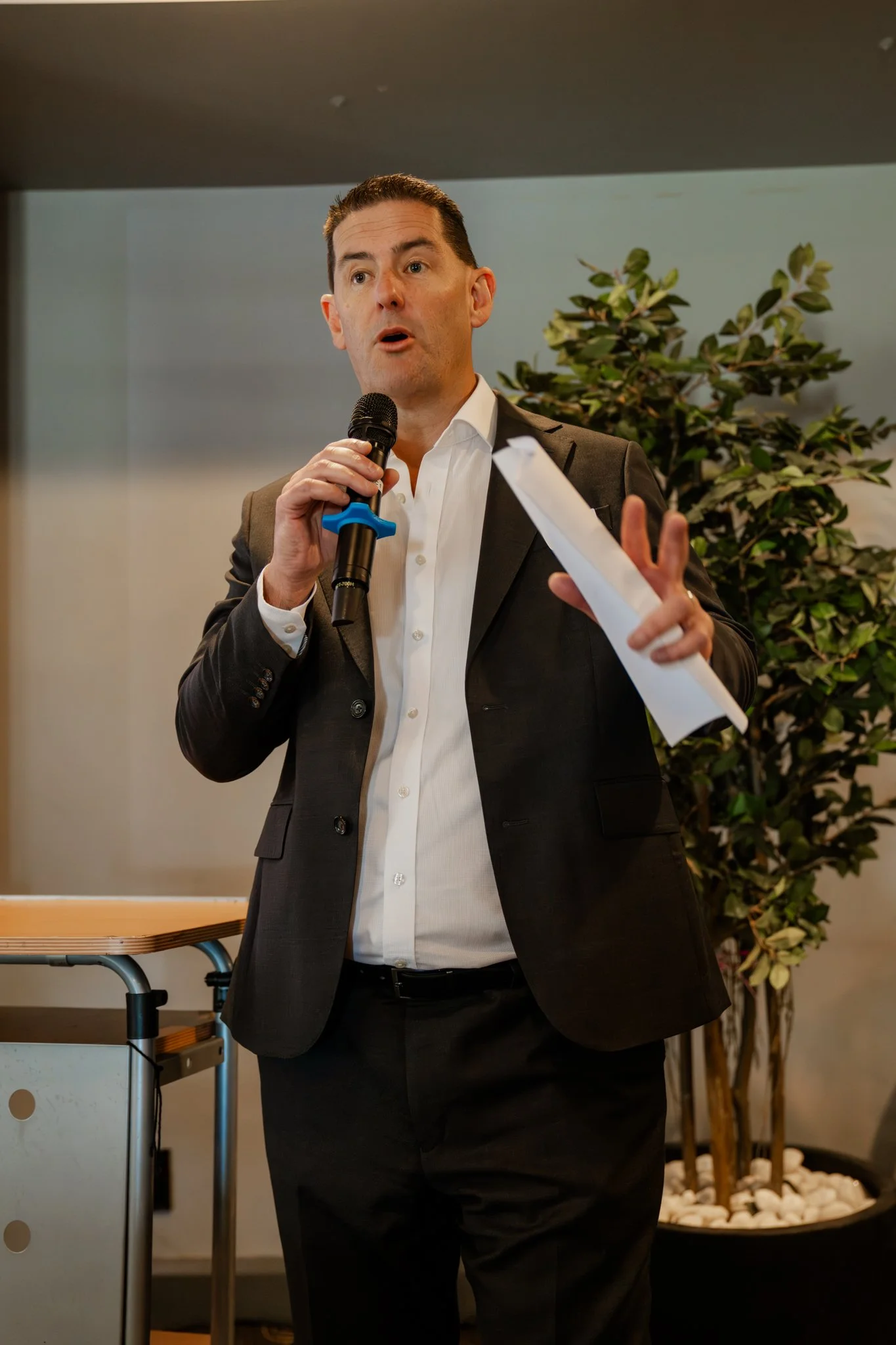
Jeff Smith
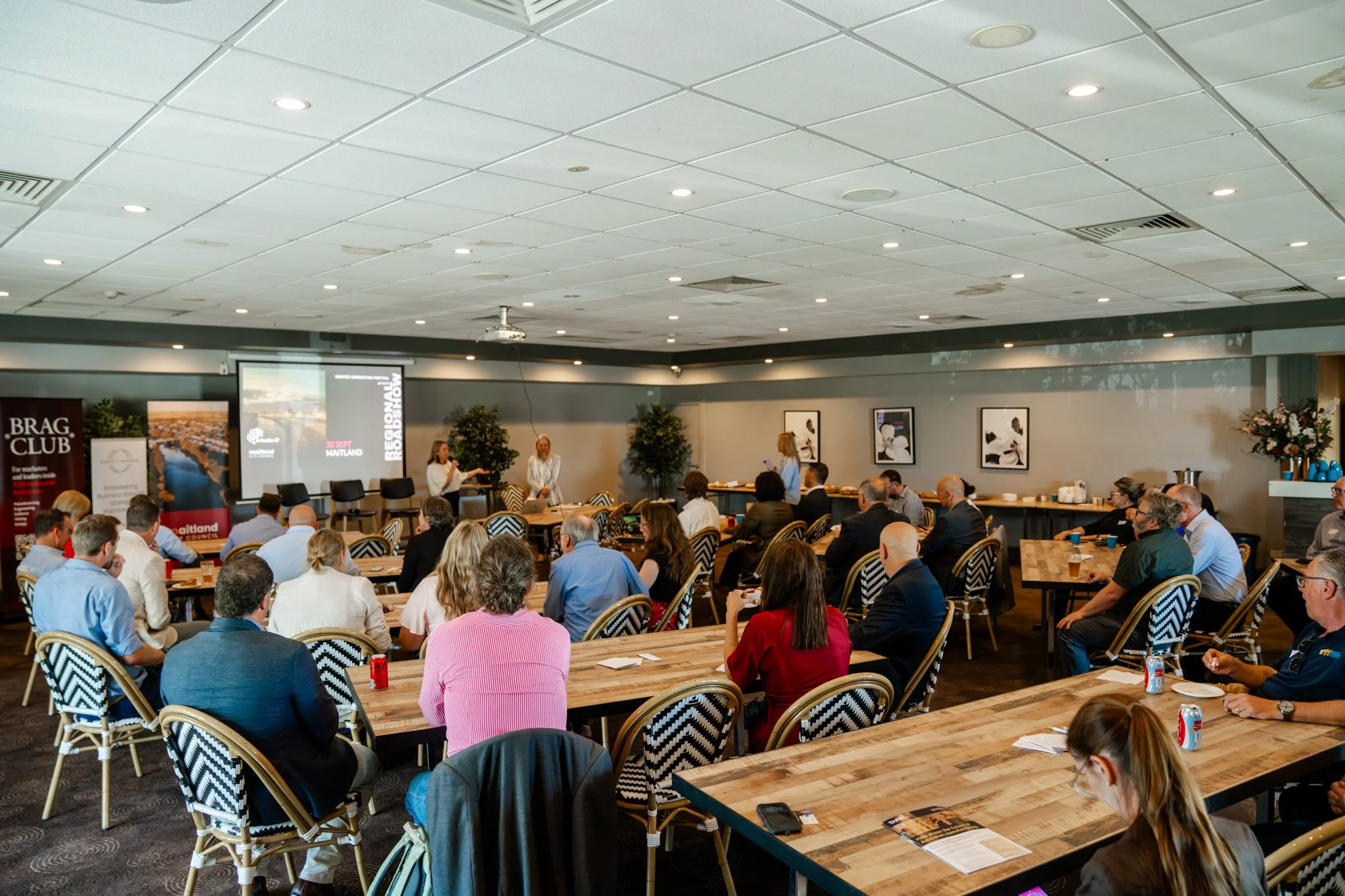
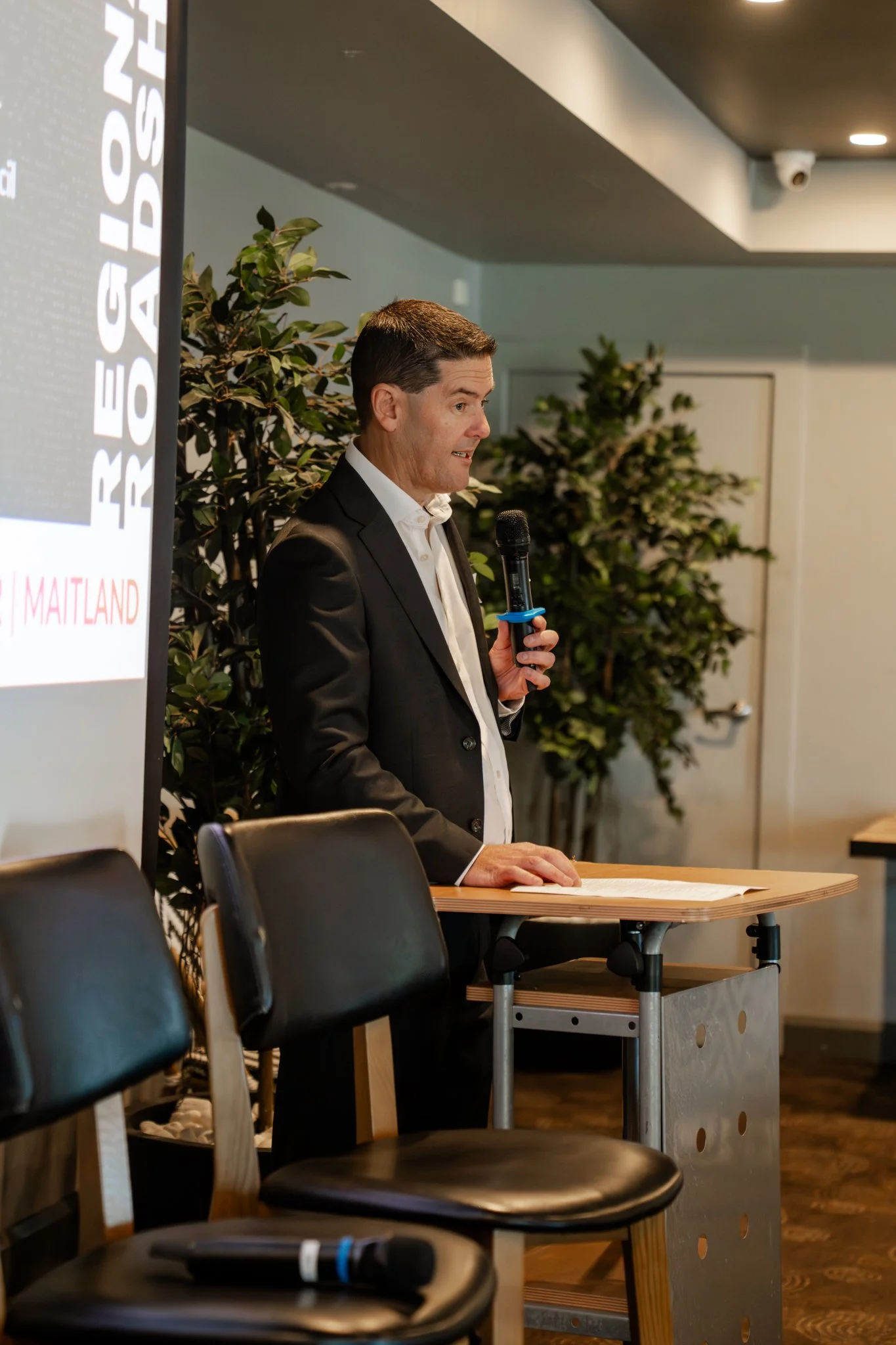
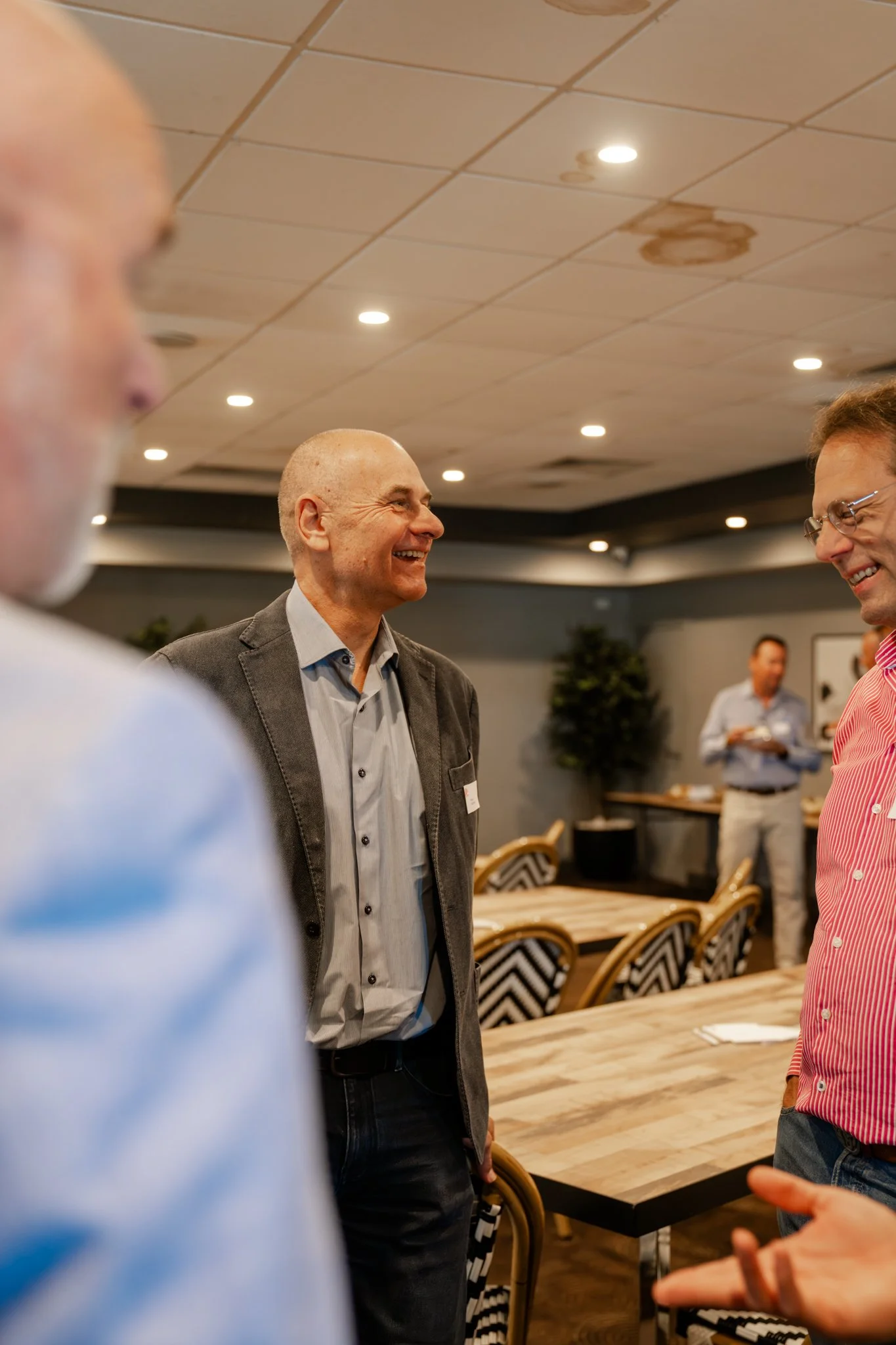
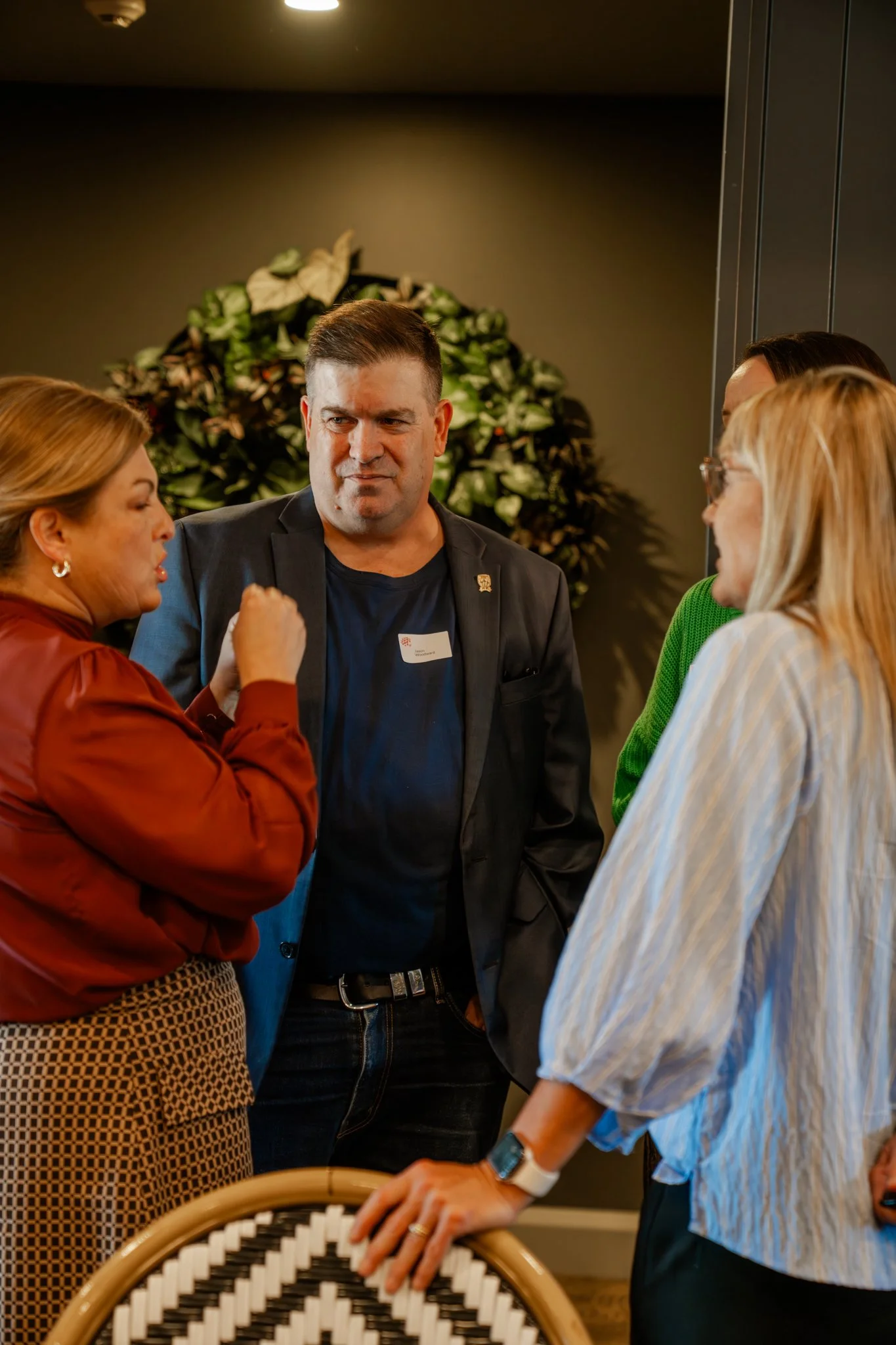
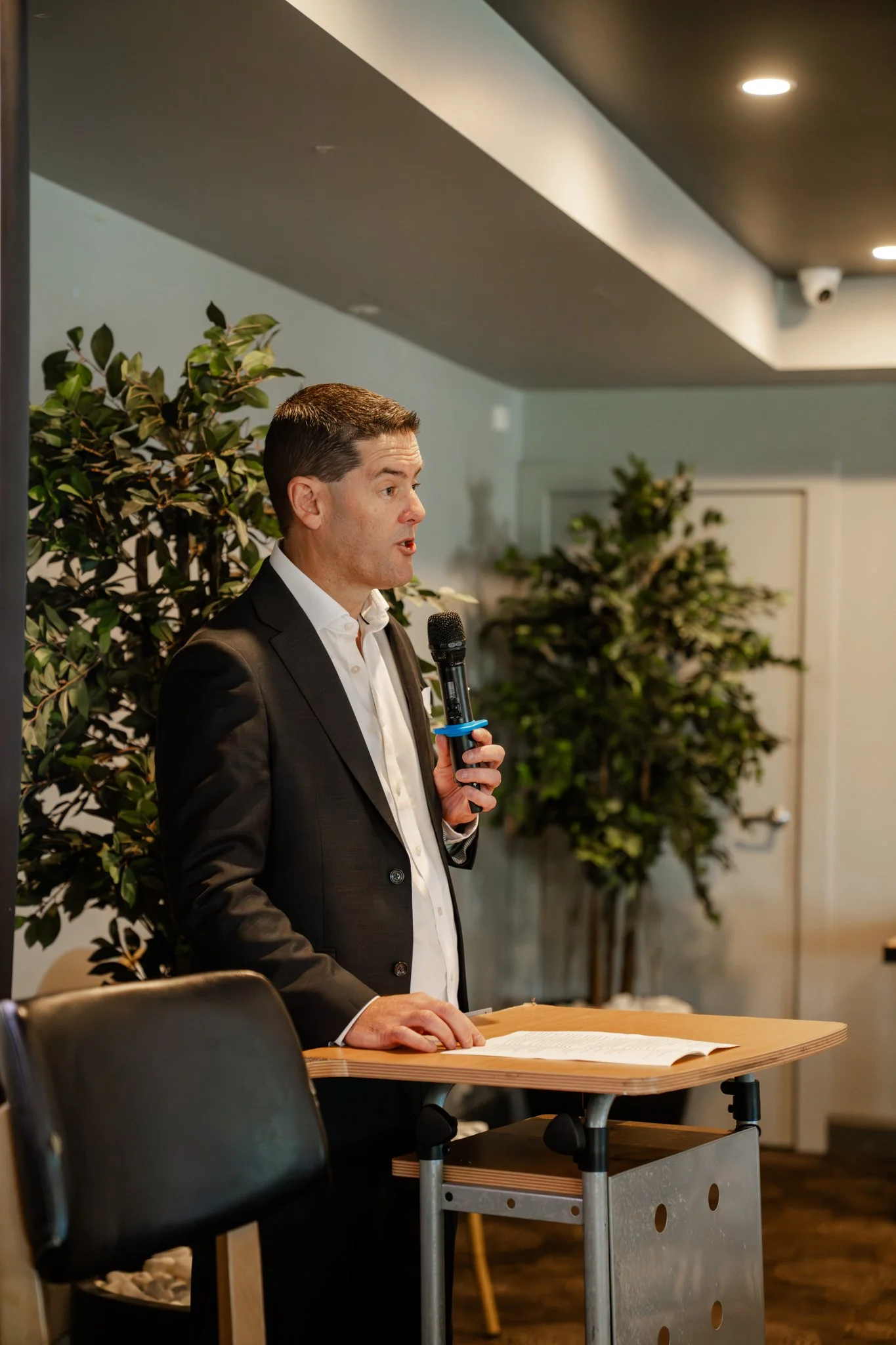
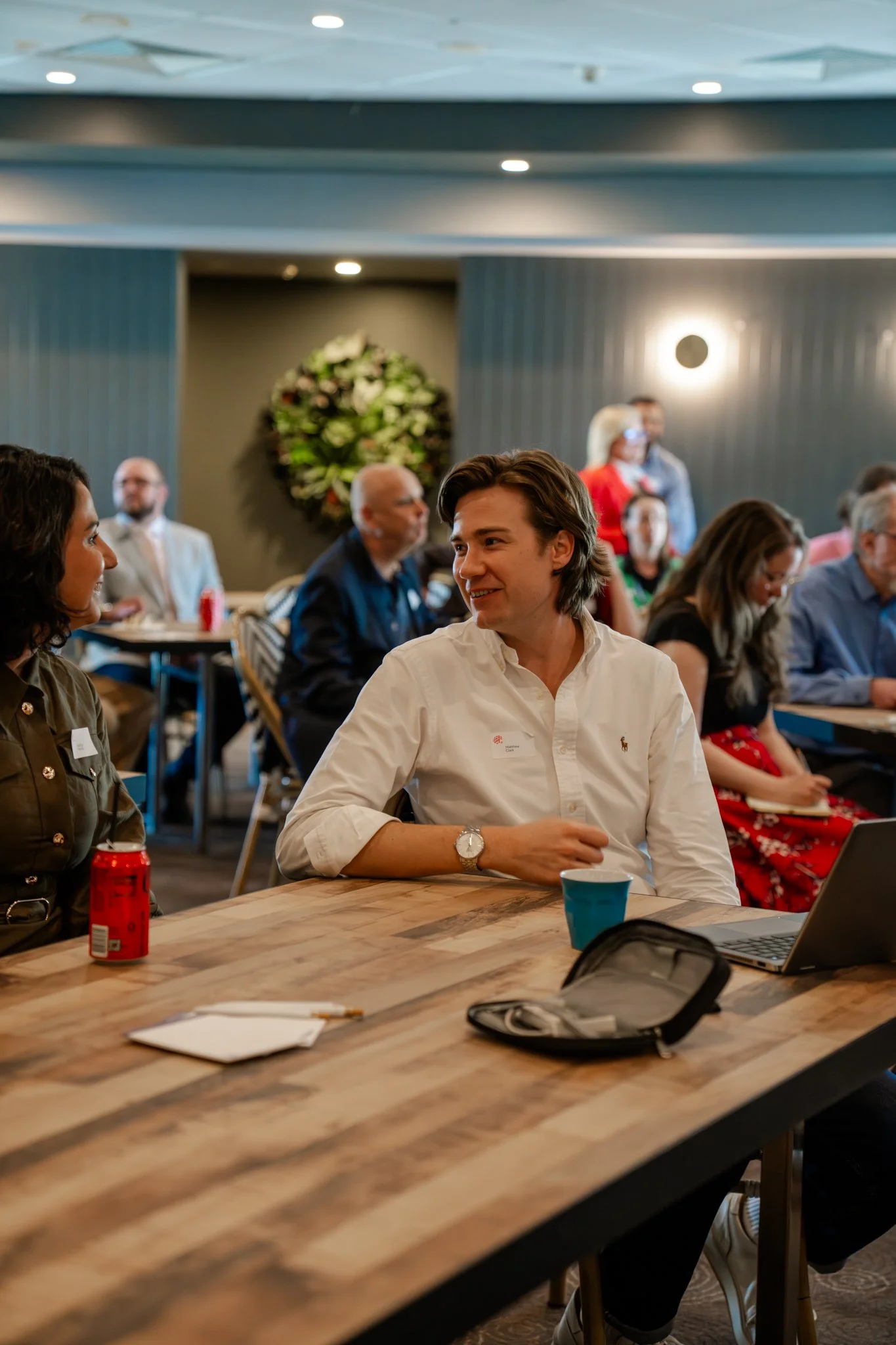
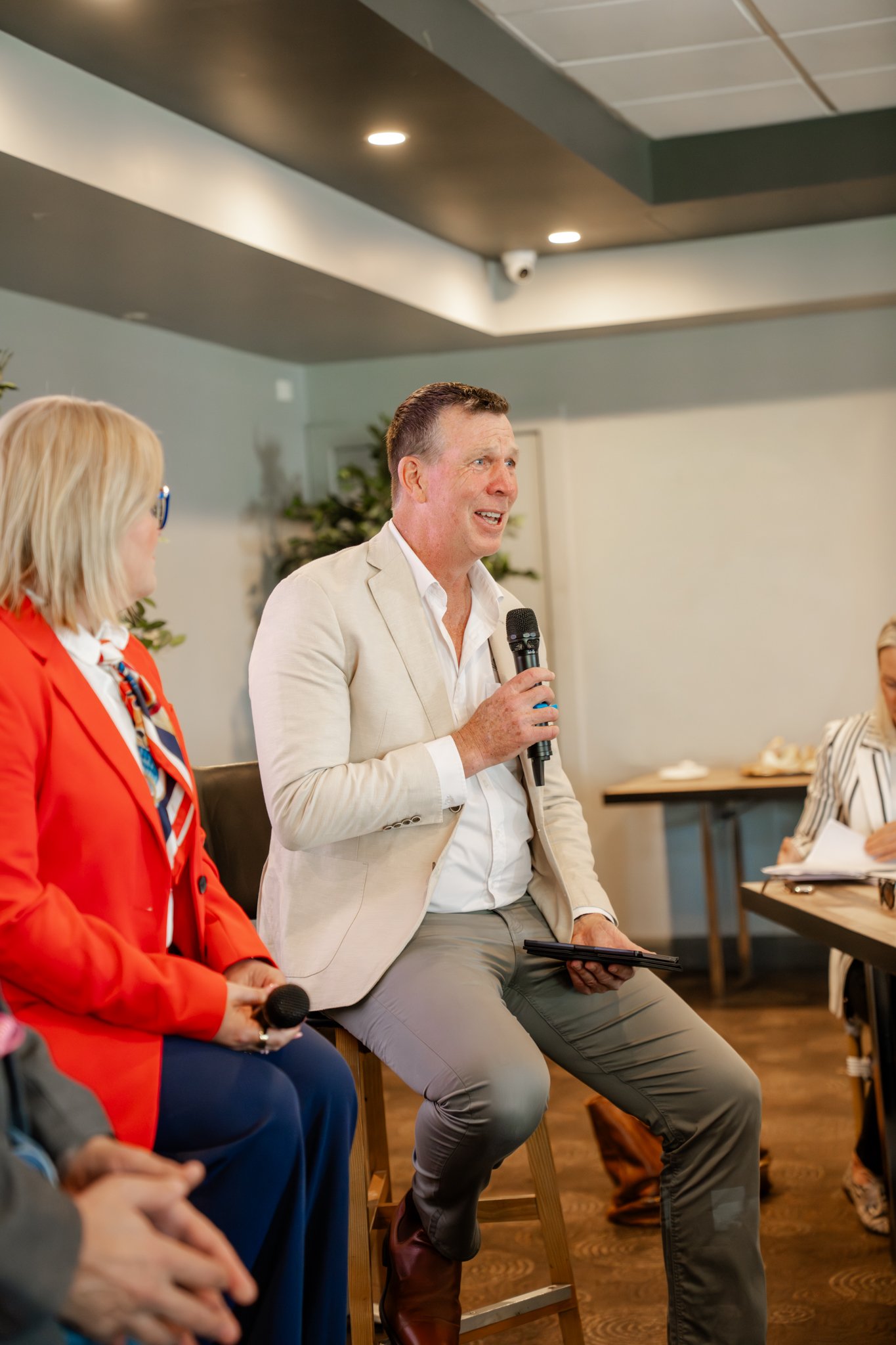
On 30 Sept 2026, the room was still settling when Maitland City Council general manager Jeff Smith put the proposition plainly. “The future of the Hunter will not be built by any one organisation, industry or level of government. It will be built through collaboration. Events like today’s are important because they bring together the people who are shaping that future: manufacturers, innovators, researchers, investors and industry leaders.”
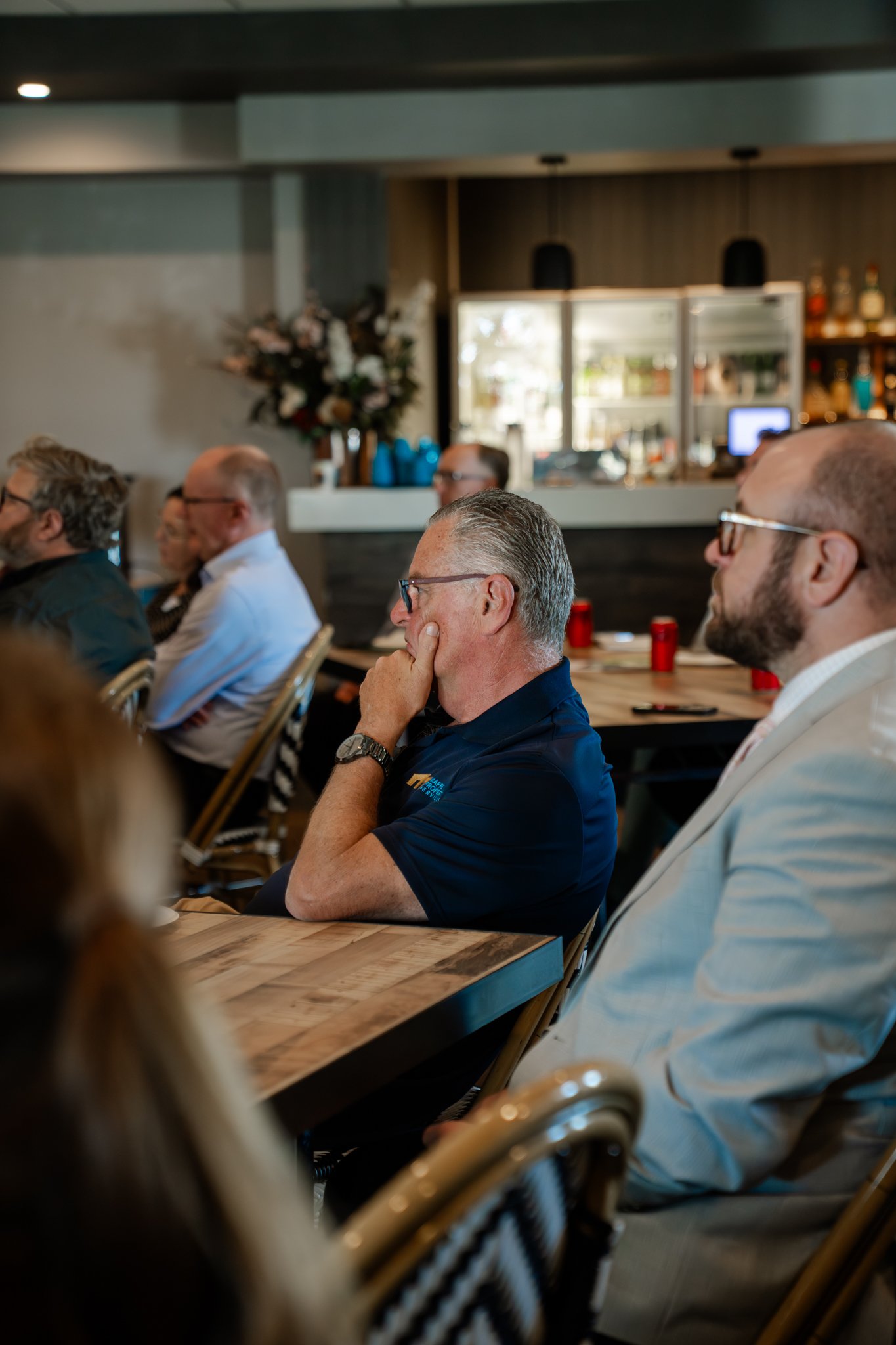
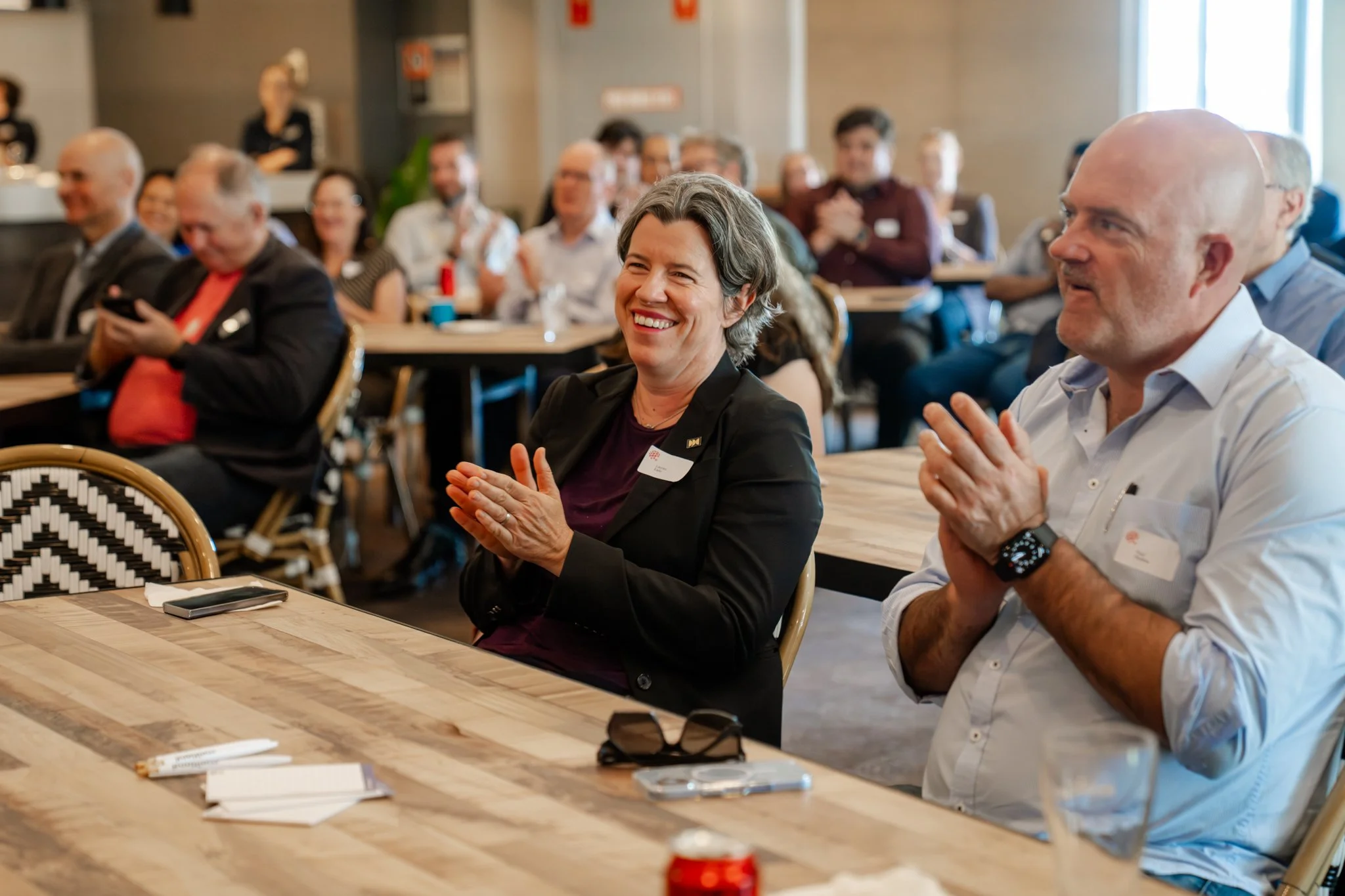
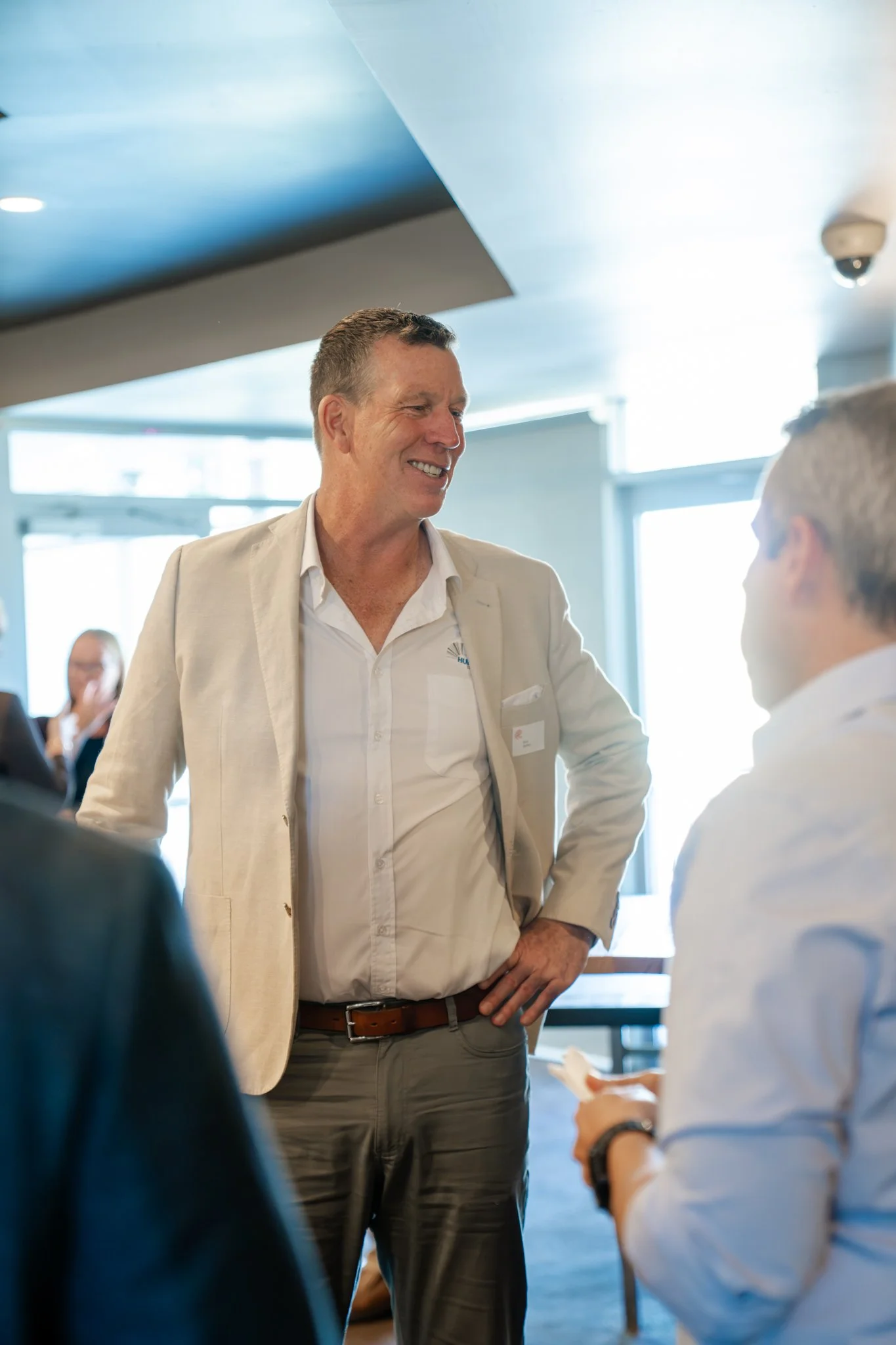
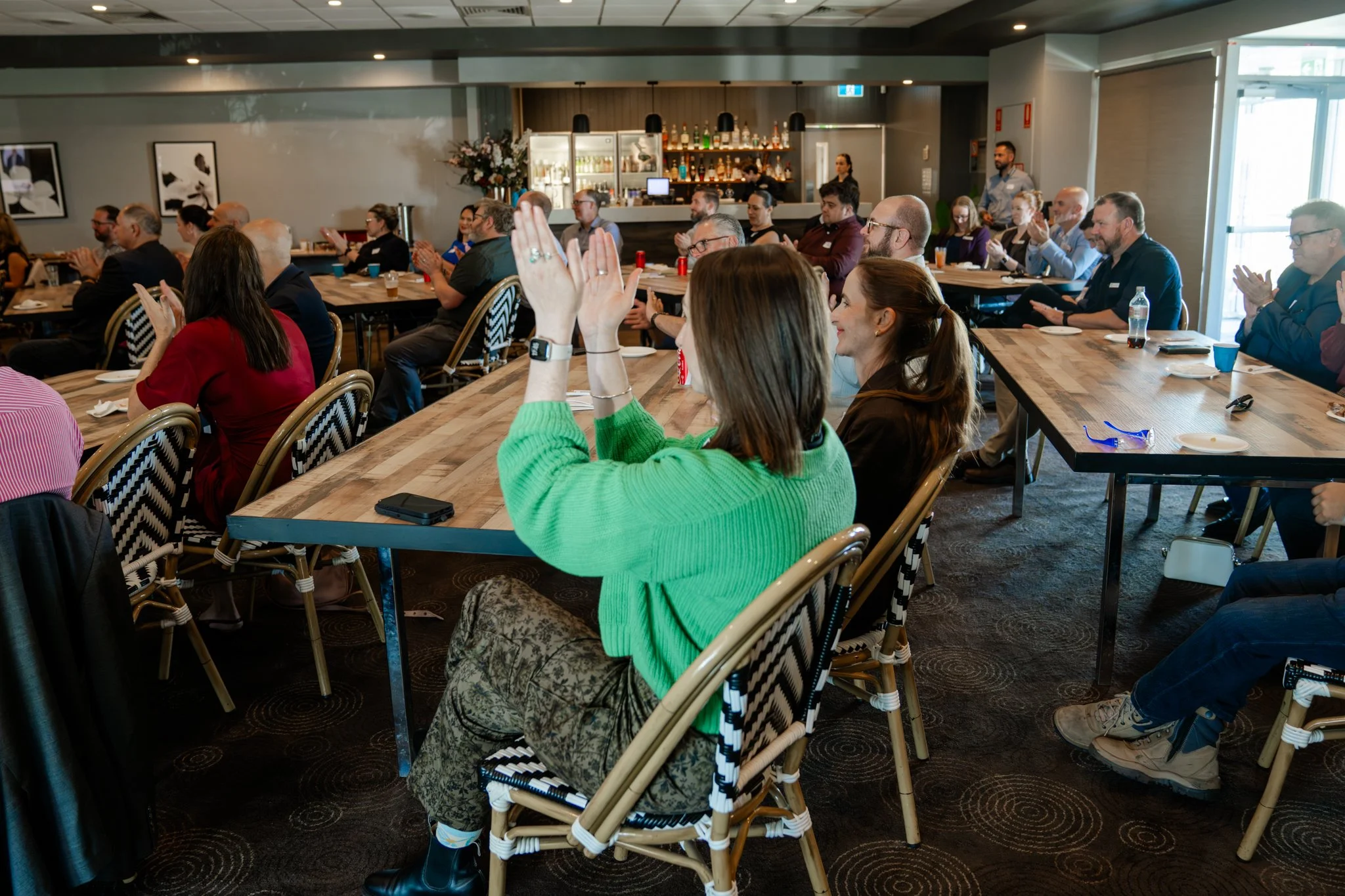
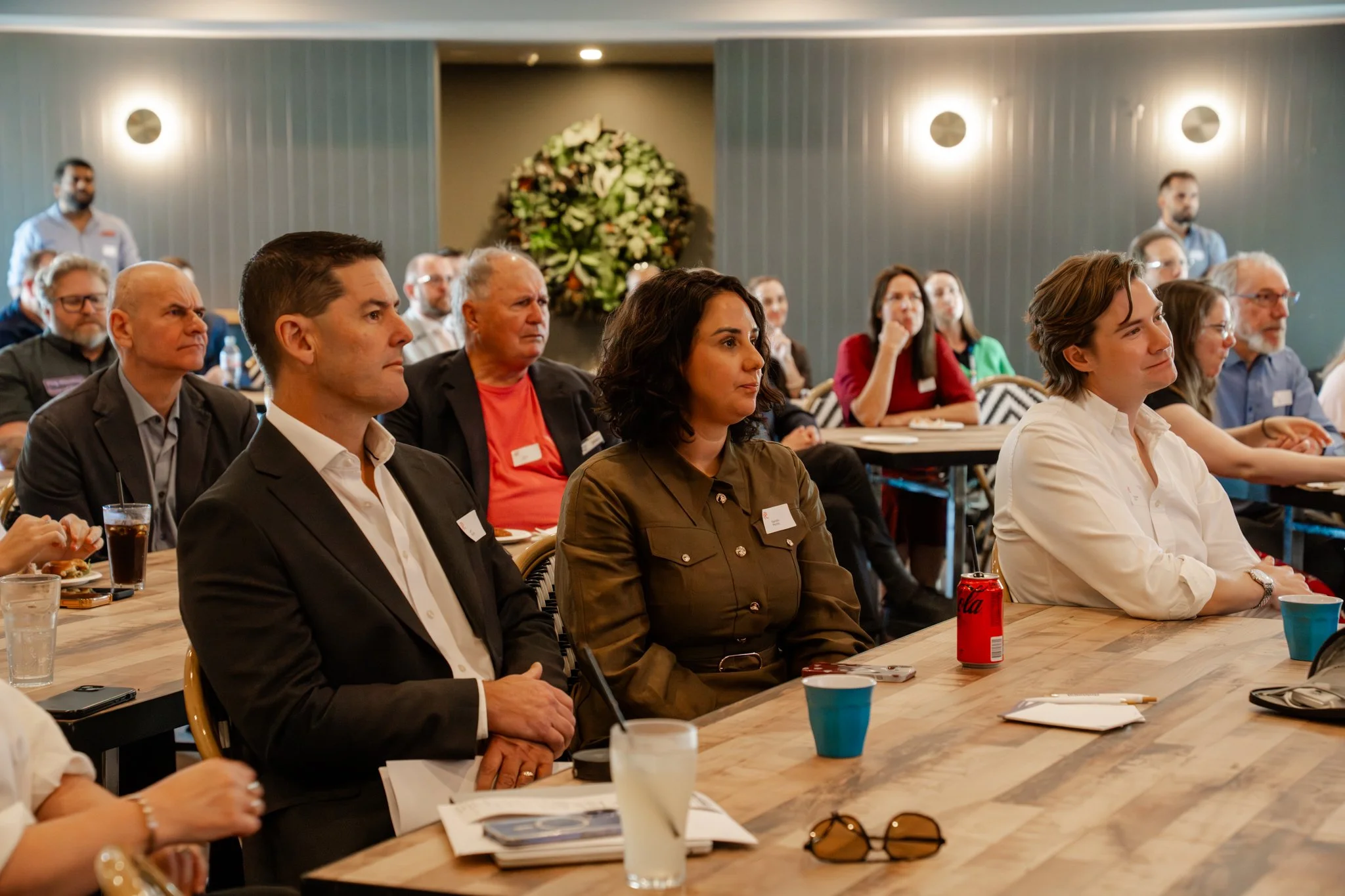
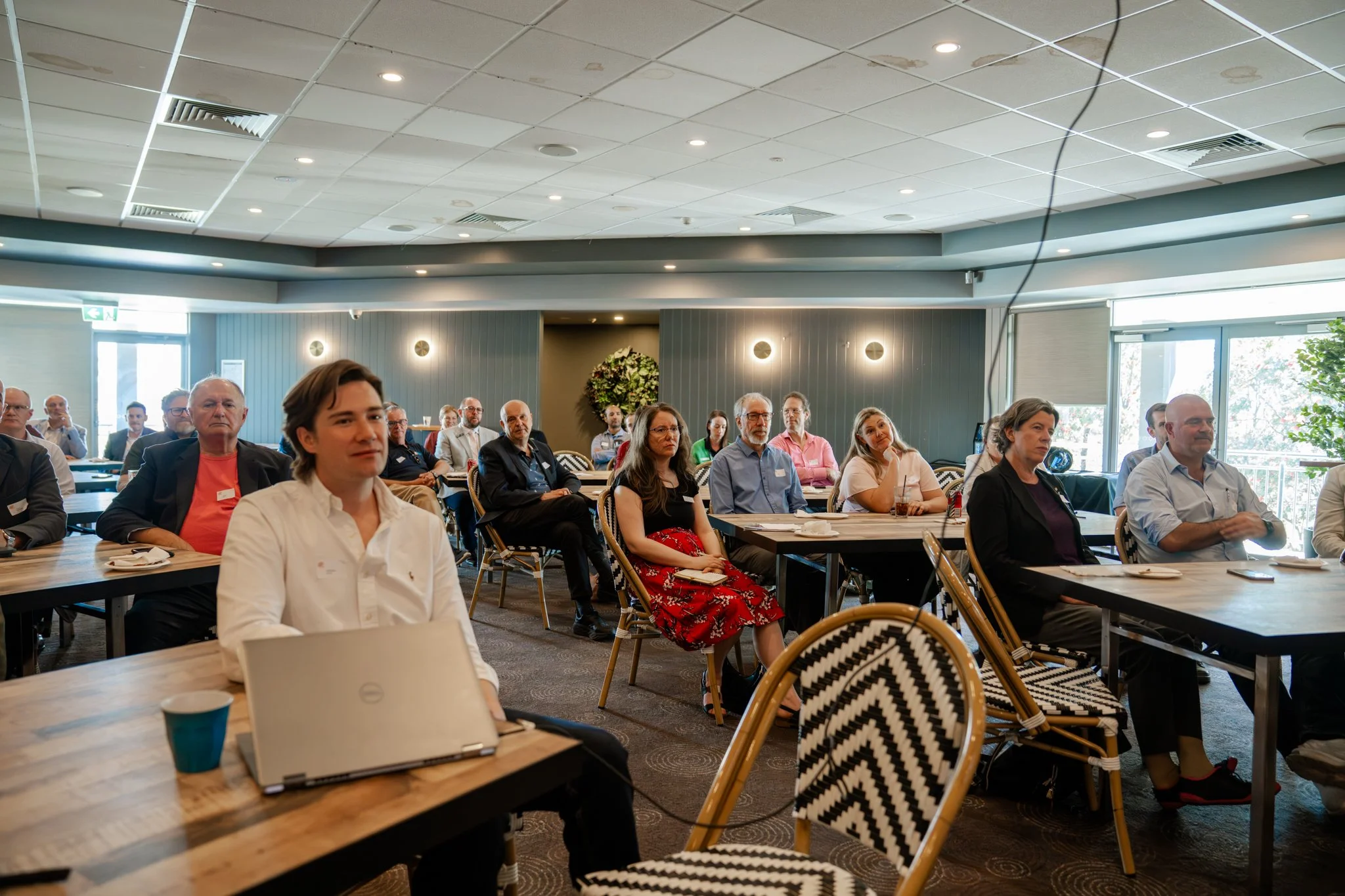
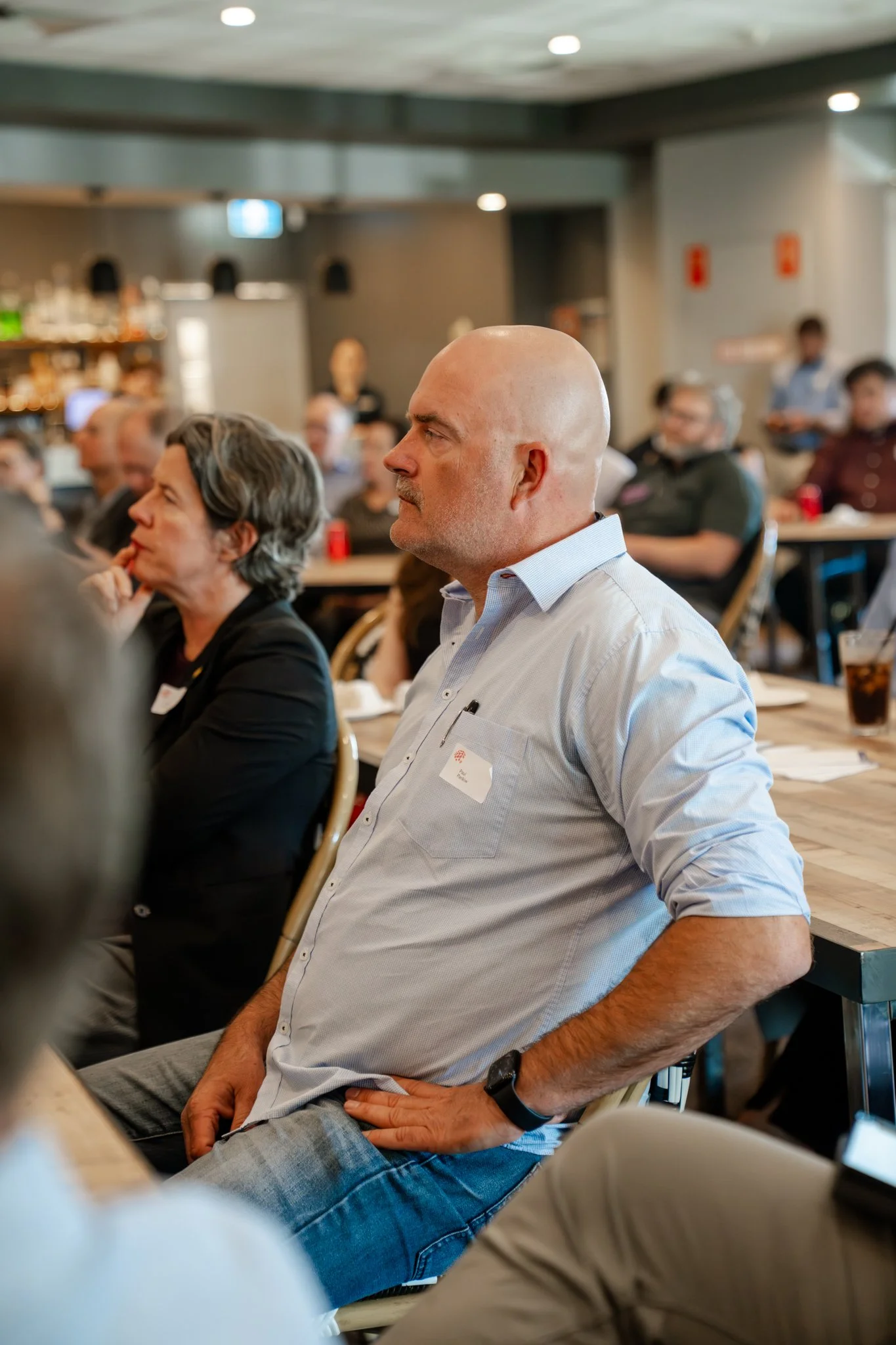
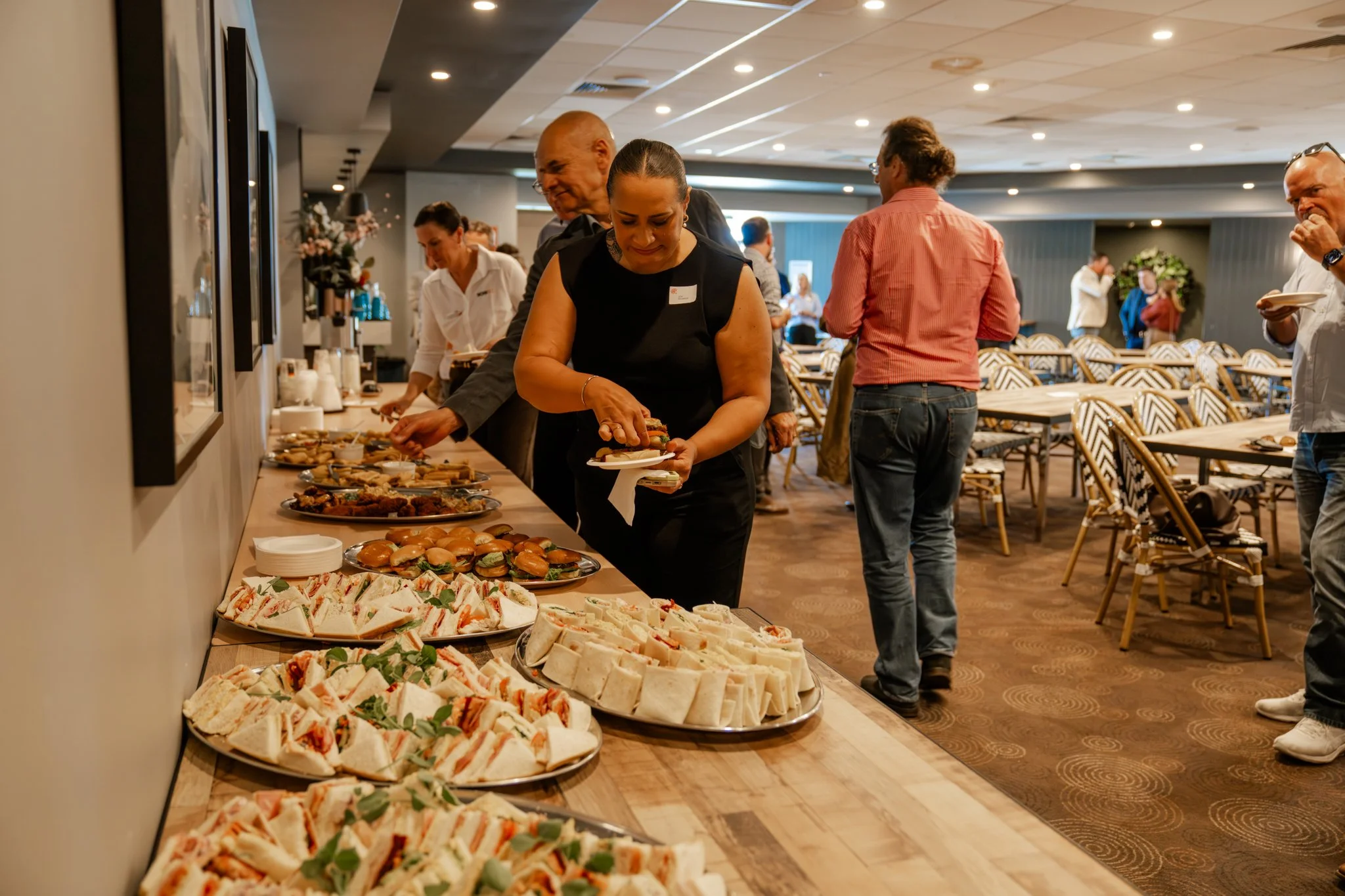
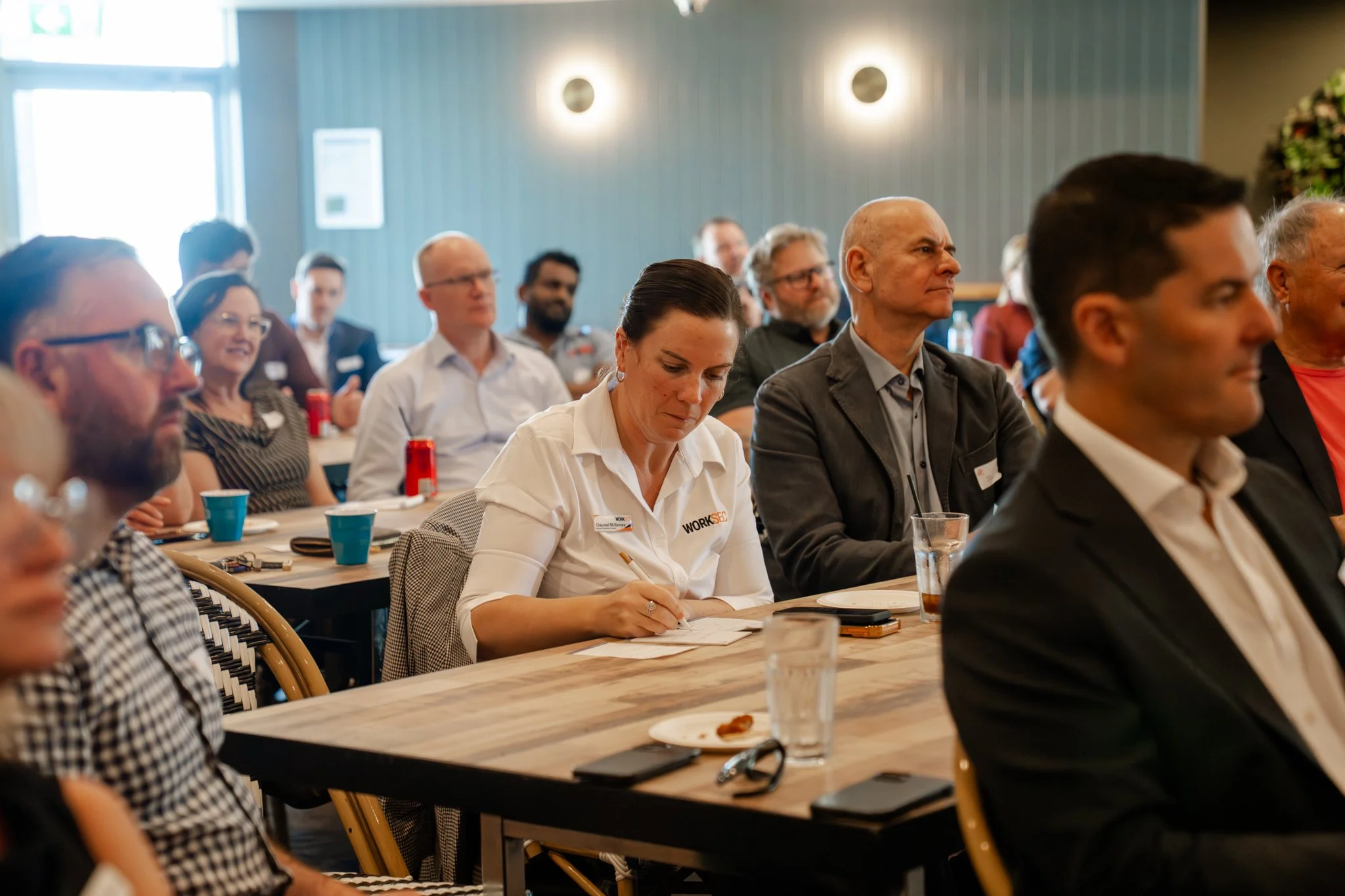
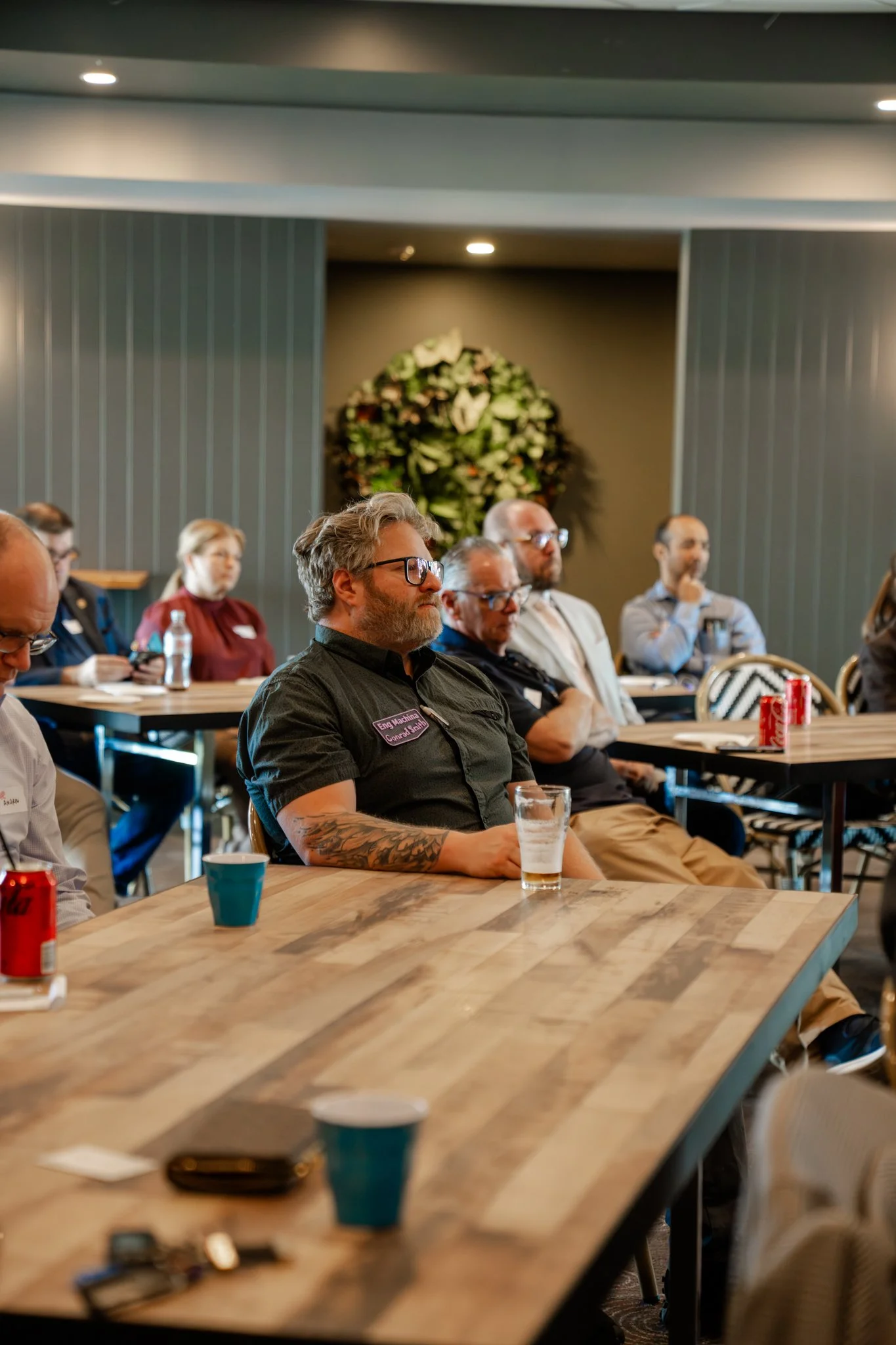
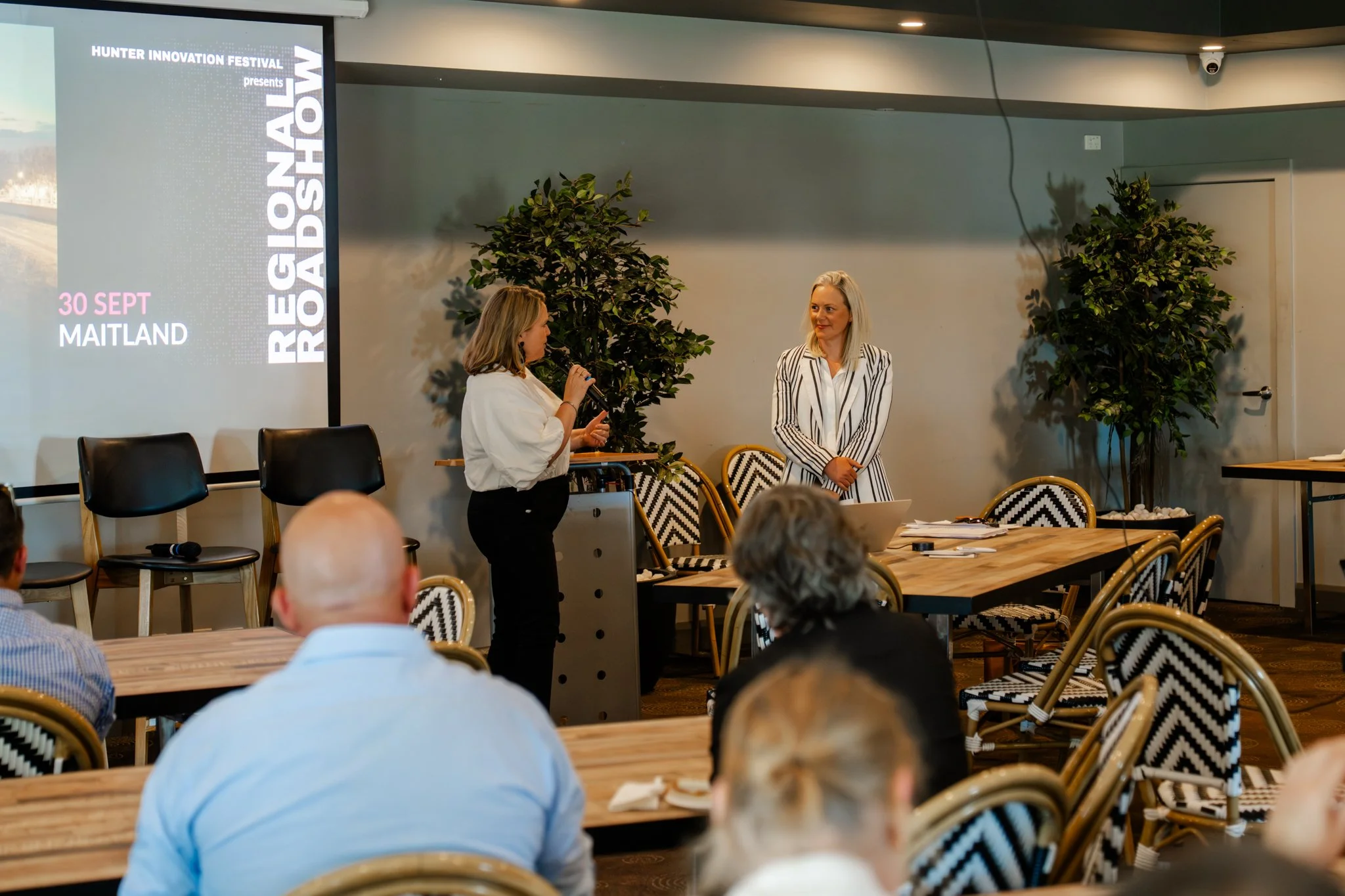
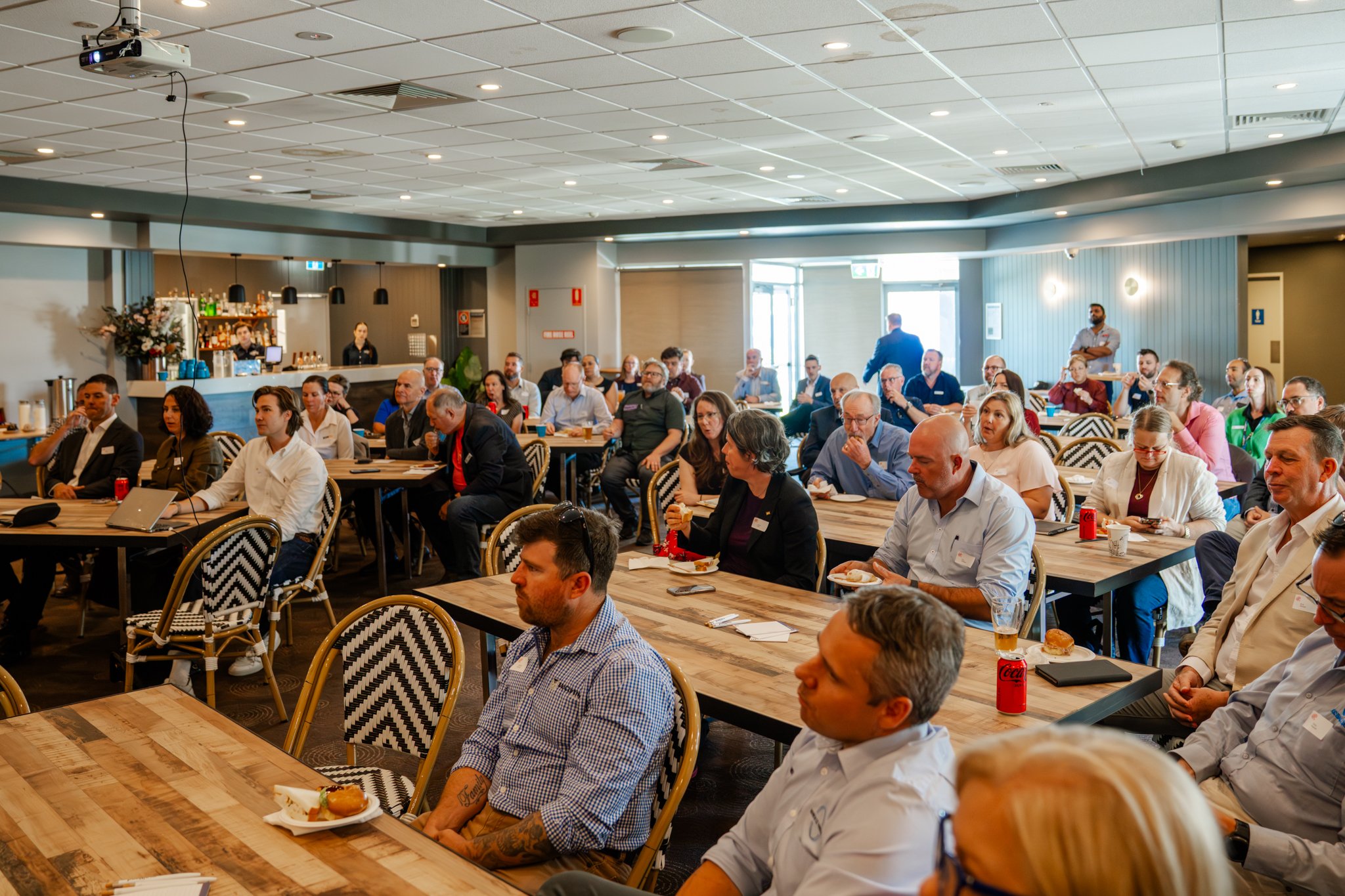
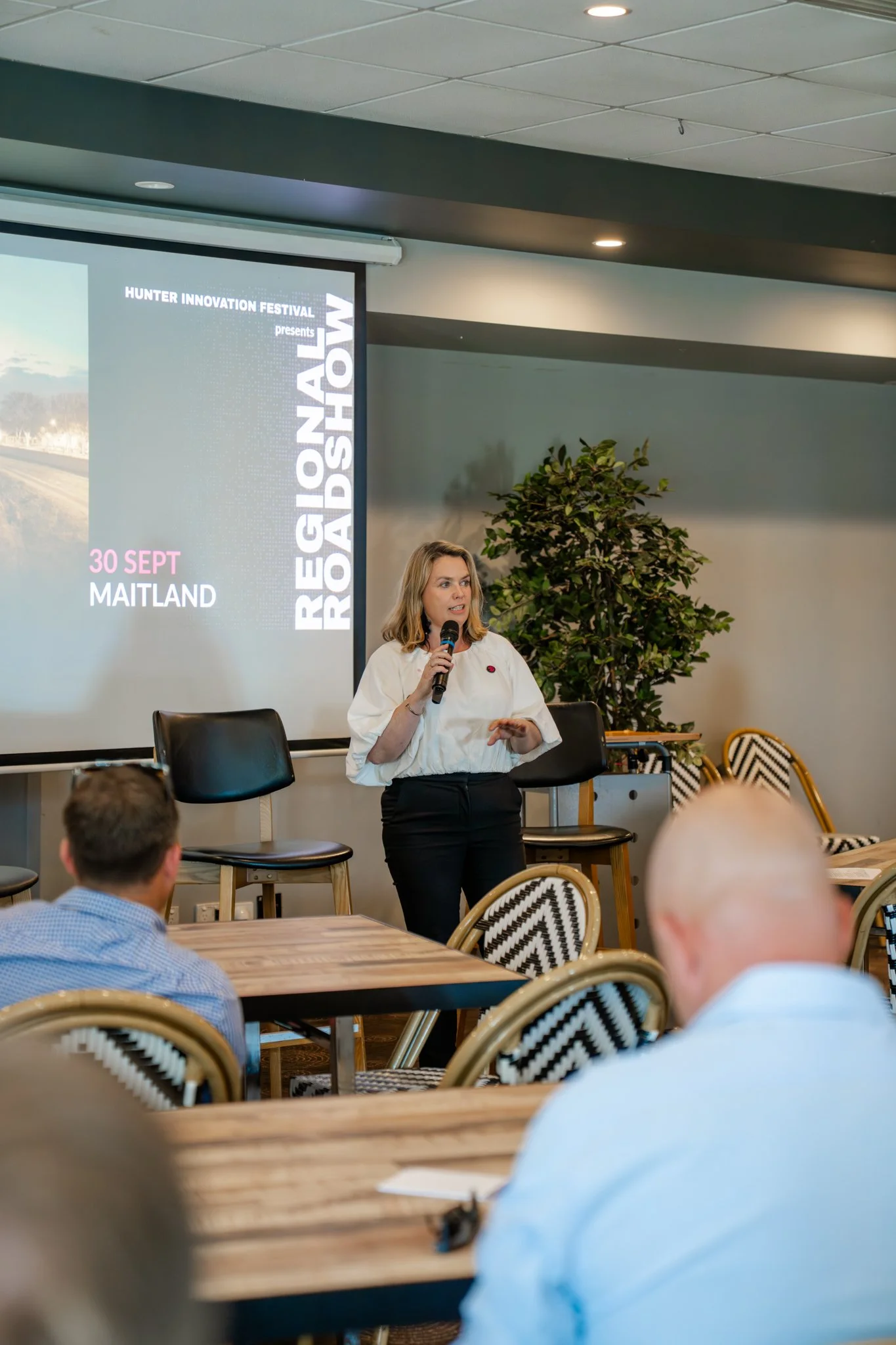
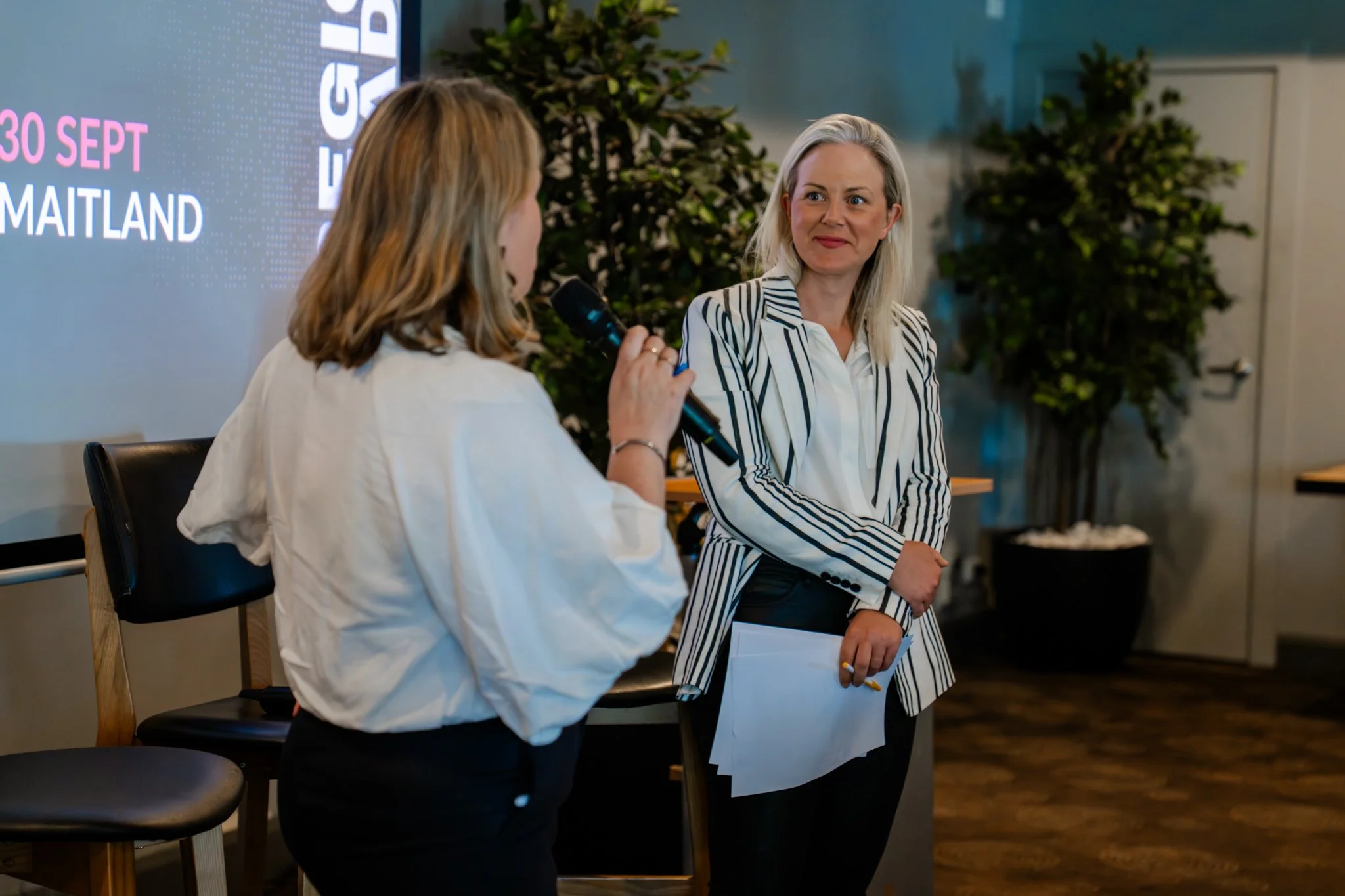
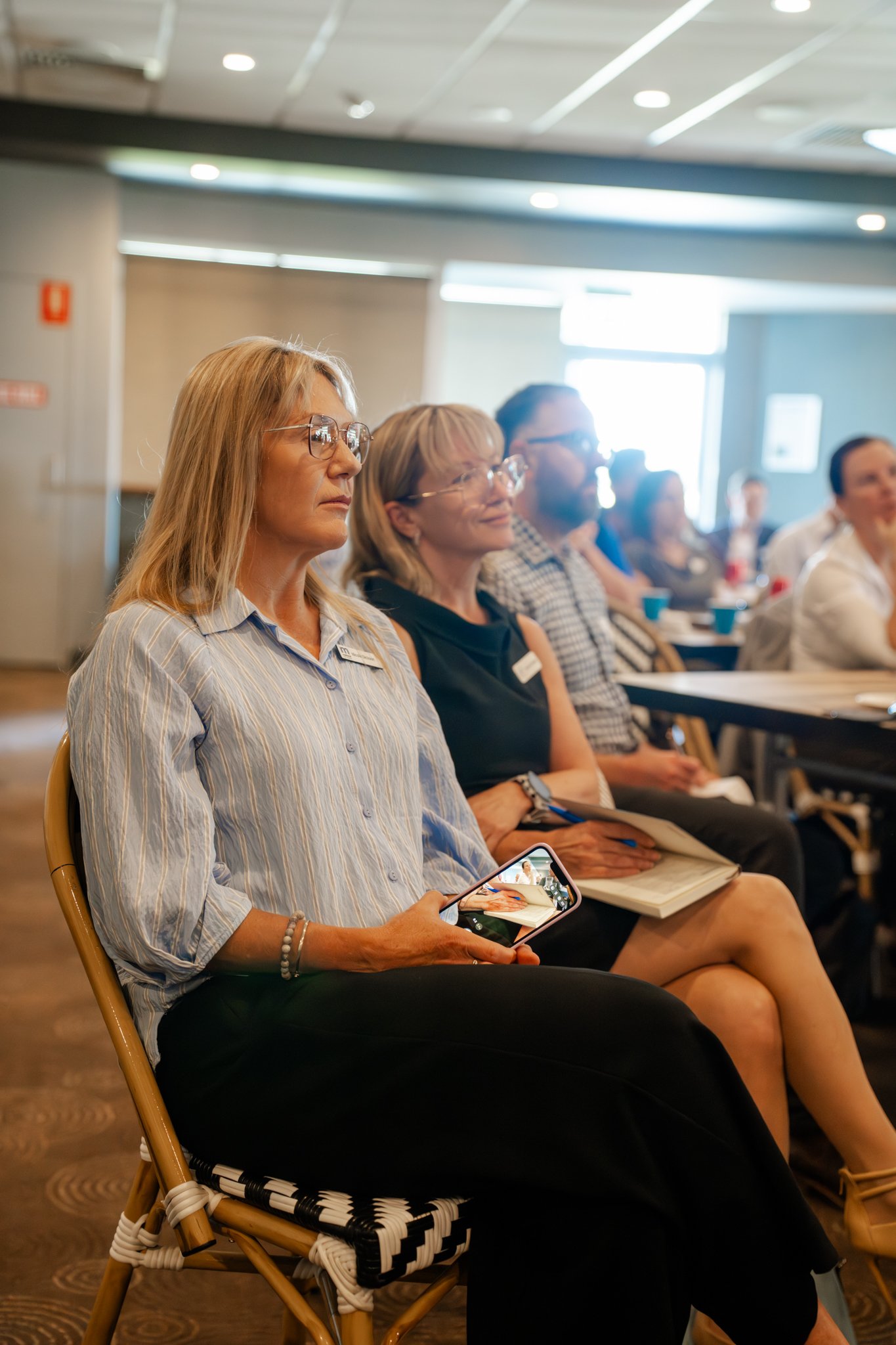
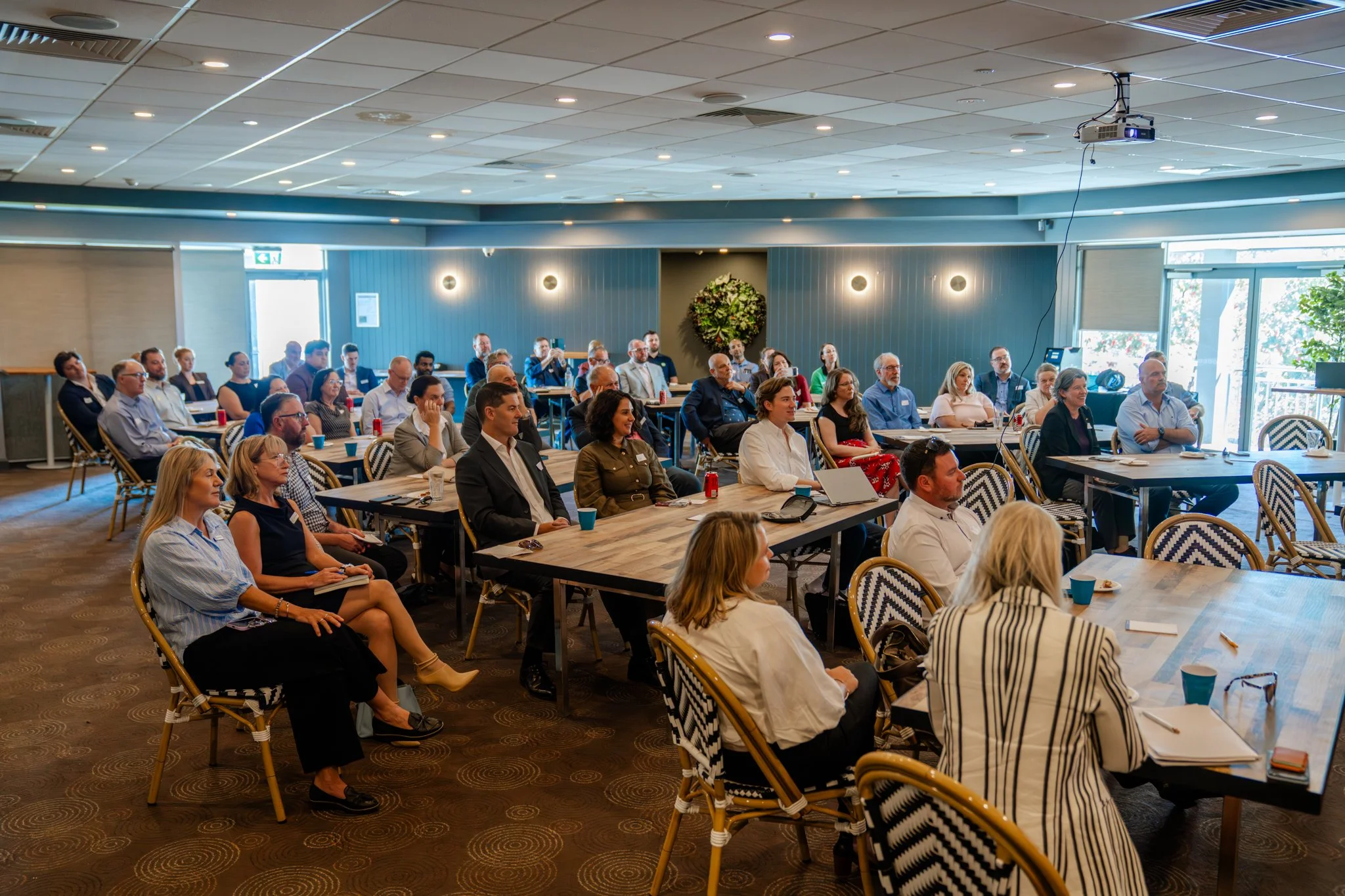
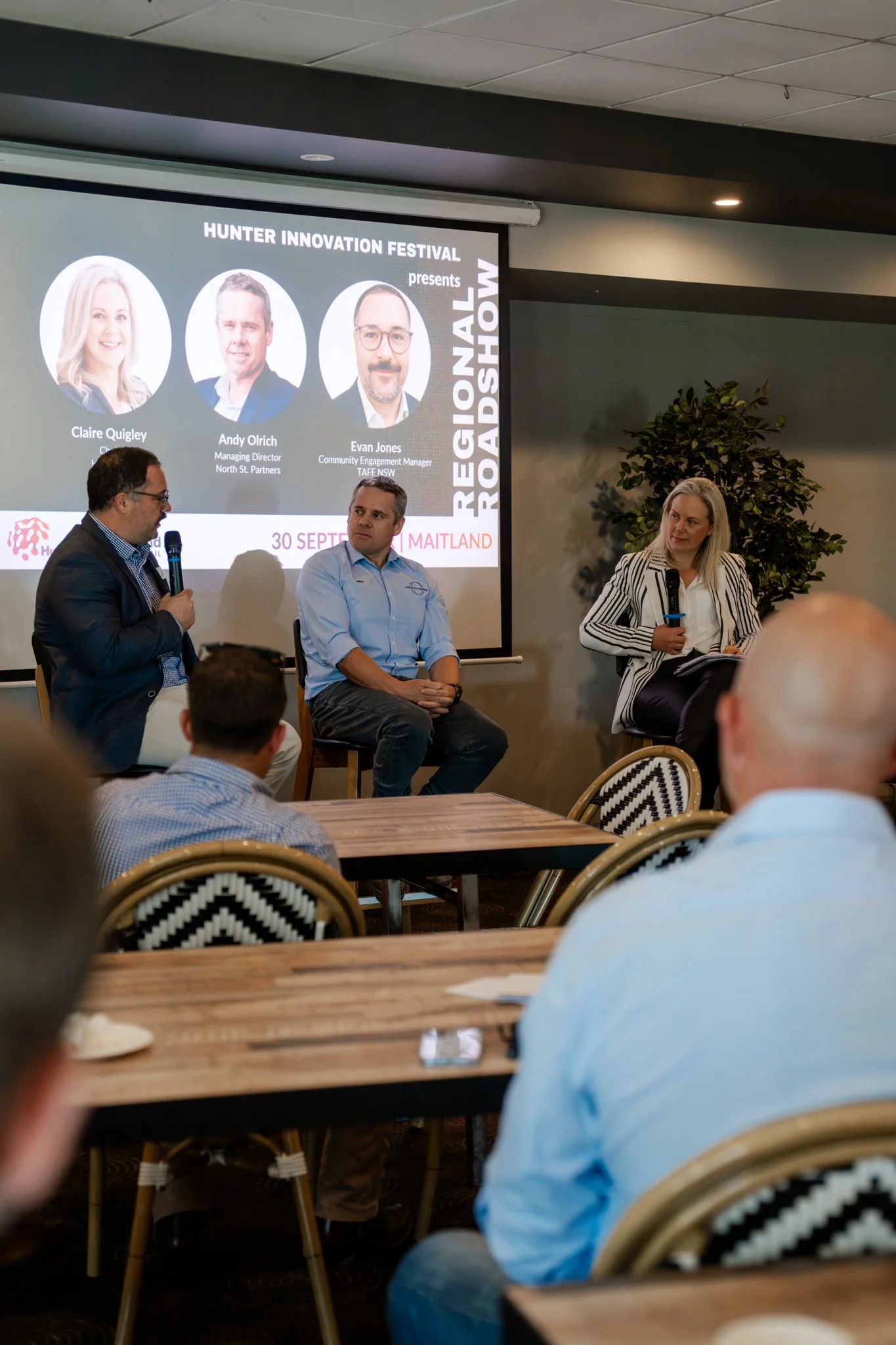
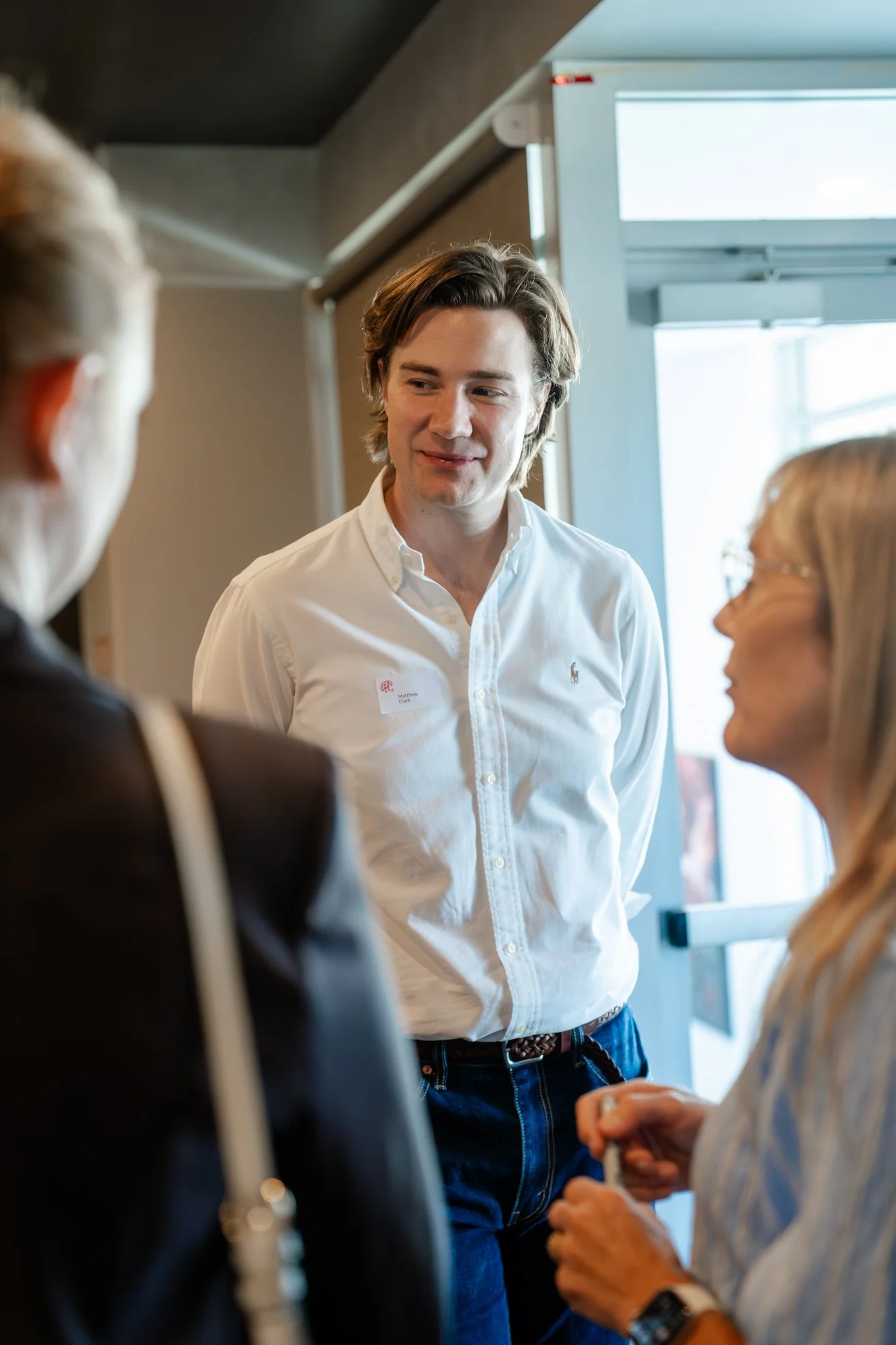
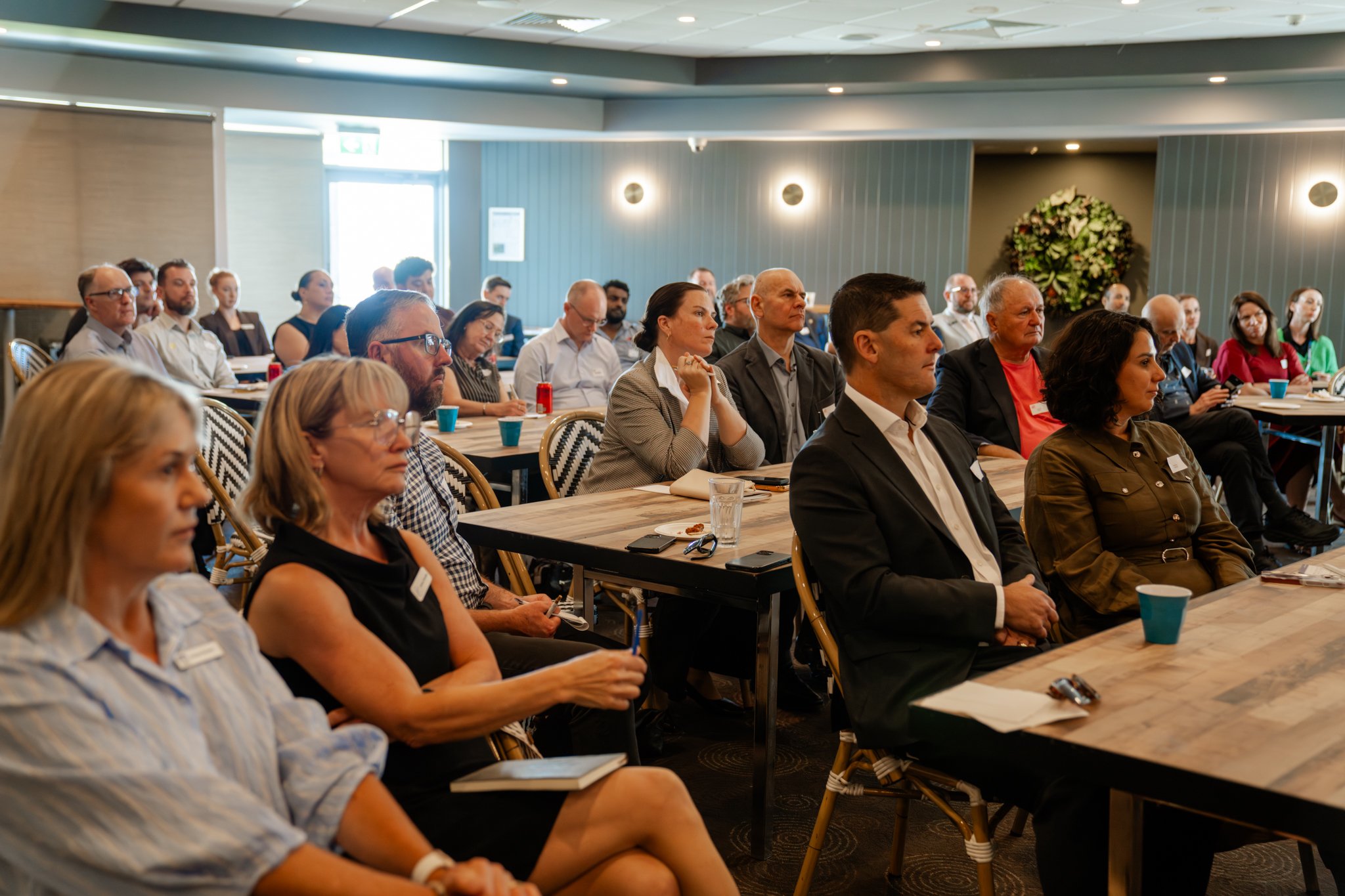
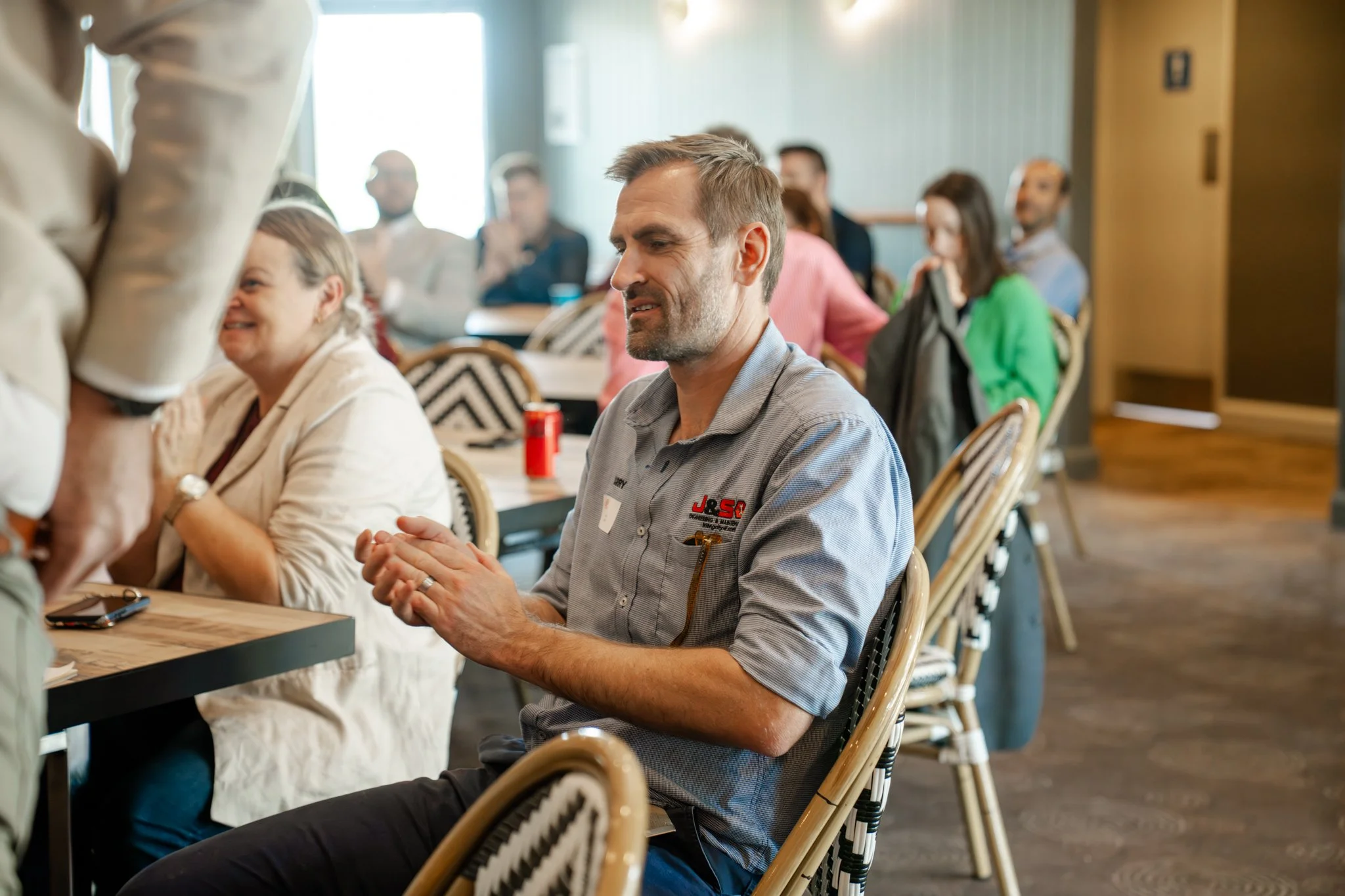
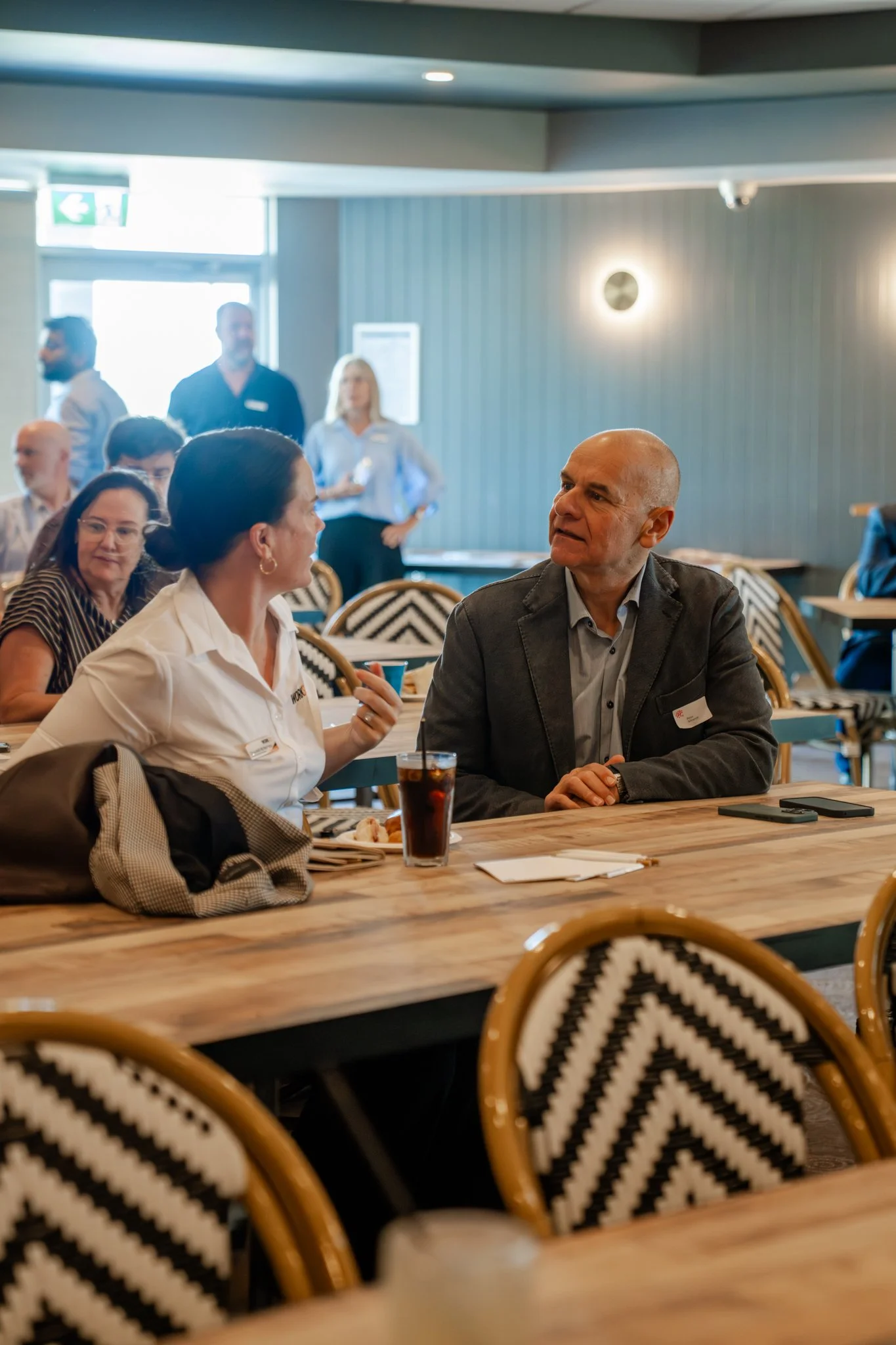
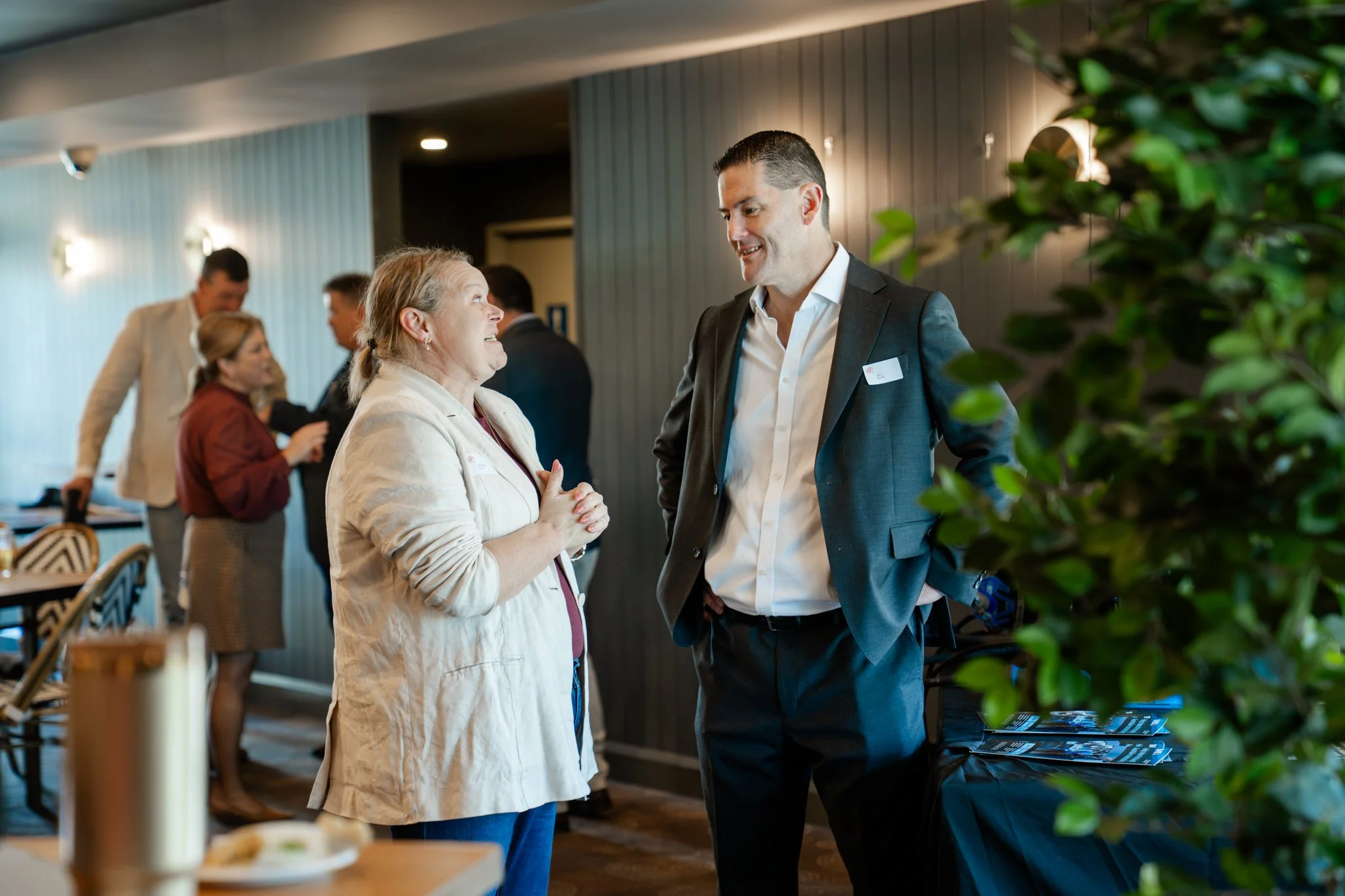
That was the point of the Hunter Innovation Festival Maitland Roadshow on Wednesday 30 September. Presented with Maitland City Council at The Bradford Hotel in Rutherford, the lunchtime session was a working conversation on advanced manufacturing, the energy transition, and what it takes to turn local capability into investment.
Smith was clear about why Maitland was hosting. “For a city with the workforce, connectivity, industrial capability and growth potential to support the next generation of manufacturing and innovation. As the Hunter’s economy continues to evolve, we believe Maitland is well placed to be one of the region’s key centres for advanced manufacturing, industrial innovation and future industry investment.”
What manufacturers are actually asking for
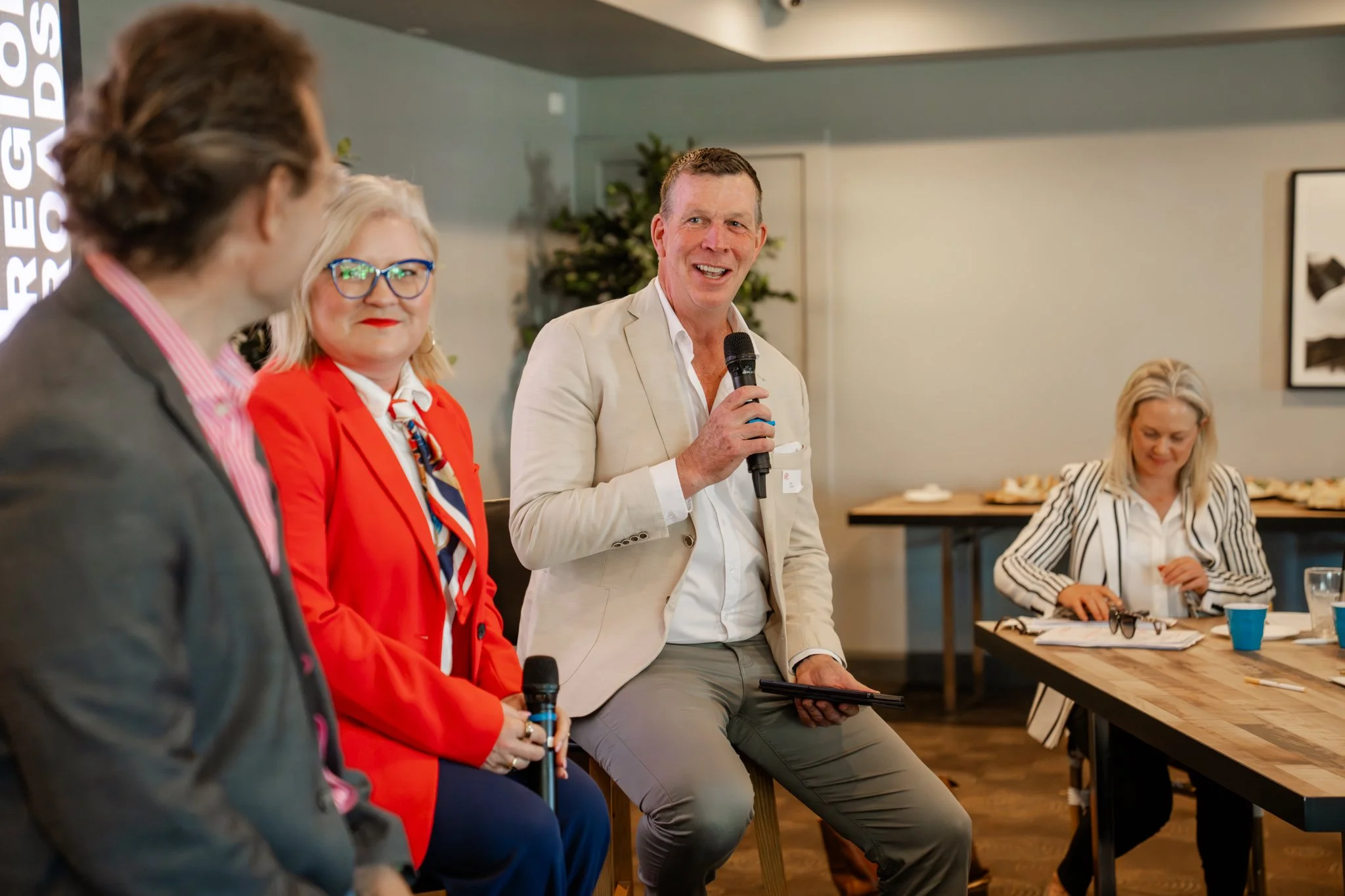
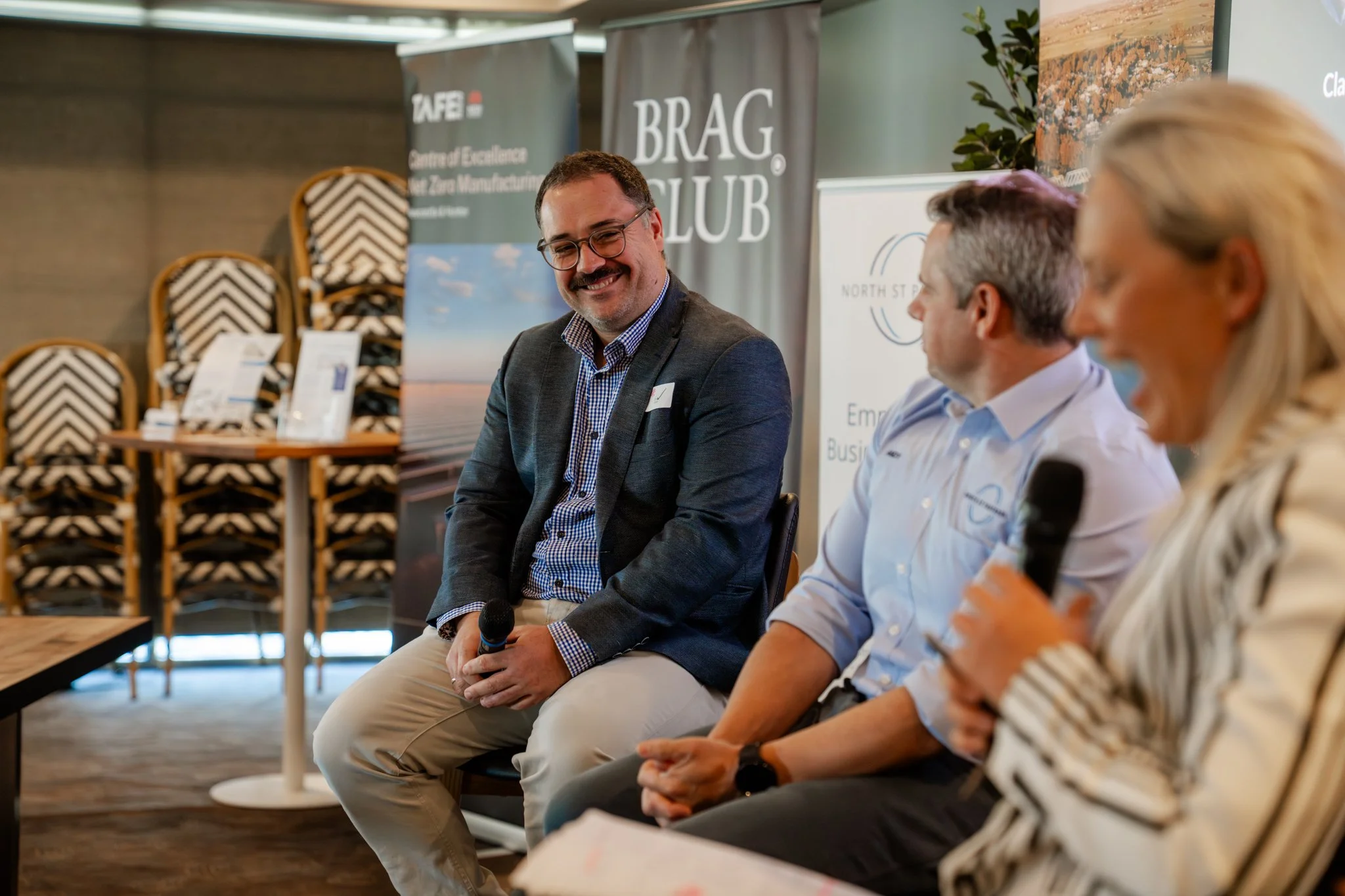
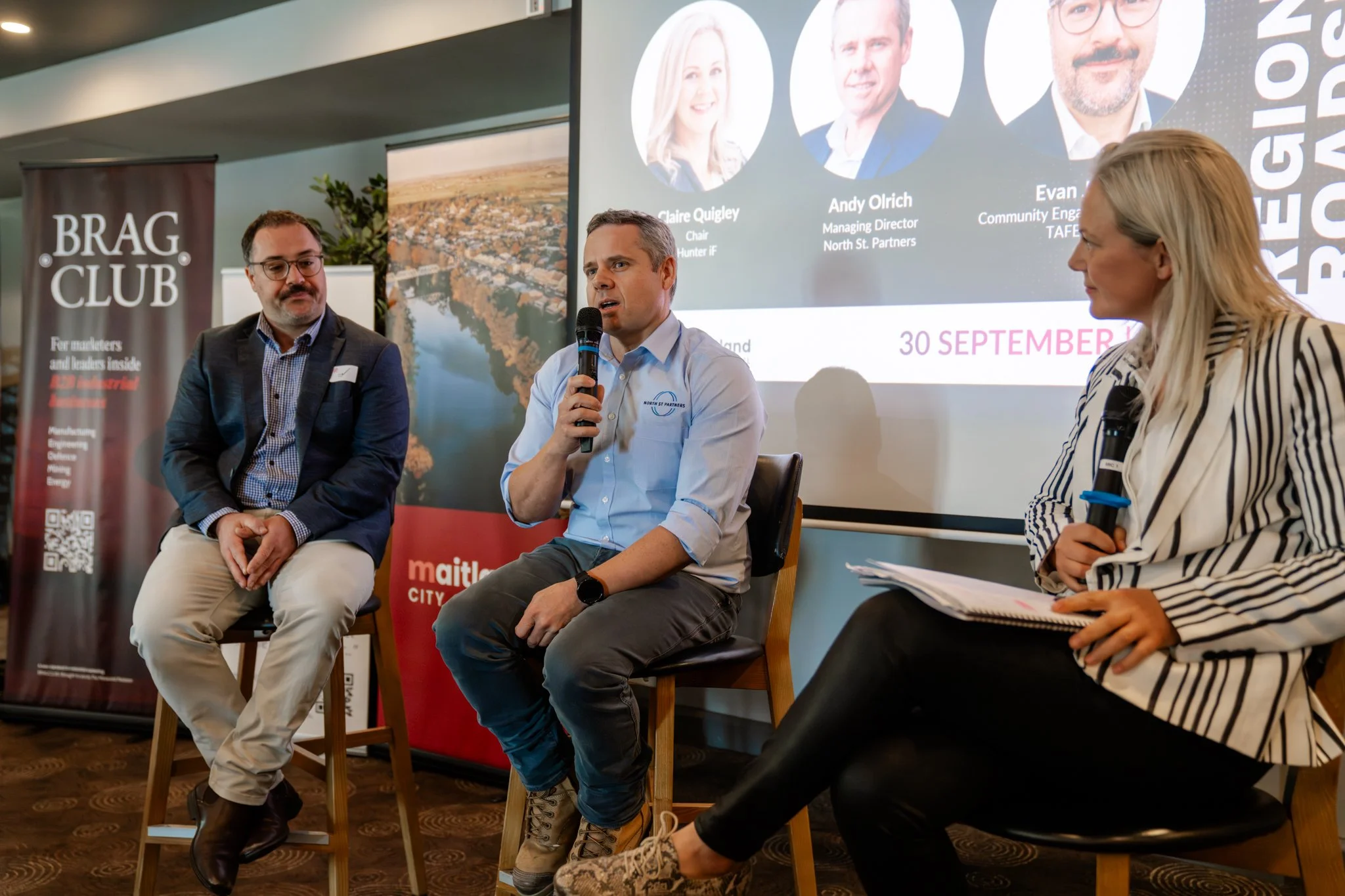
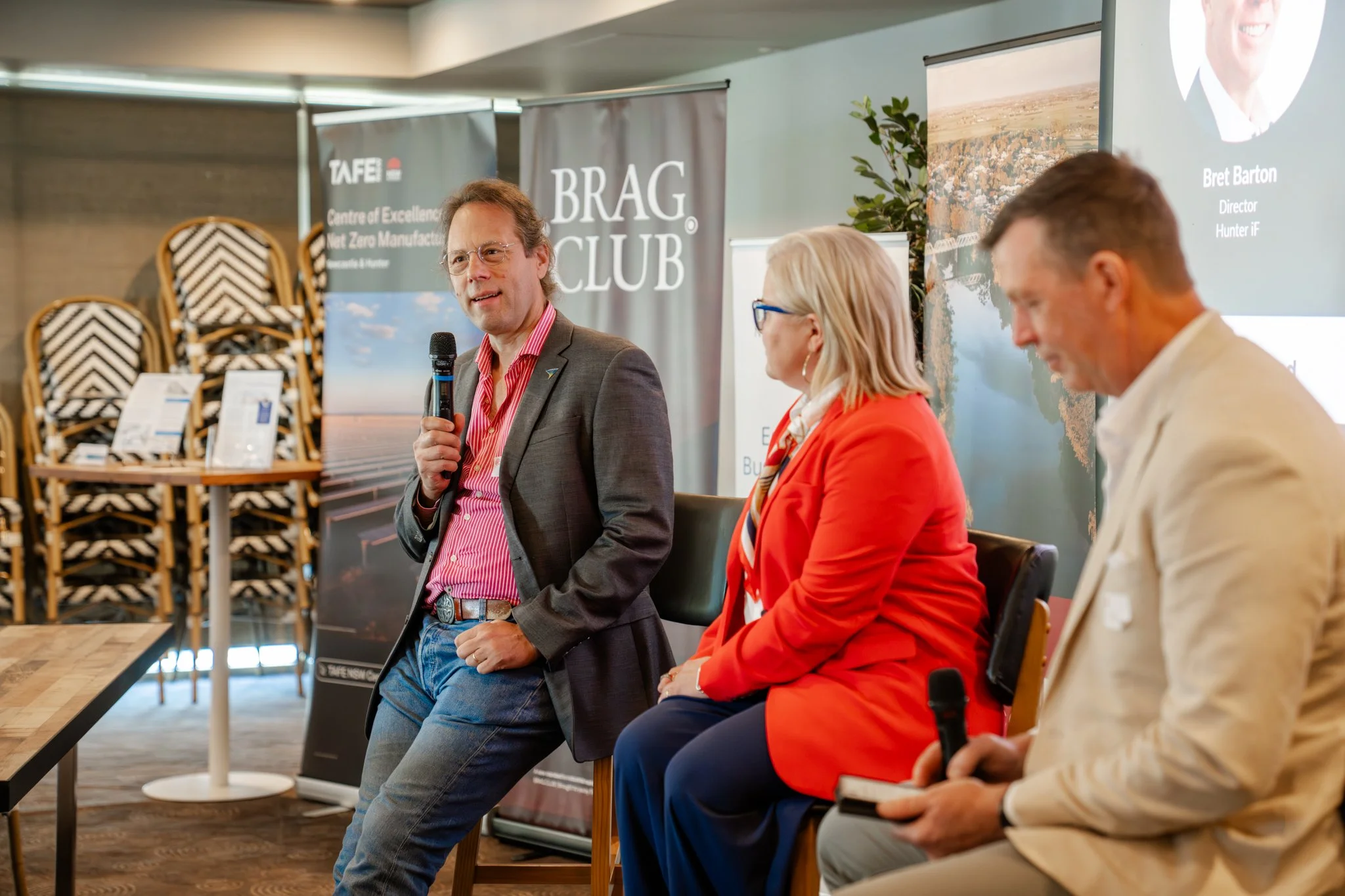
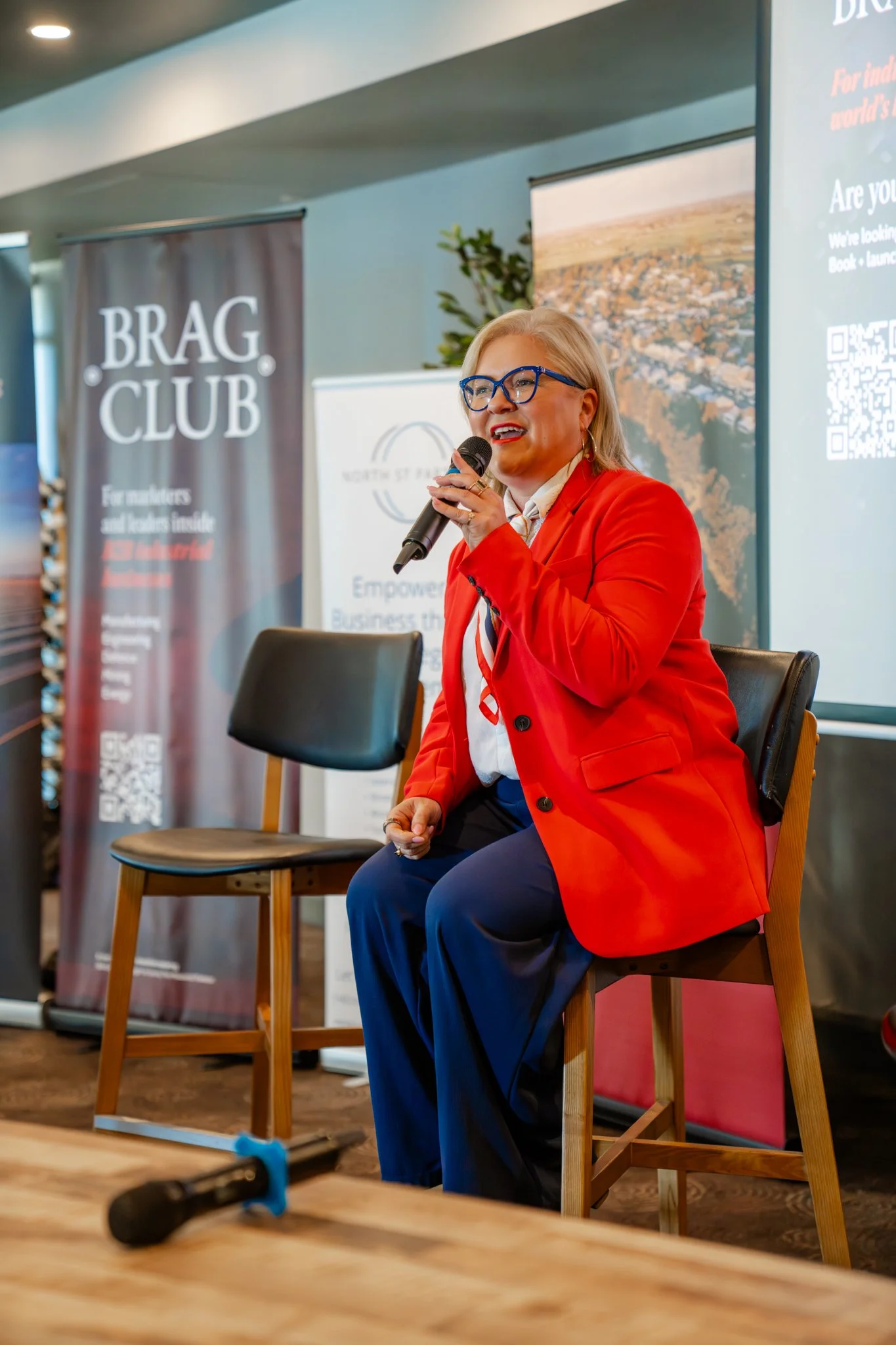
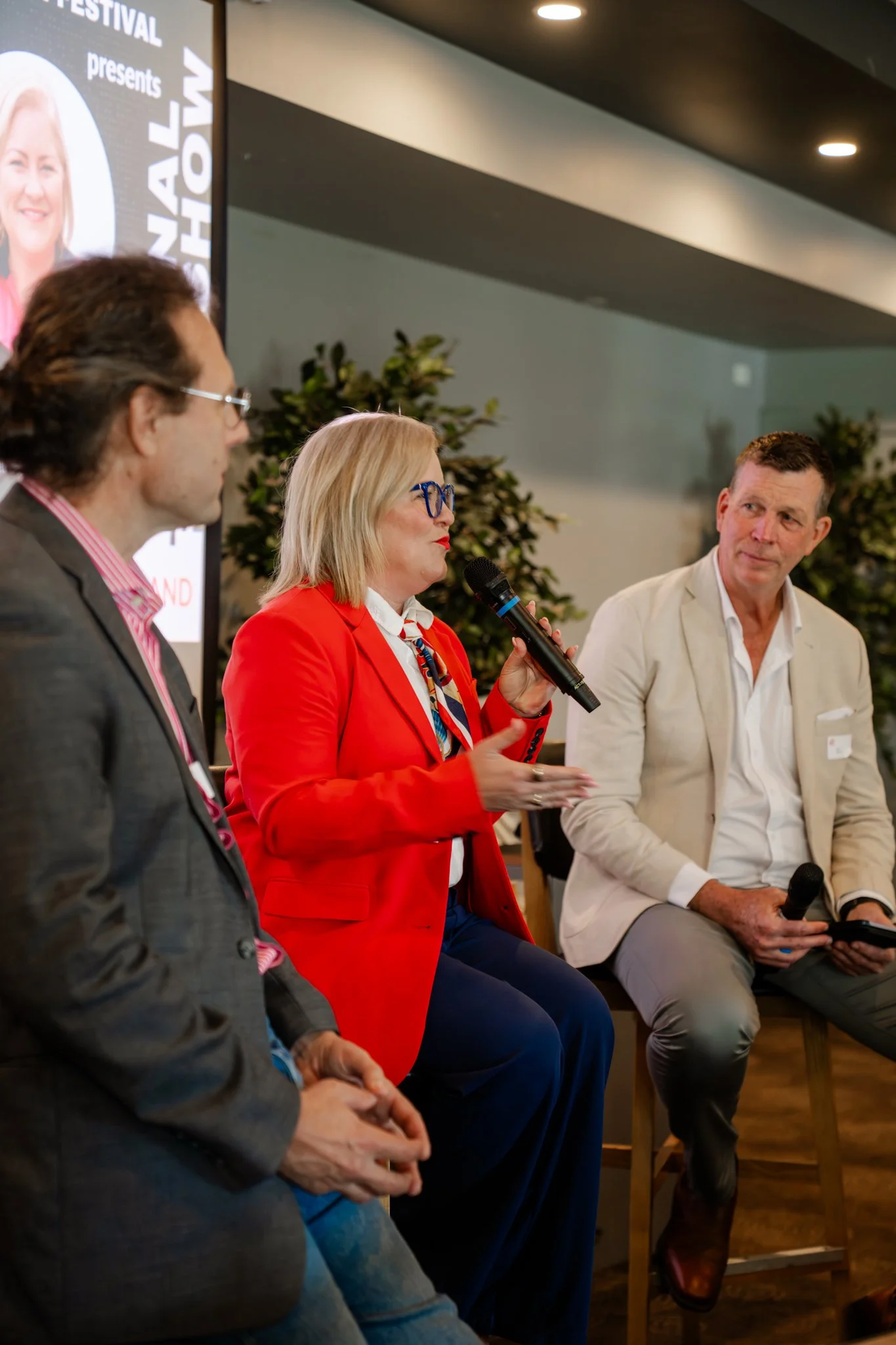
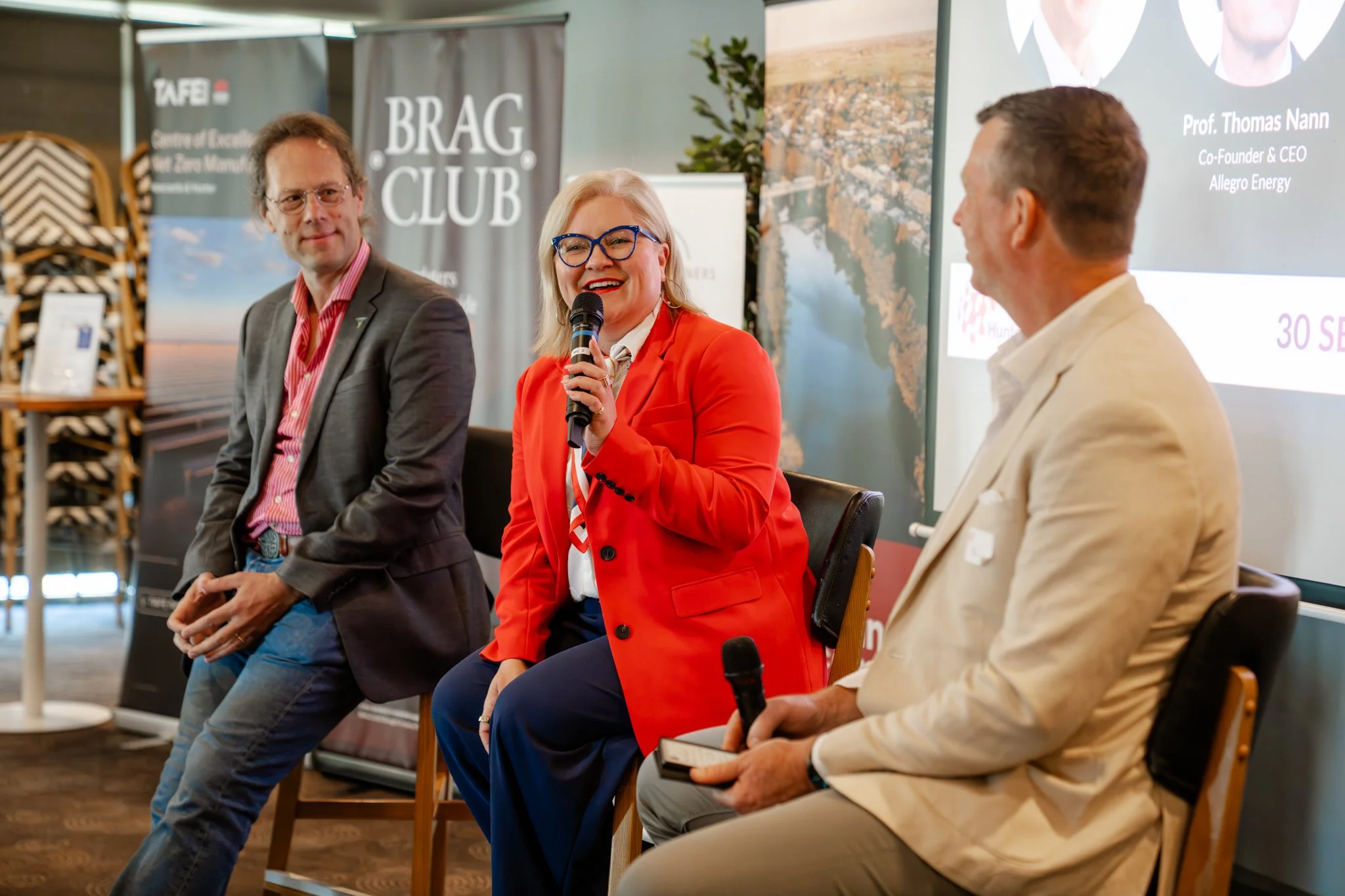
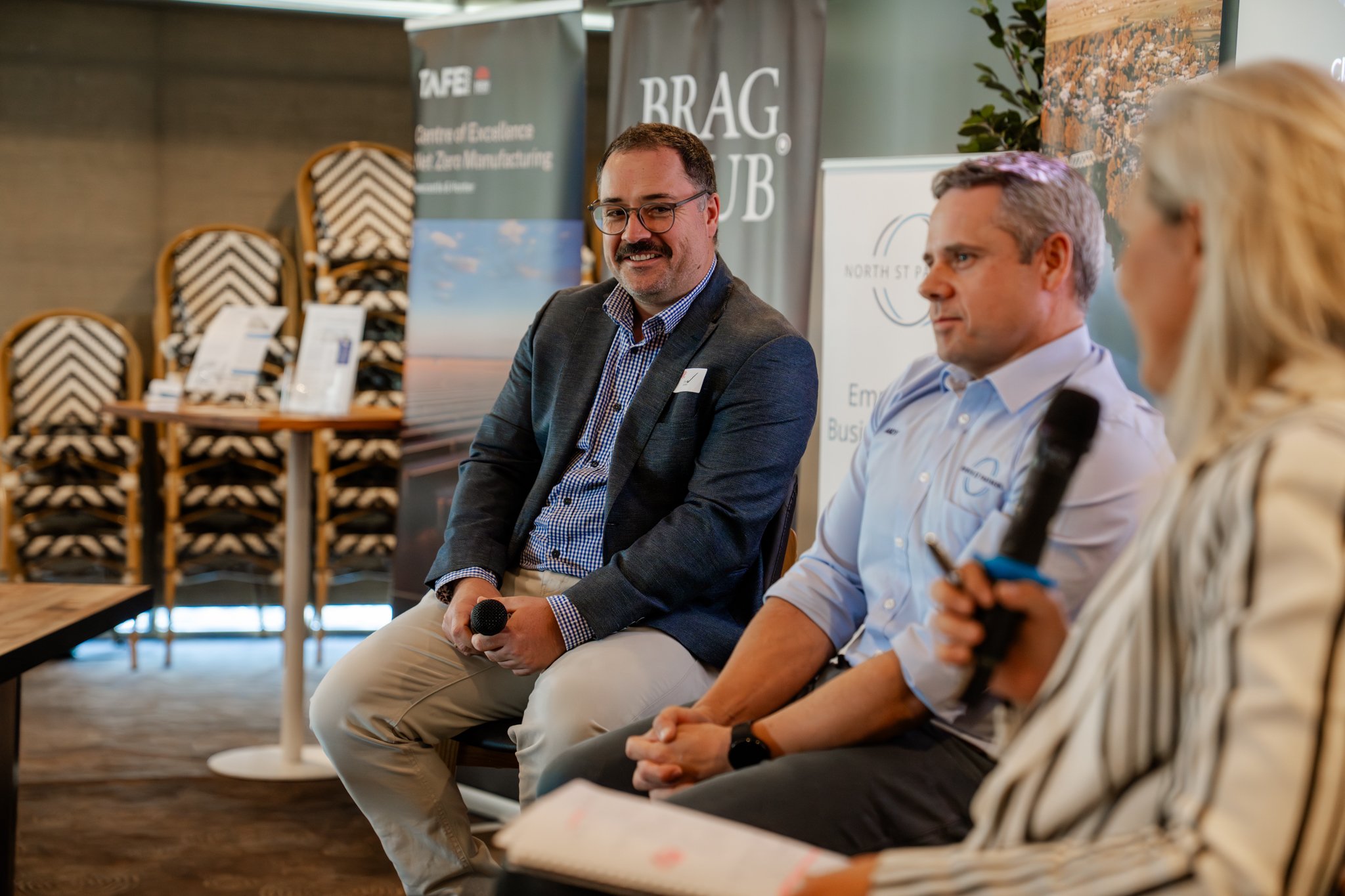
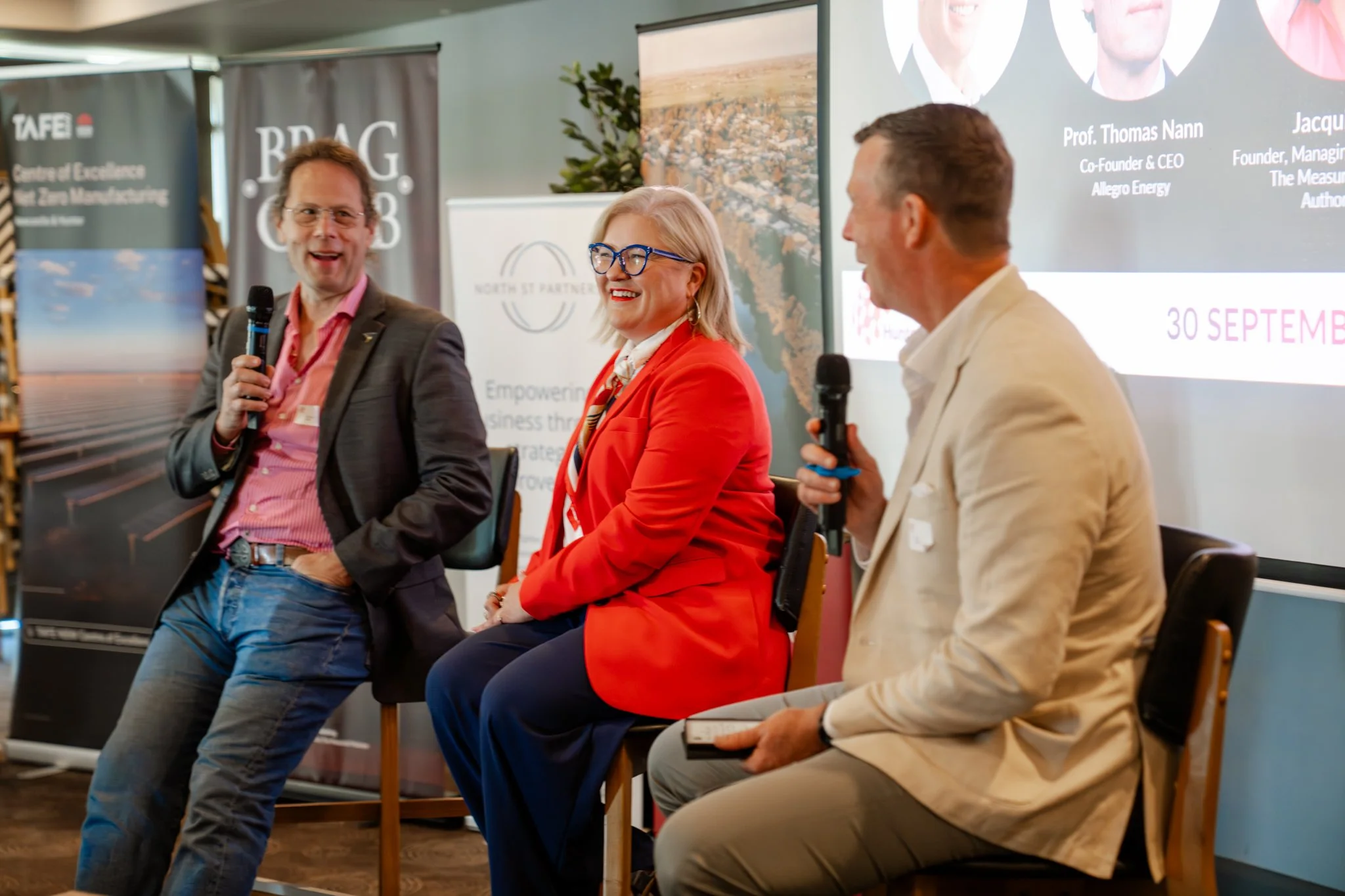
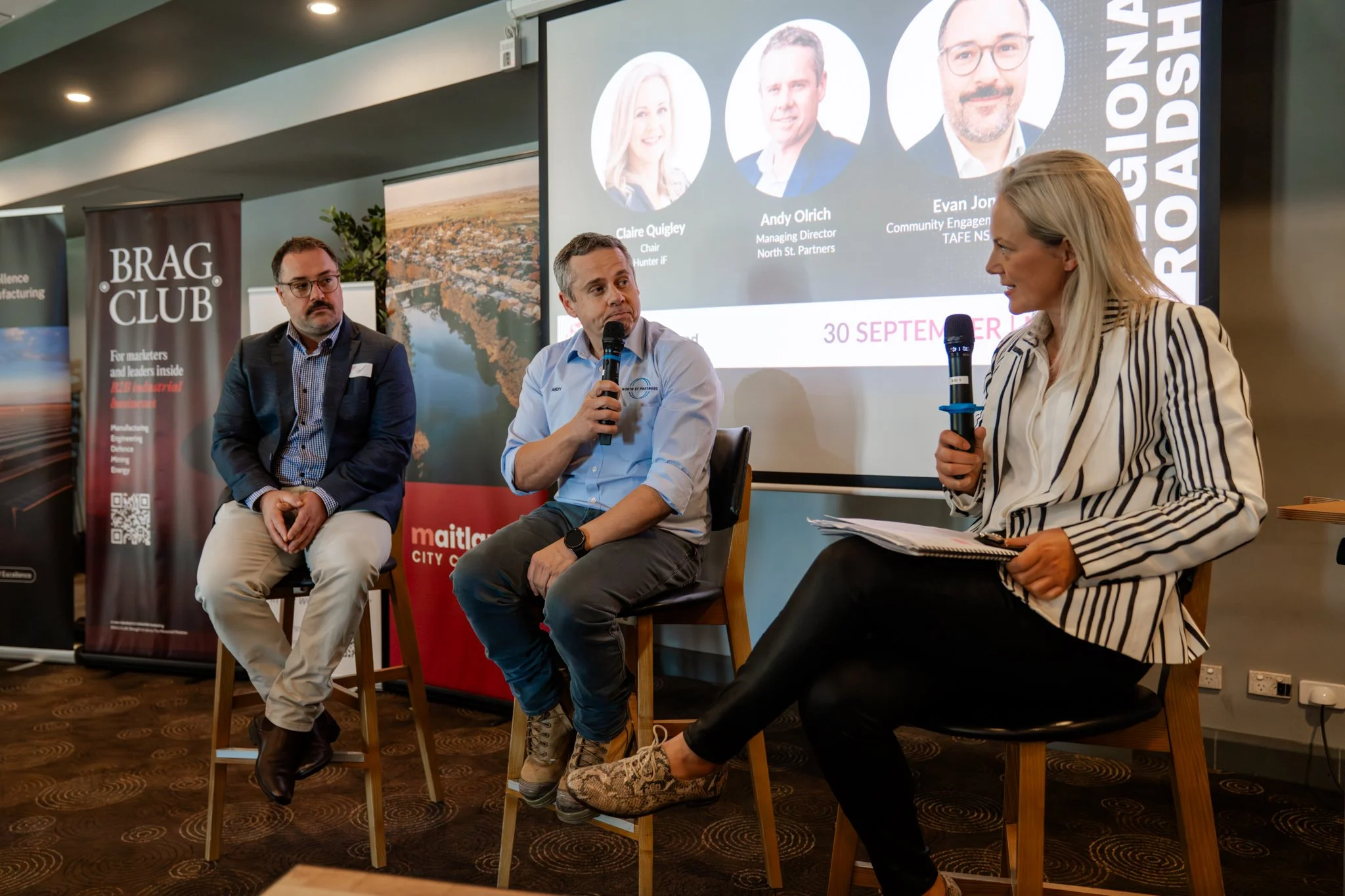
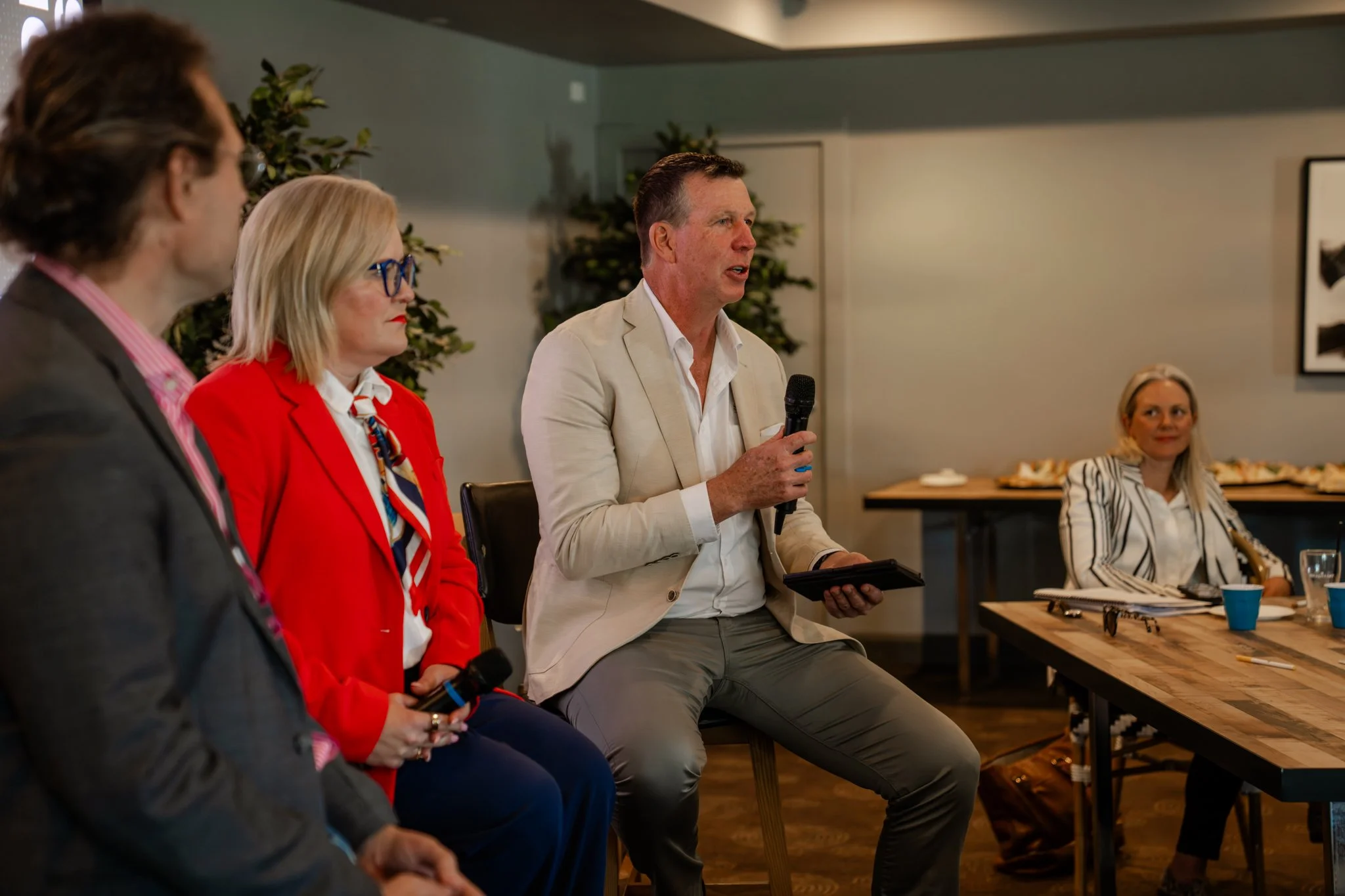
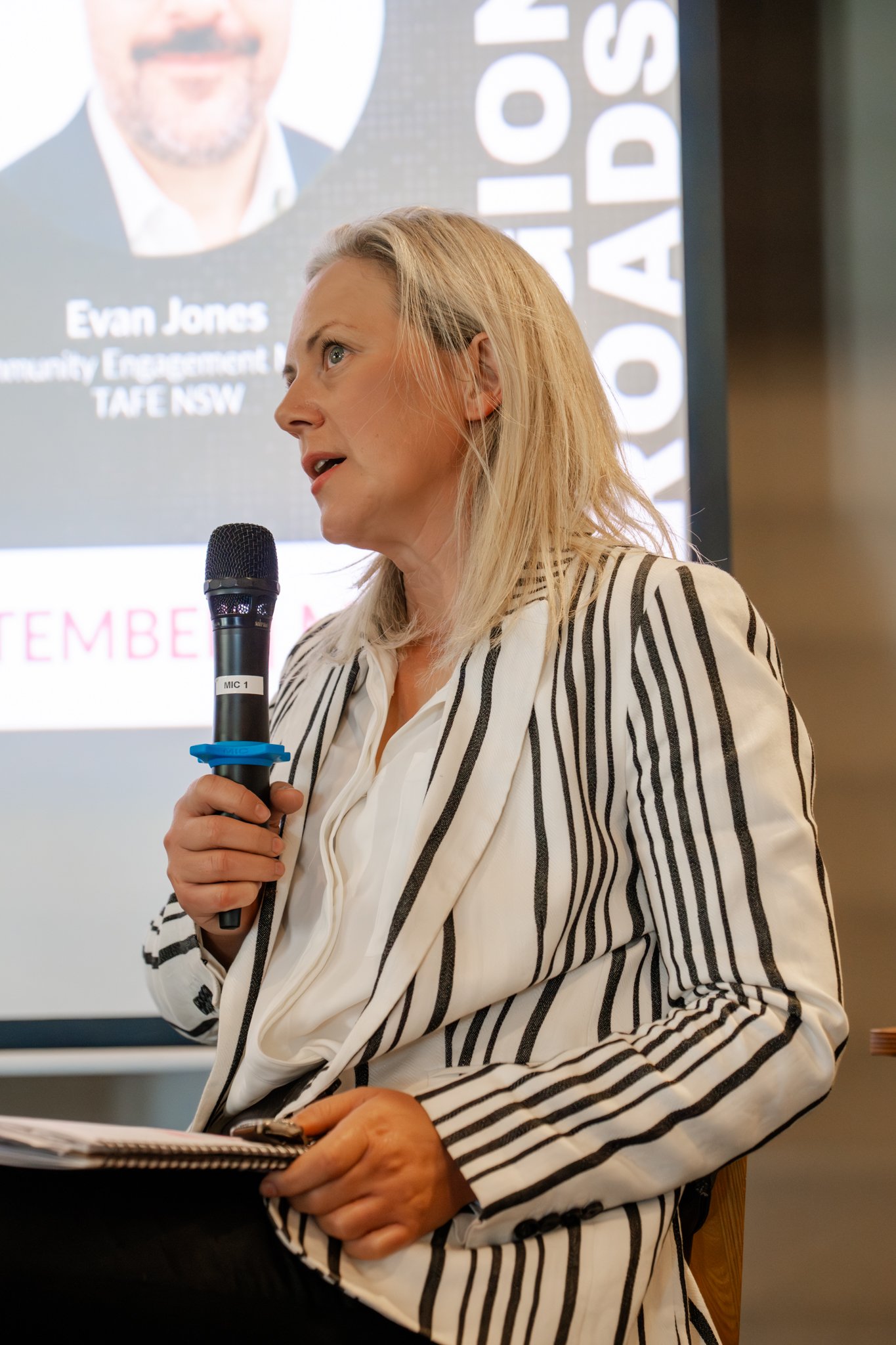
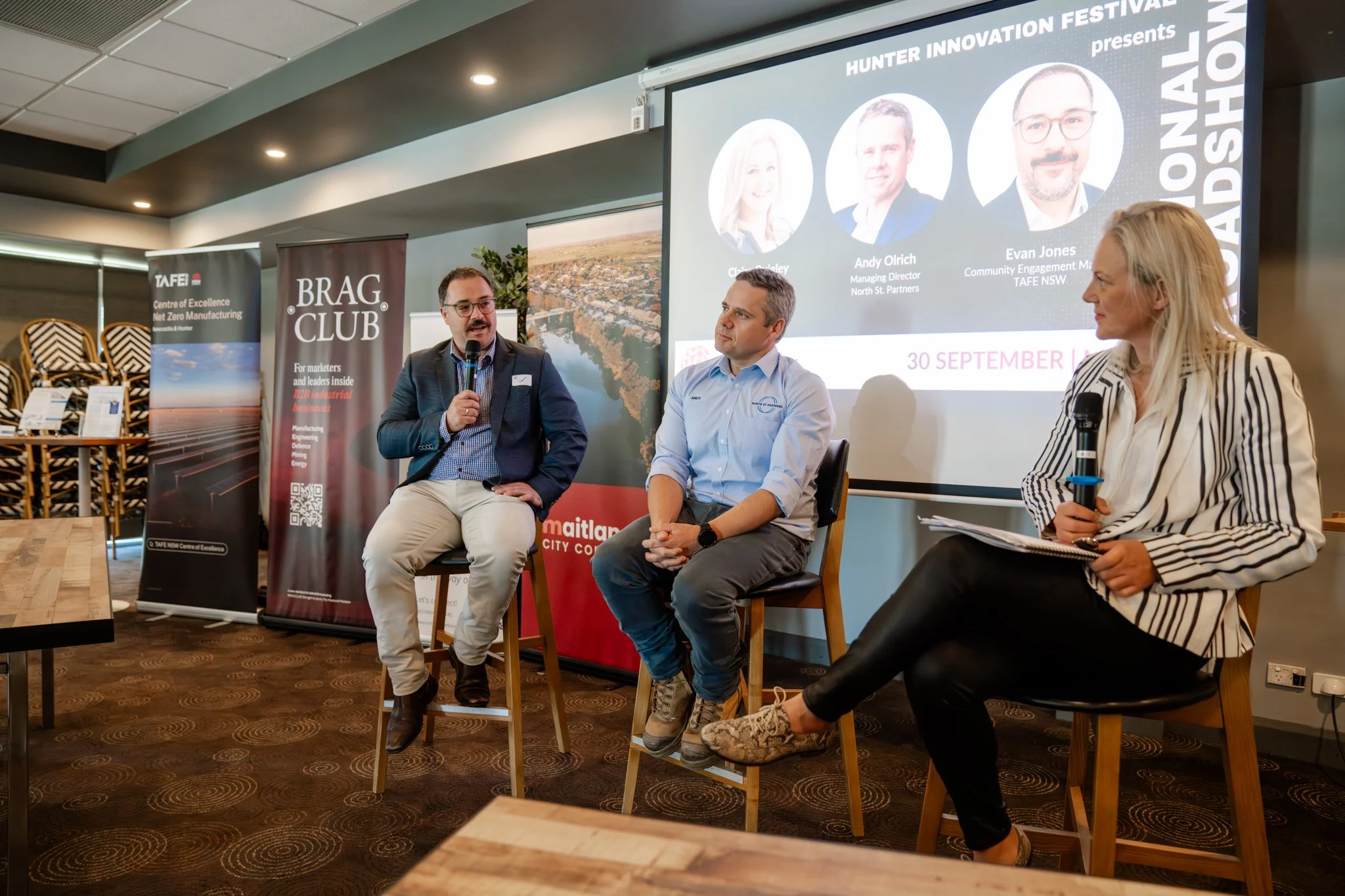
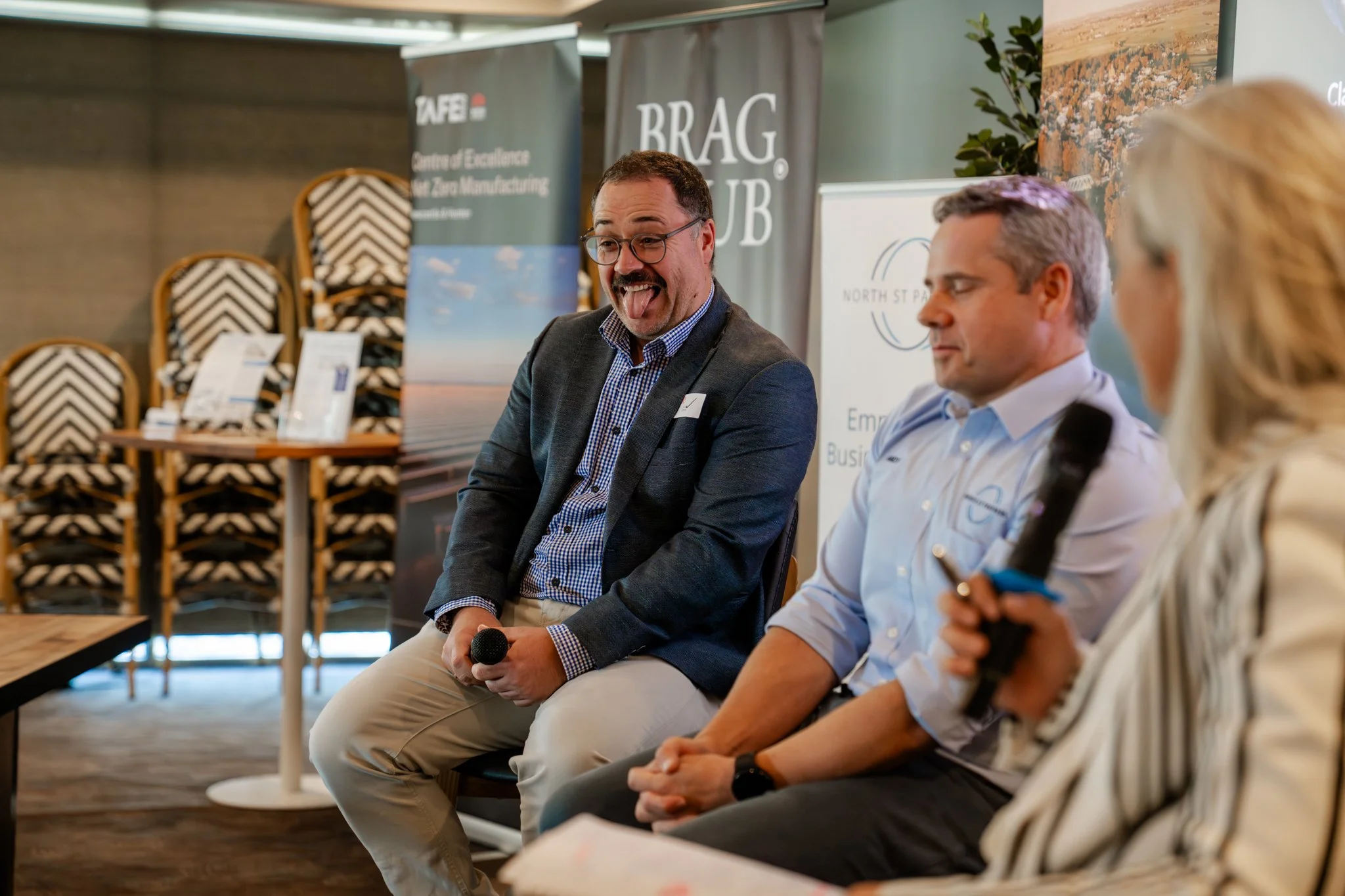
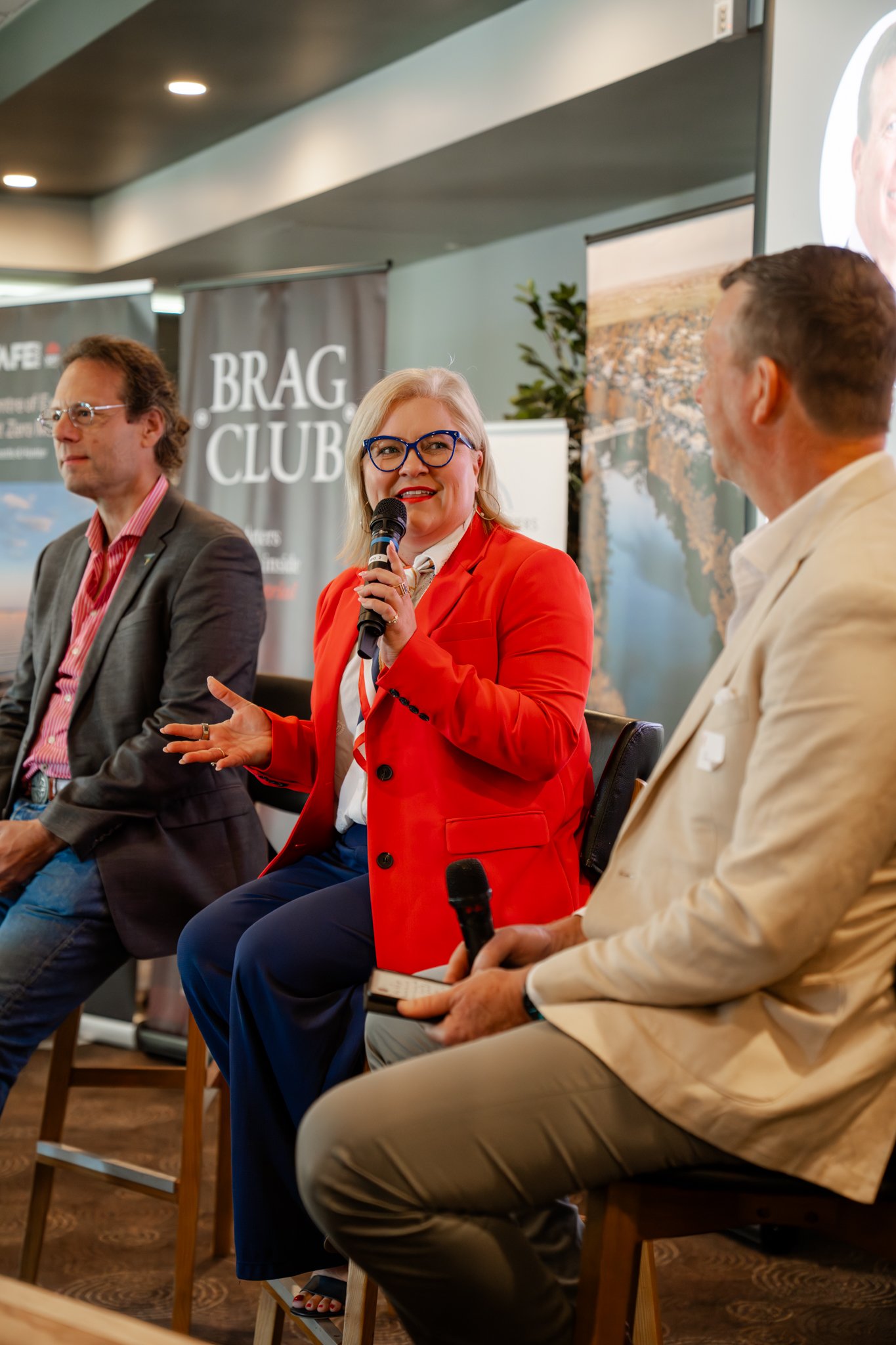
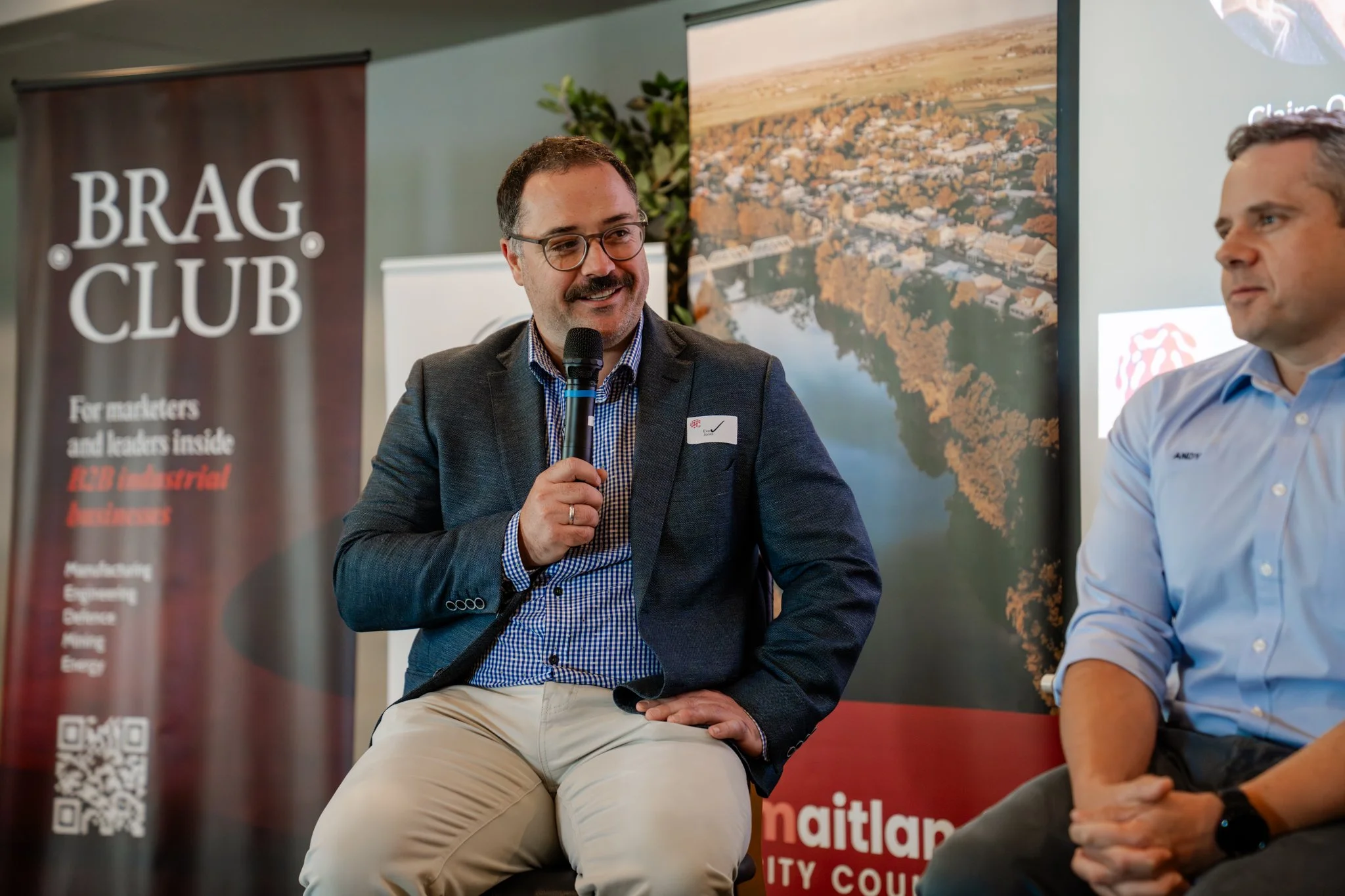
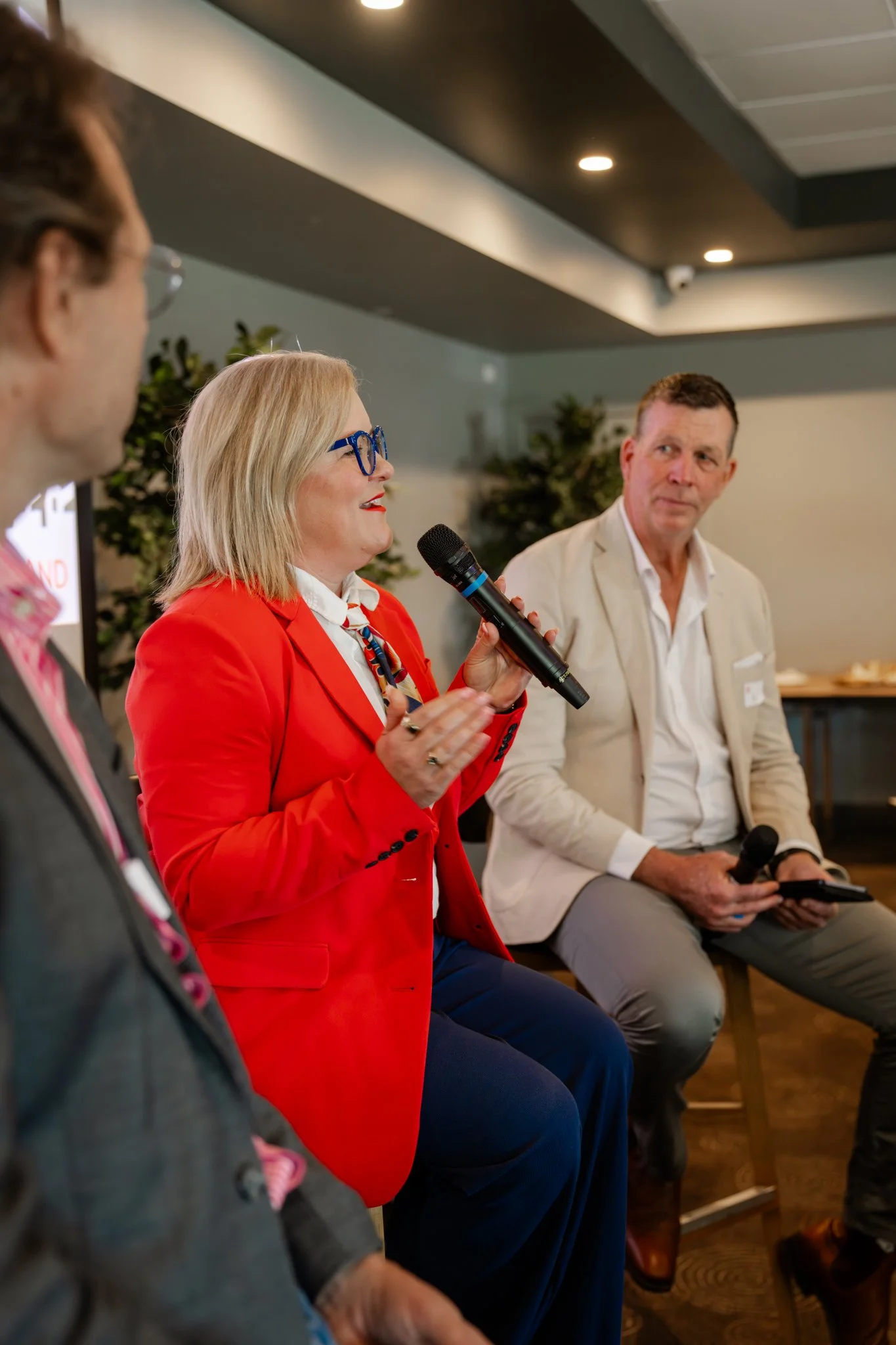
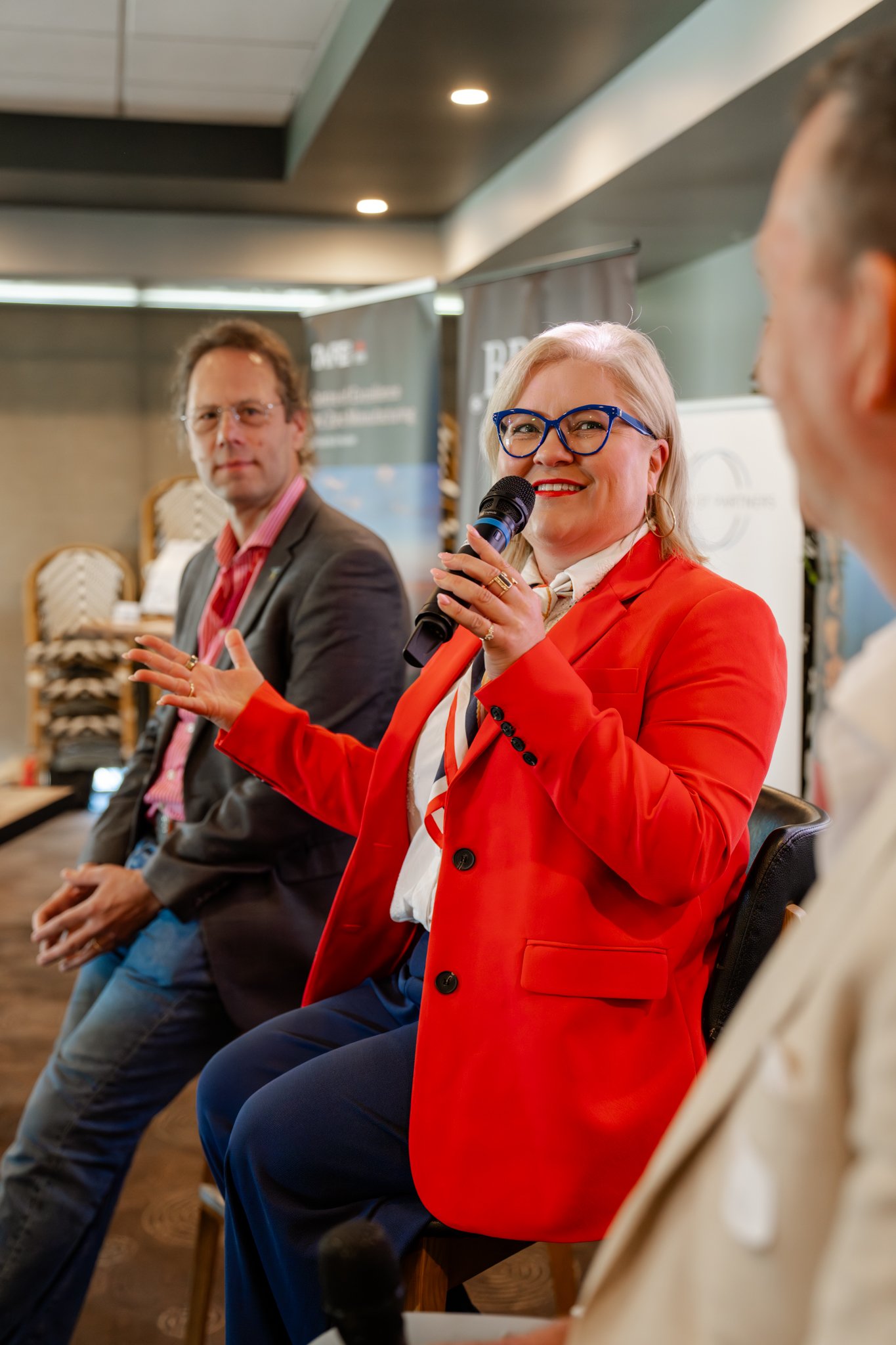
Claire Quigley, Hunter iF Chair, founder of Techteamwhisperer and Outreach and Partnerships lead for the University of Newcastle in the Upper Hunter, brought up Andy Olrich, managing director of North St. Partners, and Evan Jones, manager of community engagement at TAFE NSW..
Olrich works across the floor and the back office, from small enterprises to teams inside global groups. The pattern he described was not a shortage of ideas. It was too many of them, poorly connected.
“A lot of time, a lot of money, a lot of excitement about each team getting a shiny thing. But it’s not connected well,” he said. “It’s that tension around the right speed, without being too slow or too fast.”
He is seeing the same tension on the road. “There are businesses being left behind because they are unsure where innovation fits, or what that word even means for them. And I’m never ceased to be amazed at the little pockets you go to, where you’ll find a really innovative business right there. It’s just about connecting the other businesses in with them.”
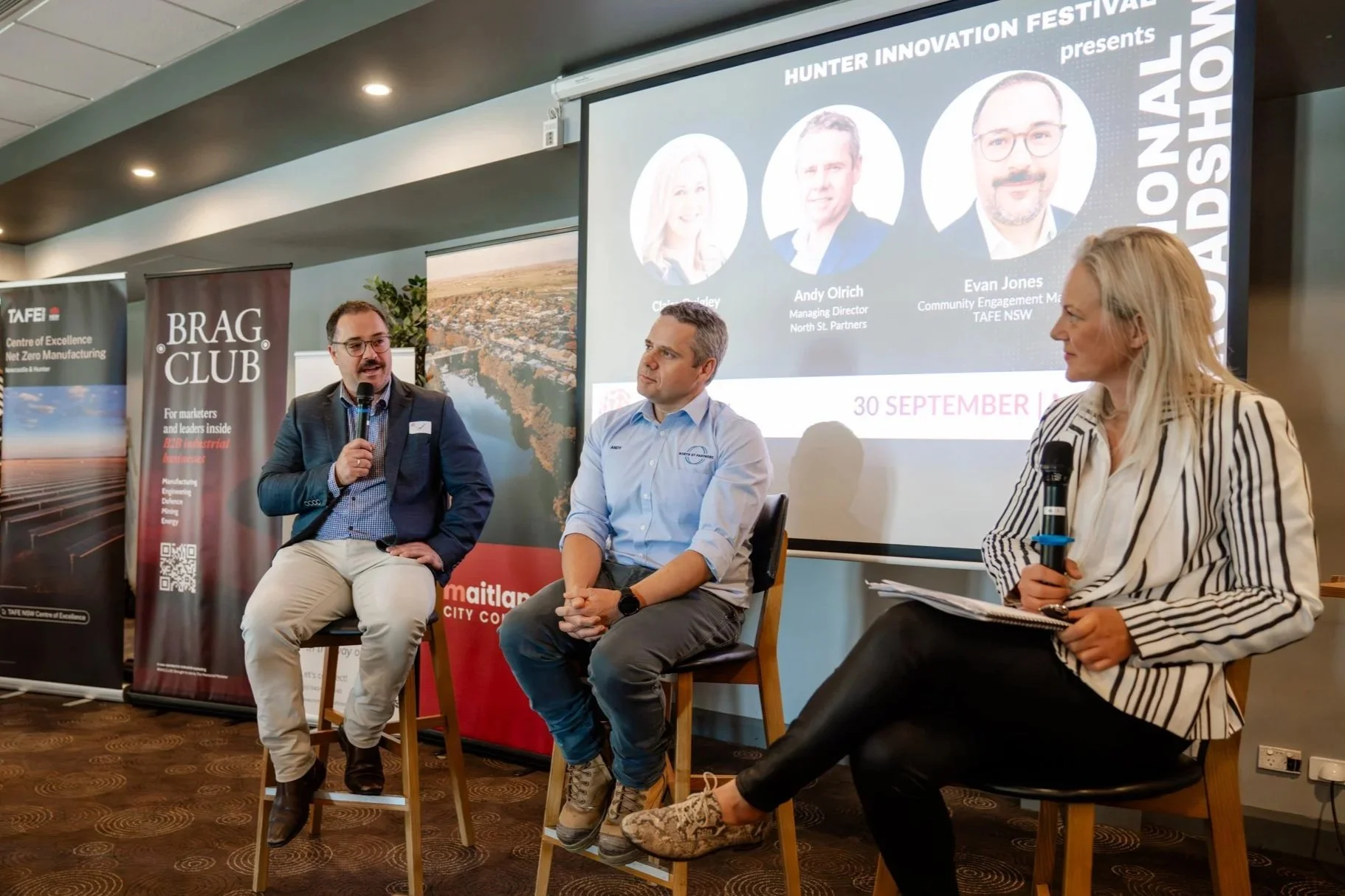
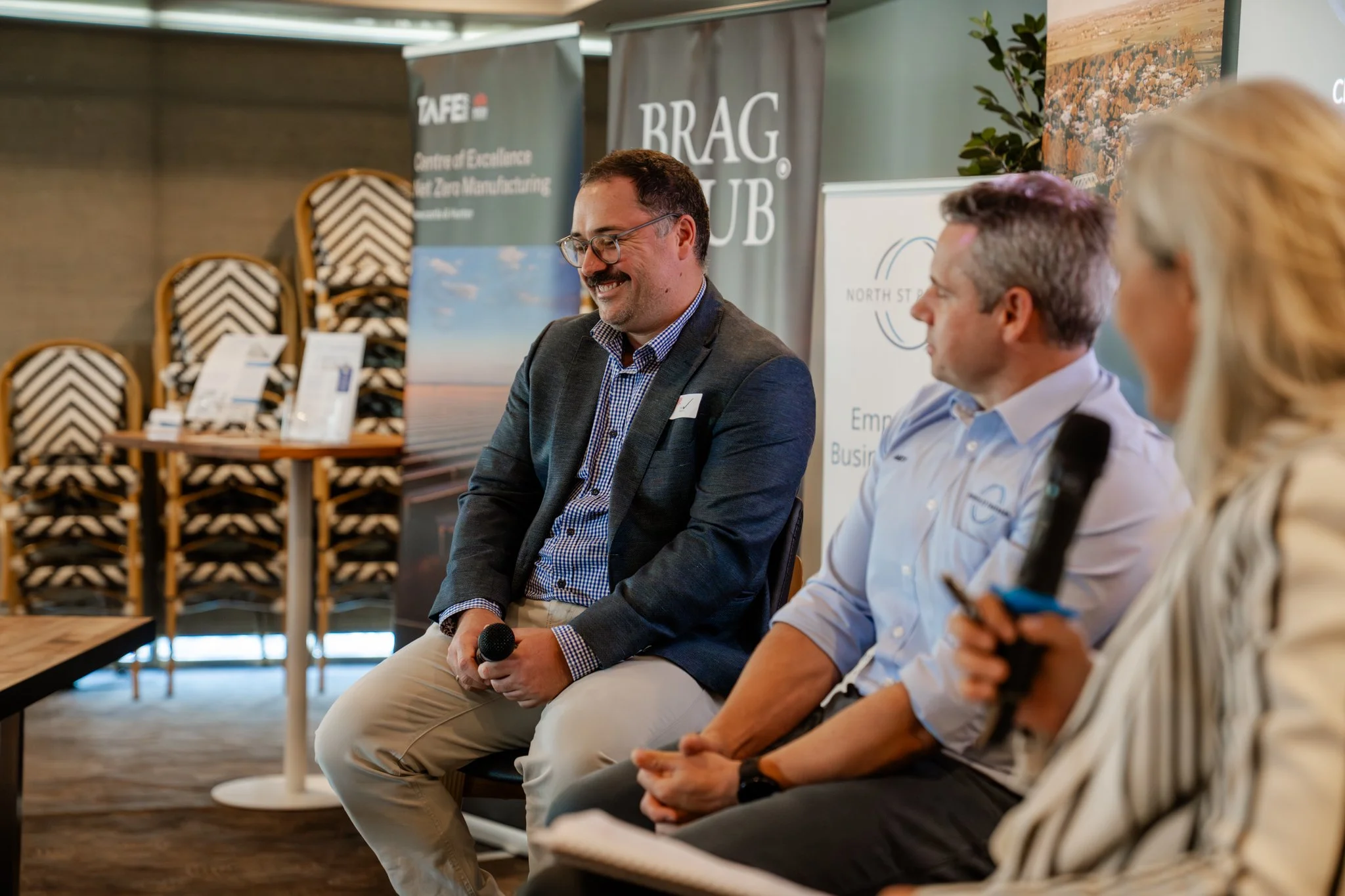
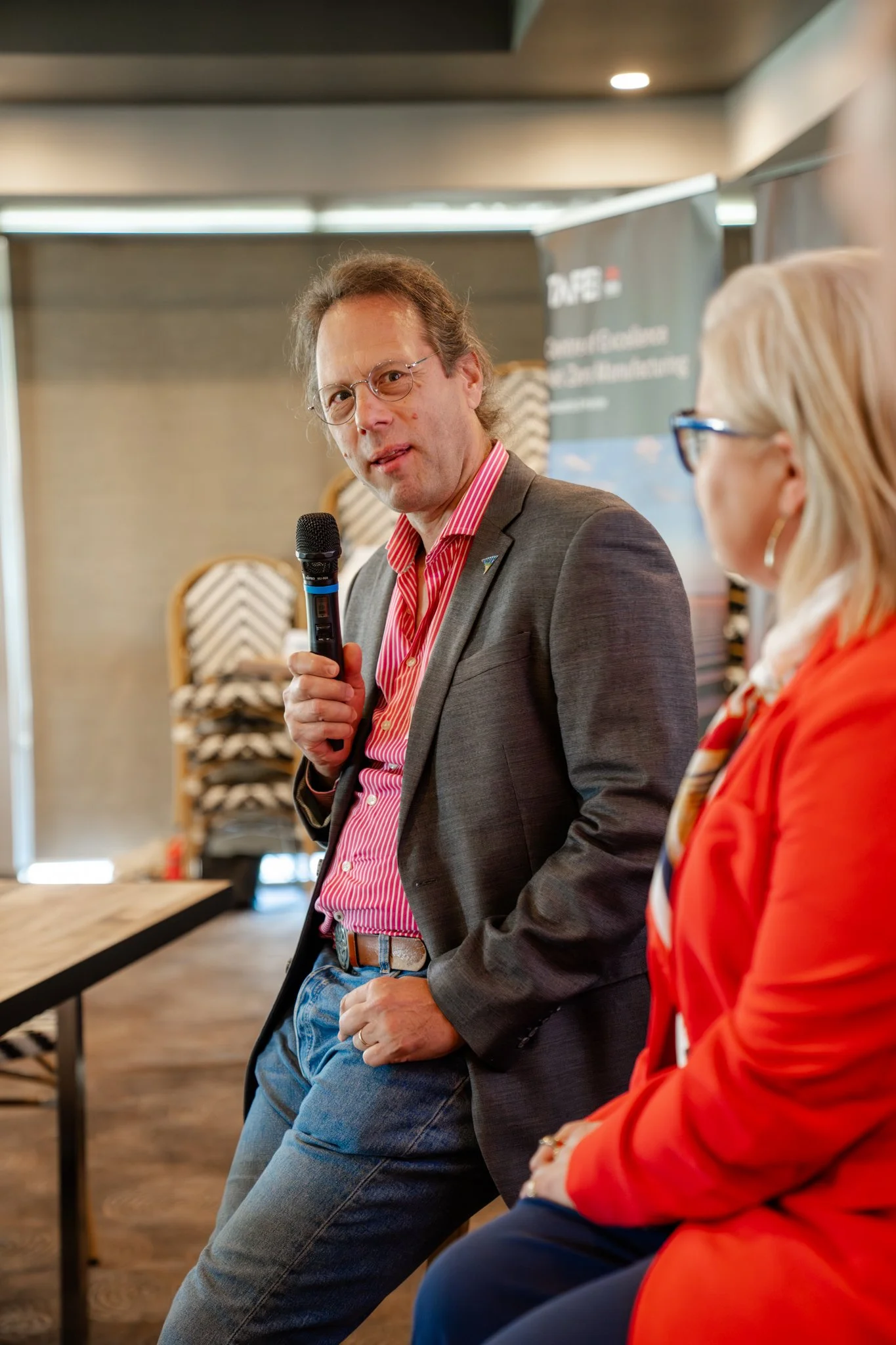
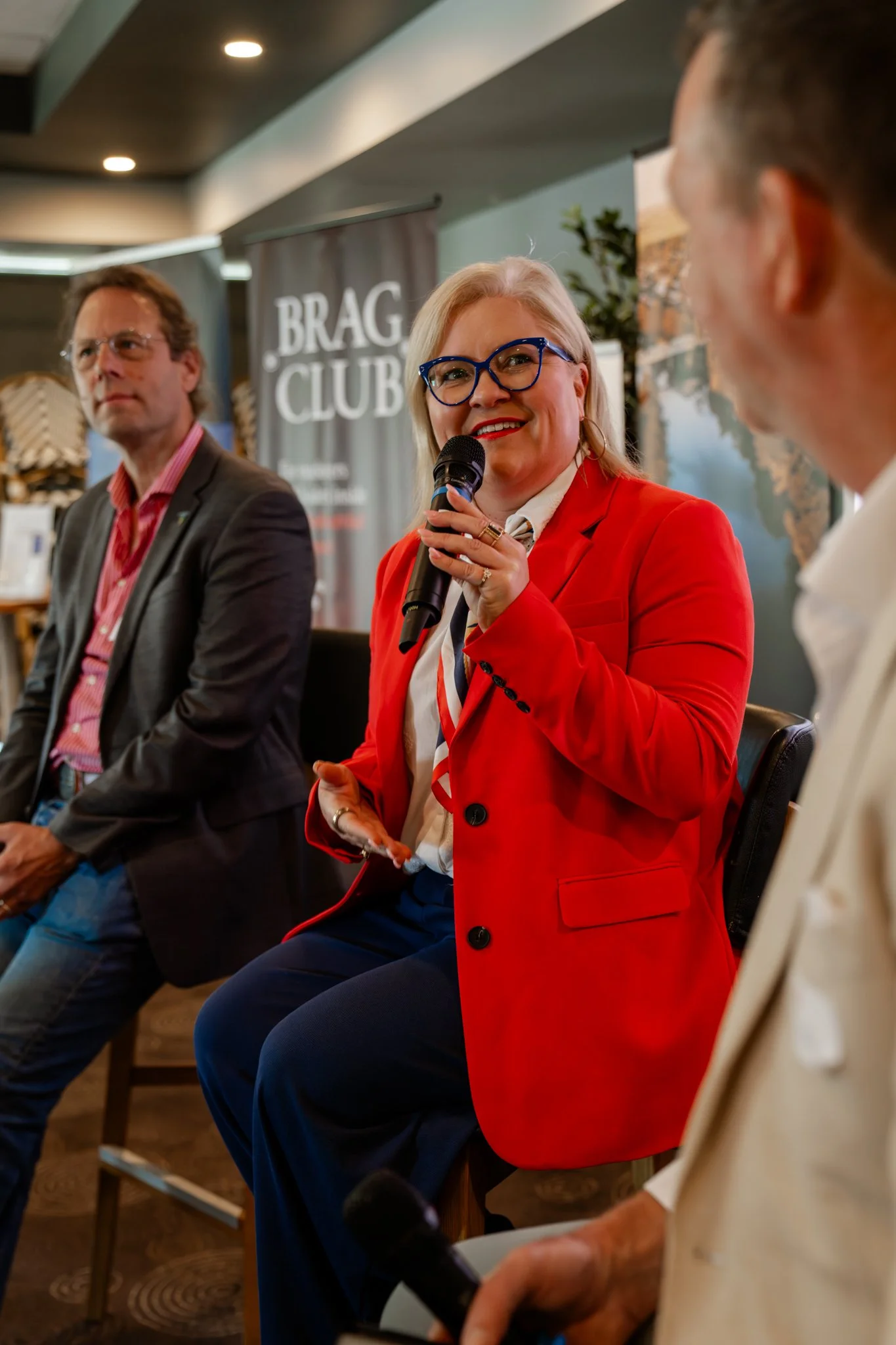
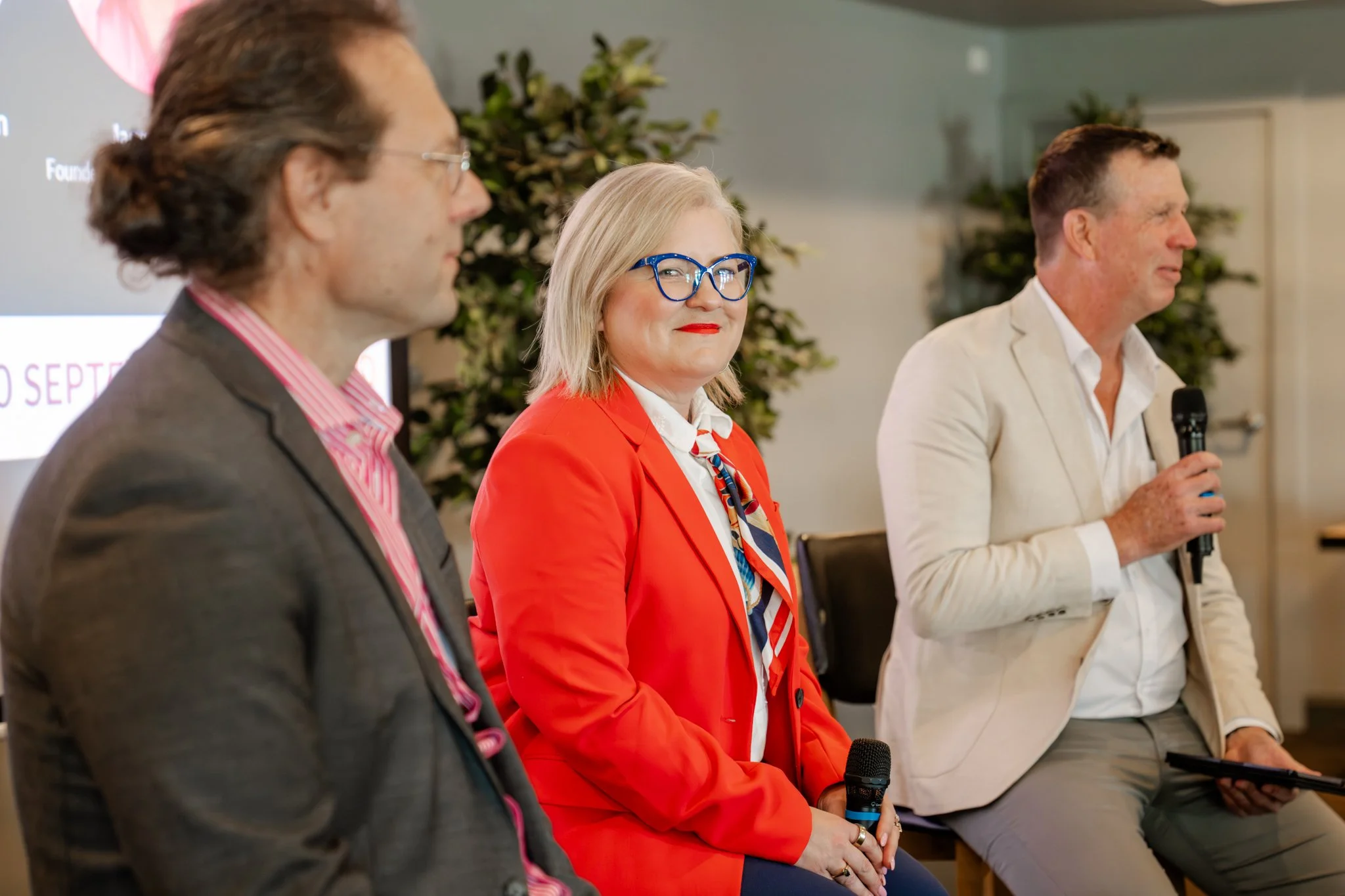
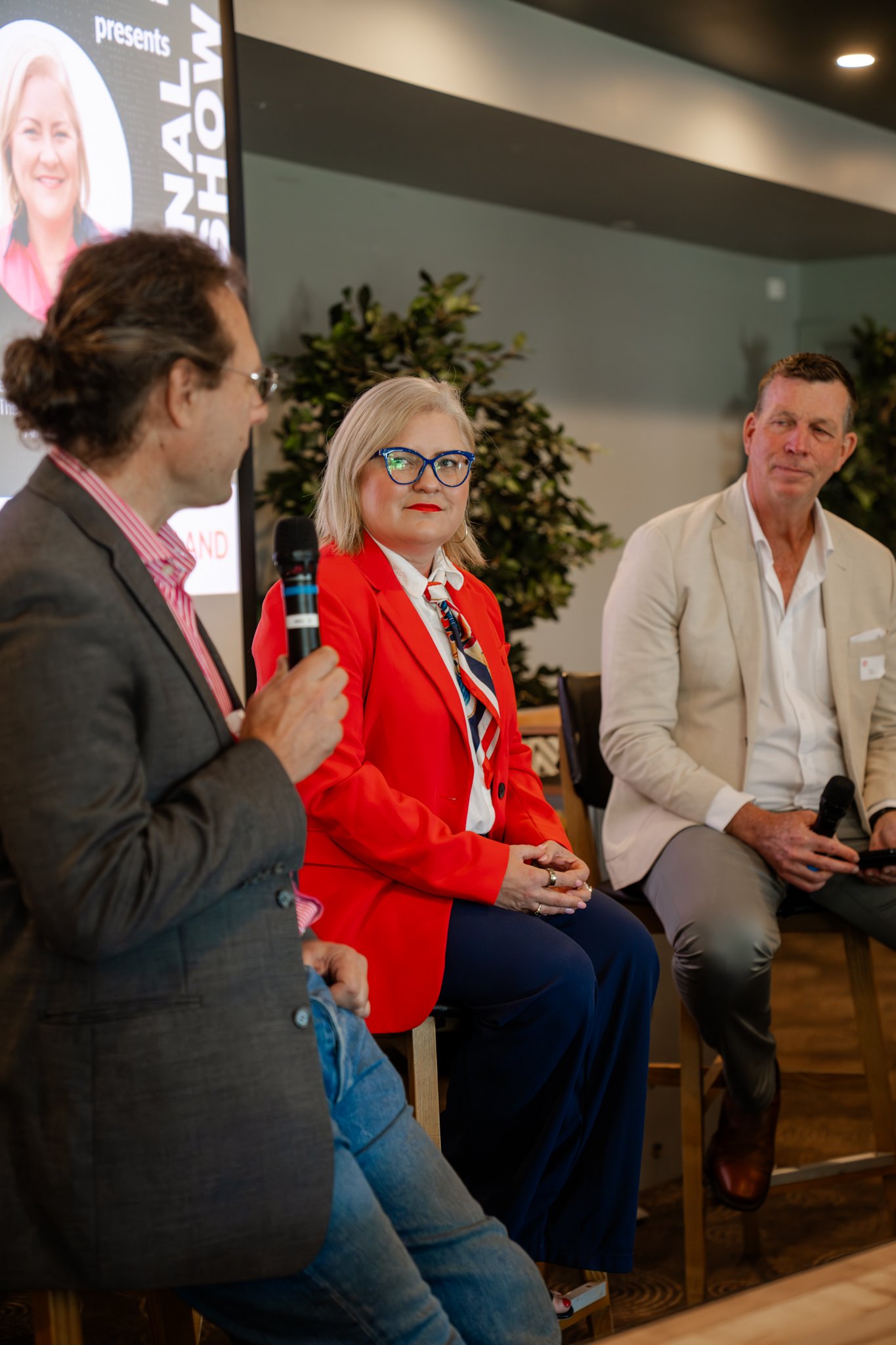
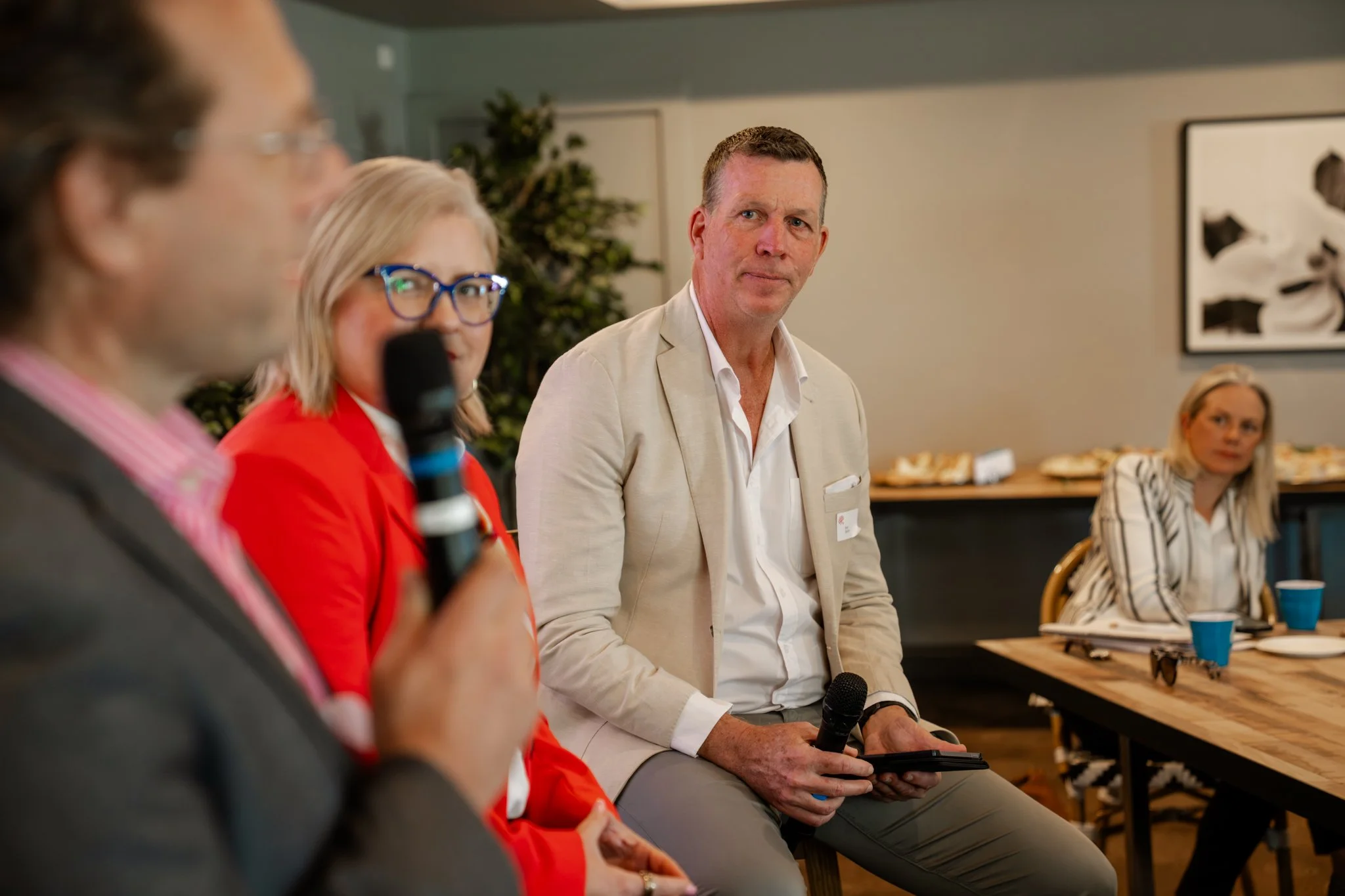
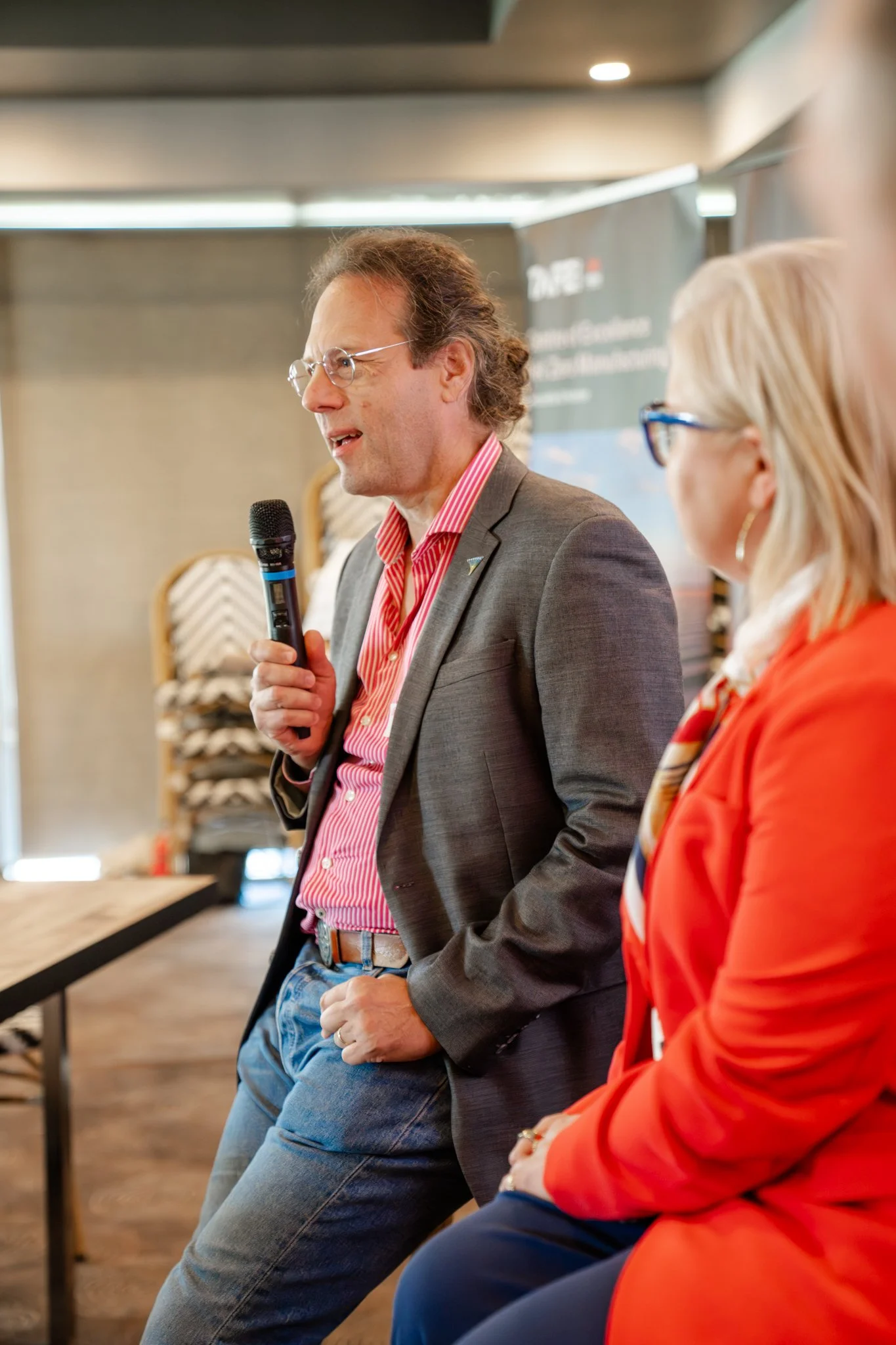
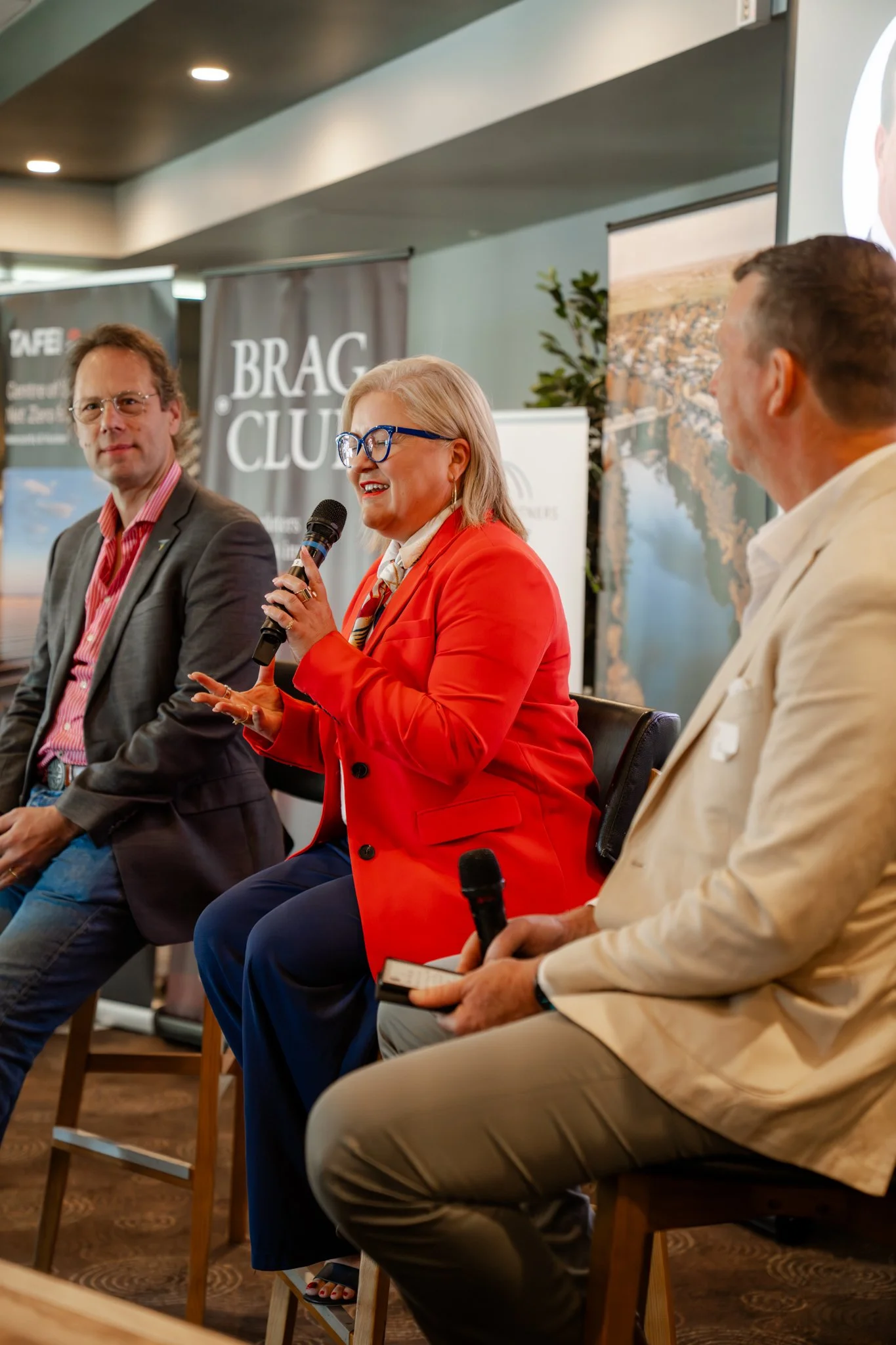
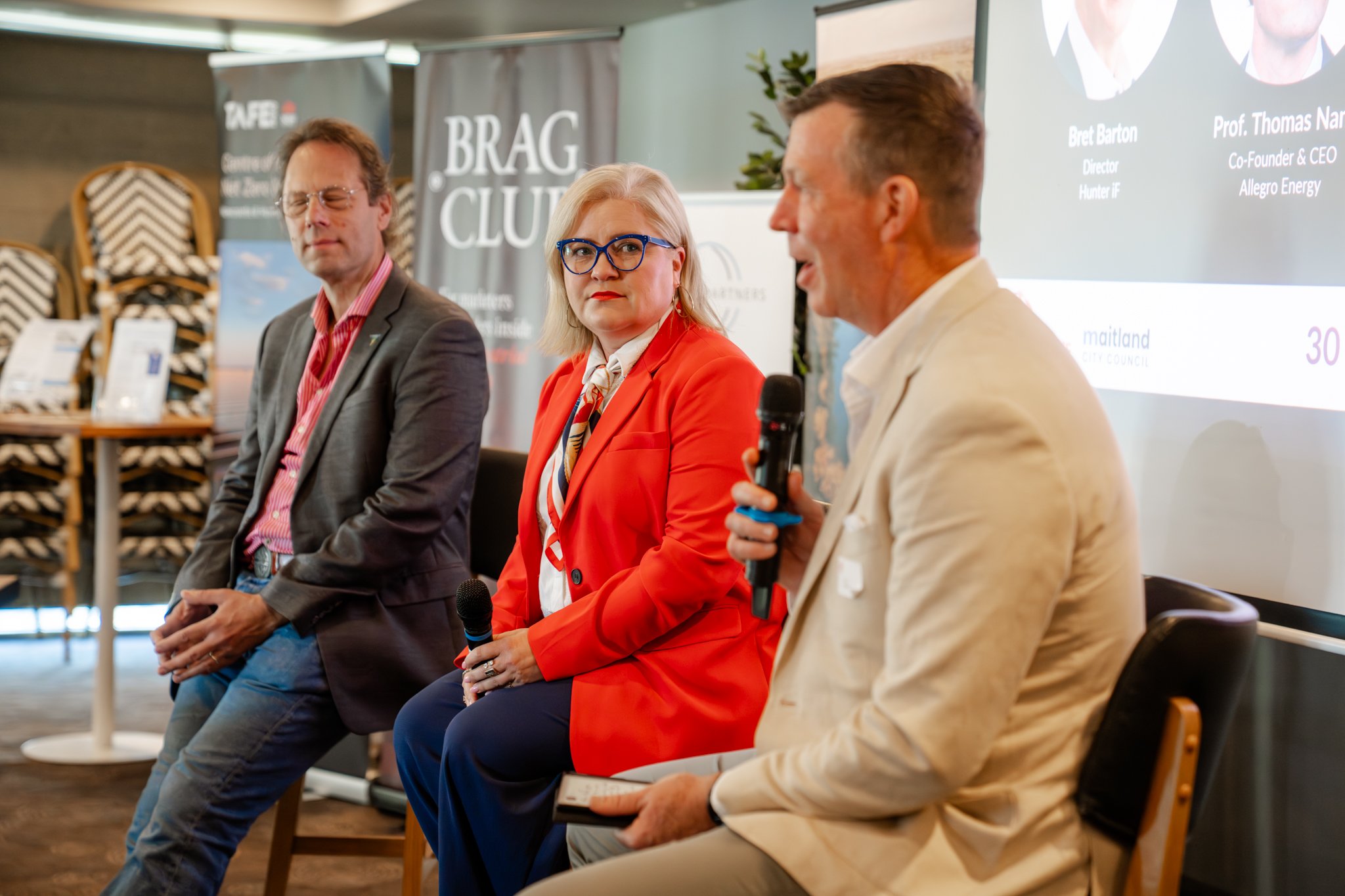
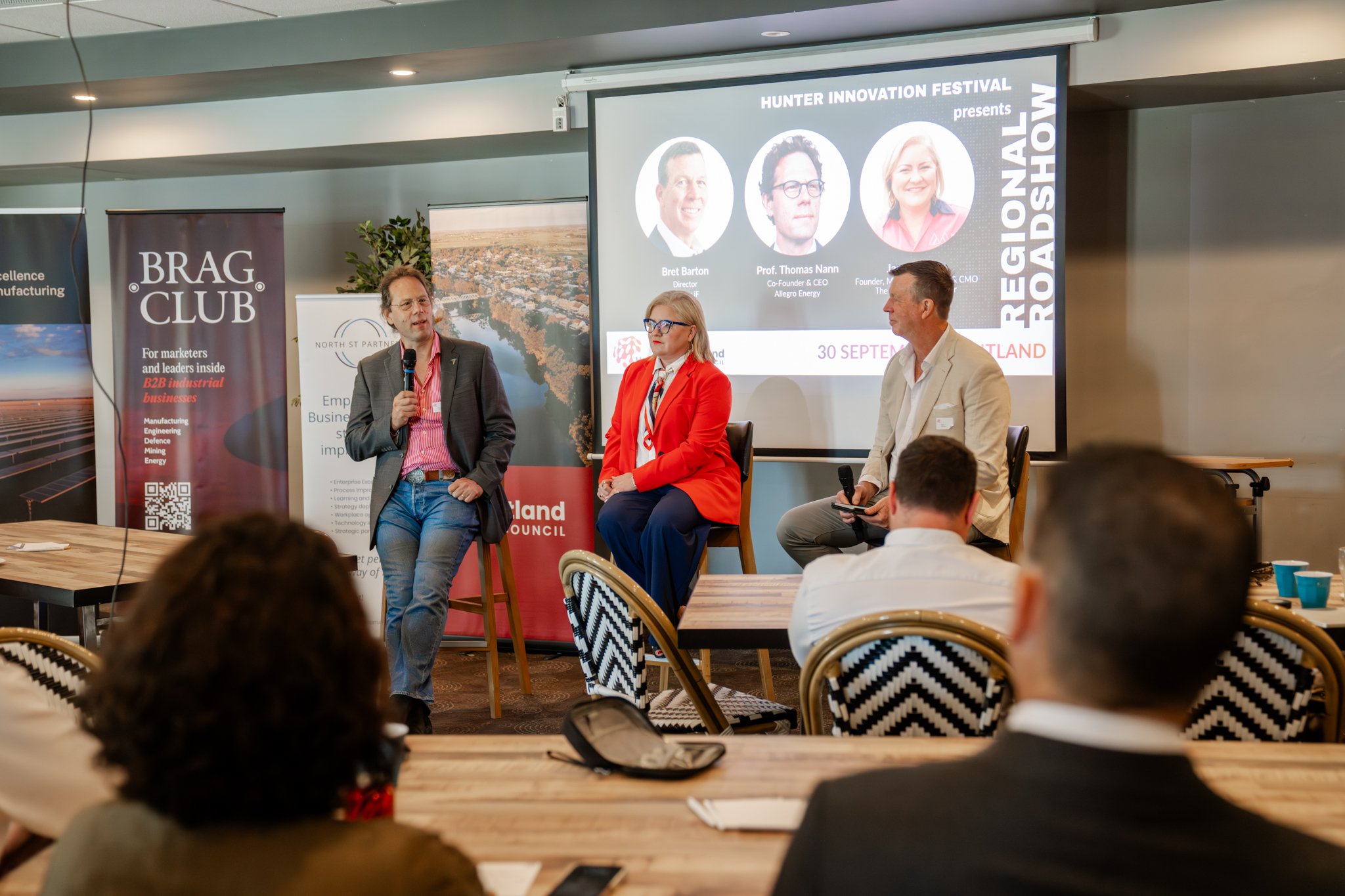
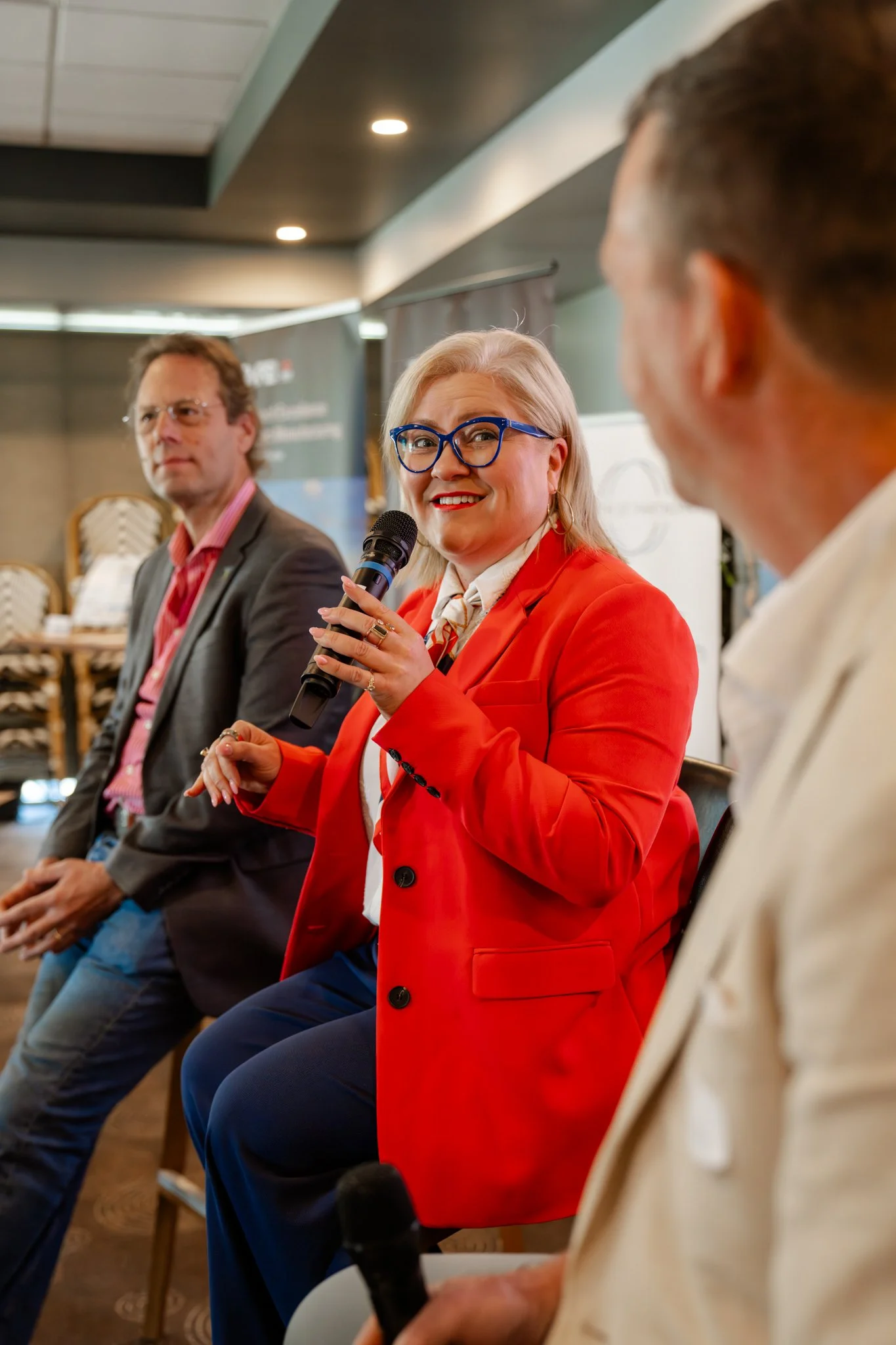
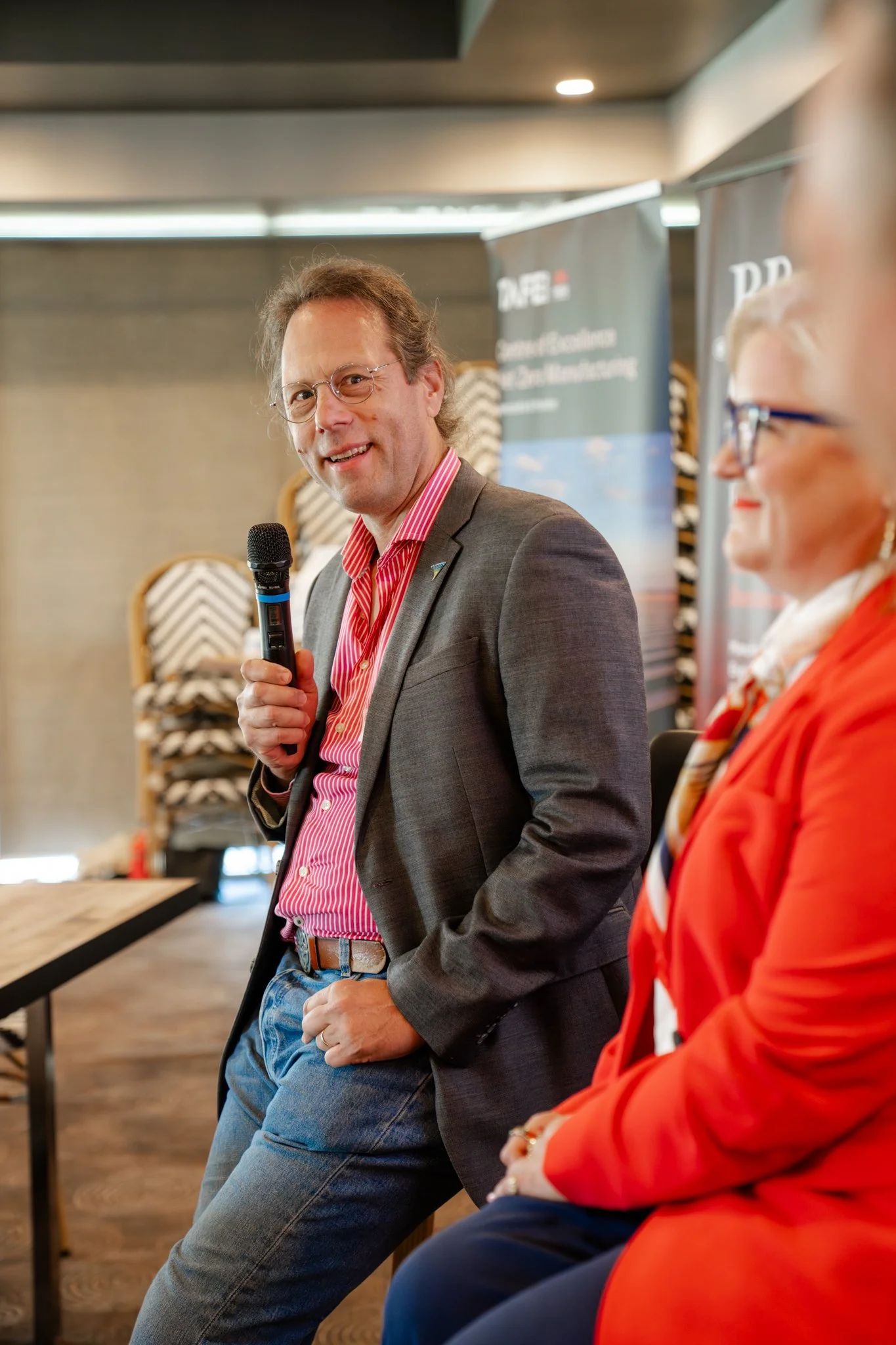
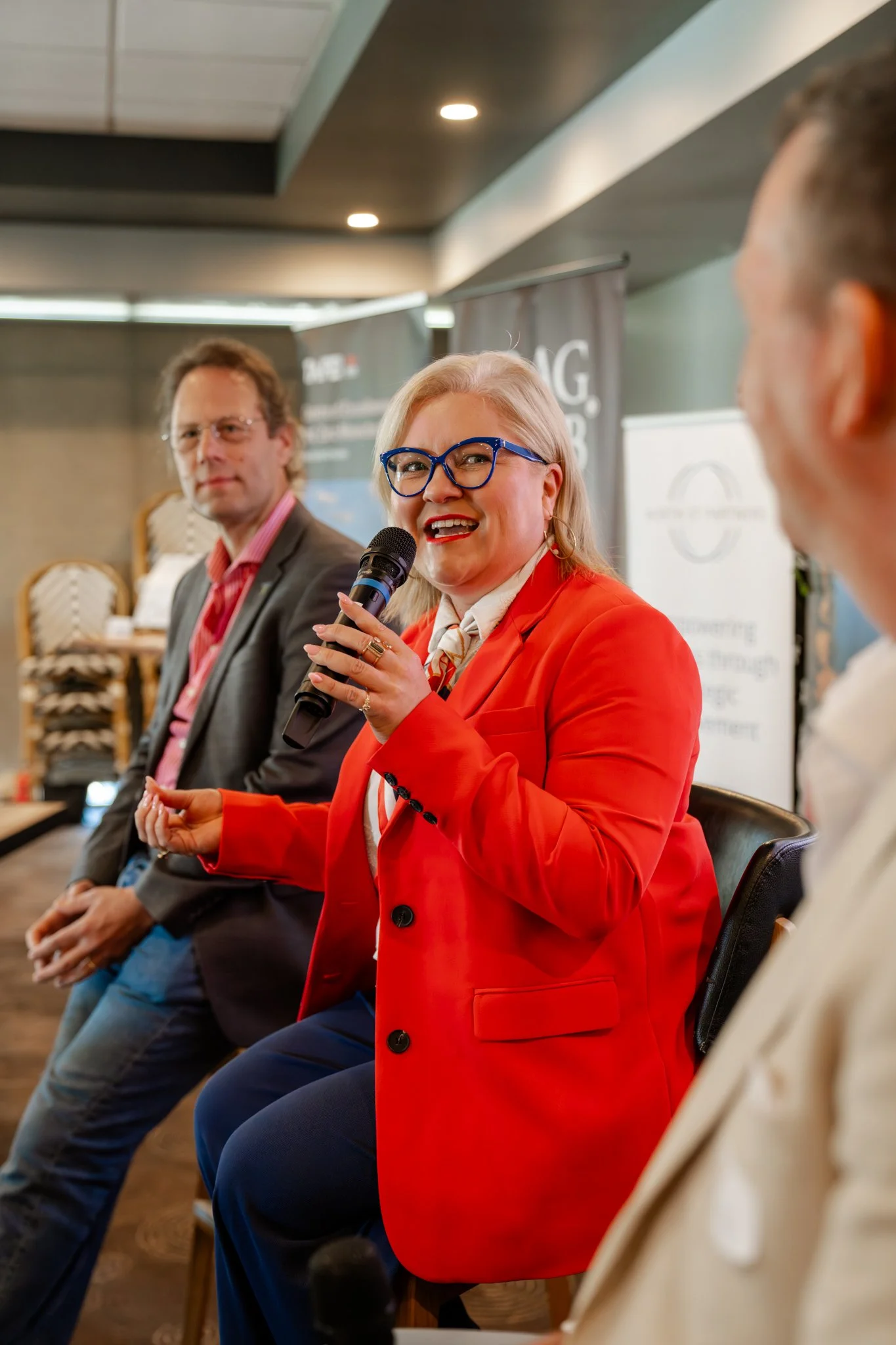
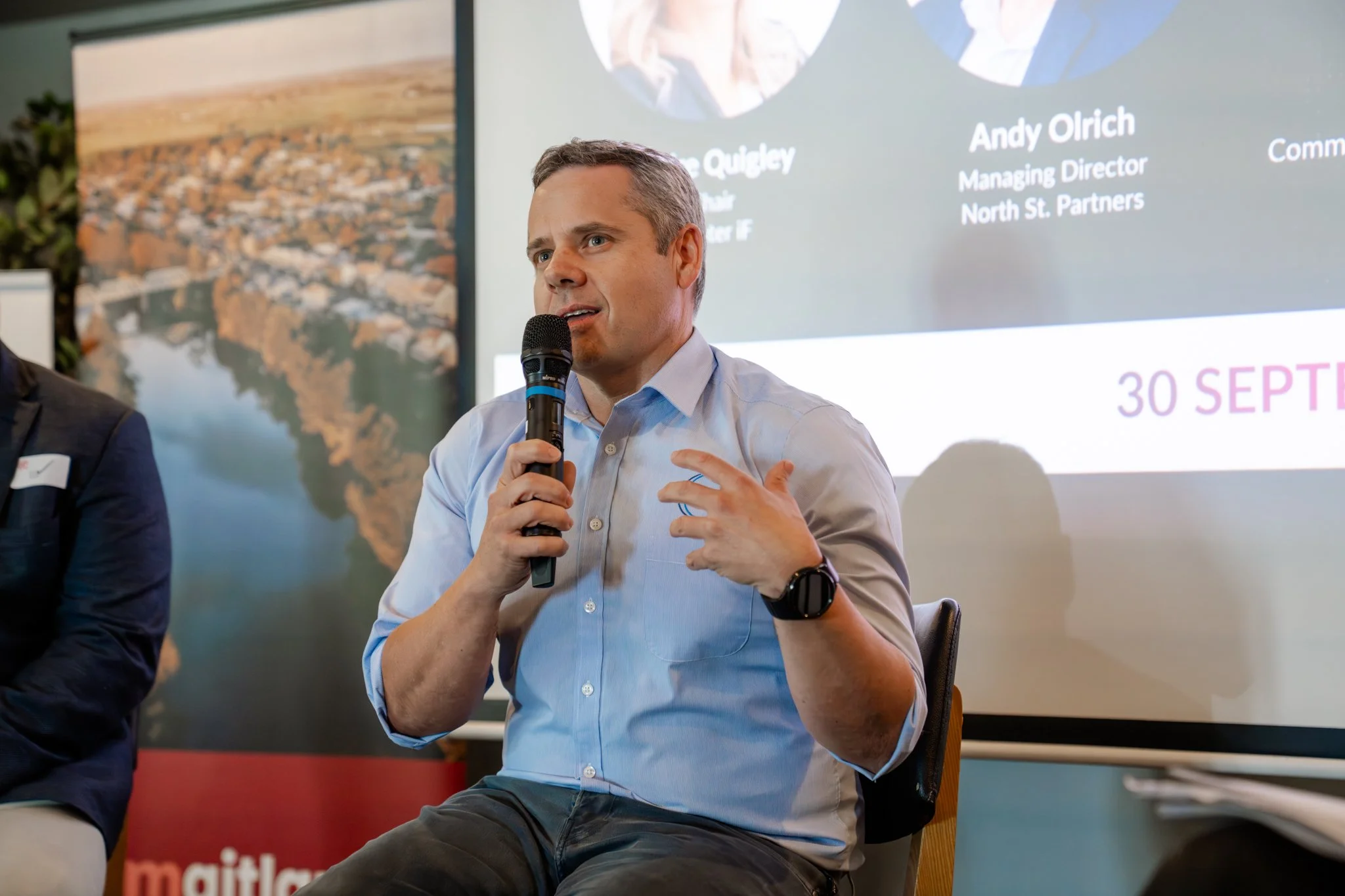
Evan Jones | Andy Olrich | Claire Quigley
Too often, he said, what arrives is “solutions looking for a problem.” His job is narrower than that. “I use the phrase shining a torch in a dark room. What’s the current state? What’s the pain, really, and what’s it costing? So we can do nothing. Or the risk if we stay where we are.”
The other half of the job is the people who have to keep using whatever gets bought. “There’s the technical side of change, which is obviously a lot of what people naturally gravitate to. The other part is the people’s side of change. They’re the ones who hang around and have to keep using it.” He has already seen the other version. “We went and bought all this stuff and the people weren’t ready.”
What leaders want, he said, is not a twelve-month promise. “They want to see small, simple, now. Show me I’m getting money back, or people are excited.” A sensible starting point, in his view, is the work nobody wants: “dirty, difficult, dangerous.” And if a new tool or a training unit is worth seeing, take it to the factory. “One thing they don’t have a lot of is time, especially to send someone somewhere to look at something that might be of interest.”
Jones picked up the skills side of the same problem. TAFE NSW is part of a national network of TAFE Centres of Excellence aimed at critical shortages and sovereign manufacturing capability. New South Wales has three.
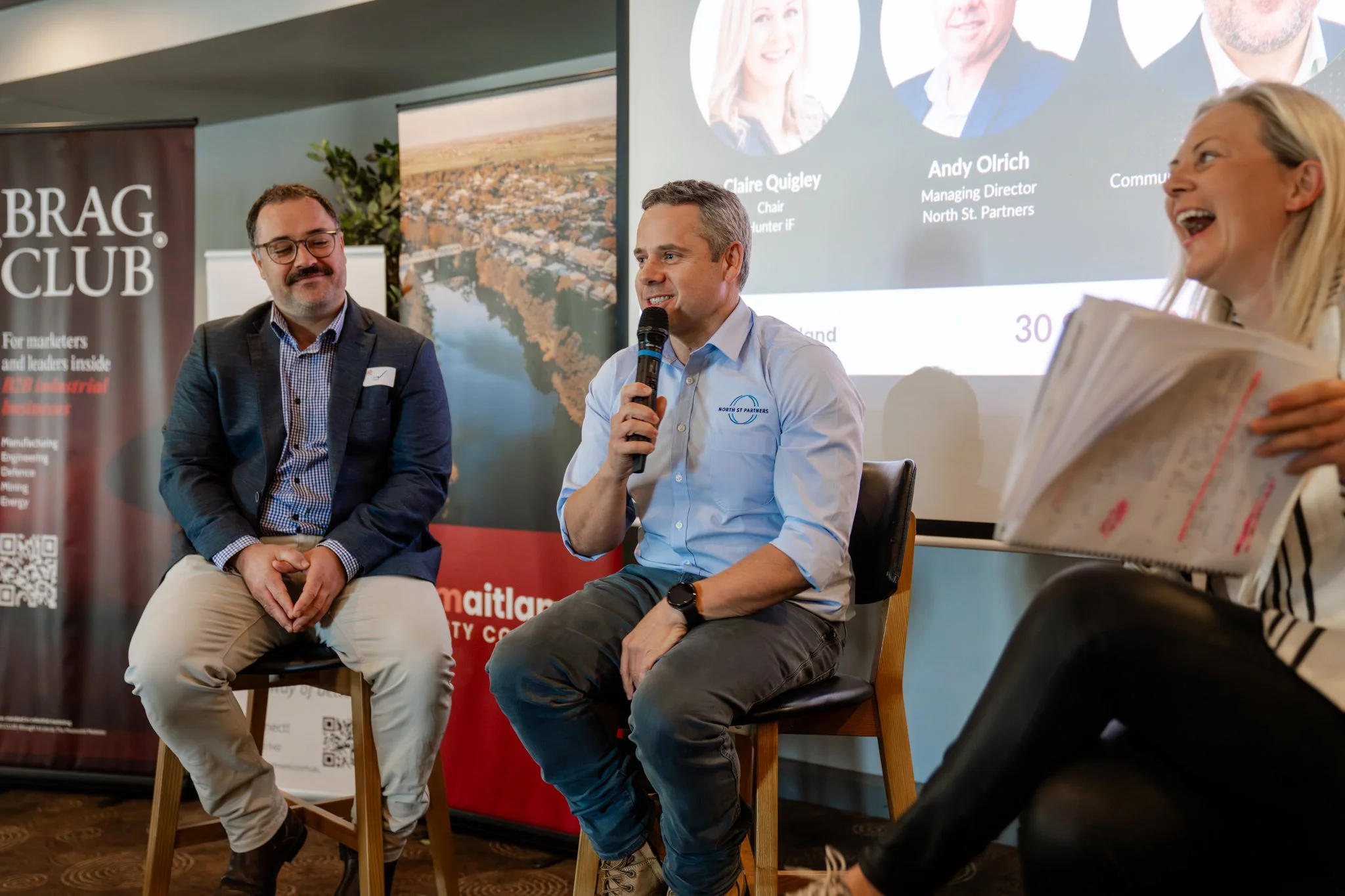
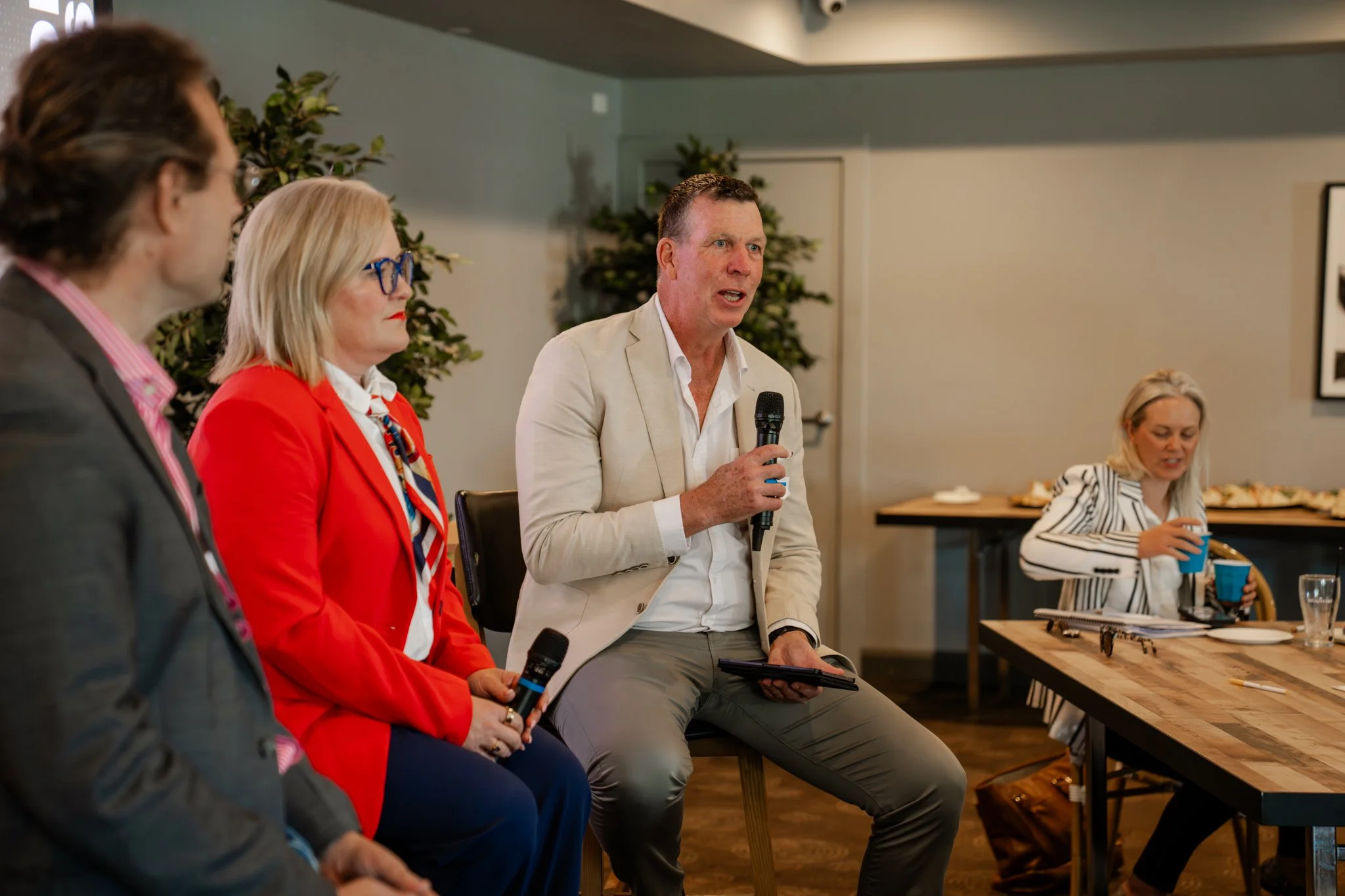
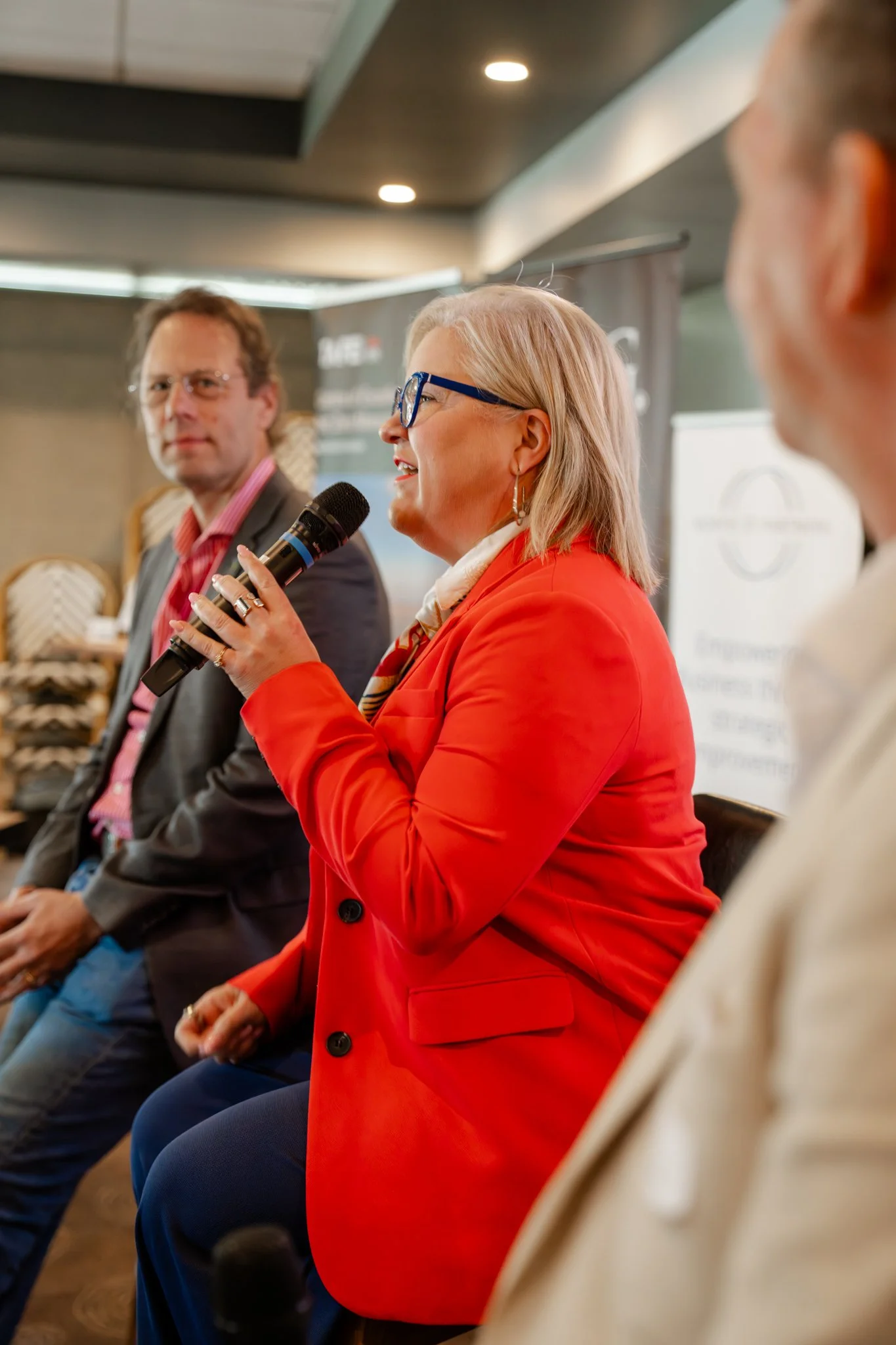
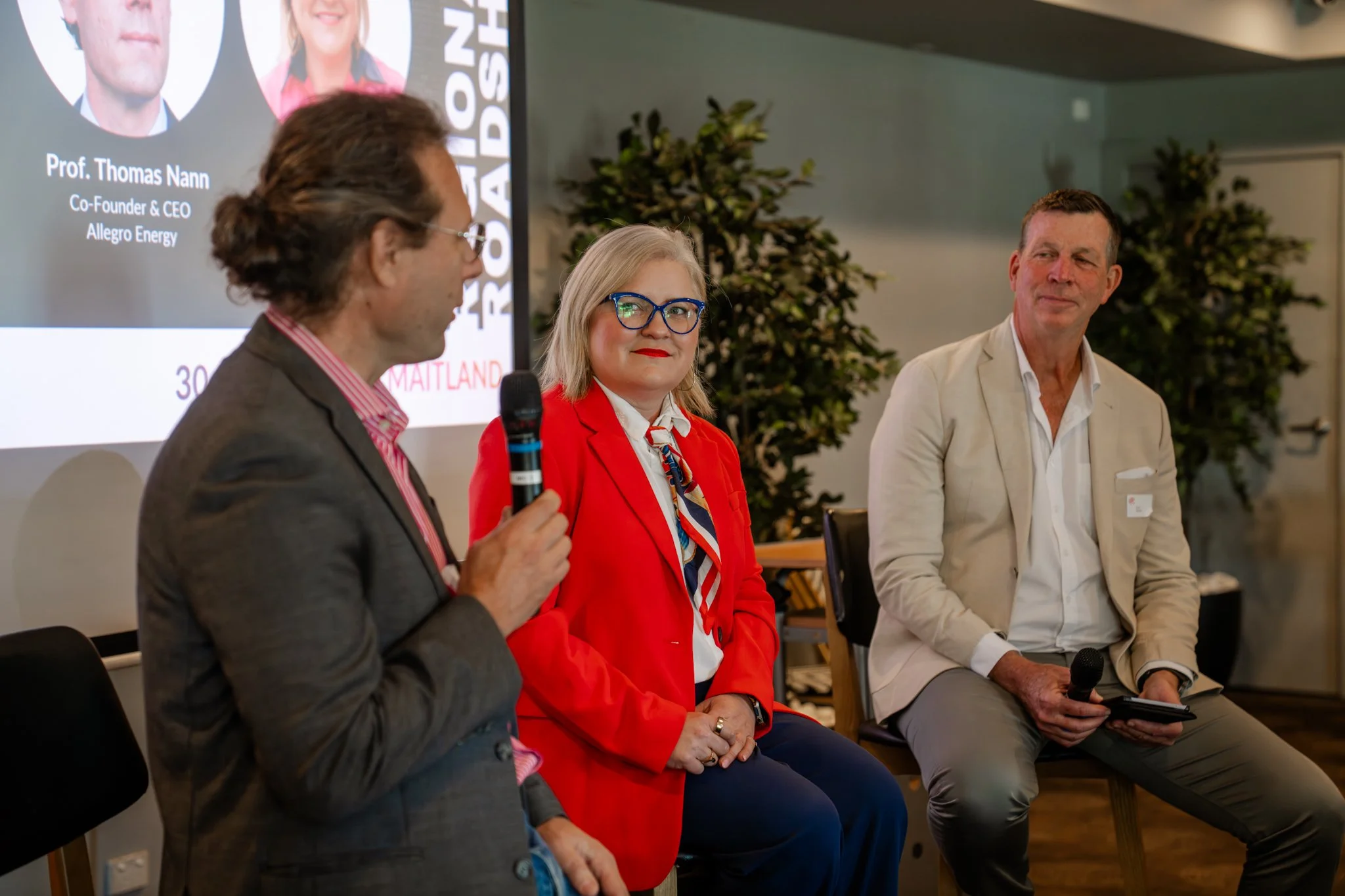
Evan Jones | Andy Olrich | Claire Quigley
“There’s a centre for the Hunter region focused on net zero. Wollongong’s got one on heavy defence and heavy manufacturing, and Western Sydney has one on modern manufacturing and robotics,” he said. “Net zero extends into sustainability and circular economy and all the emerging renewable energy industries that will power this region. The skills and manufacturing techniques developed there are exportable, because it’s a national TAFE network.”
The Hunter centre is being built at Tighes Hill, with facilities due from the back end of 2027 into 2028. Some classes have already started. Bricks and mortar, Jones said, is only one part of it.
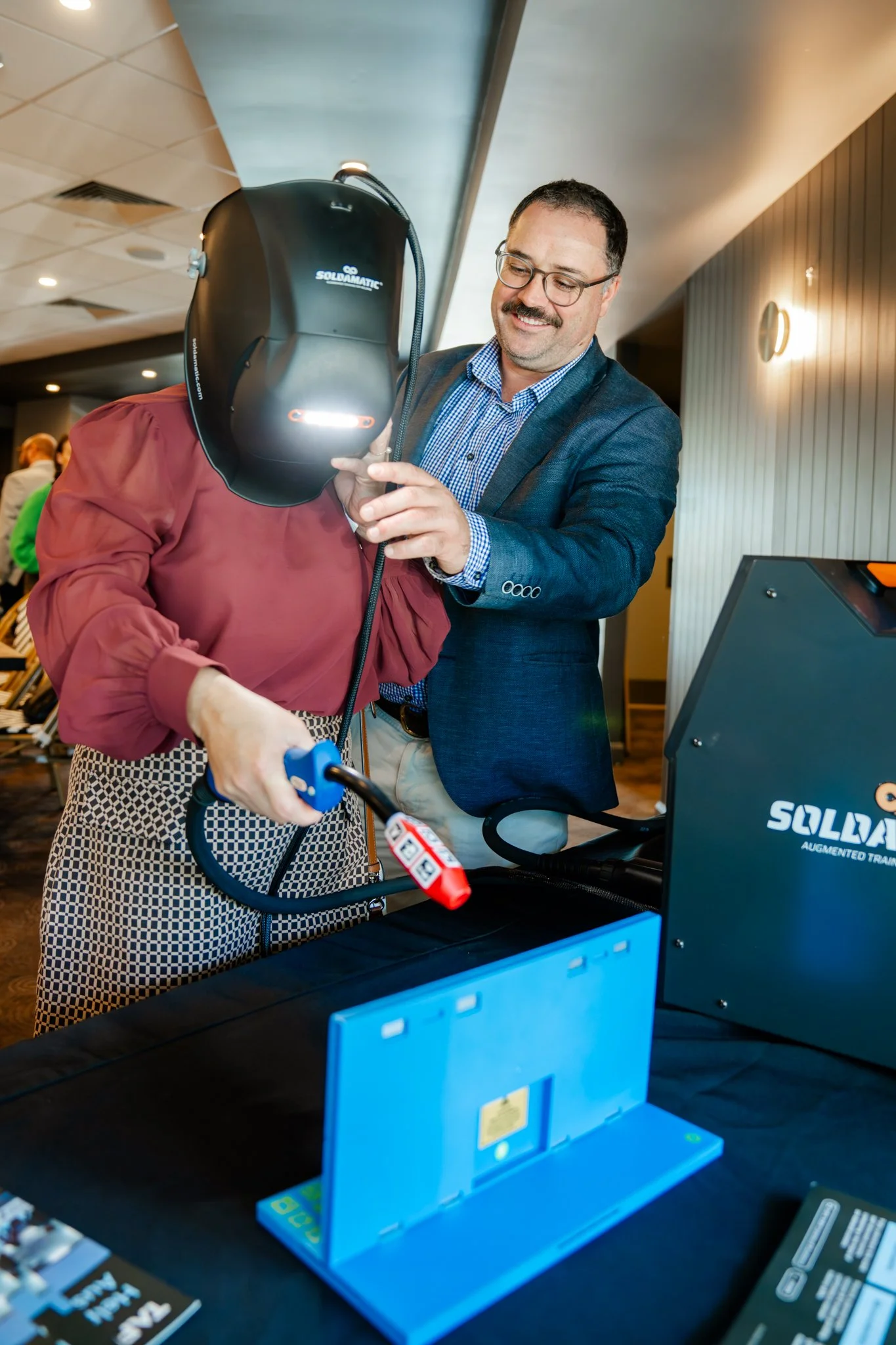
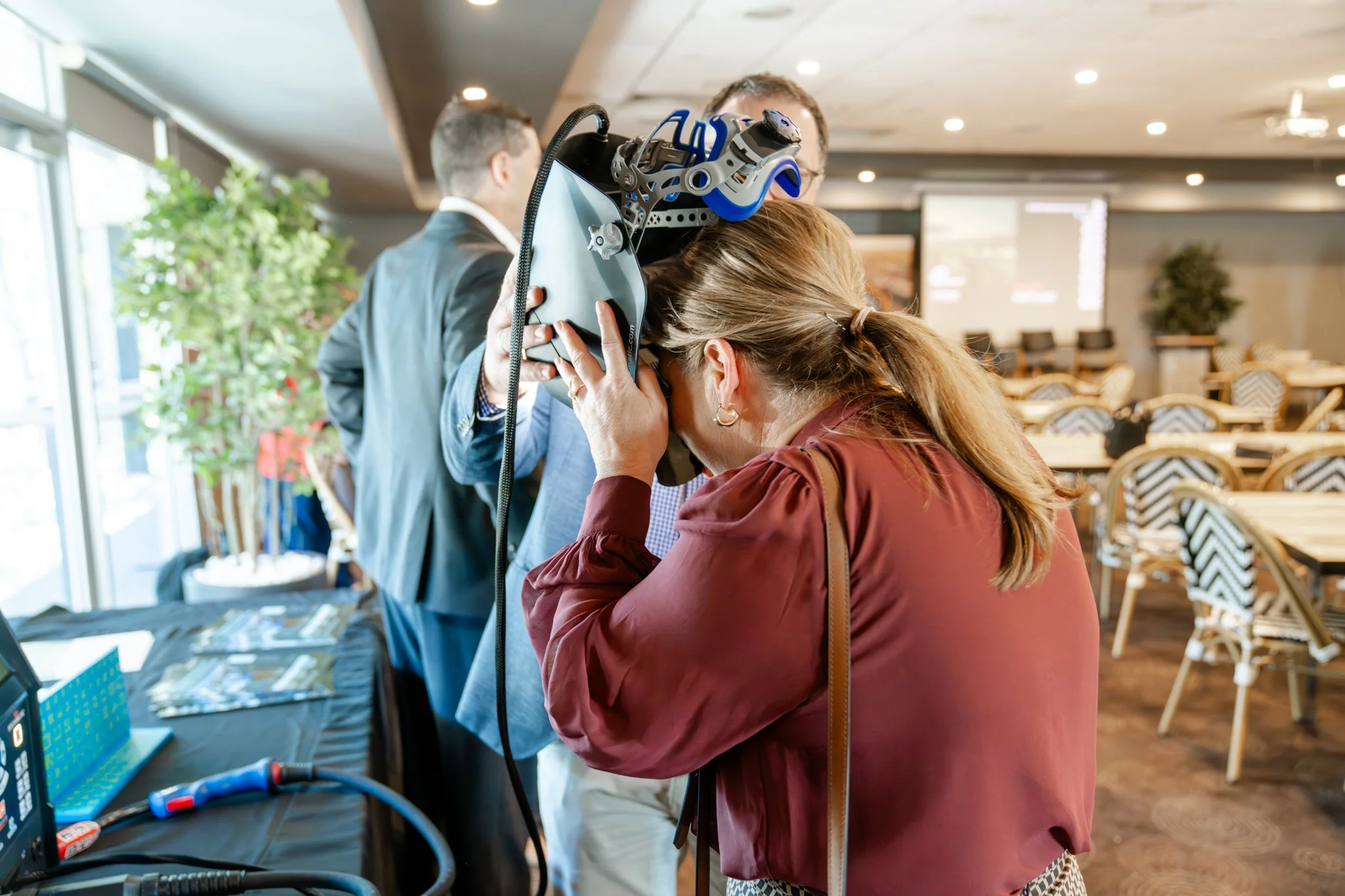
“We’ve got mobile training units in circulation now, servicing existing industries. We’re developing them for renewable manufacturing as well. It’s essentially a pantech truck, kitted out with a CNC machine, augmented reality welding, all the other tools you use in manufacturing. Completely off-grid, transportable.” The aim is short skills for people already in the industry, and something else besides. “There’s an opportunity to take that unit to a high school in the Upper Hunter, or in Tamworth, or in Armidale, and capture the imagination of young kids who possibly haven’t thought about a career in manufacturing.”
The invitation to the room was specific. TAFE Microcredentials are already online and fee-free. An associate degree and a higher apprenticeship are coming. “There’s a real opportunity for industry to lead the development of those course areas in the next two, three, four years. If there’s a particular skills gap for Maitland, if there’s a manufacturing opportunity, please come and talk to us.”
Jump, then build the plane
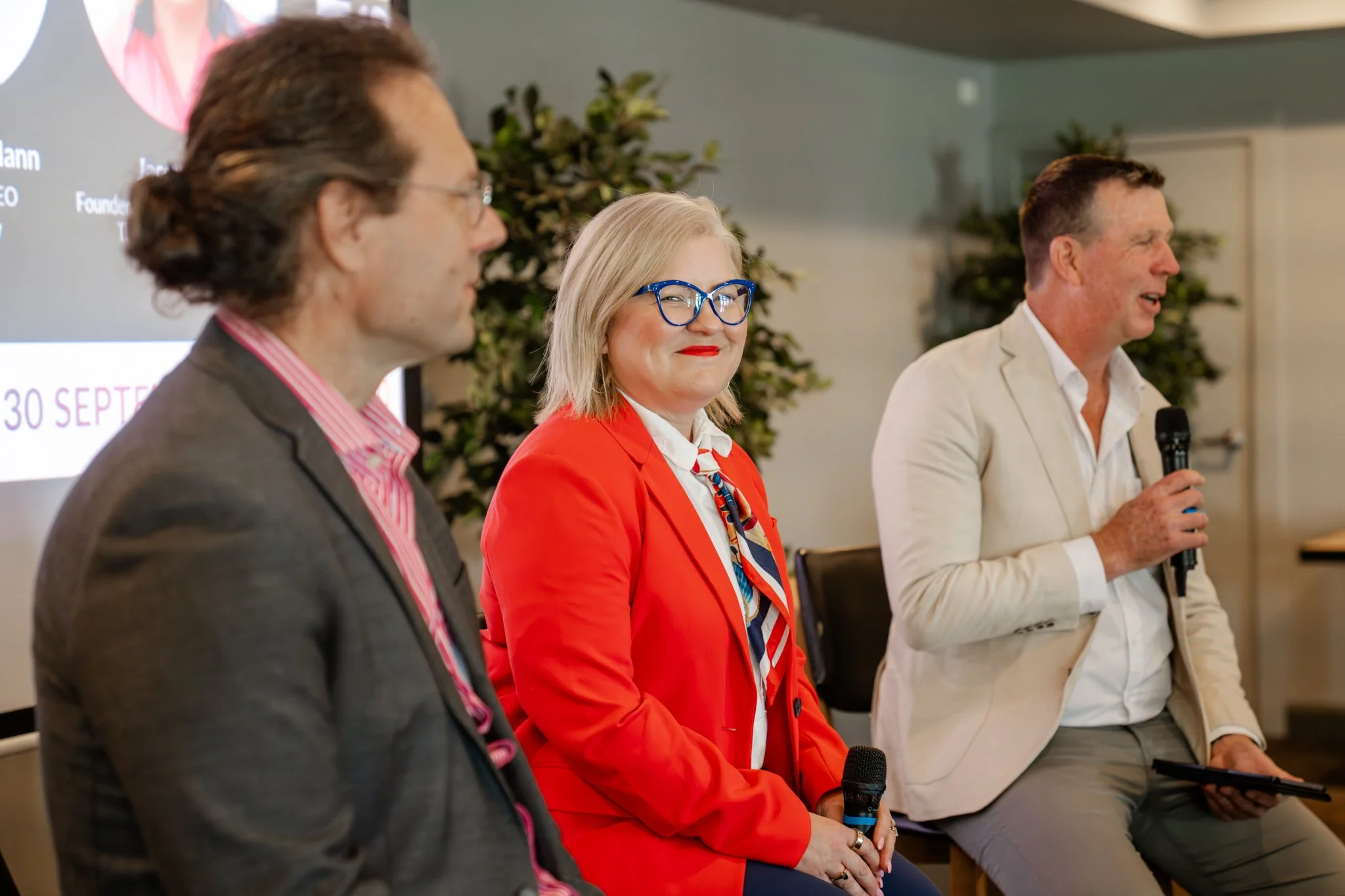
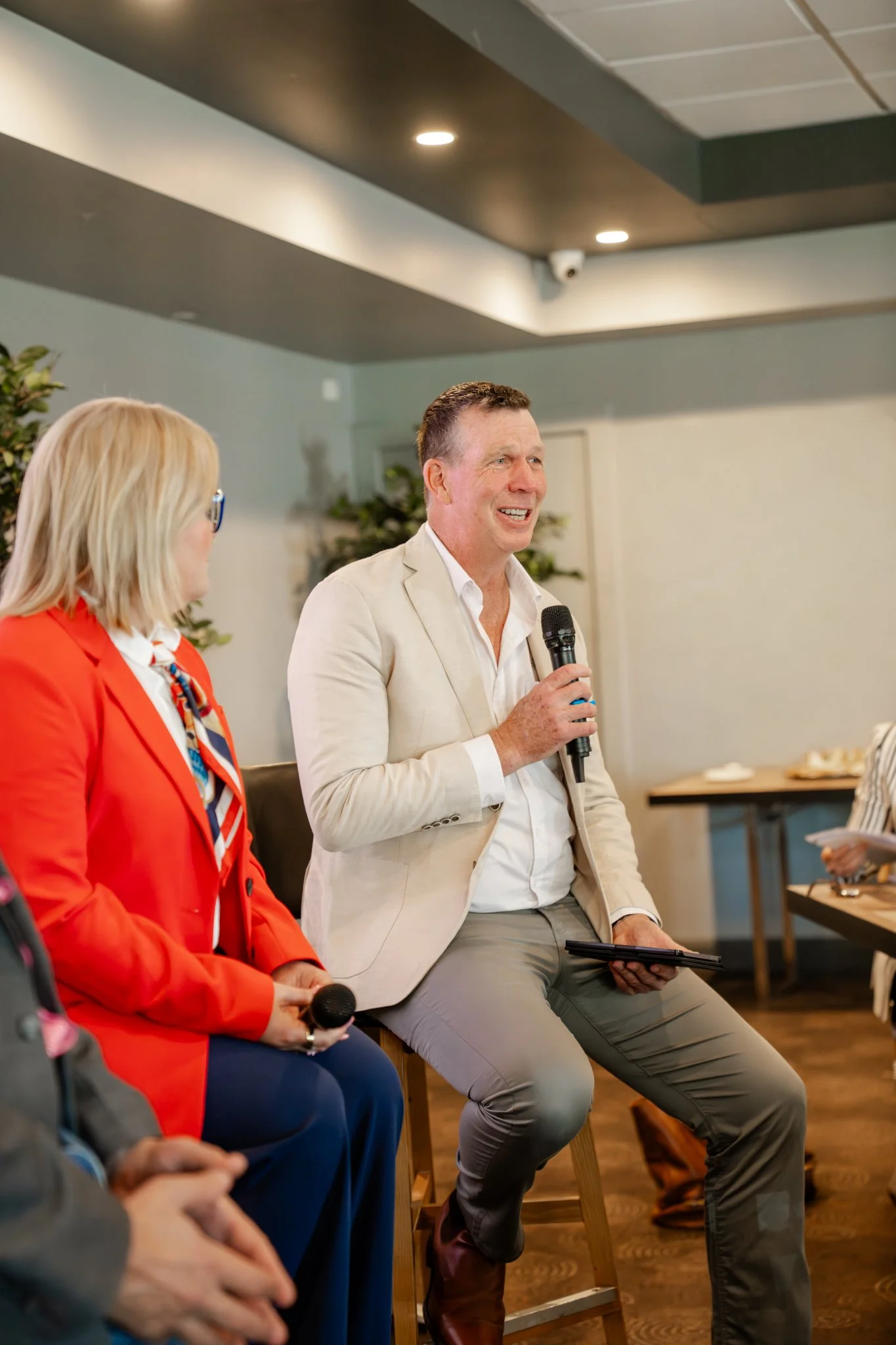
Hunter iF director Bret Barton, also deputy chair of the Hunter Defence Taskforce, hosted the second conversation. “Starting a business is pretty tough. It’s a perilous journey. You don’t have a lot of support necessarily,” he said, before handing the floor to two founders who took very different roads.
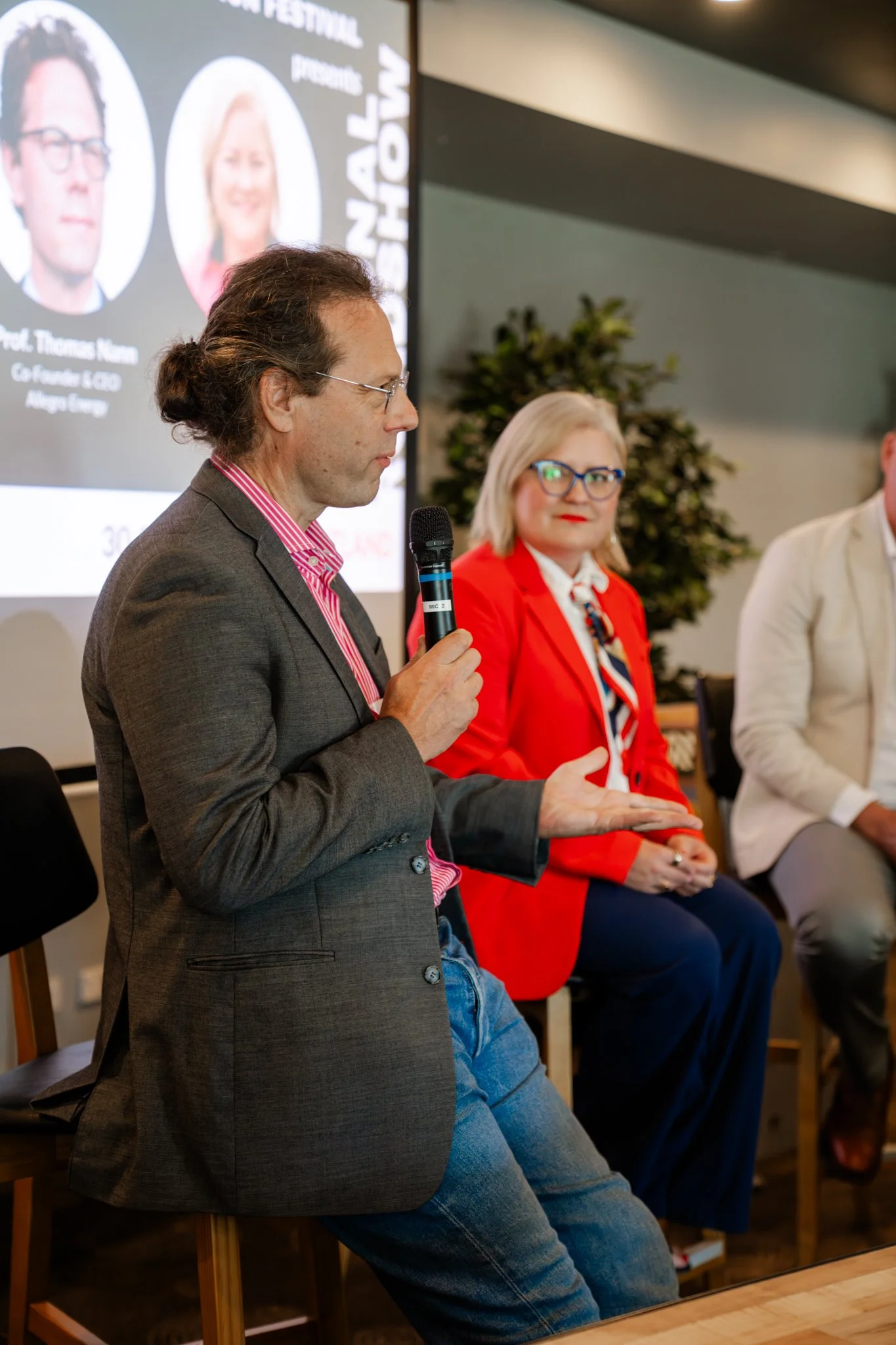
Professor Thomas Nann, co-founder and chief executive of Allegro Energy, came to Newcastle in 2010 with a long academic career behind him. Allegro grew from battery technology he and his colleagues had worked on for about a decade. He borrowed a line from Reid Hoffman, founder of LinkedIn.
“Starting a business is like jumping off a cliff and building the plane on the way down. And it feels like that a lot of the time.”
The lesson he took from watching spinouts earlier in his career was shorter. “It doesn’t have to be perfect. You just have to do it.” The battery work, he decided, was good enough. “You could call it a midlife crisis or whatever. I jumped off the cliff, and I’m still building the plane.”
His advice to anyone still inside a university was blunter. “The first thing I would recommend to the aspiring entrepreneur: you actually have to leave uni. I’ve seen it so often that people don’t take the step, and I know why. It’s super risky. You basically give up a safe salary. But if you don’t commit, it’s not going to work.”
The second was a cultural point. “The academic mind is not well suited to starting a business. At university, you’re rewarded for going on the journey. You can study crocodile tears and the effect on the water, and as long as you publish ten papers and get some grants, you’re golden. That doesn’t work in business. It’s all about the outcome. You don’t need to know everything. As long as it works, it’s good enough.”
On investors, he split the problem in three. “If you go to an investor, you need a good story. If you’re not coming with a good story, then you’re not getting a look.” Due diligence comes next, and it depends who is hired to do it. “The academics always say it’s not good enough. You have to go back to the lab and do ten years more fundamental research before this is a product. And the ones from industry say, that’s way too much, you should have spun out much earlier.”
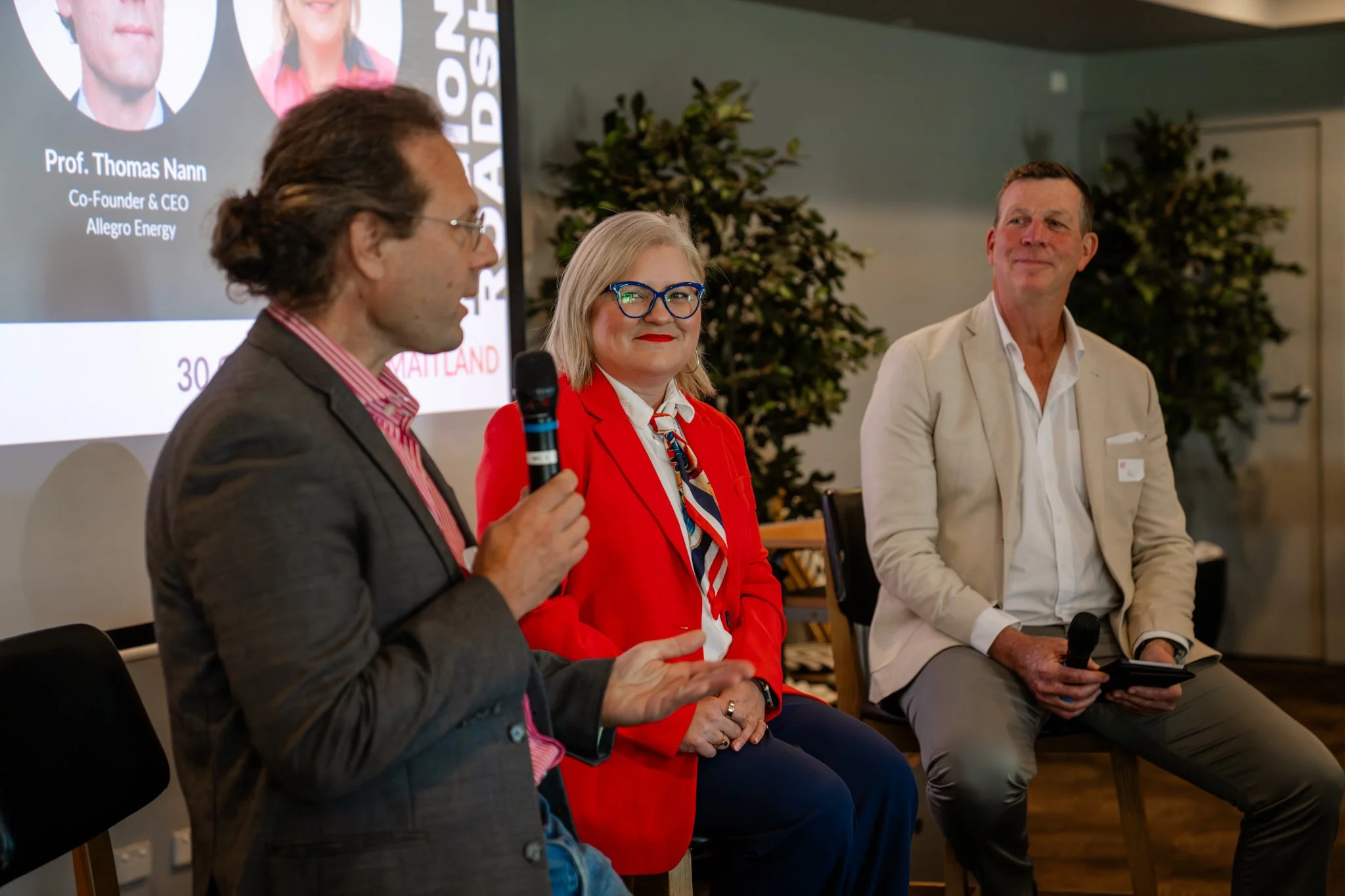
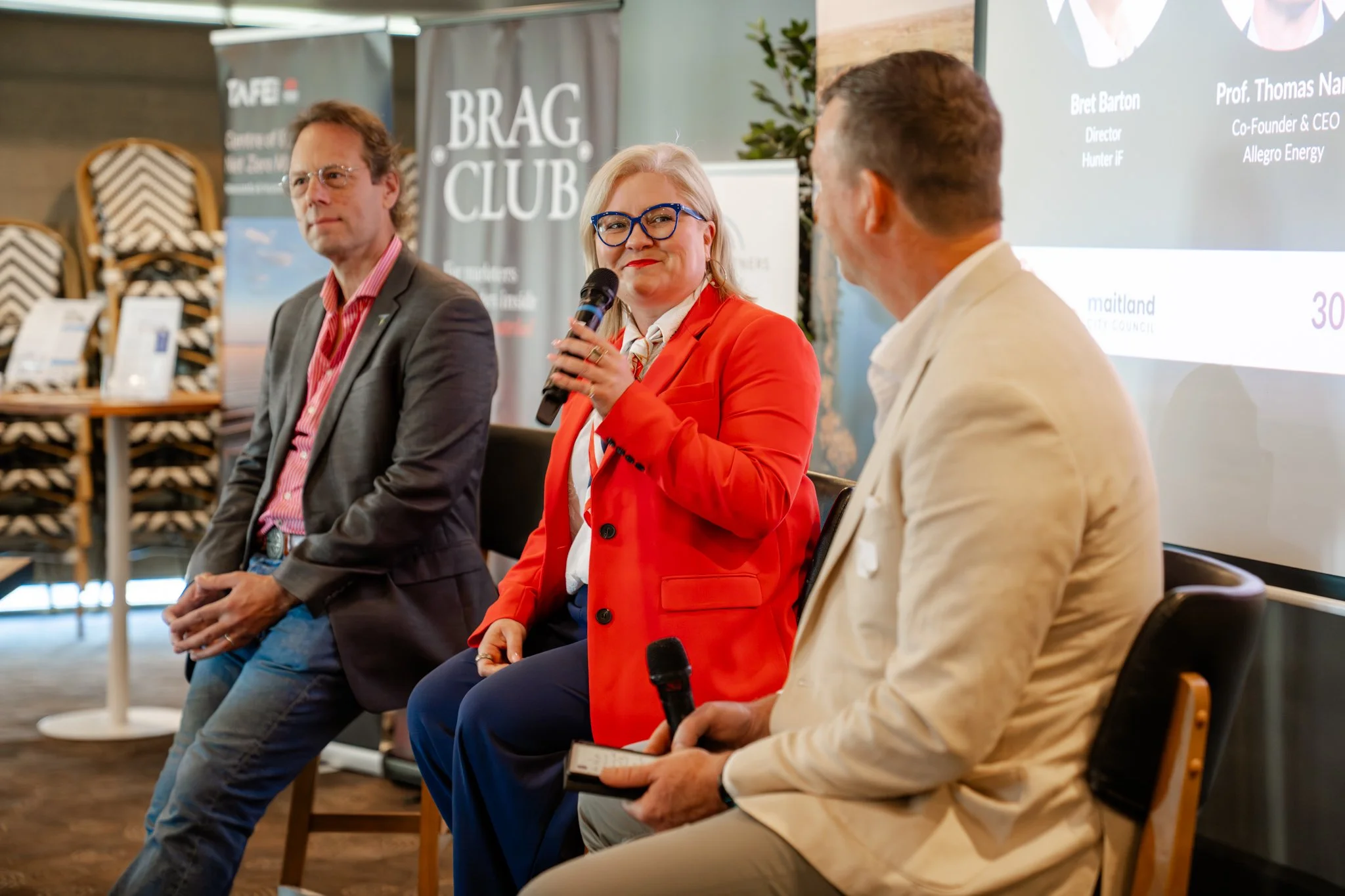
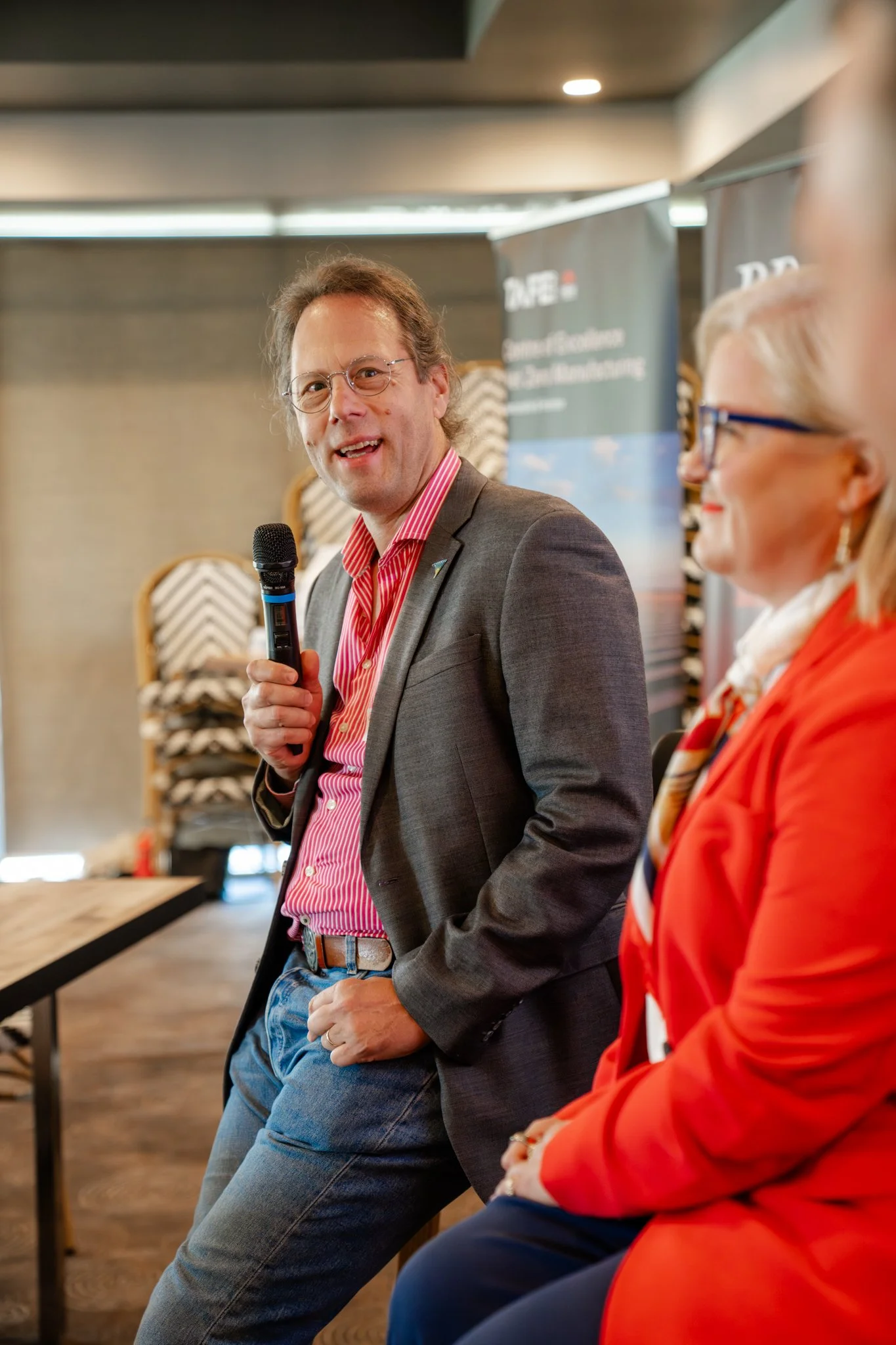
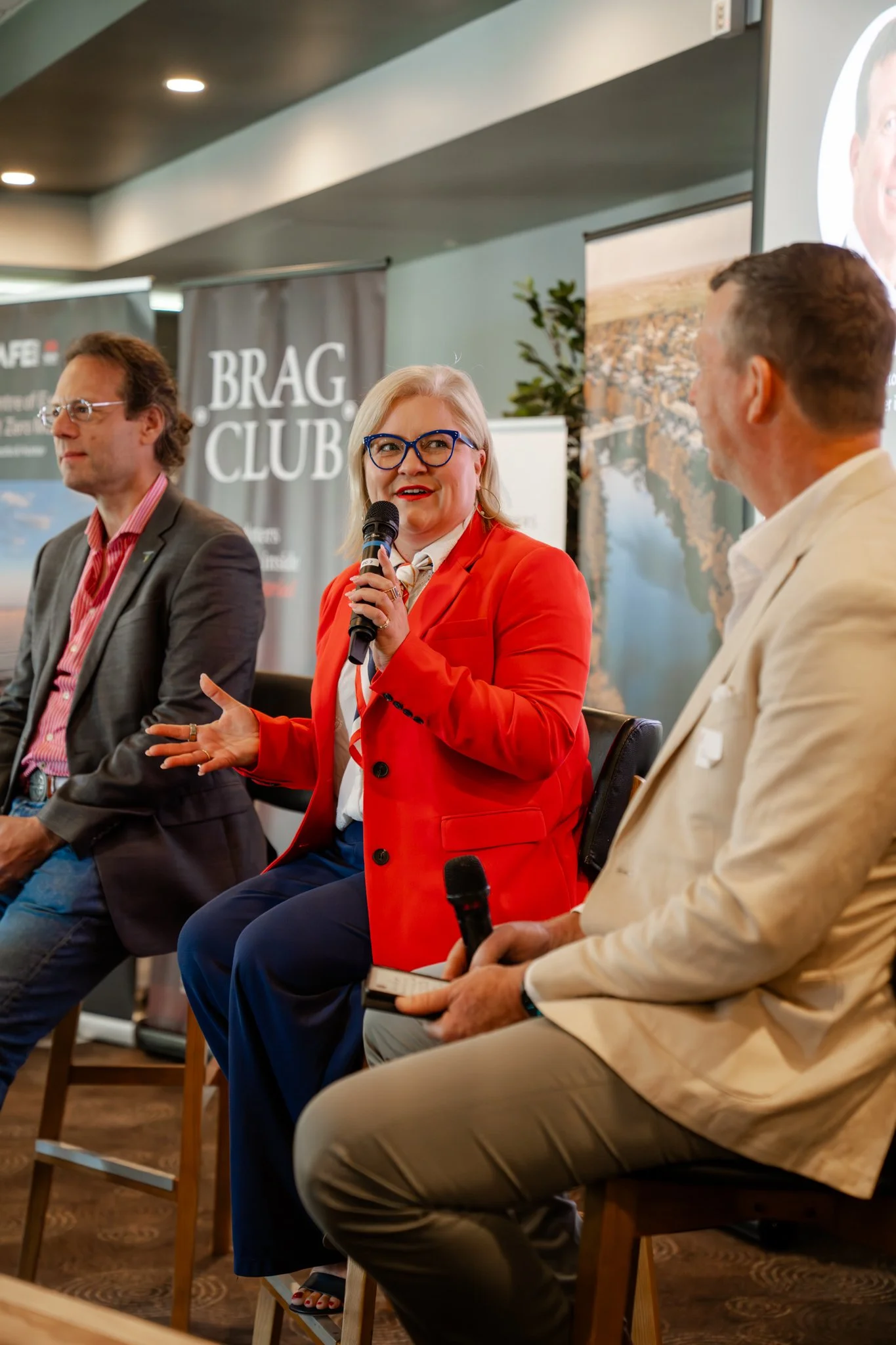
Prof. Thomas Nann | Jacqui Daley | Bret Barton
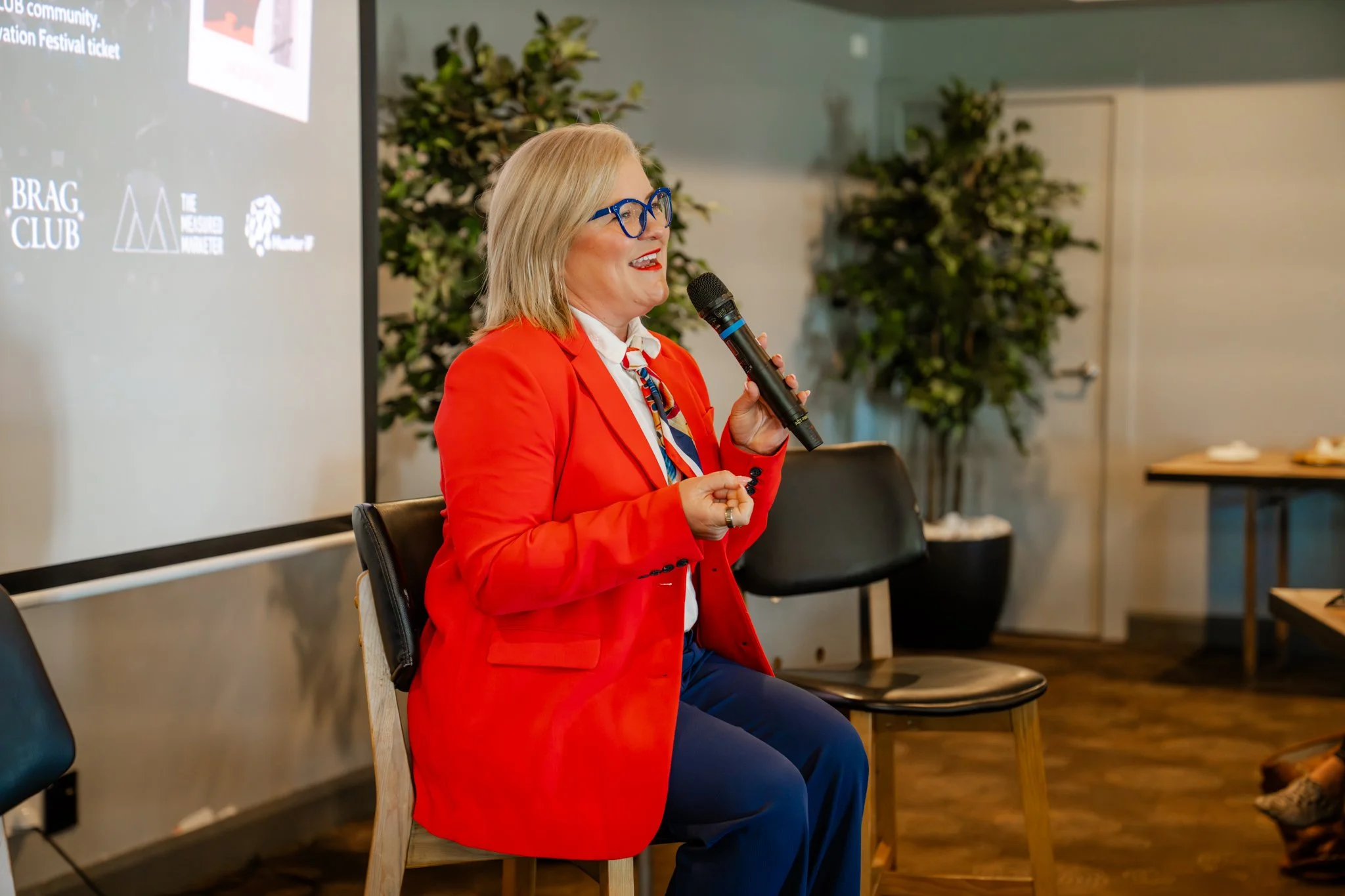
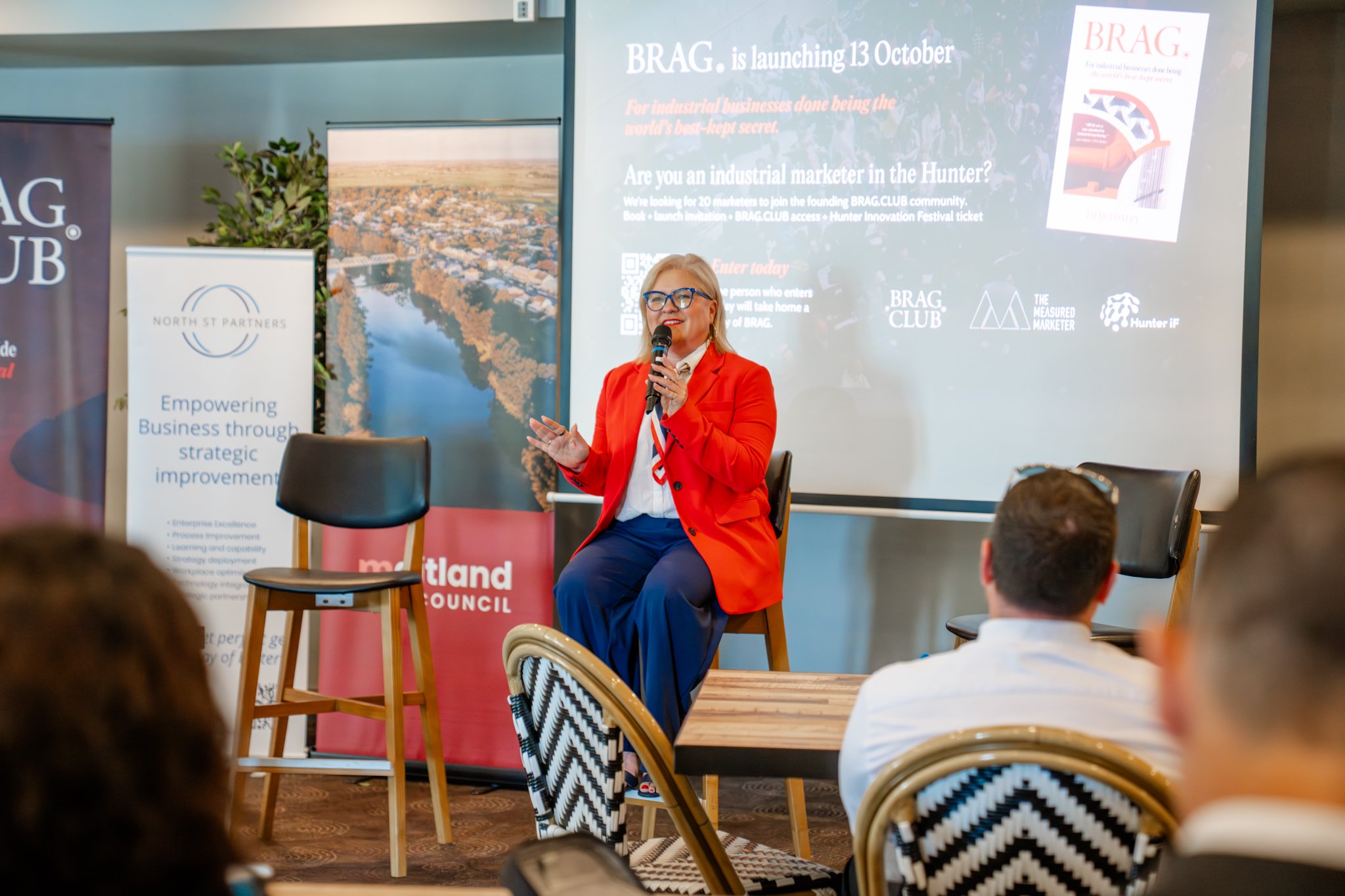
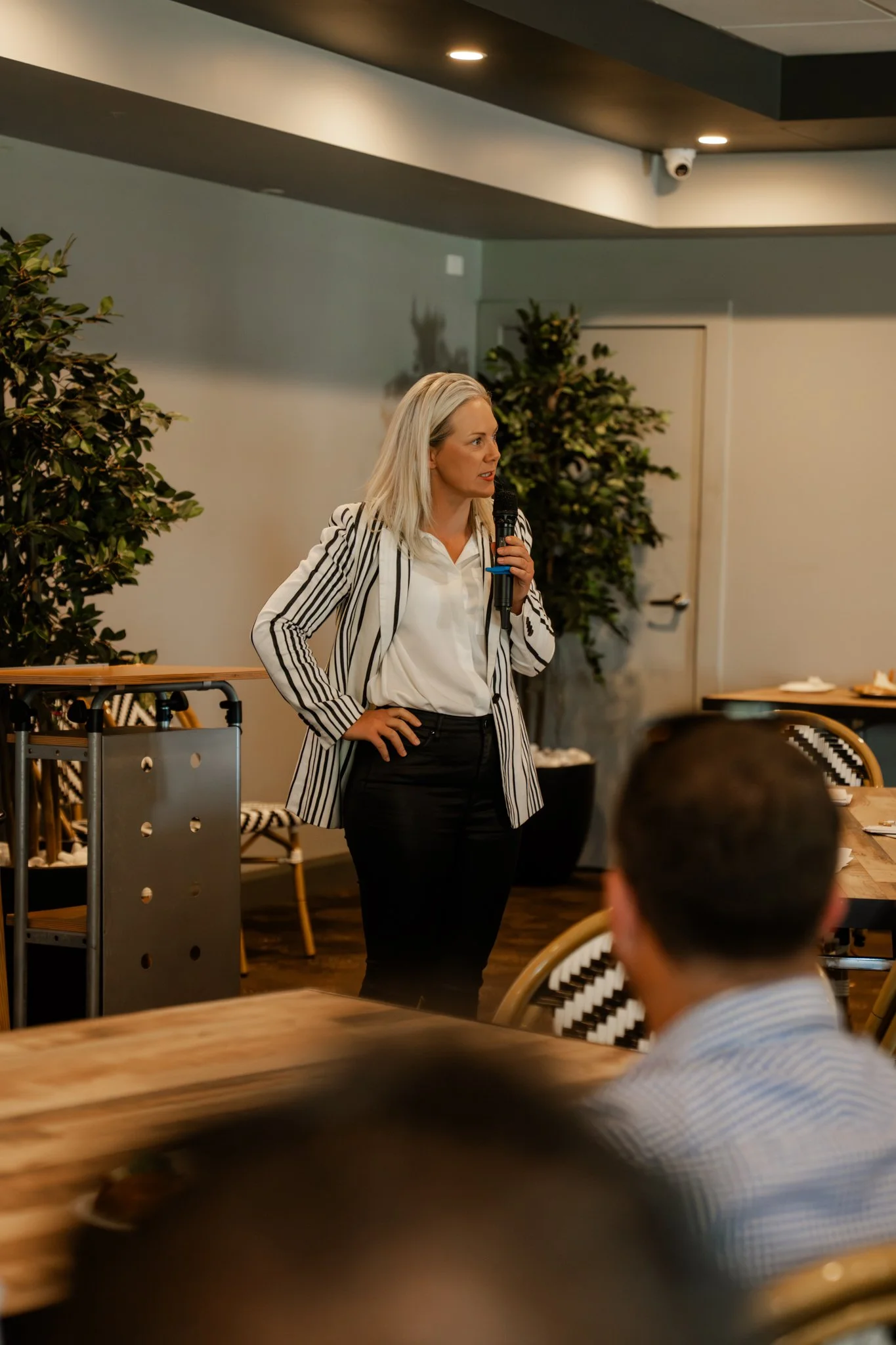
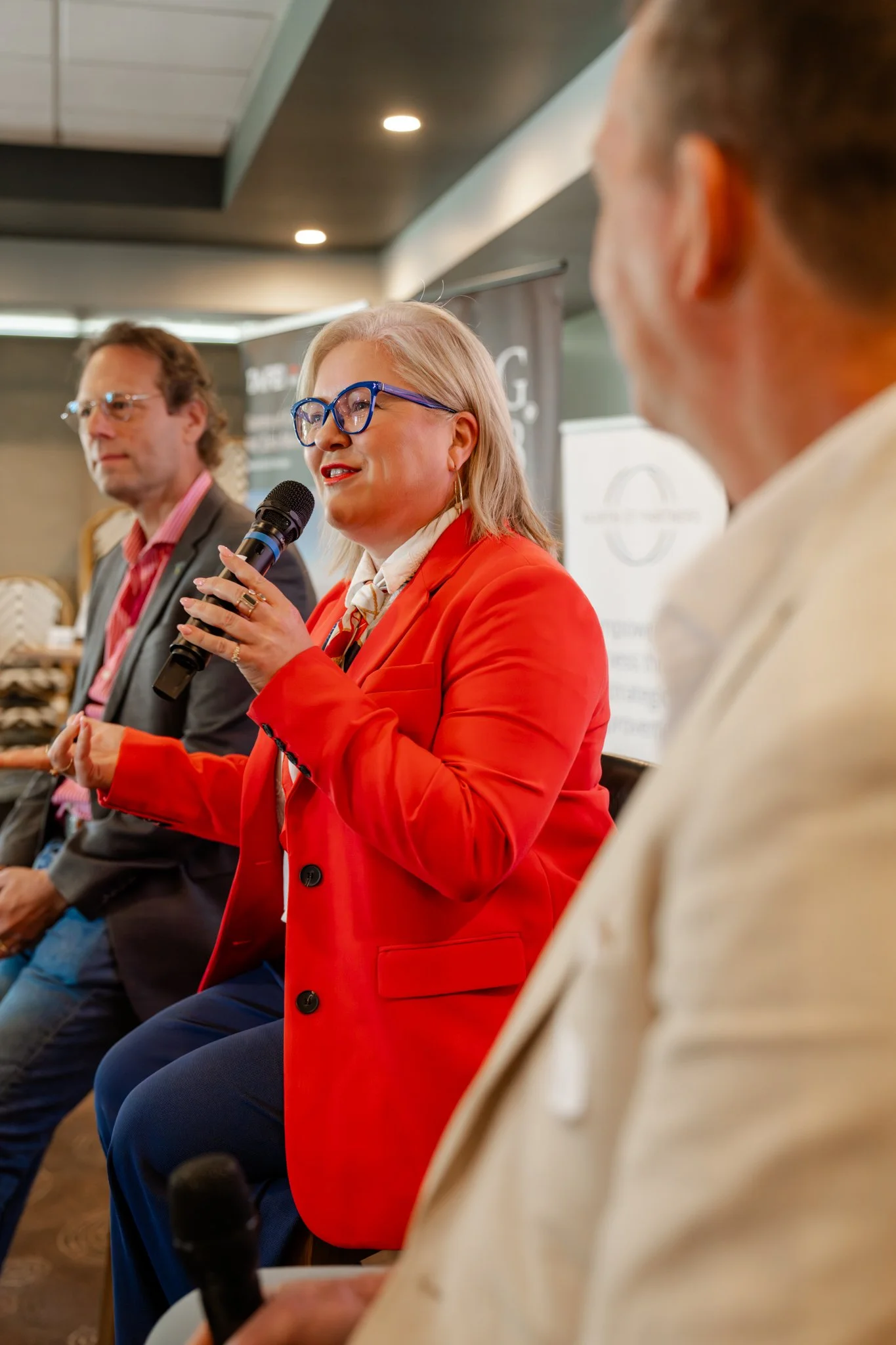
Jacqui Daley, founder, managing director and CMO of The Measured Marketer, and a judge of the innovation category at the Hunter Manufacturing Awards. “The thing I’m most passionate about is helping businesses see the commercial opportunities that exist if they use their marketing as a growth lever,” she said. “I work continuously with clients in Thornton, Beresfield and Rutherford, and I drive around those industrial estates, and I find the world’s best-kept secrets every single time.”
A bigger market, she argued, is not a vague one. “Whether you’re aiming for a national market or a global market, the market isn’t just one thing. Your global market isn’t global. It’s what region, in what country, what’s the problem you’re solving, what’s the sector. It’s about that laser focus, and about understanding the problem that customer is trying to solve.”
The best product does not close the gap by itself. “It’s not always just about the product. Come to events like today to understand the market. Be part of those industry associations. HunterNet is a really good example of putting you in front of the right organisations, of joint ventures, of finding those new customers, of seeing which projects are actually proceeding versus those that are just being talked about.”
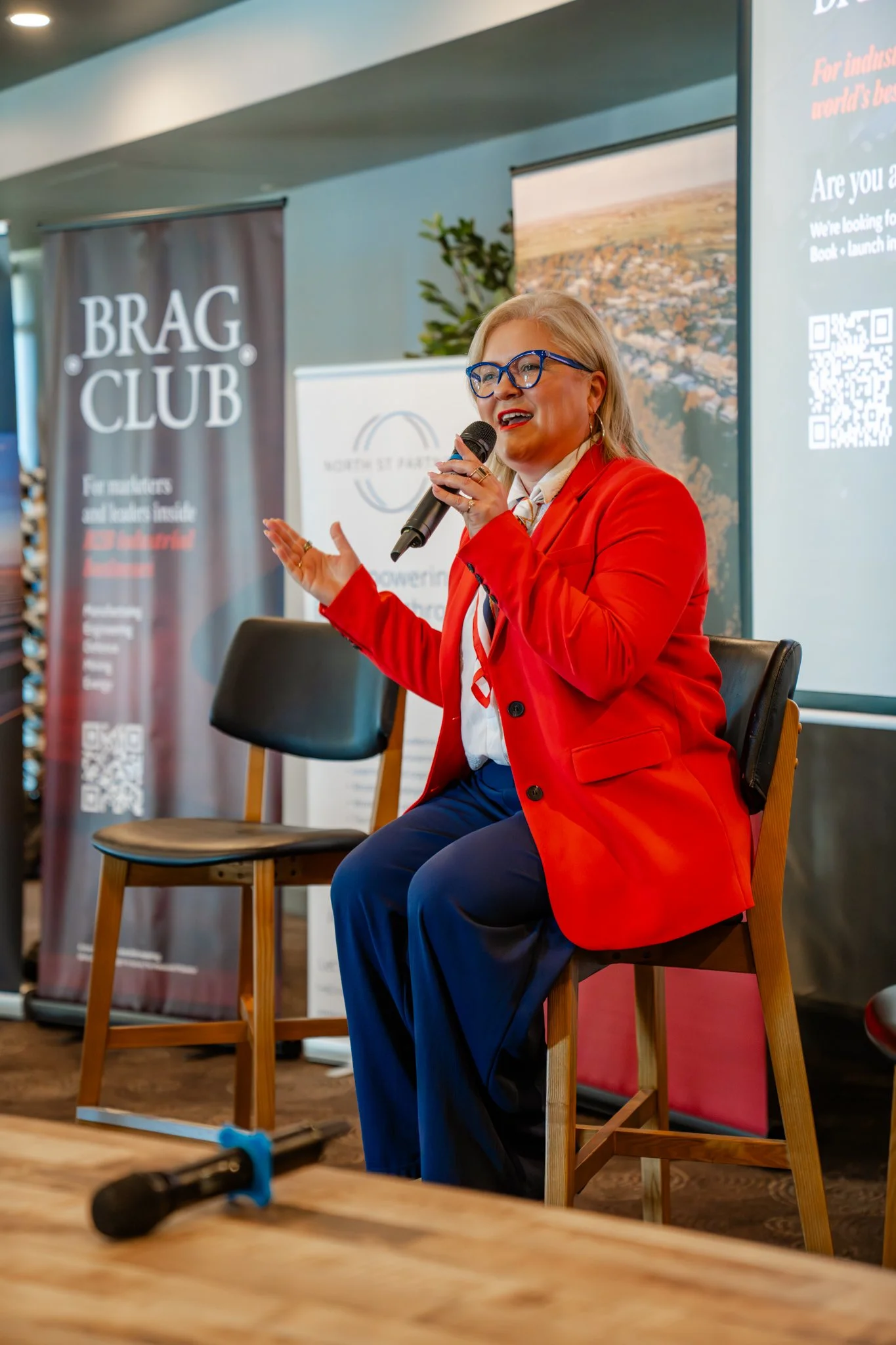
Jacqui Daley
One client, she said, had used Team Defence Australia to build visibility, partners and a network of international representatives. “Beyond your flights and your accommodation, to be an exhibitor on the Team Defence Australia stand actually doesn’t cost you anything. There’s support, from the local level all the way through to these national programs, to help put Australia in front of that global marketplace.”
Barton pointed to the other doors in the room. “I’m on the Hunter Defence Taskforce. We support businesses that want to break into defence. I also do some work at the university. If you want to develop IP and you don’t have your own R&D cell, because you’re not big enough, give me a ring. If it aligns, we might be able to pair you up with a researcher.”
Daley closed with a question, and with a book. “What percentage of your revenue are you currently investing in marketing? I want you to think about how much you’re putting into building your visibility as an organisation.” BRAG, for industrial businesses done being the world’s best-kept secret, goes on sale on 13 October. “Your marketing function is often under-resourced. The marketer is left solo to run the whole show. You might have a different engineer for every product and service. But how many marketers do you actually have in your team?” BRAG Club, a free competition with tickets to the Hunter Innovation Festival, is aimed at that person. “It’s really important that we’re proud of what we do as an industry. And now we’ve got to go out and brag about it.”
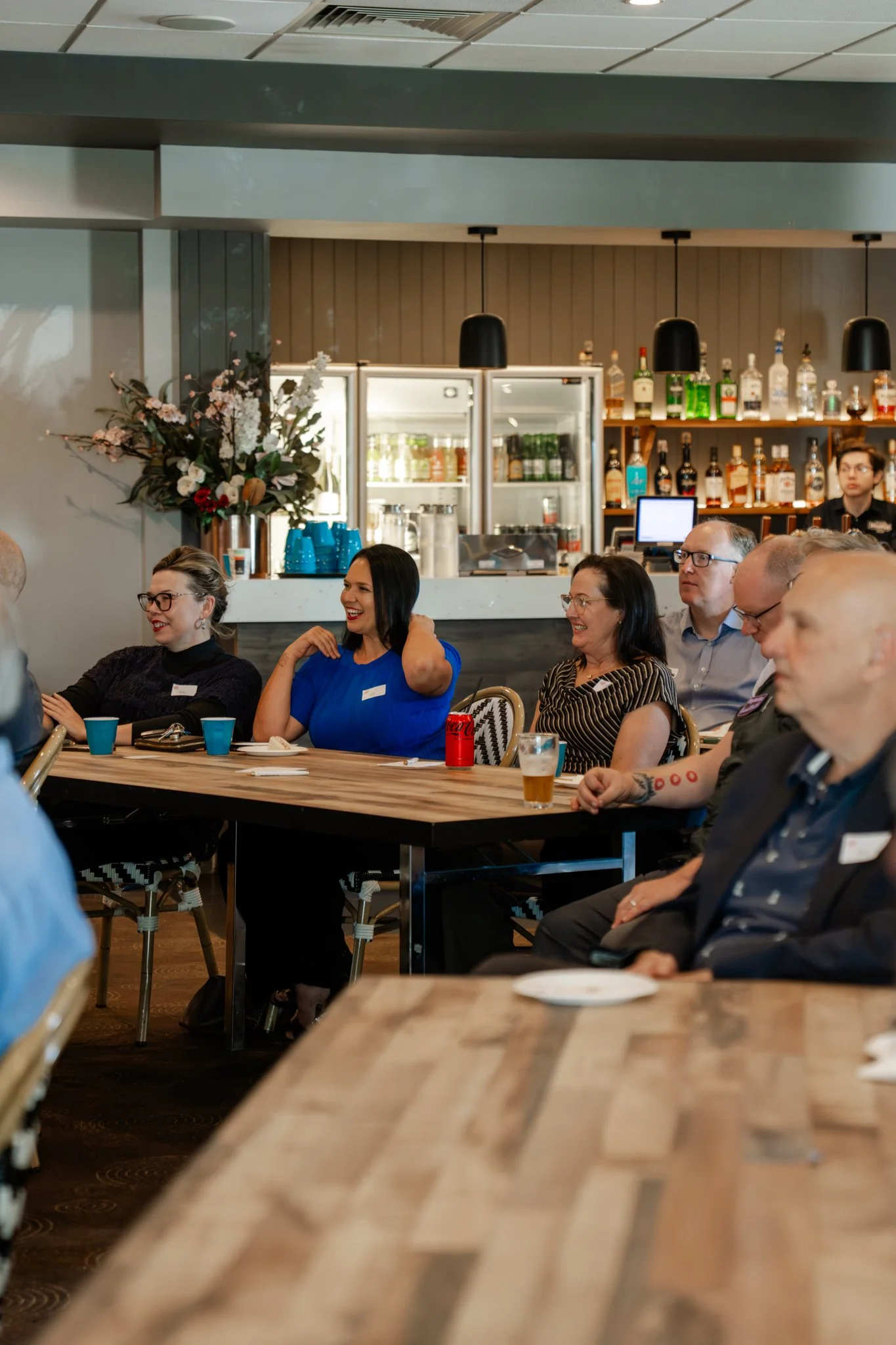
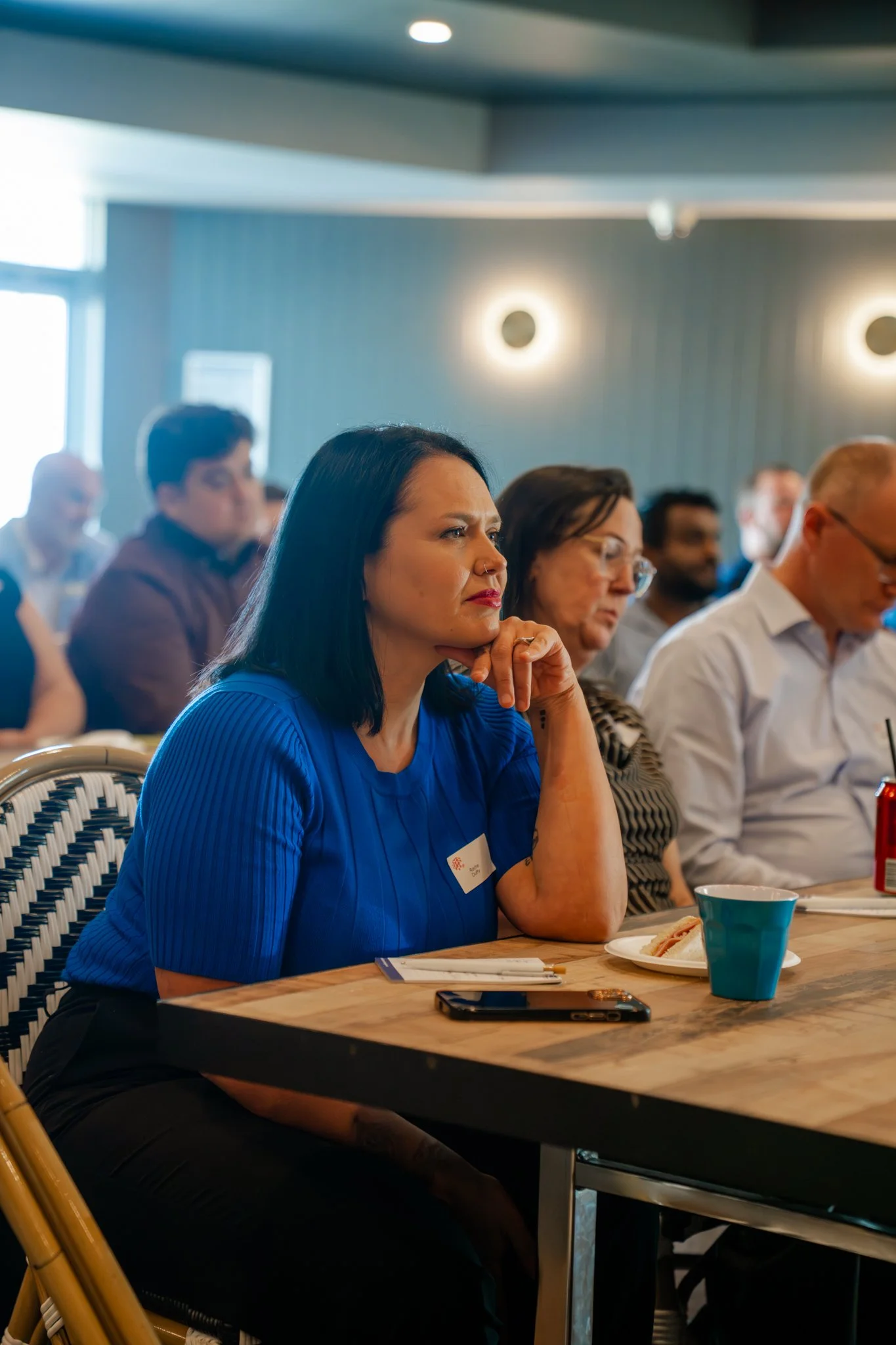
Reflections from the room
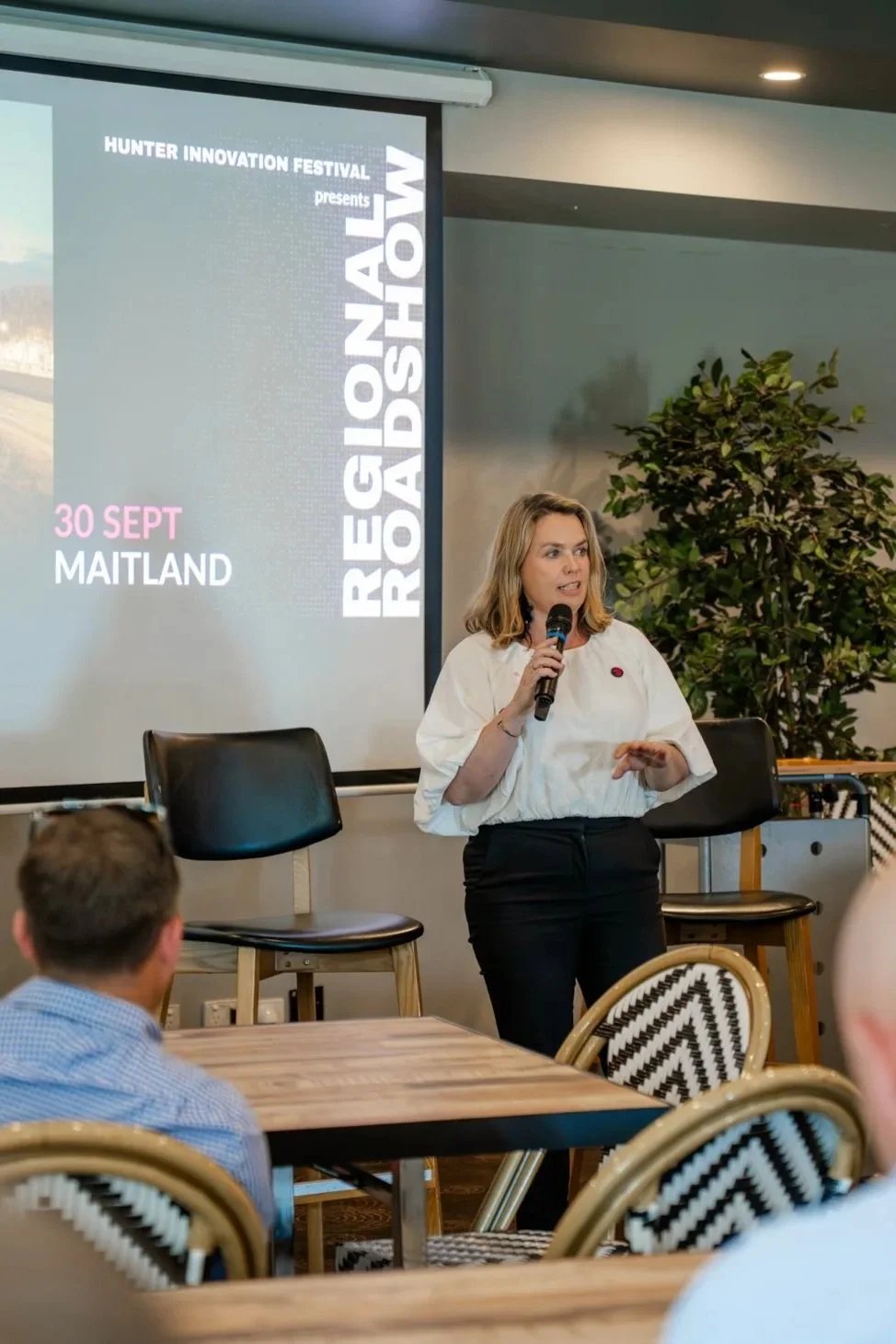
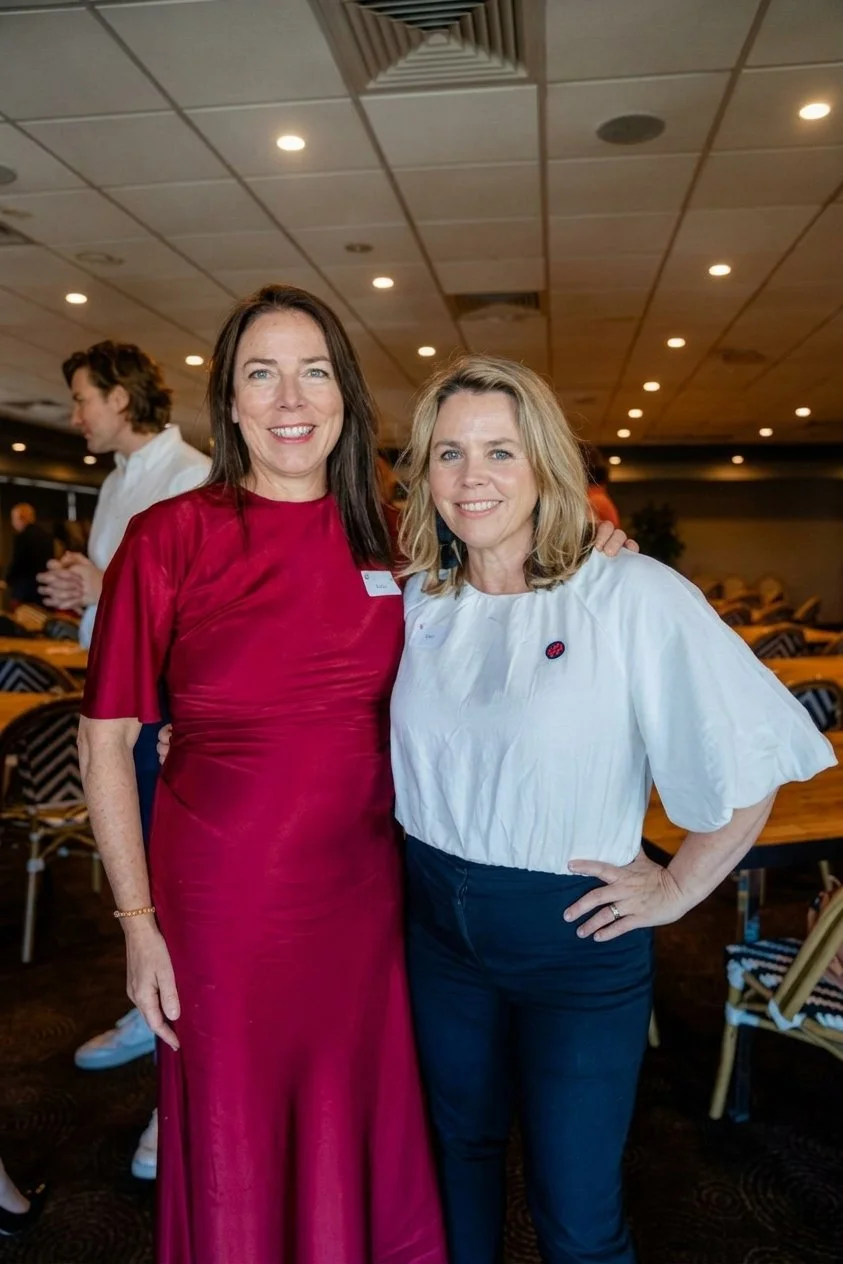
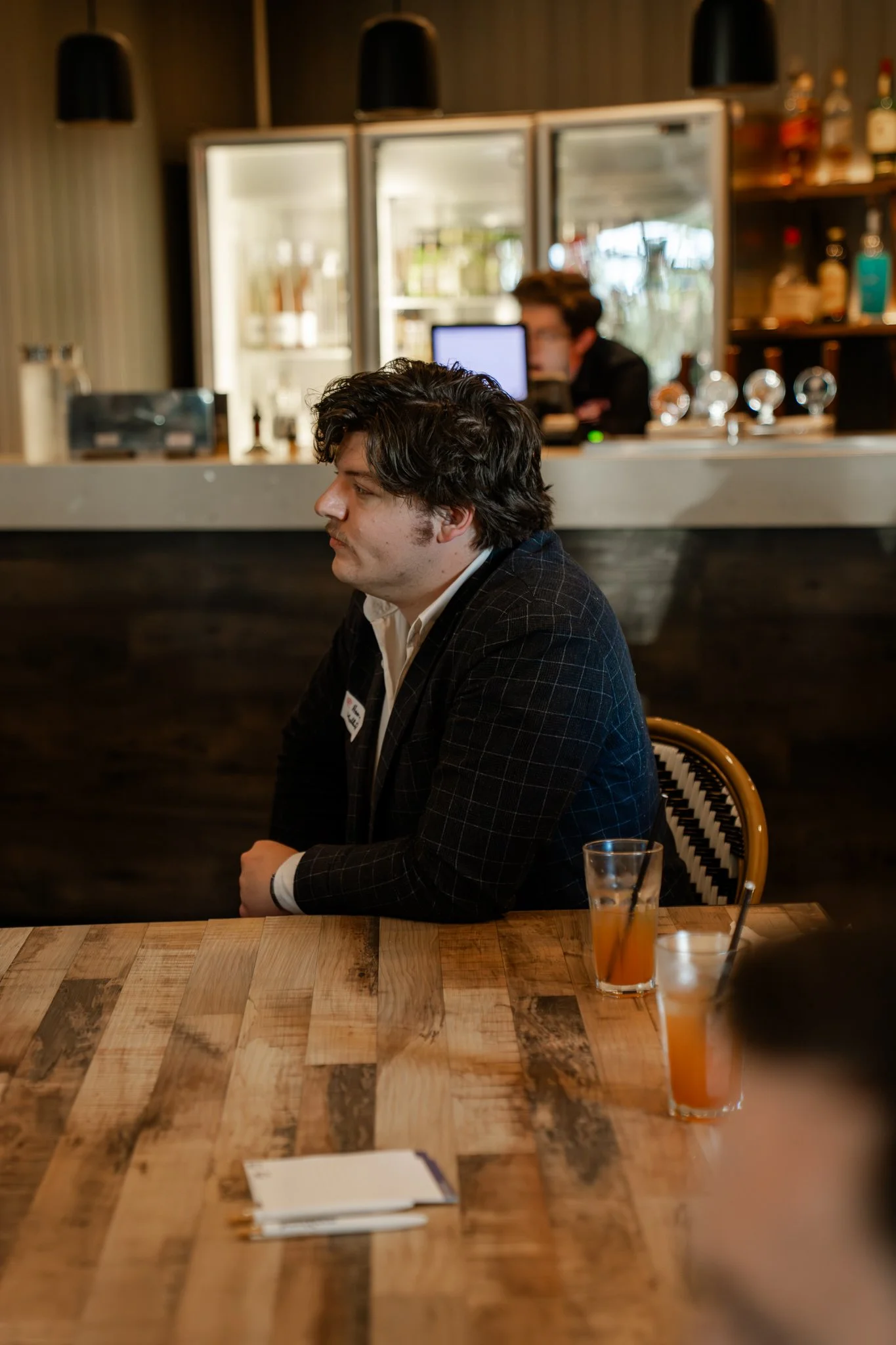
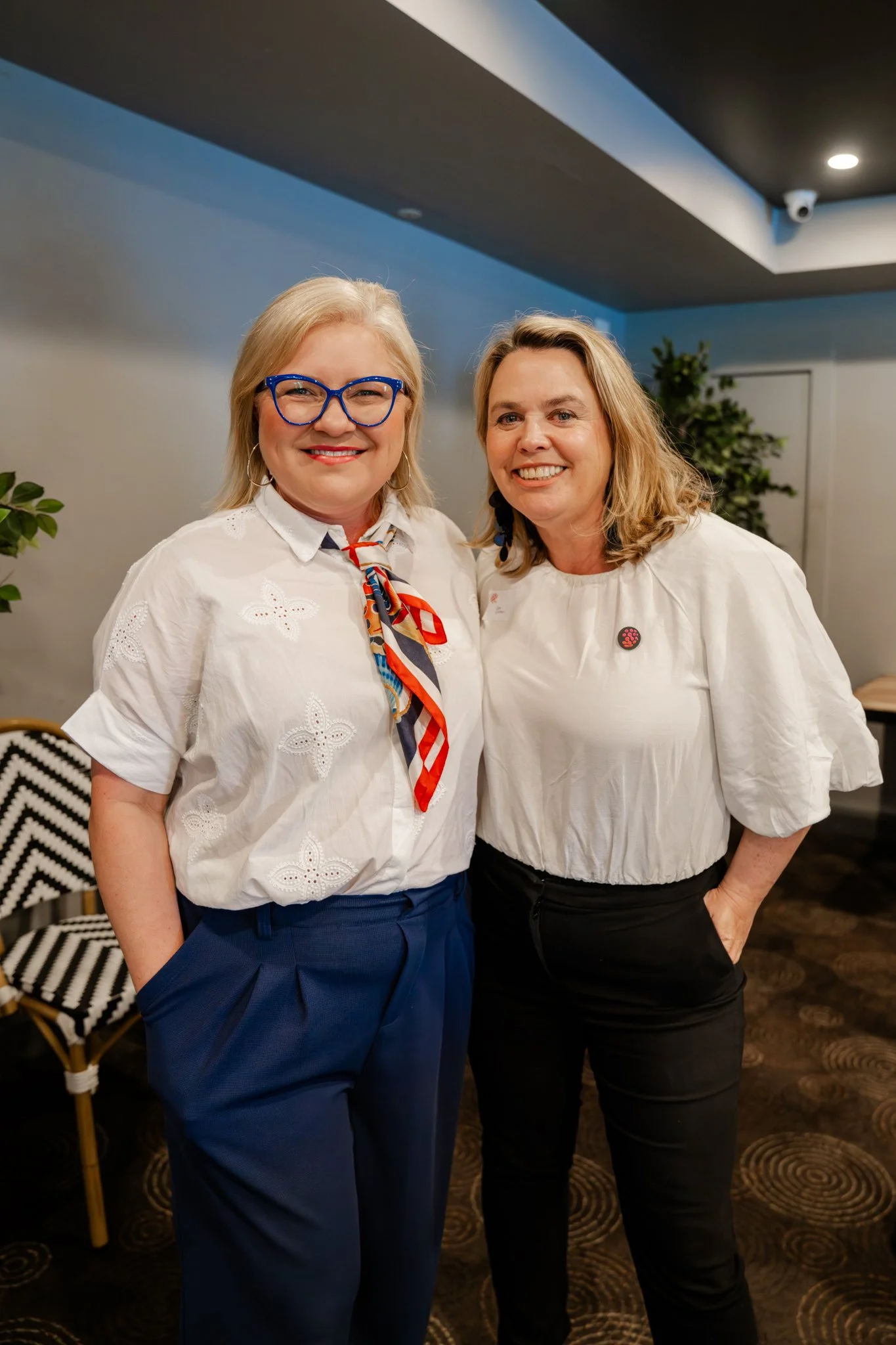
Zara Crichton
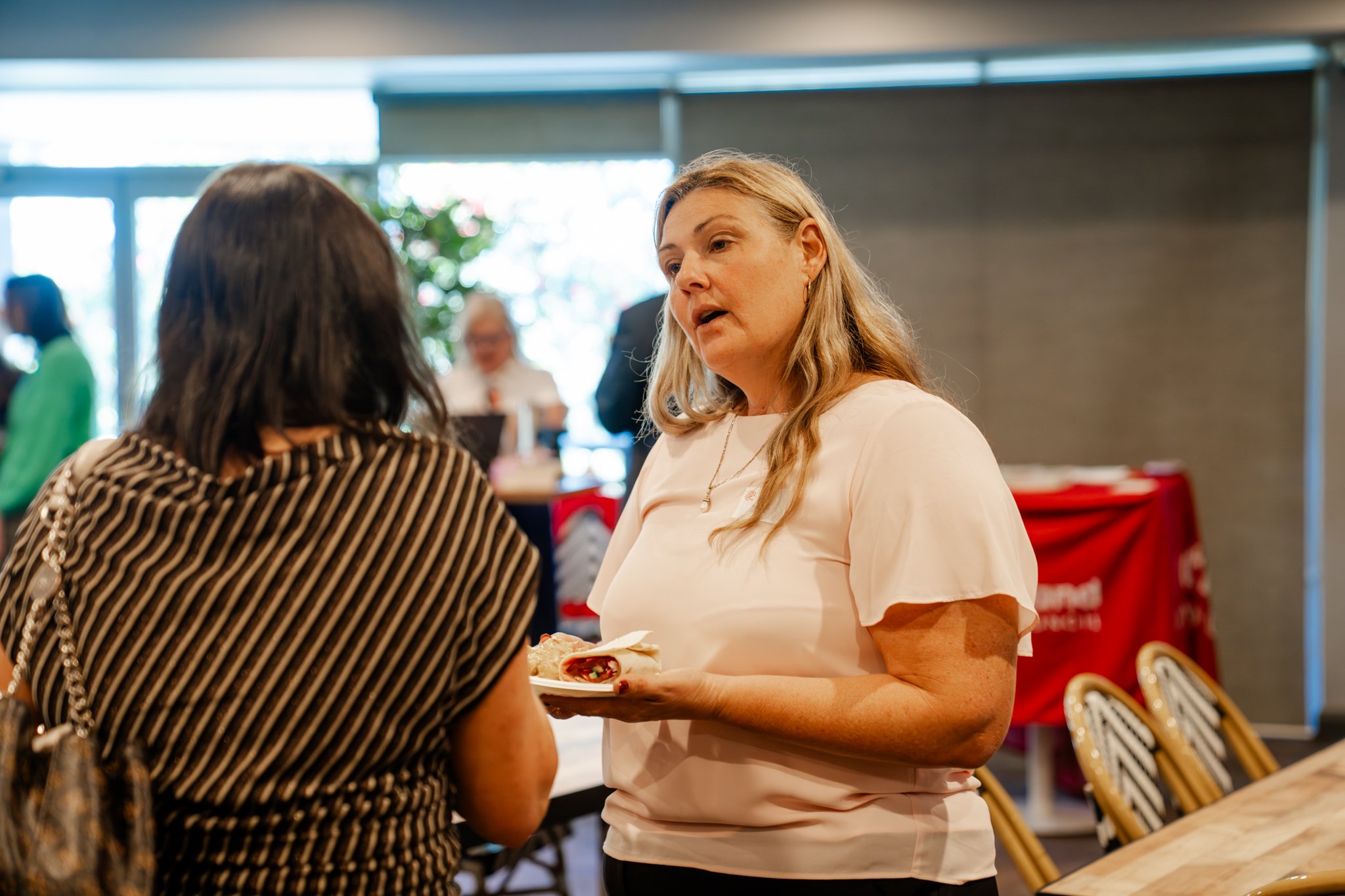
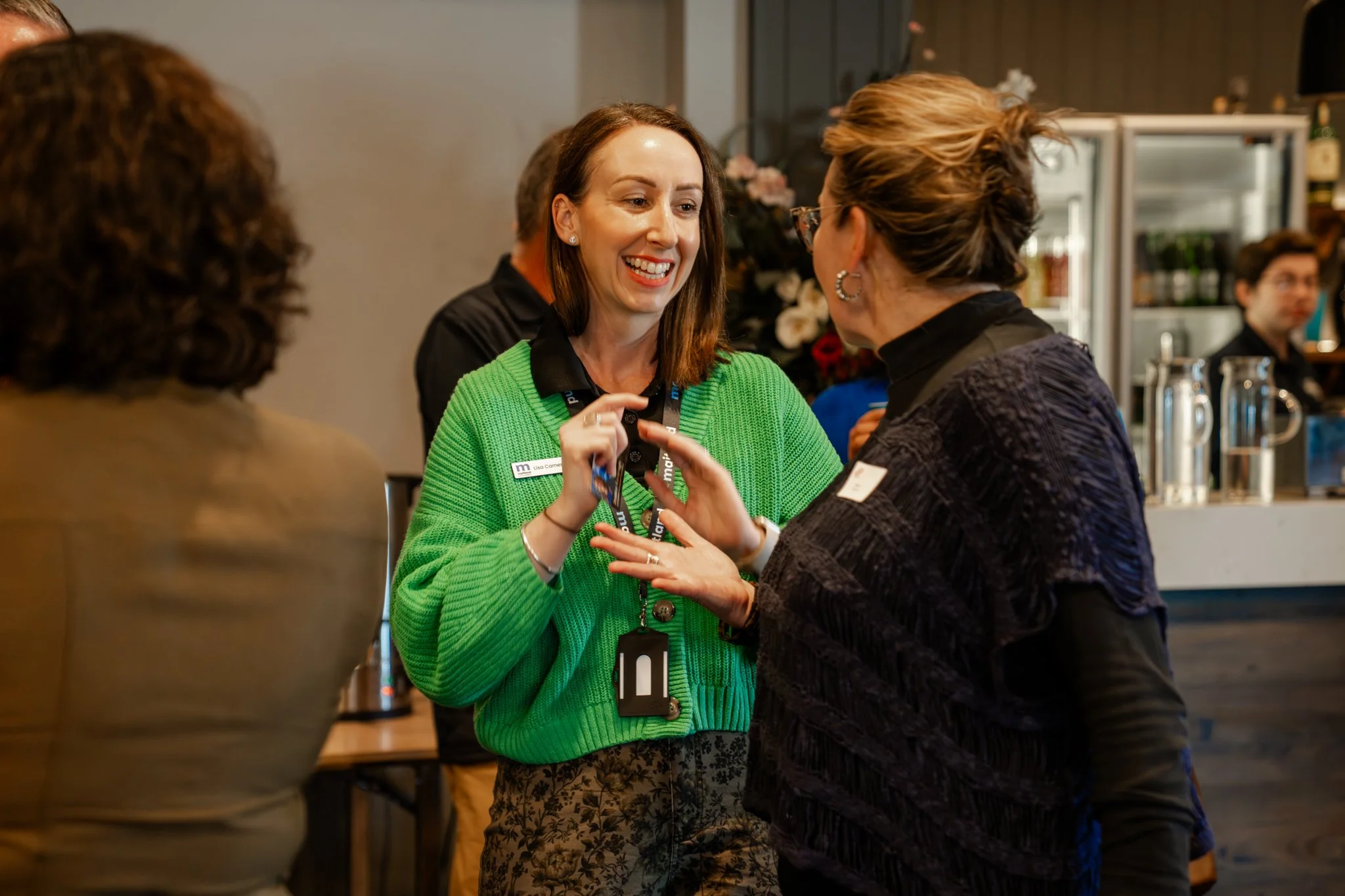
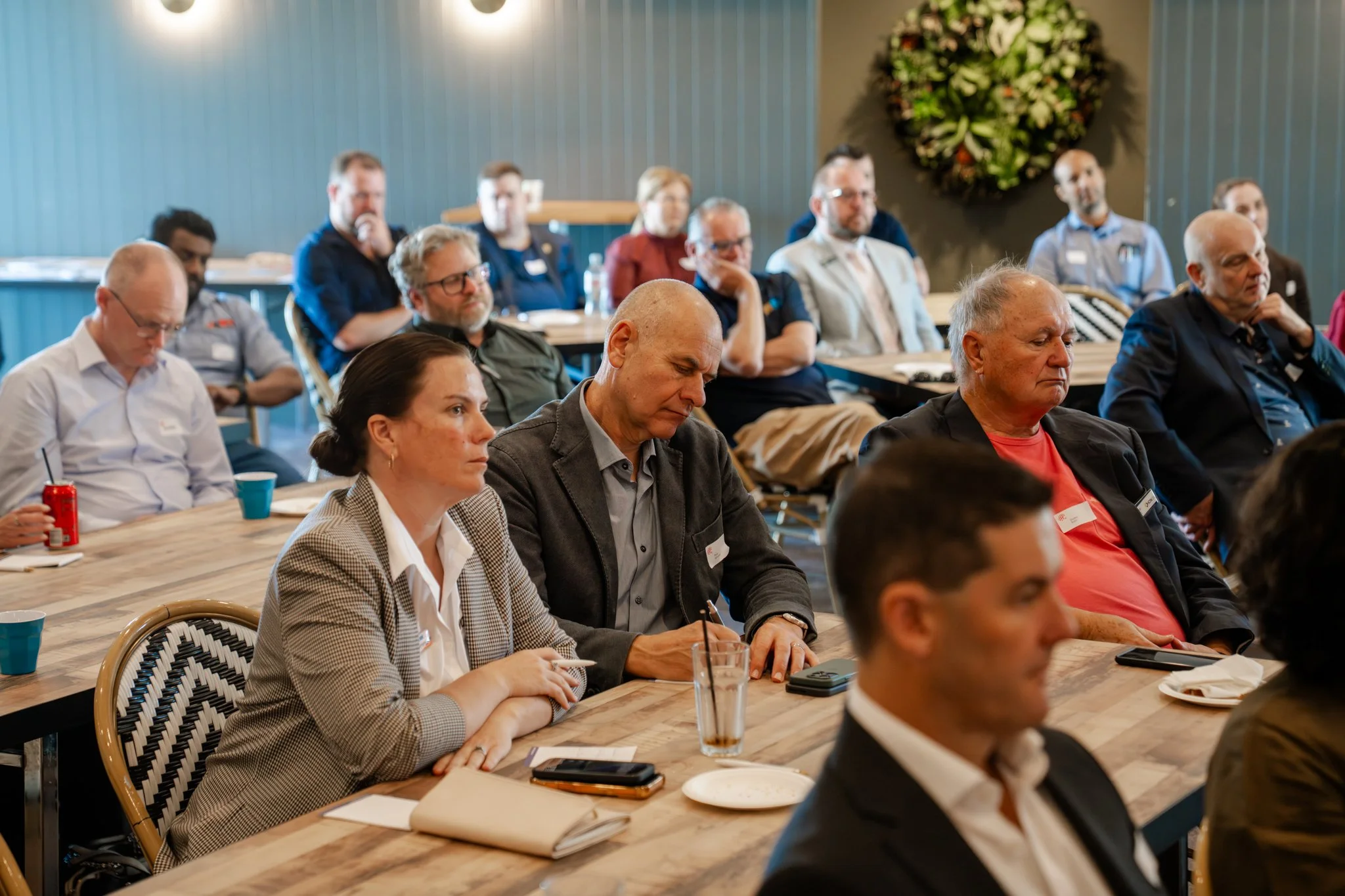
Samantha Cross argued for joining the pieces already in the room. “How do we connect the mobile training units to go up to the schools, not only to inspire the next generation, but also to get interest from the local businesses? Have the businesses and schools working together. At the end of the day, what would success look like? Lots of skilled future generations, but also more local employment, so they didn’t have to travel as far. And the products that are being made, where do they end up? How can we school the different industries and younger generations in the regions that will use your products?”
Harry pressed for something more structural. “There should be a network of shared utility among the capability in the different factories in the region. If you have a five-axis CNC machine that’s running one shift a day, we should have shared tooling and modularity. We used to do this in wartime. I think there’s a sufficient need, that we’re growing the region, to have that level of cooperation.”
Others argued for TAFE as a reskilling route for people whose careers are being reshaped, and for the pieces the energy transition still misses in the Upper Hunter, including childcare and support for women ready to start something of their own. A further reflection compared the Hunter’s mines and power stations with the anchor industries that built manufacturing ecosystems elsewhere, and pointed to defence capability databases as a model that should be wider than defence.
Crichton tied the thread to Emeritus Professor Roy Green’s work on industrial ecosystems, with a Hunter iF session on the report set for 30 October. The test she offered was a whole path, not a single program.
“Wouldn’t it be fantastic if a company can land in the Hunter, engage research talent at University of Newcastle, test at CSIRO, meet customers through Hunter iF or HunterNet, enter a Cicada pathway to deep tech investment and see a viable fund/NRF path in one system. Wouldn’t it be great if the Hunter did this first? If we were that test bed for Future Made in Australia?”
The offers in the room were concrete: talk to TAFE about the course that does not exist yet, take the mobile unit to the shed and the school, ring the university if the R&D cell is missing, use the defence and industry networks already built, and put a number on what the business spends to be visible.
Next stops
The roadshow is not finished. Muswellbrook follows on 7 October. Register today.
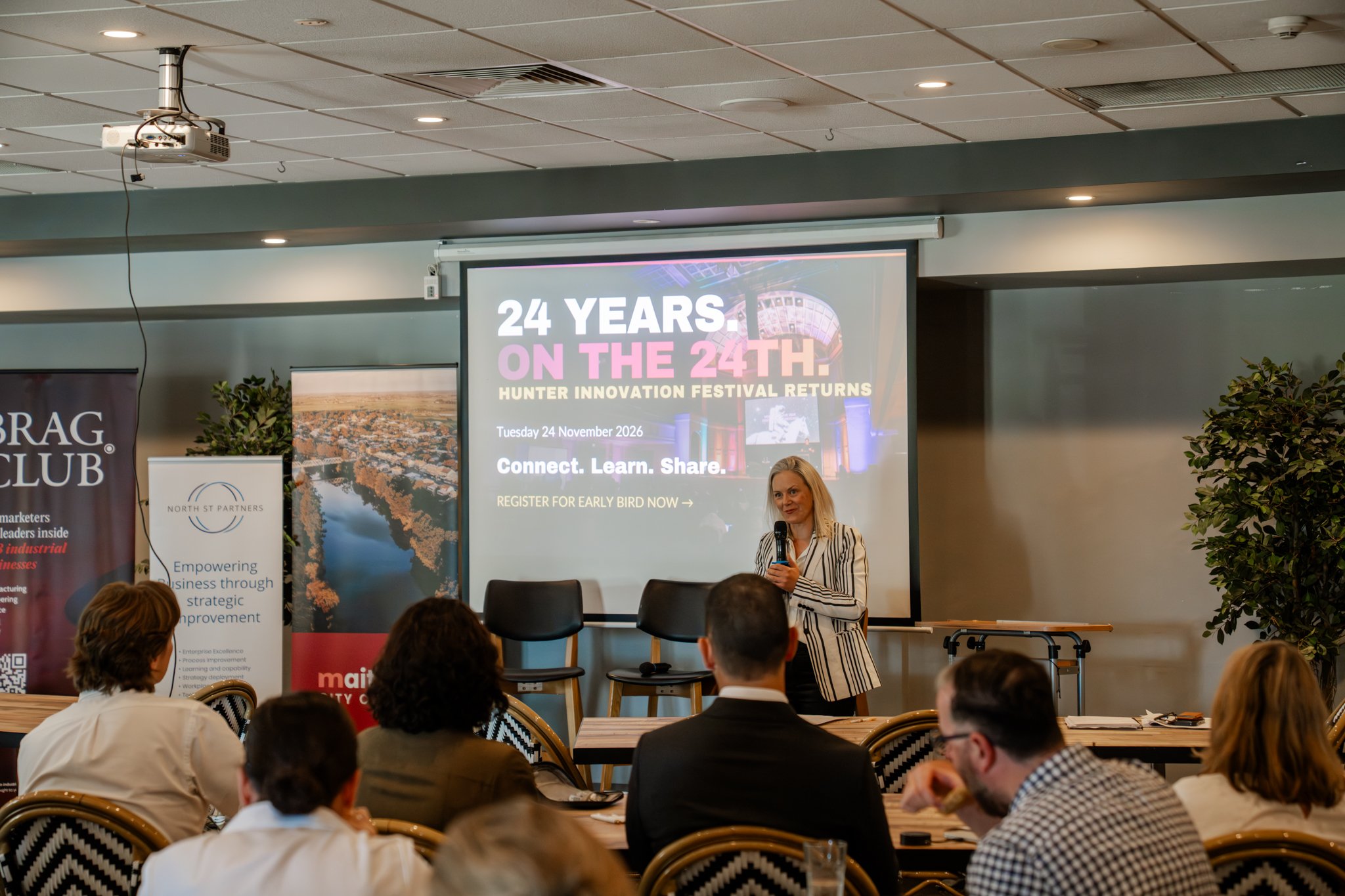
The main Festival event is Tuesday 24 November at NEX in Newcastle. Hunter iF is expecting about 600 people and, for the first time, the program on one floor: keynotes, discussion, and a lab for the work that has to continue after the day. Startup Alley has exhibition space for ten technology-led, globally minded startups. Twenty three-minute lightning talks, pictures rather than word-heavy slides, are open for ideas worth three minutes on the main stage. “We give first,” Crichton said, “and we’re here to connect, learn and share.”