Built in Muswellbrook
Big ideas tackling real industry challenges
What connects a rum distillery, equine fertility research, café scraps and a smarter way to prepare a mine blast? In the Upper Hunter, they’re all part of a conversation about what comes next.
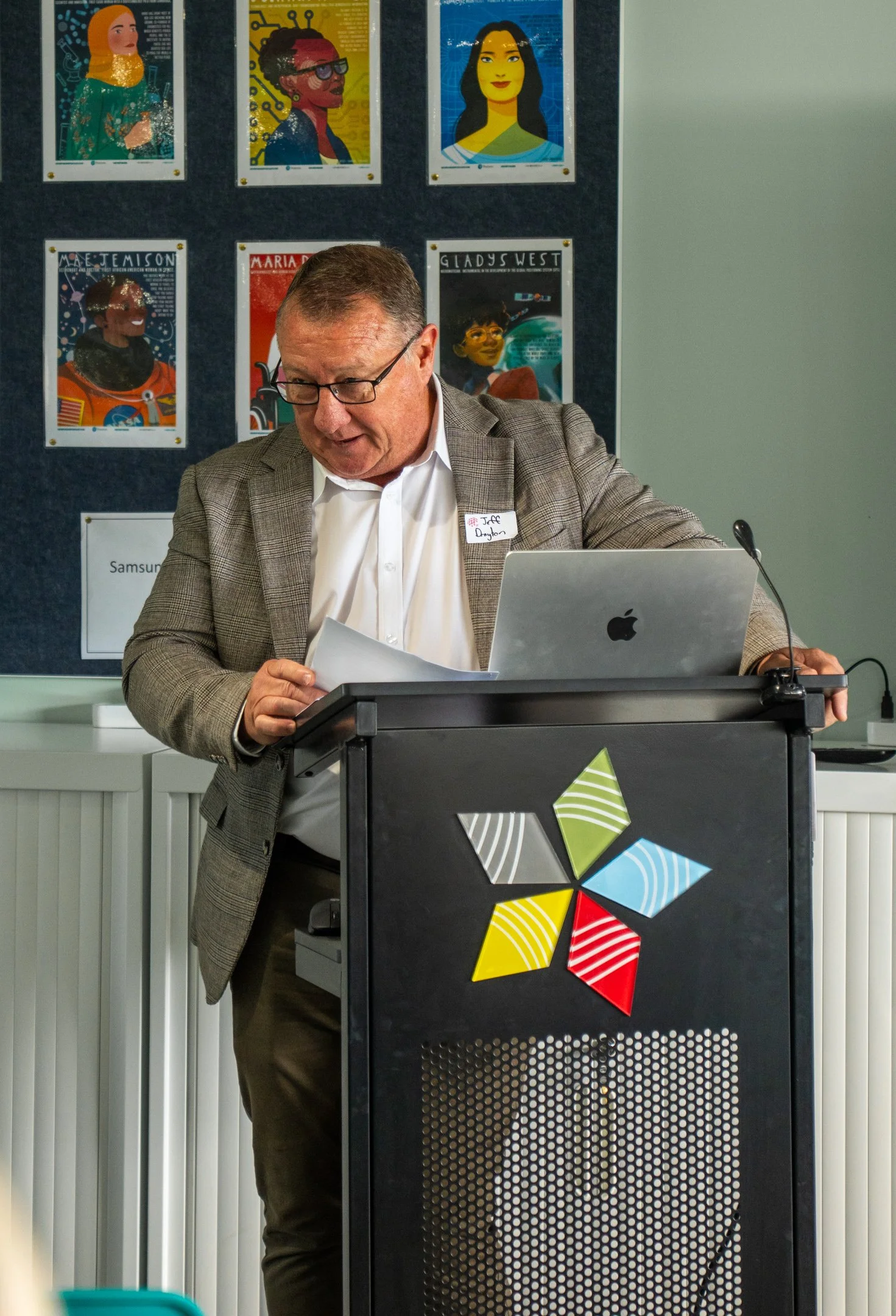
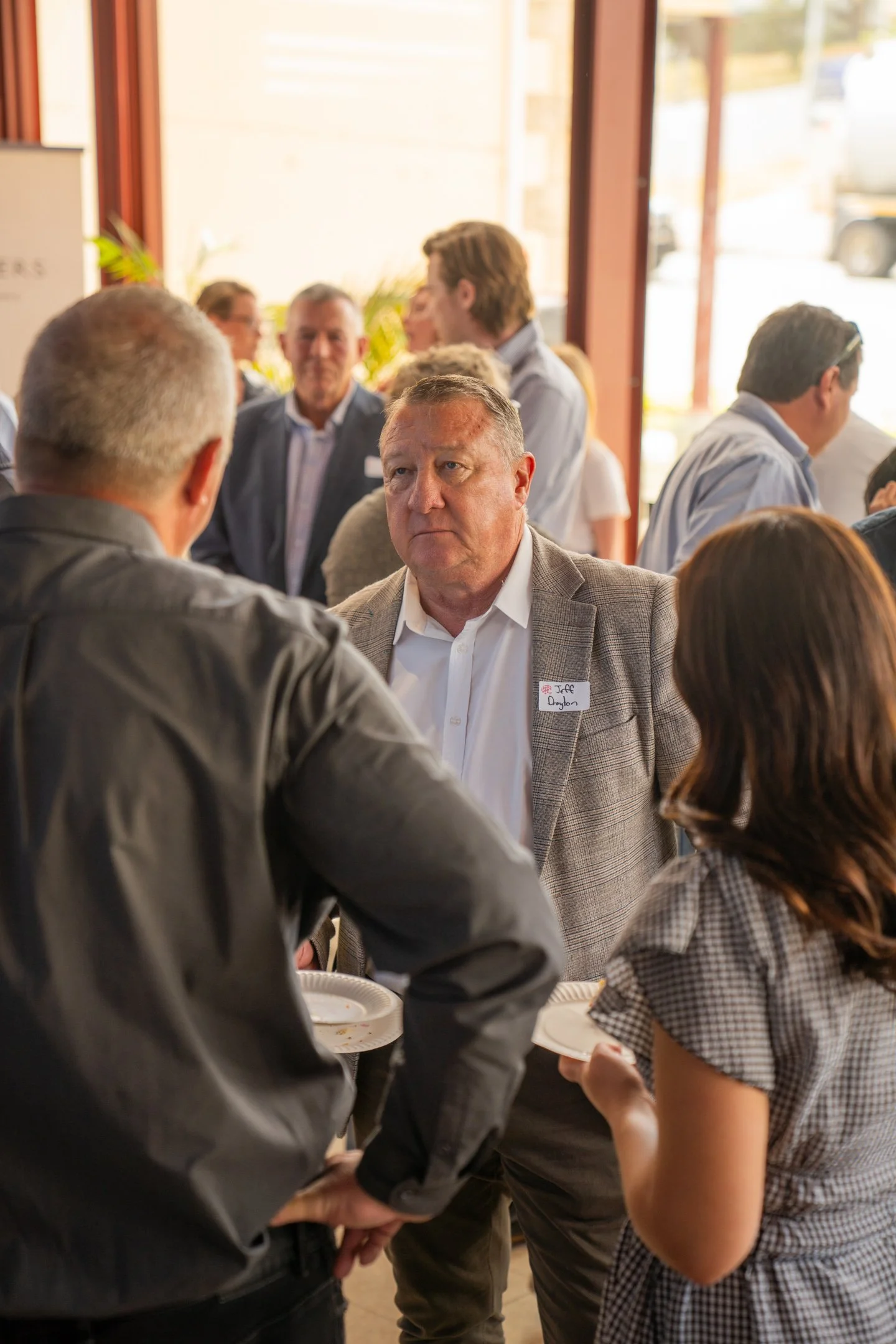
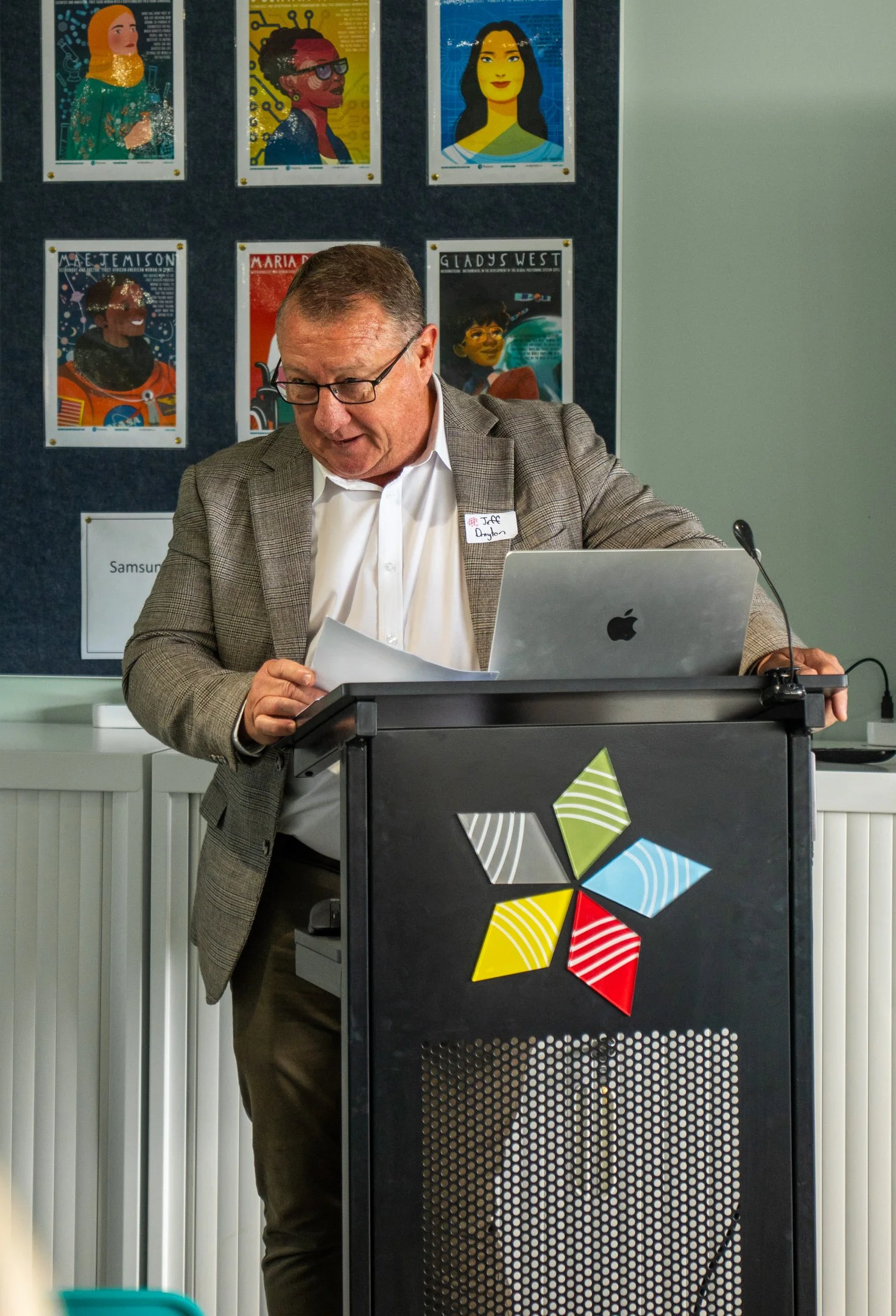
Muswellbrook Shire Mayor Jeff Drayton
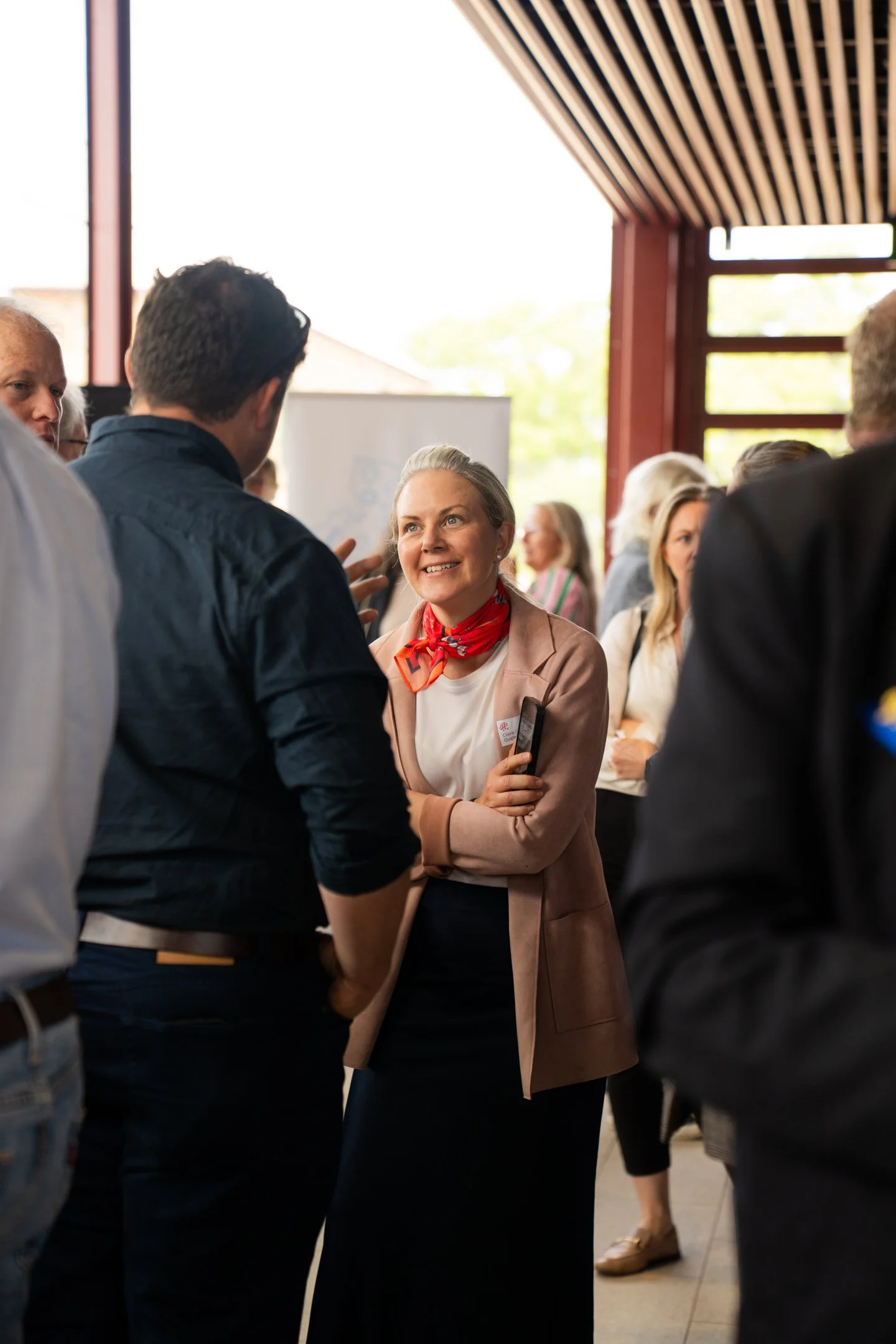
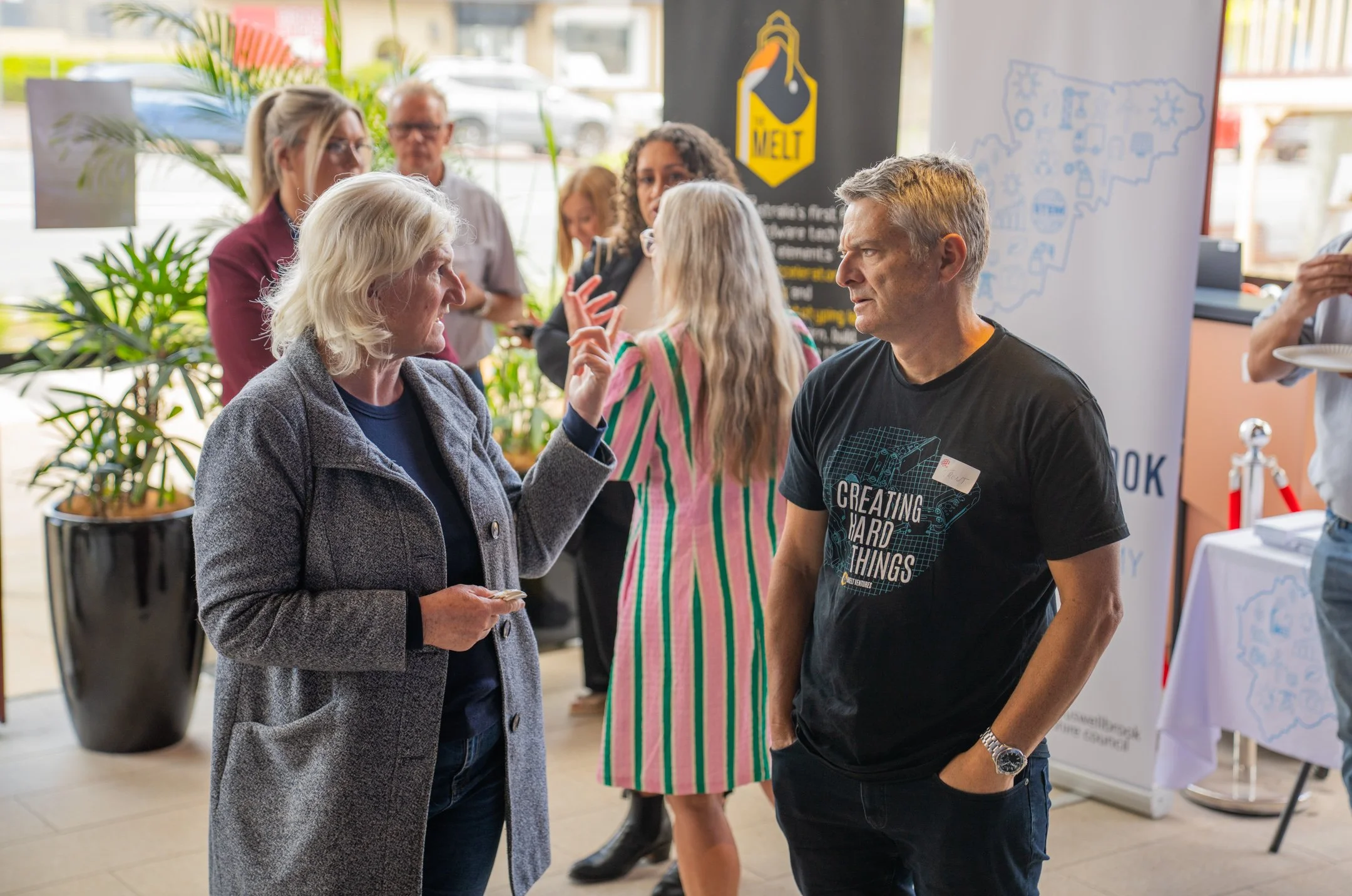
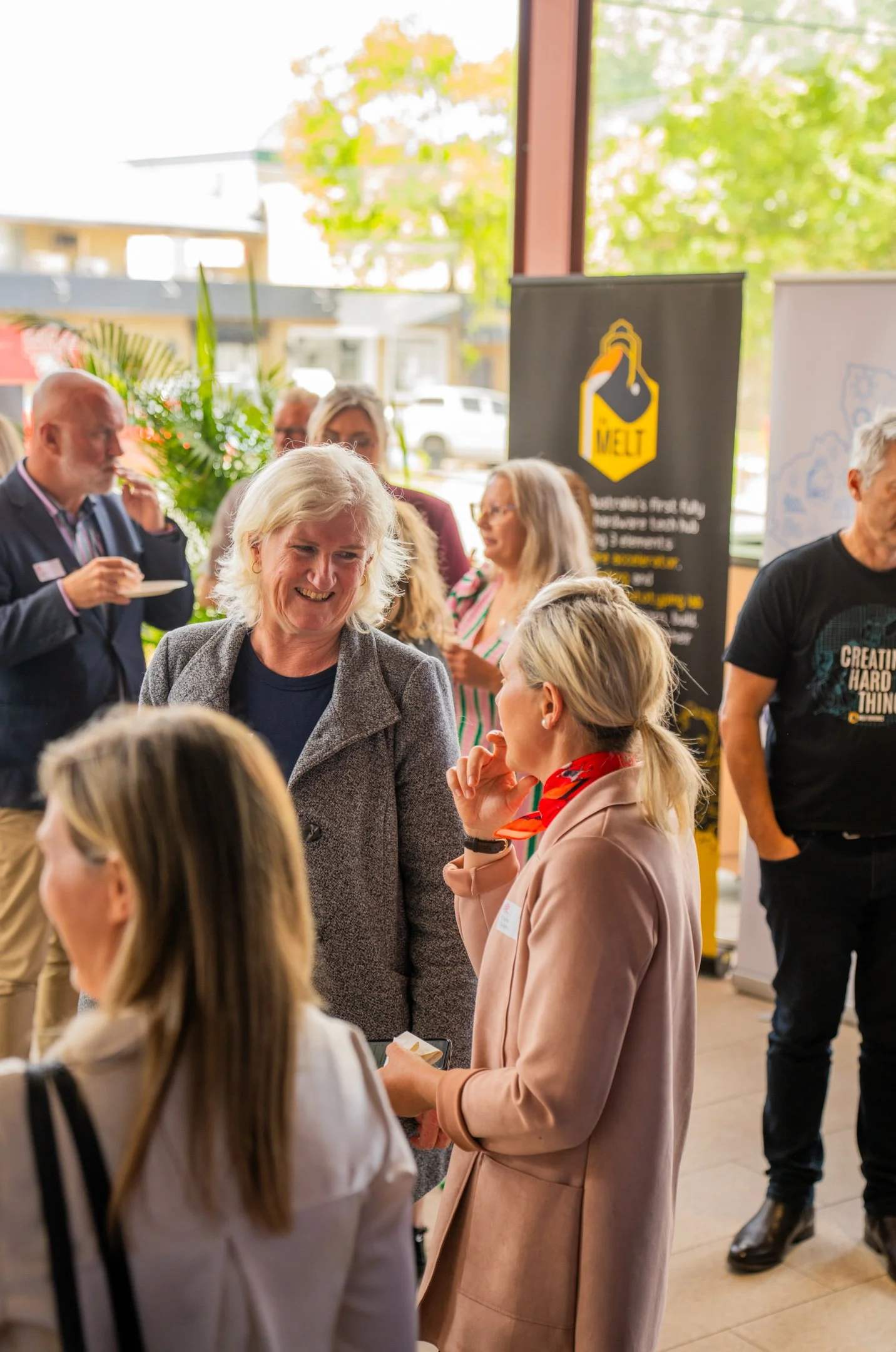
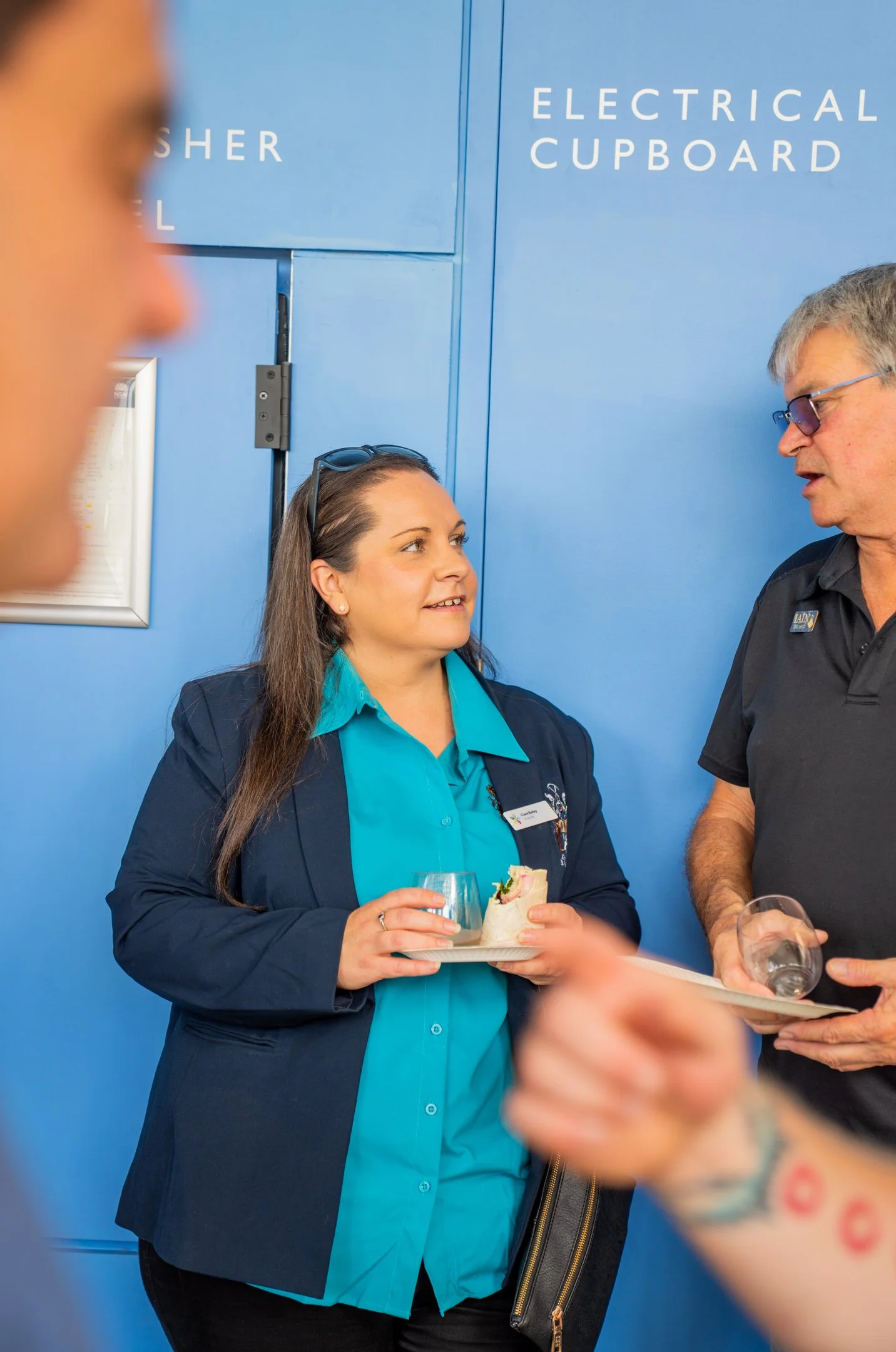
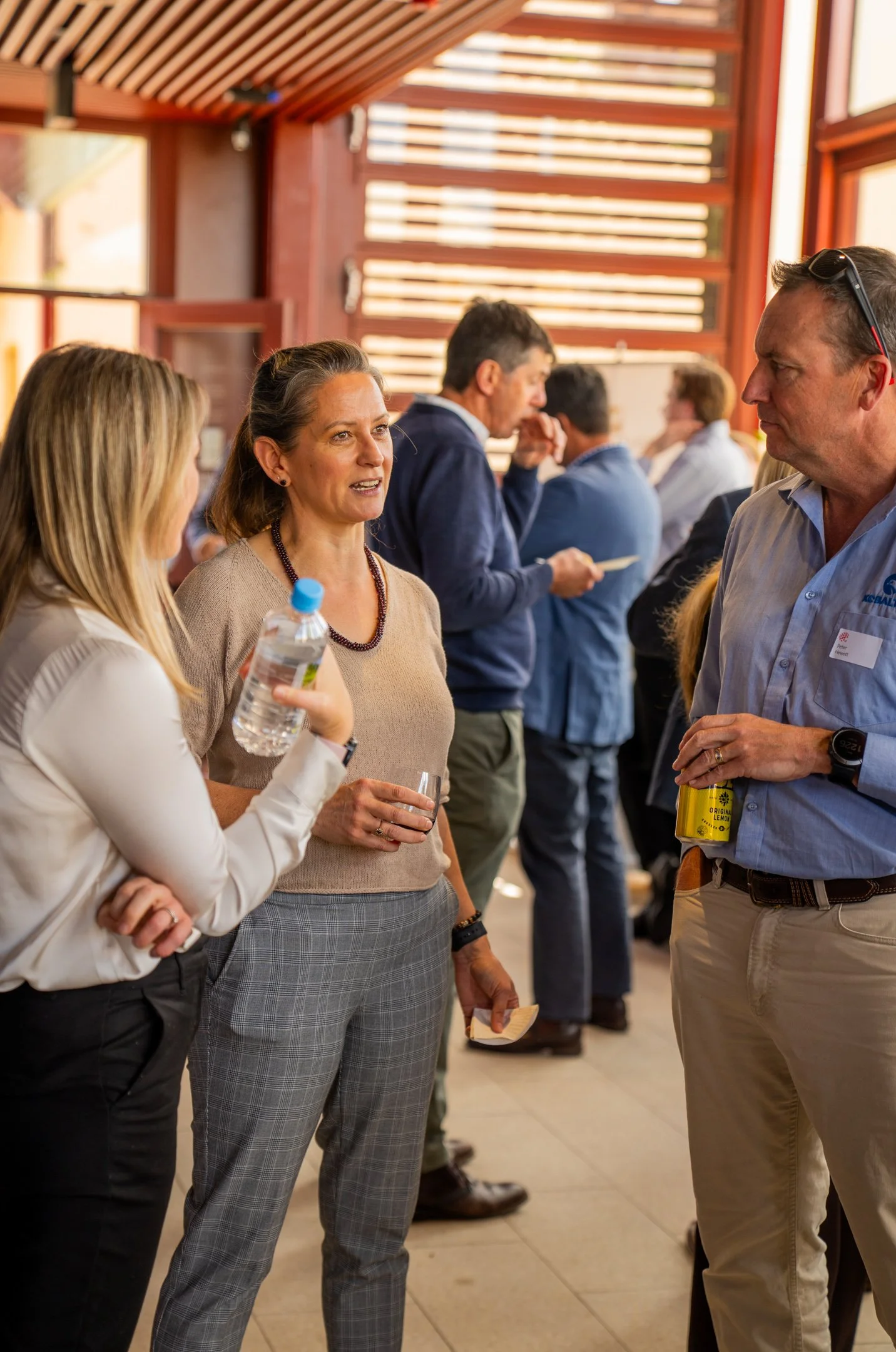
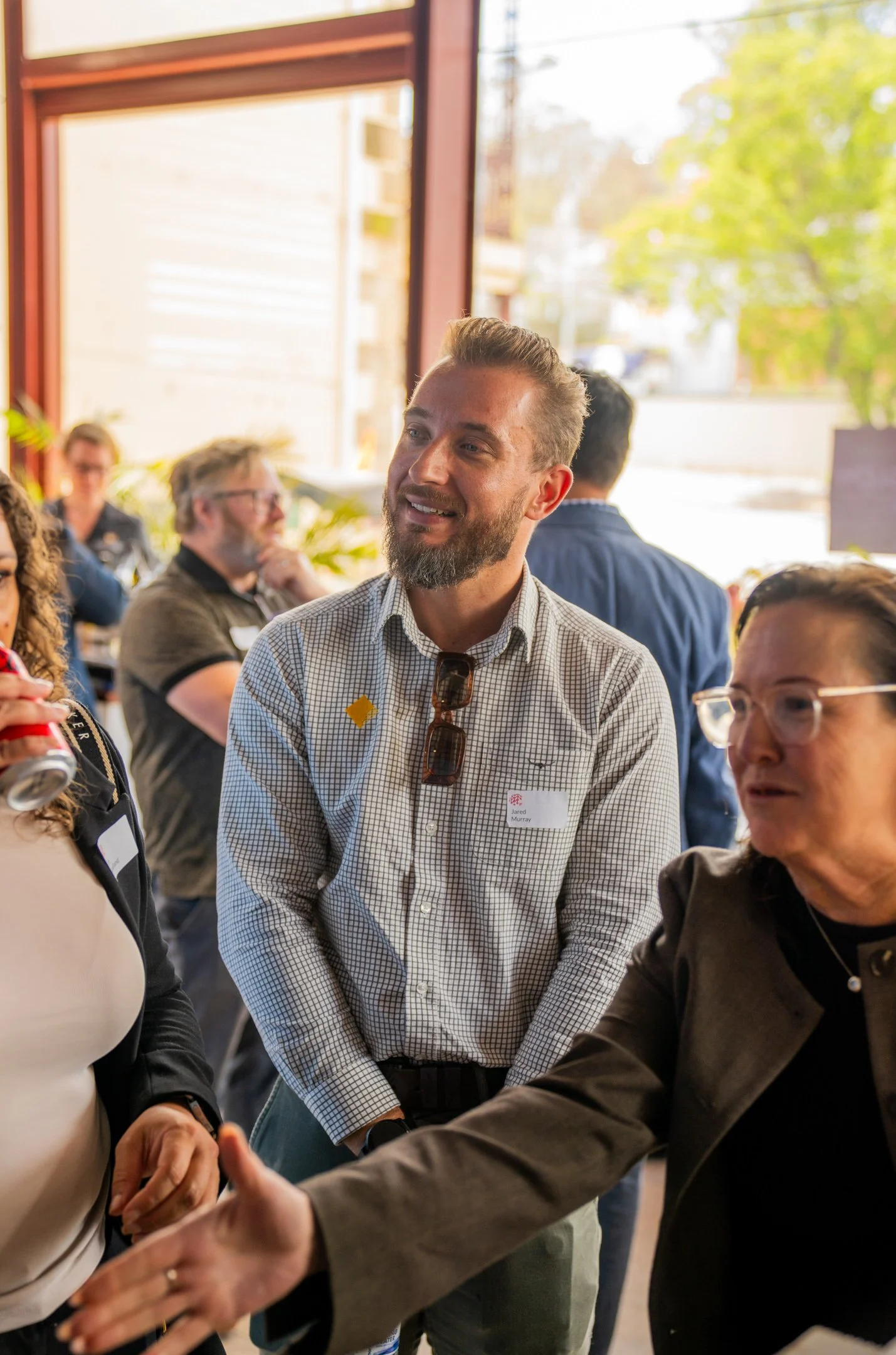
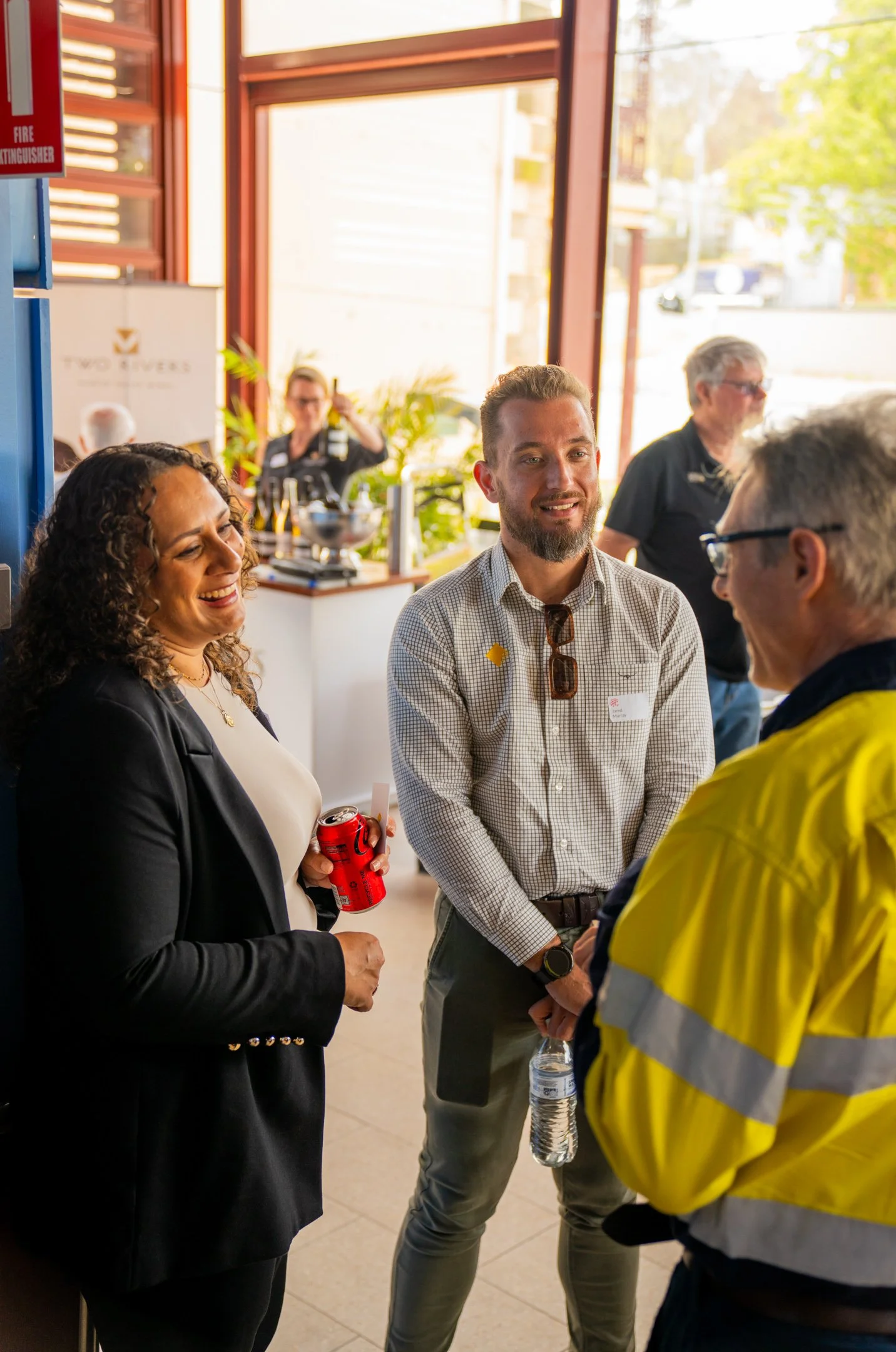
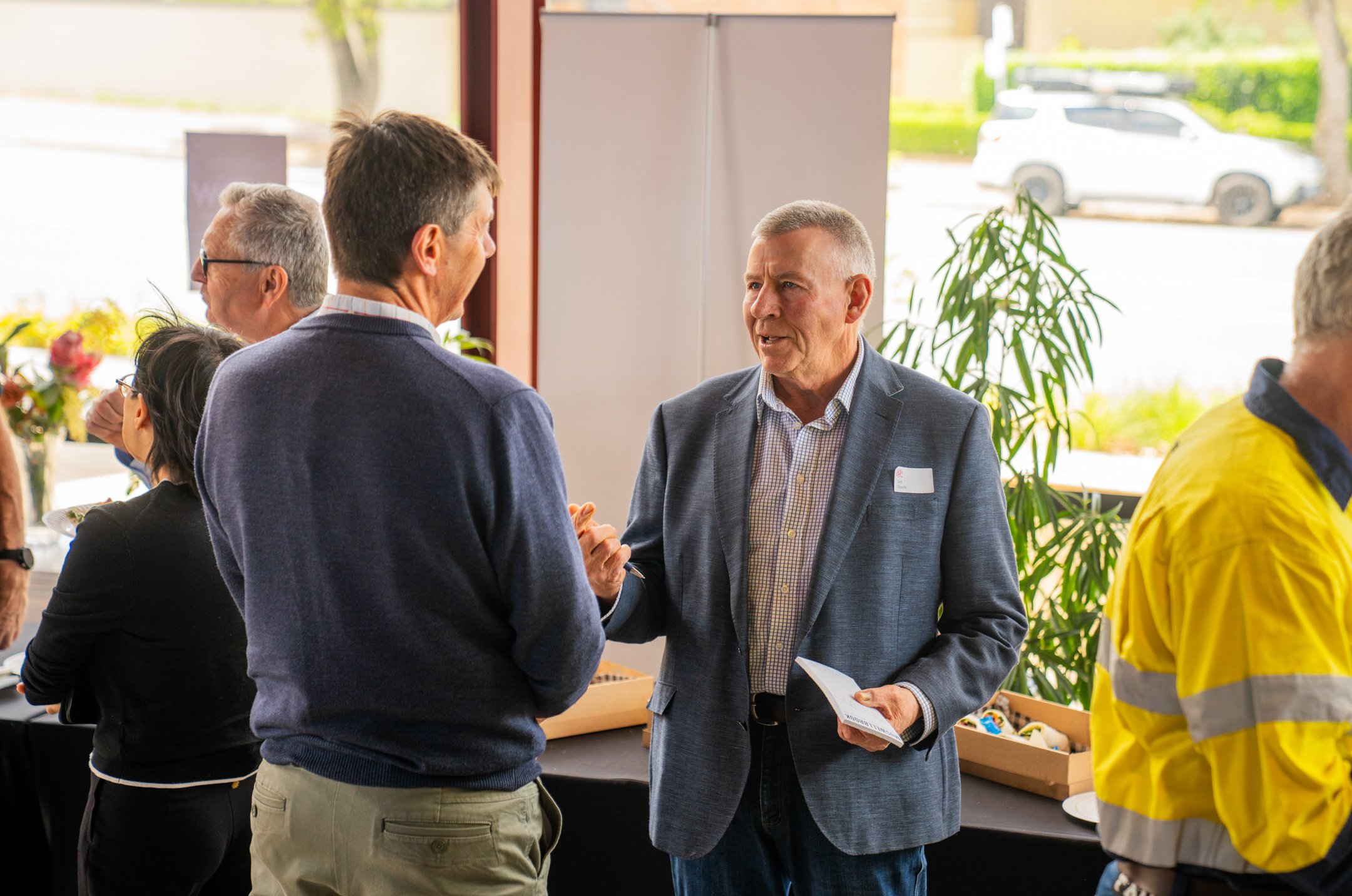
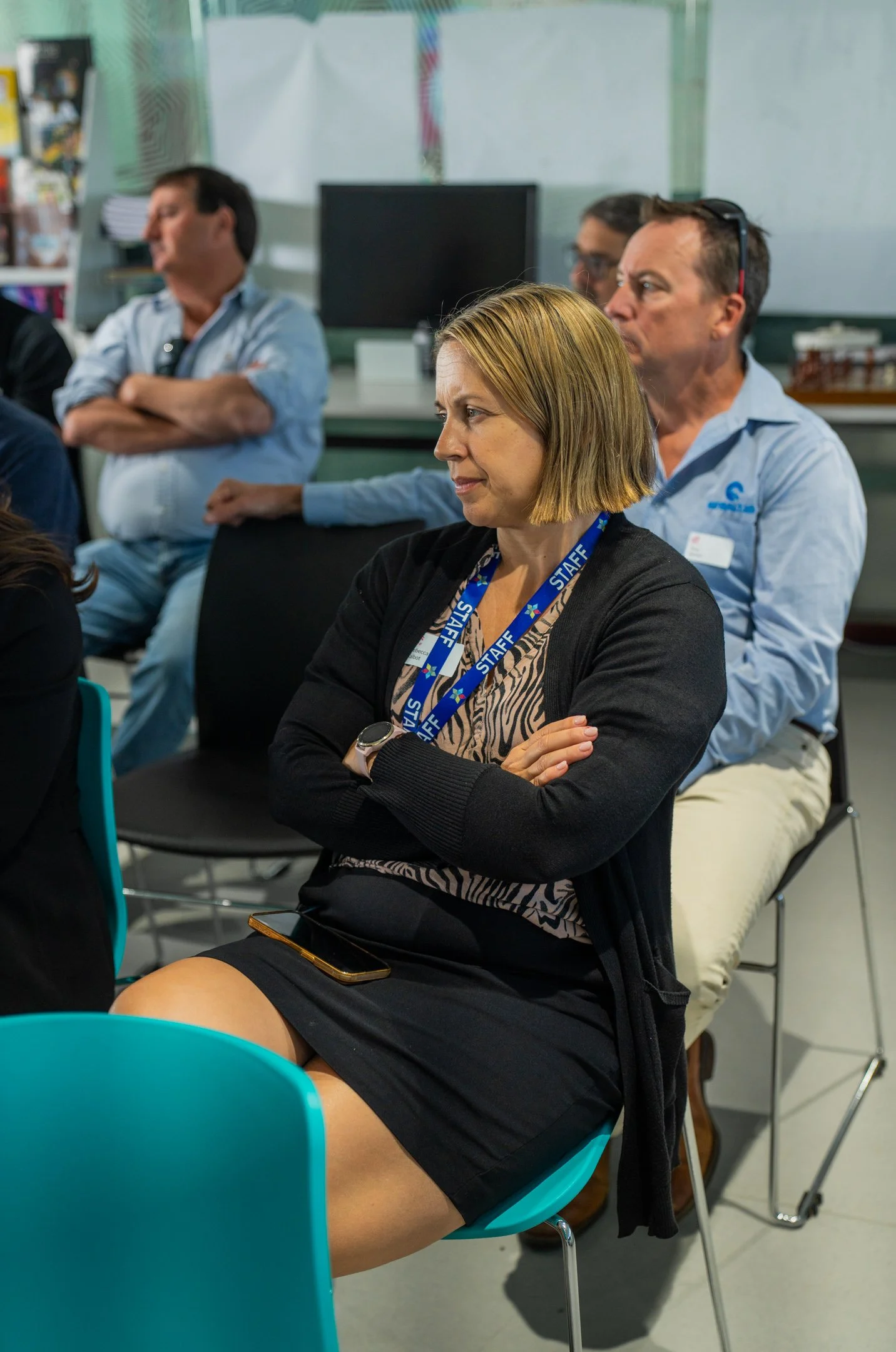
Muswellbrook’s industrial base is already widening the local economy. That was the thread running through the Hunter Innovation Festival roadshow at The Melt on Wednesday 7 October, where mining know-how, equine research and a rum distillery in an old milk factory were treated as parts of the same ledger: more industries, more jobs, and more of the value kept in town.
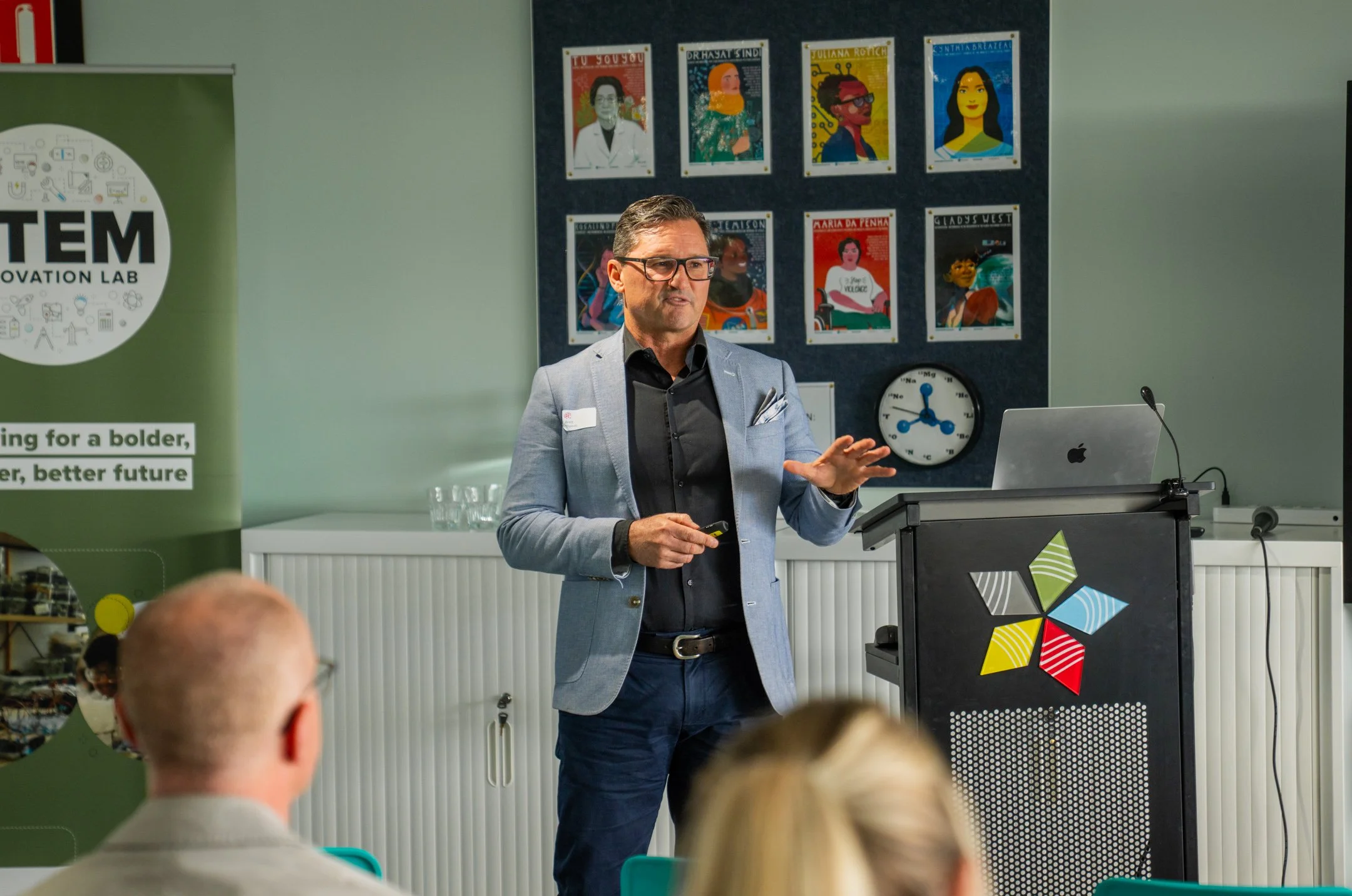
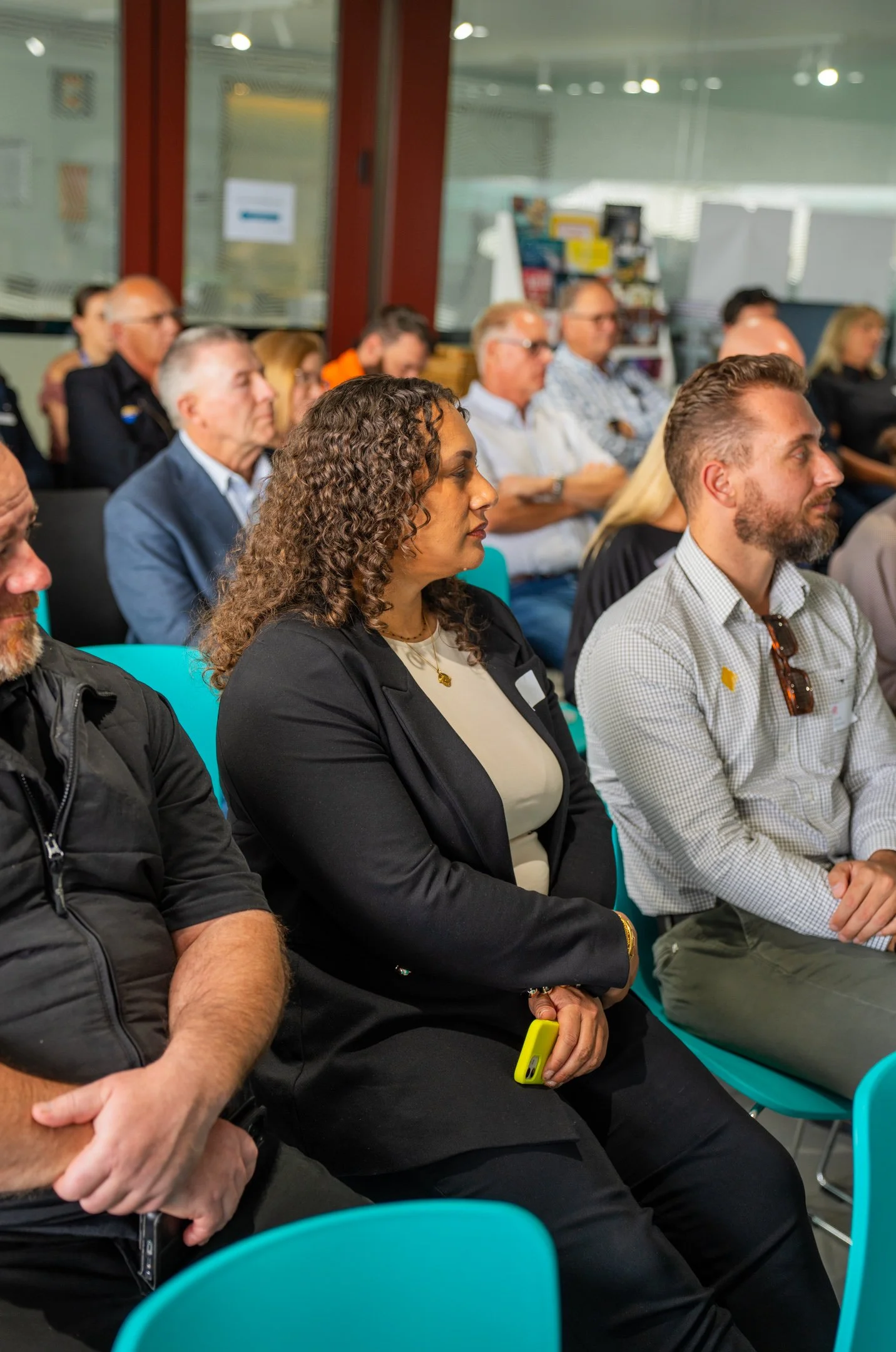
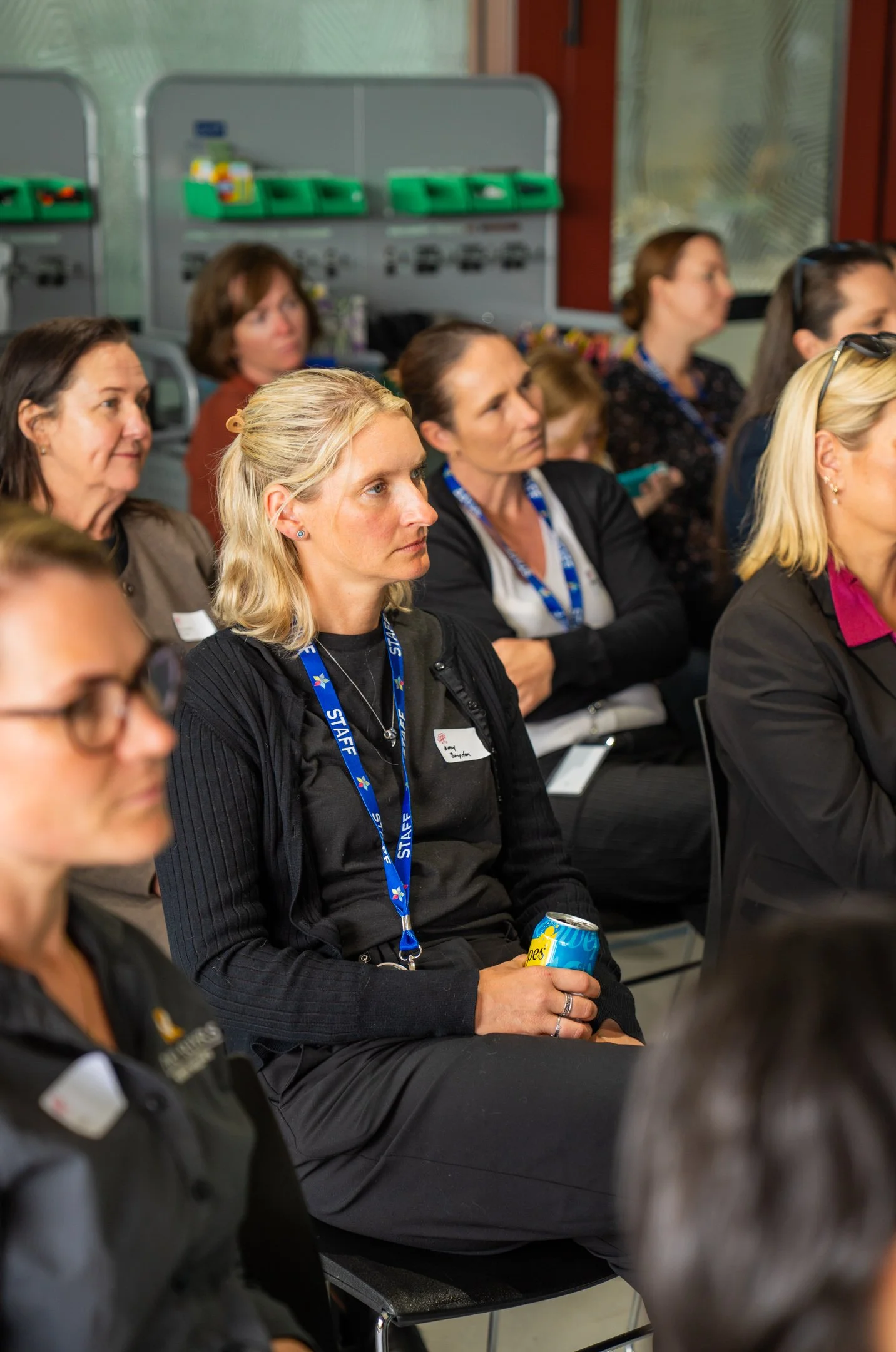
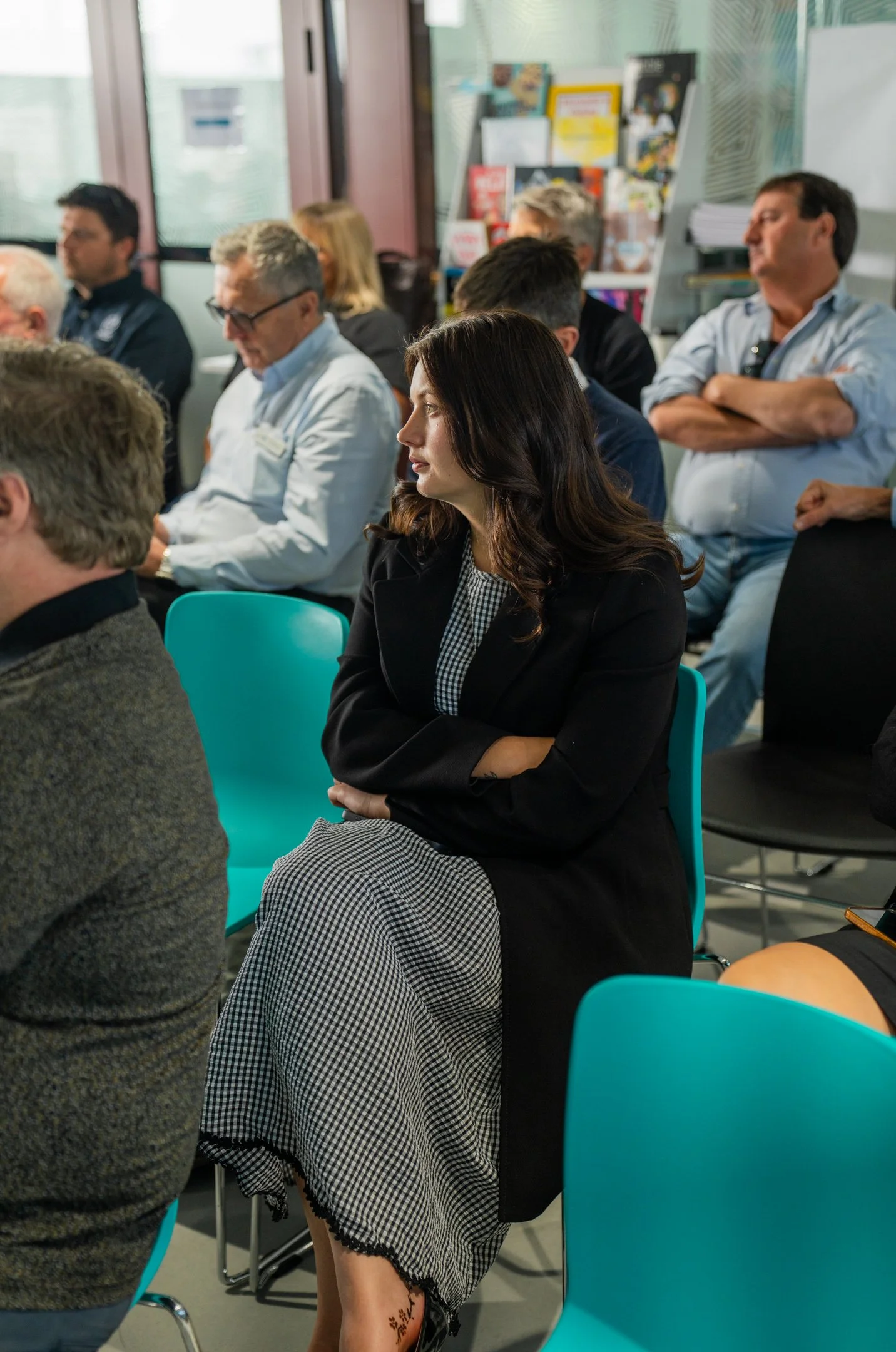
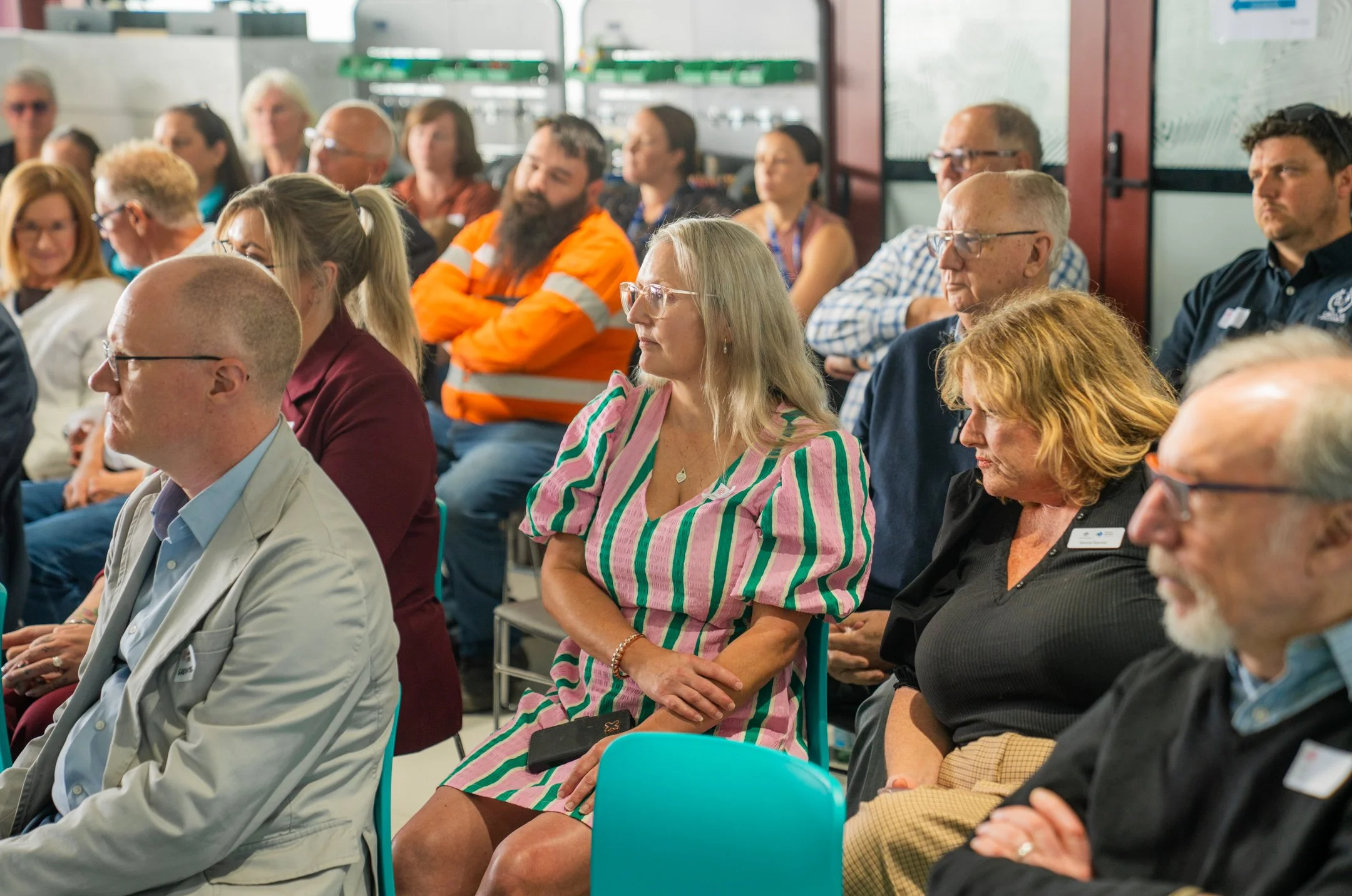
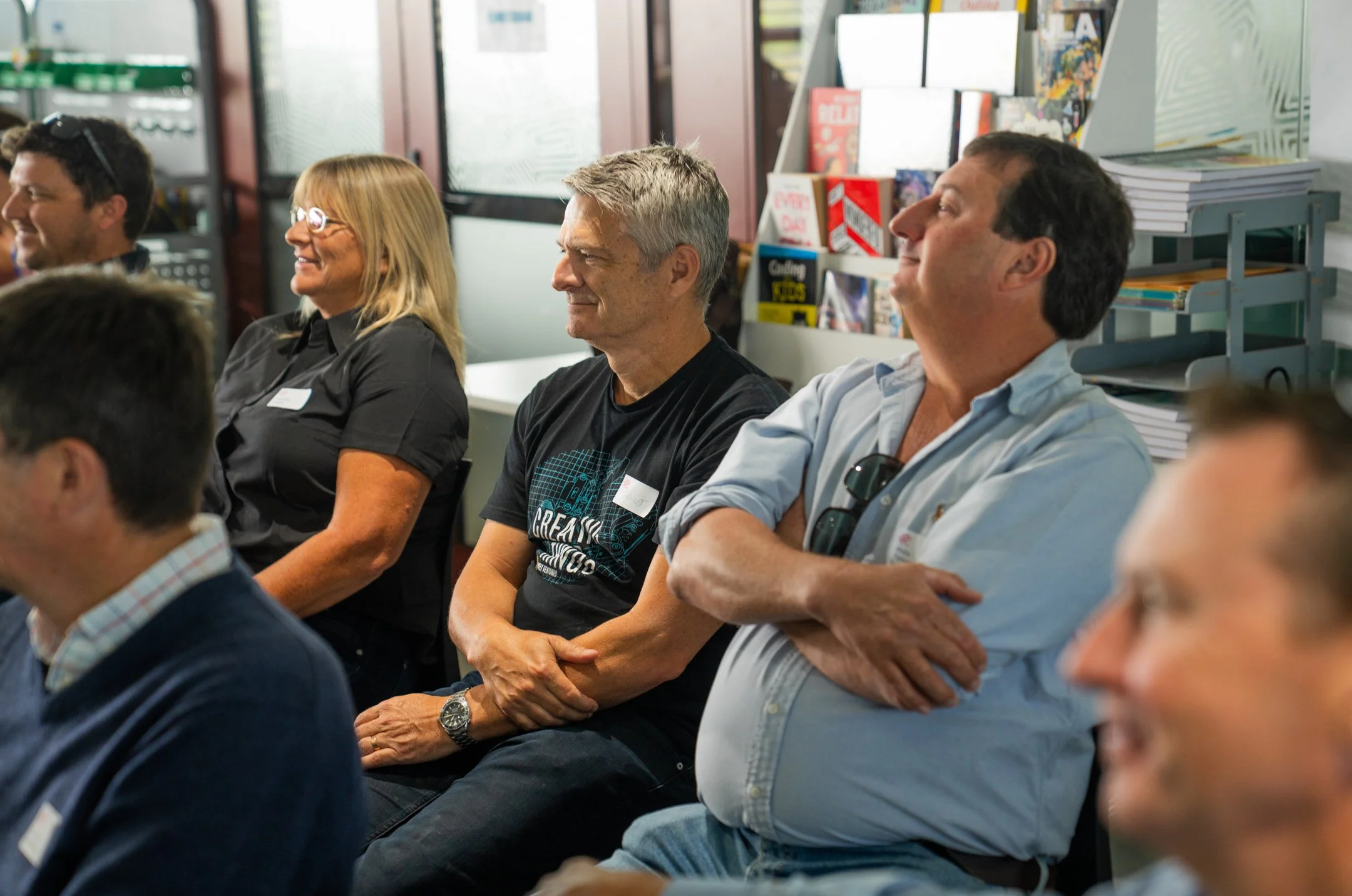
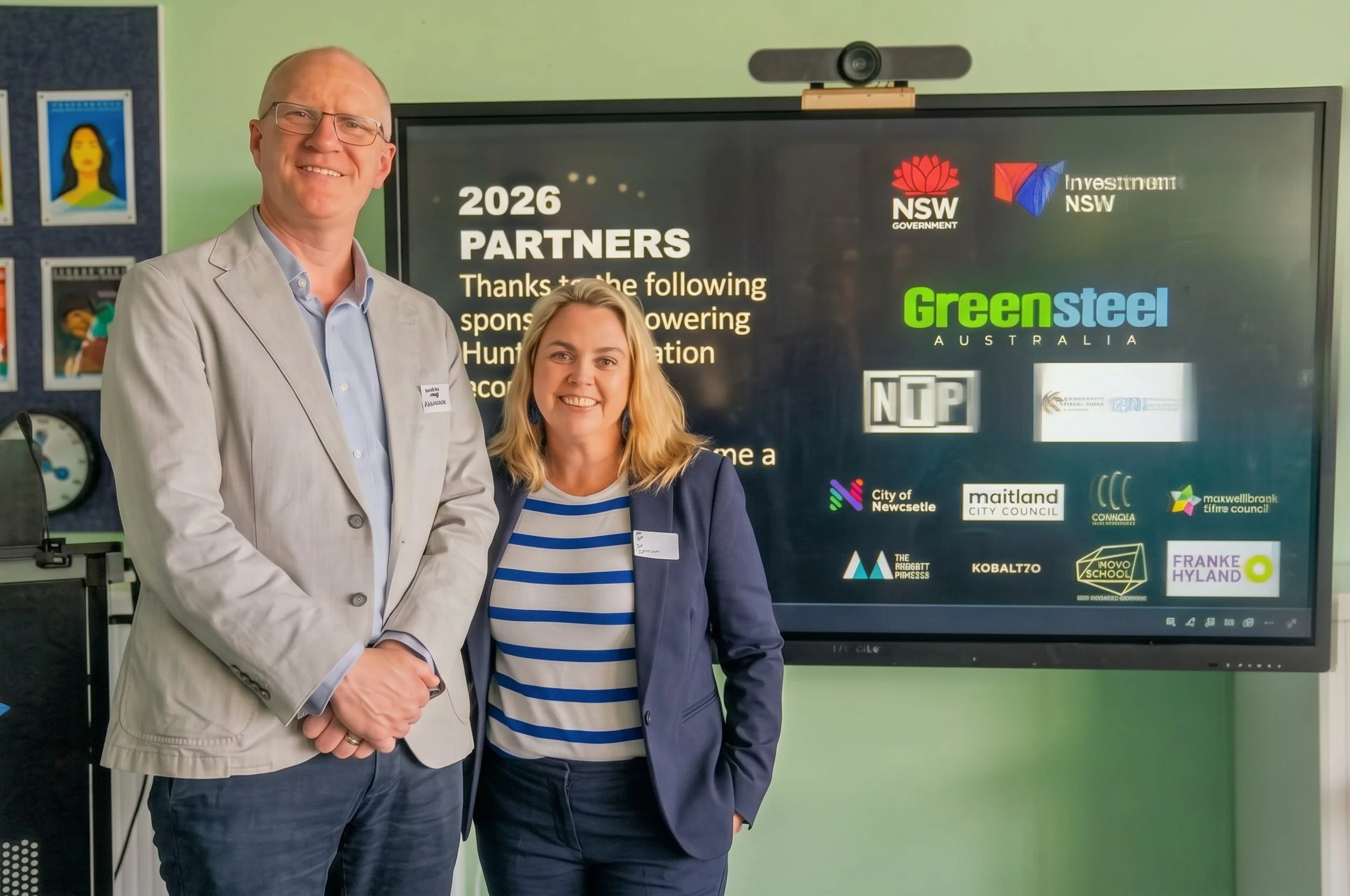
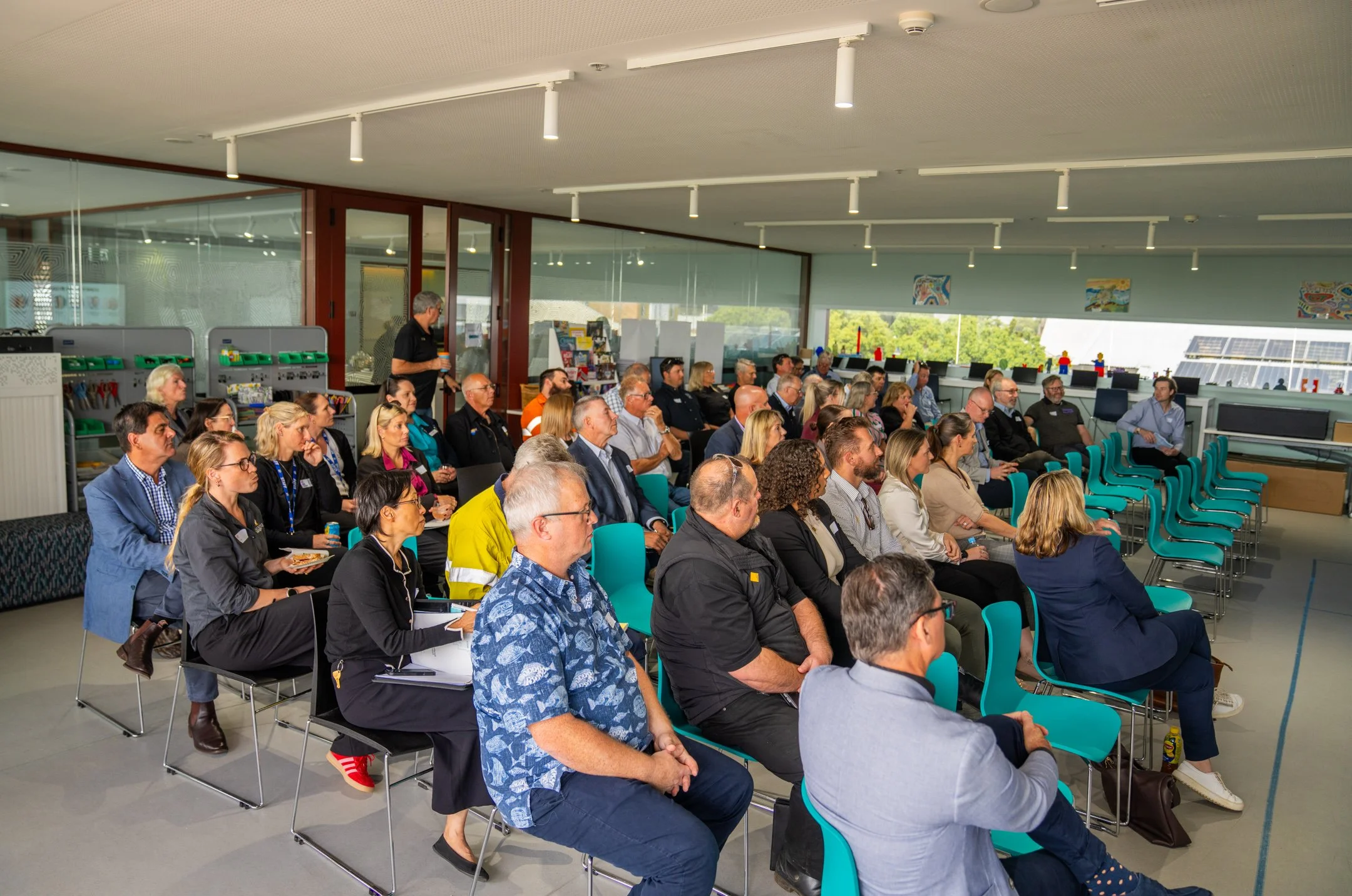
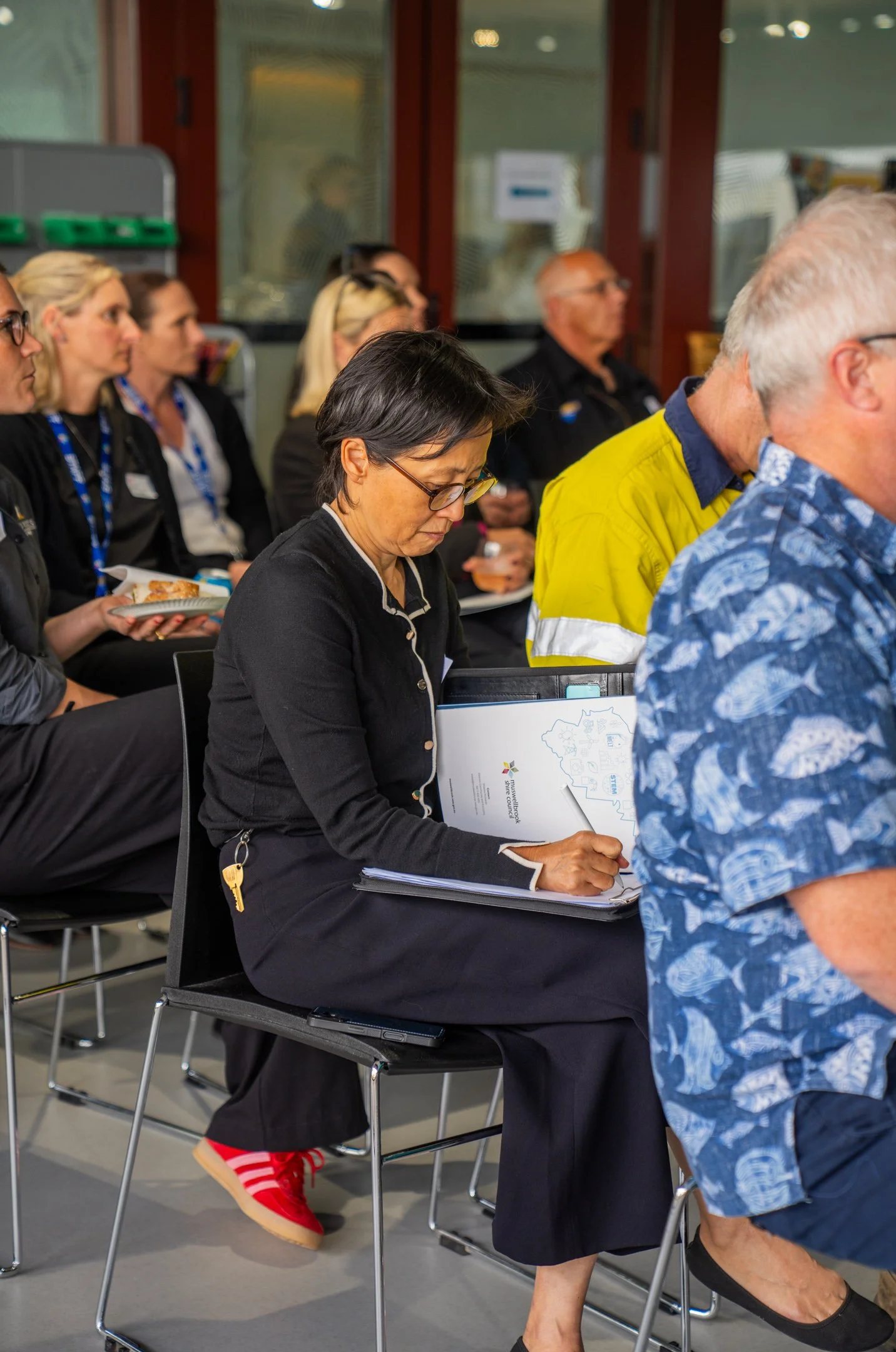
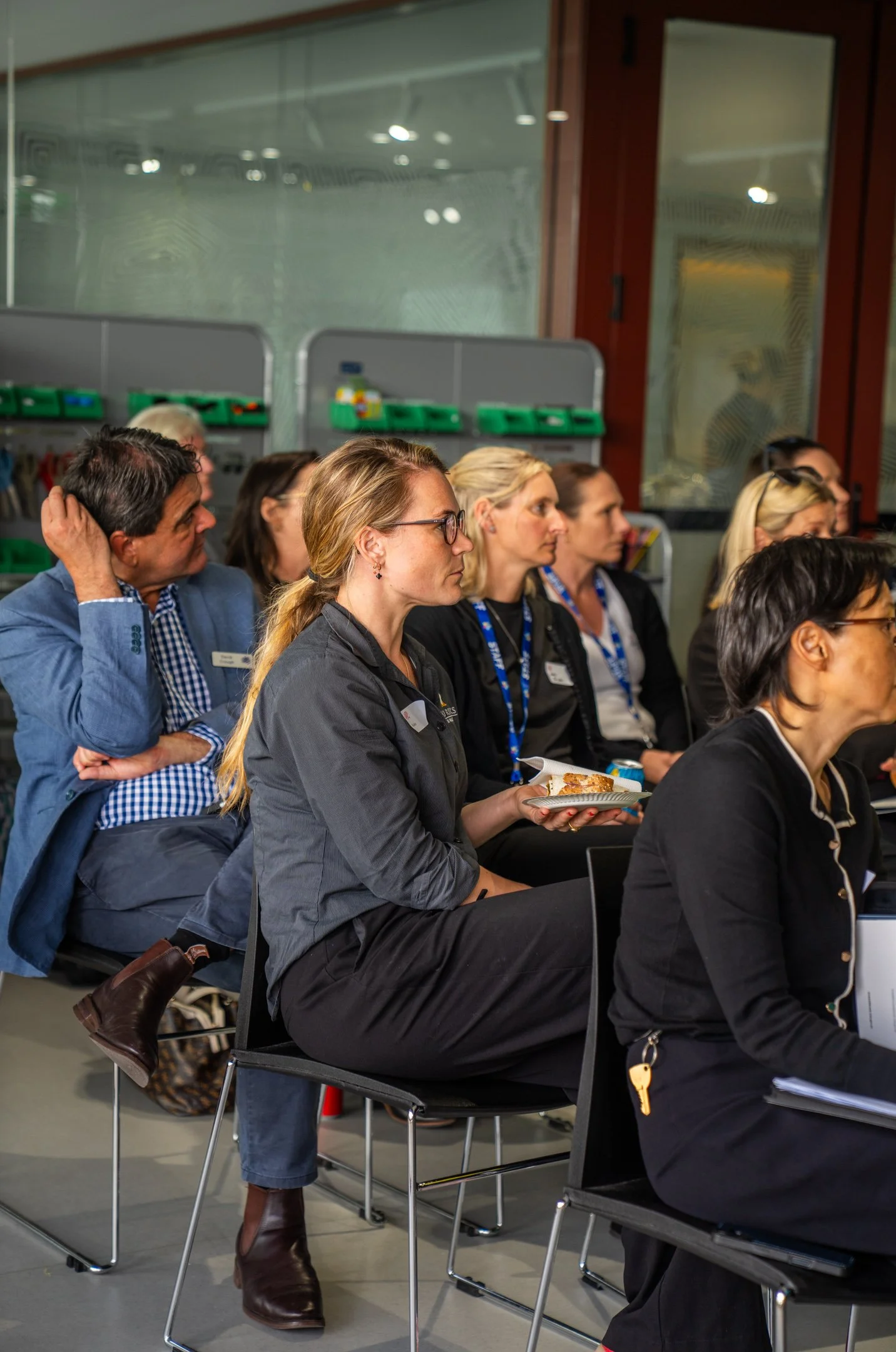
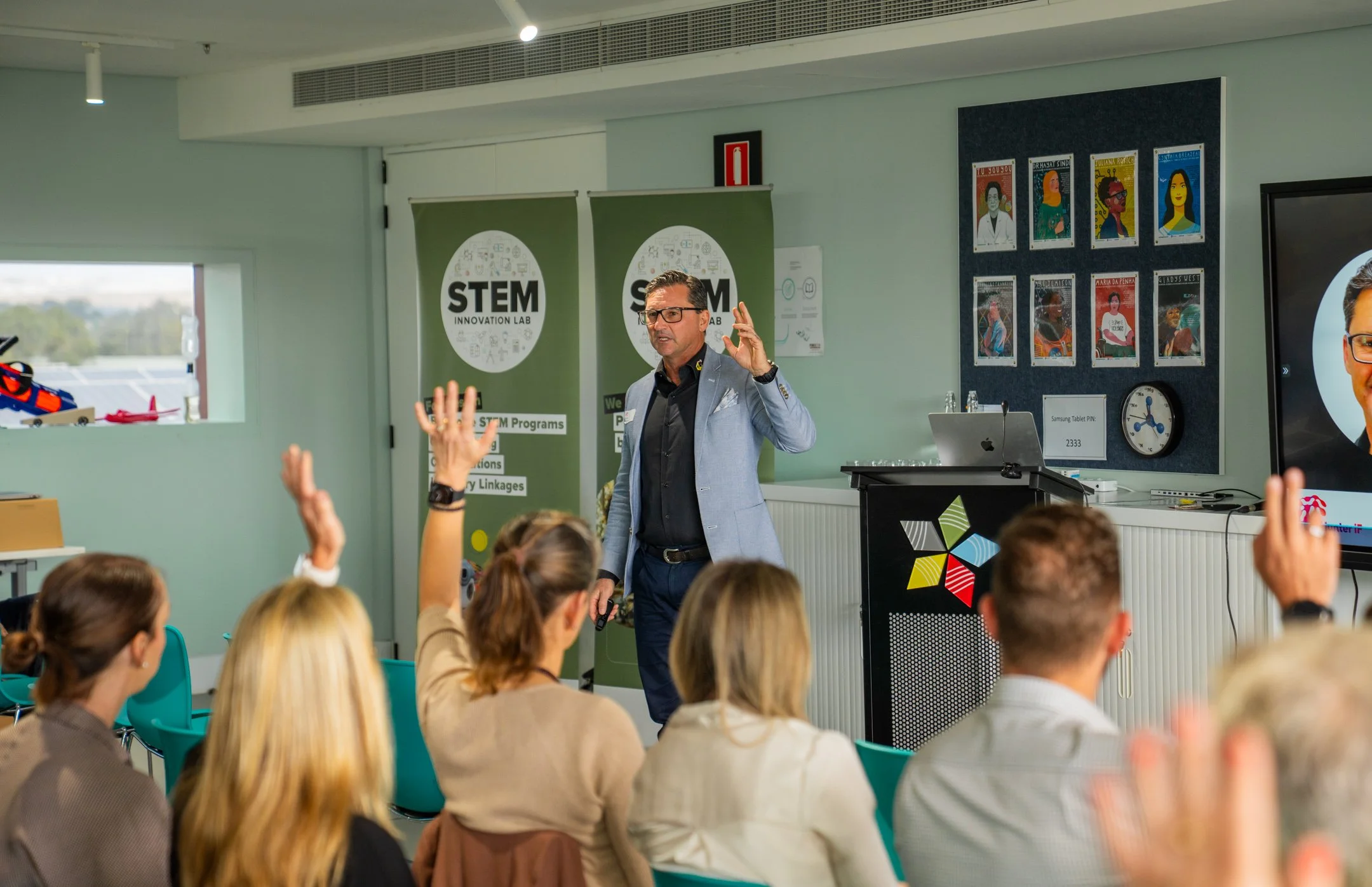
The session was held at the STEM Innovation Lab in the Donald Horne Building. Muswellbrook Shire mayor Jeff Drayton opened it by arguing the Hunter is not starting from scratch.
“We have generations of industrial knowledge. We have major infrastructure, established businesses and supply chains here already. We have people who know how to solve problems, build things and get things done,” he said.
Mining and energy still carry the town, he said, and the task to 2030 is to diversify that industrial base. “Innovation doesn’t always mean a billion-dollar project or a big announcement. Sometimes it starts with a local business doing something differently.”
A hardware accelerator in the old industrial heart
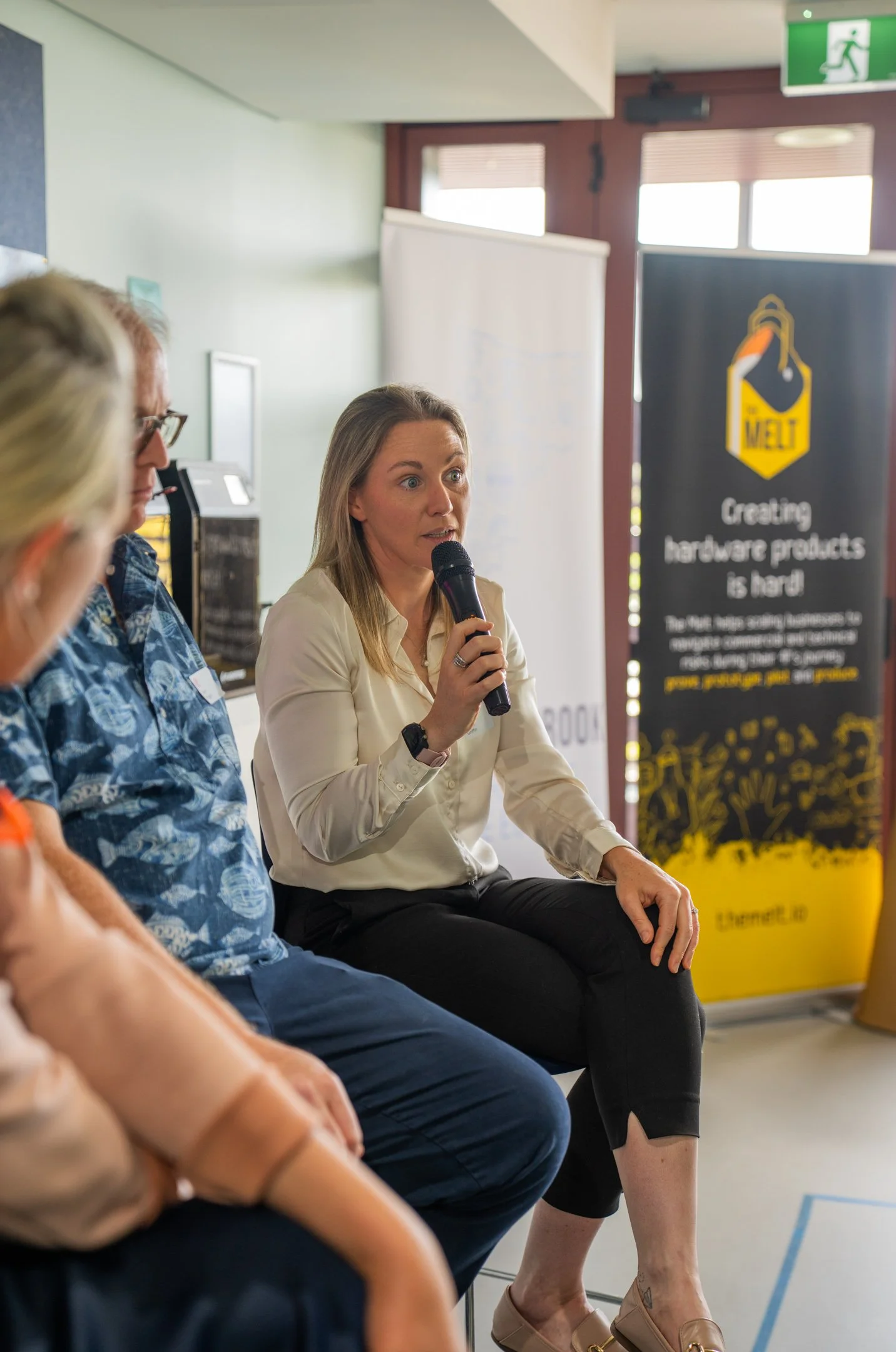
Brett Thomas, partner and chief operating officer of The Melt, set out why that work is happening in Muswellbrook. The Melt has operated since 2019 as a hardware accelerator and prototyping hub, with a venture fund aimed at clean climate technology and advanced manufacturing. Its pathway runs from Engage, which takes early-stage funding of up to about $150,000, through Accelerate and into Nova, a tailored scale-up program built around follow-on capital and 42 fractional services rather than a fixed curriculum.
Thomas said the program has drawn 340 applications in four years and taken 120 startups through. Those companies have created 255 jobs, worth about $18 million in salaries, raised $258 million, and secured $49 million in government grants. Melt Ventures has invested in 20 portfolio companies. Alumni have also taken 23 per cent of the funding awarded in the first two rounds of the Clean Technology Innovation Fund.
“When our startup products succeed, everybody wins. We truly believe that,” he said.
Rum, horses, and the same regional ledger
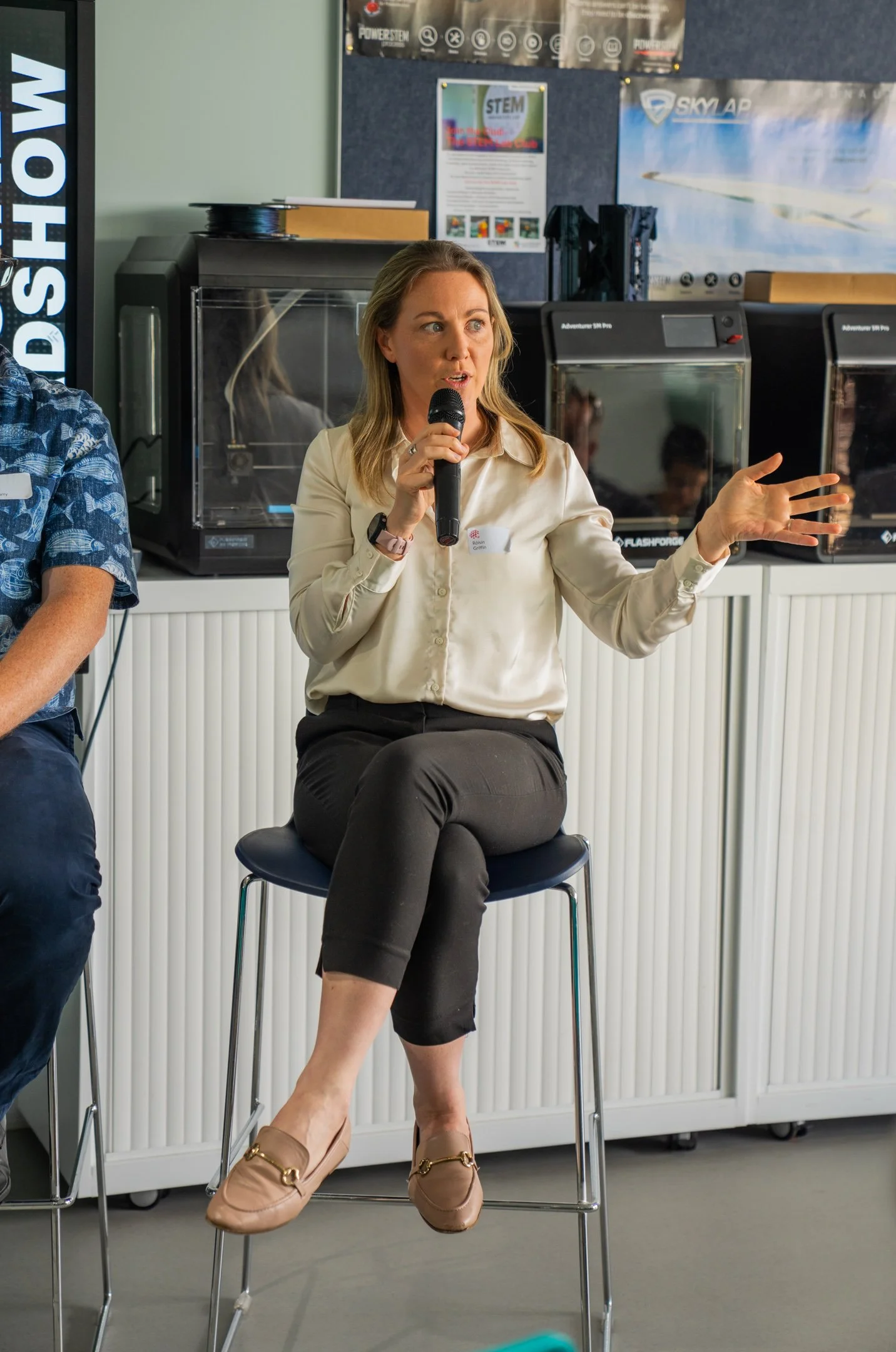
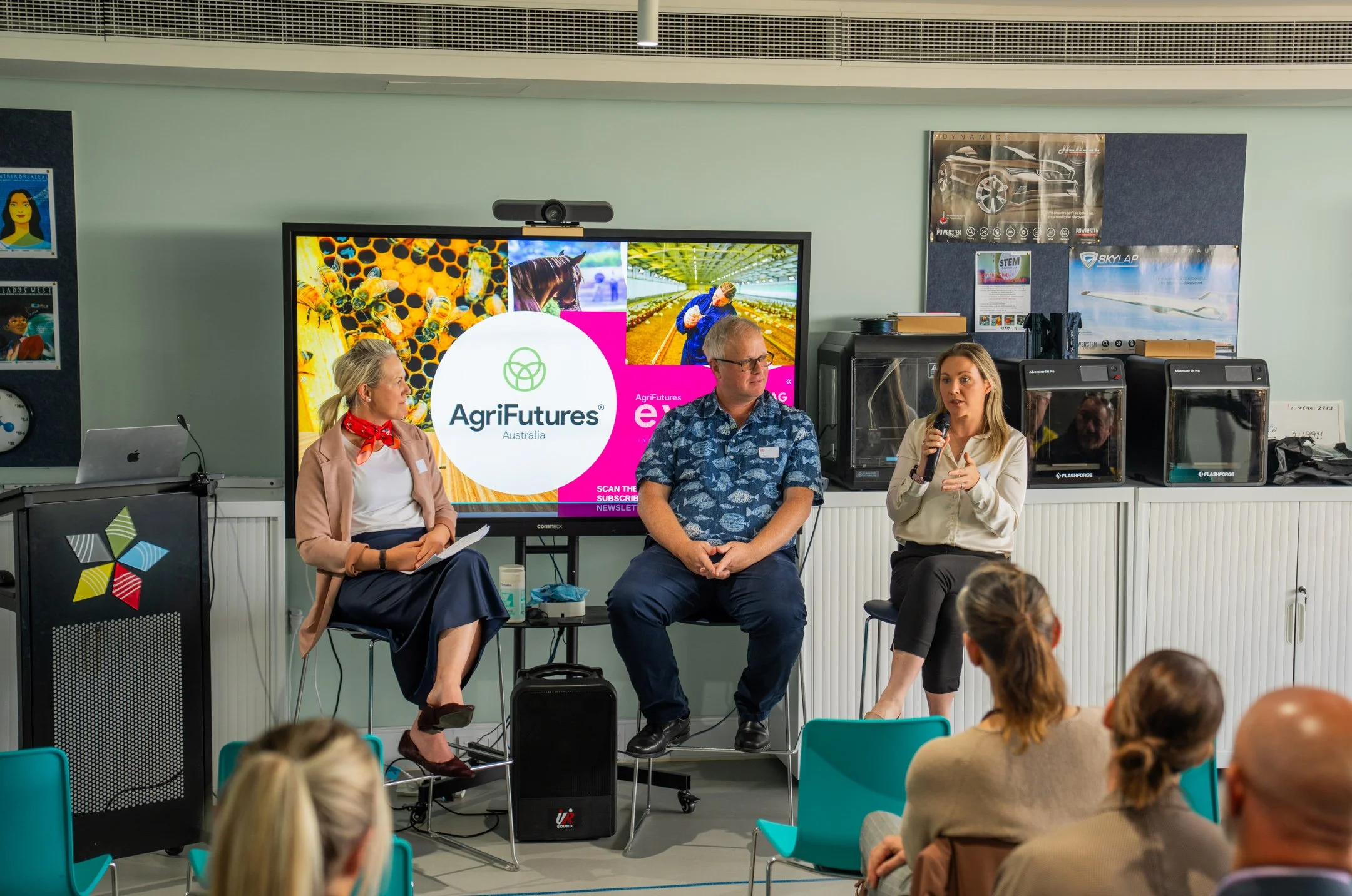
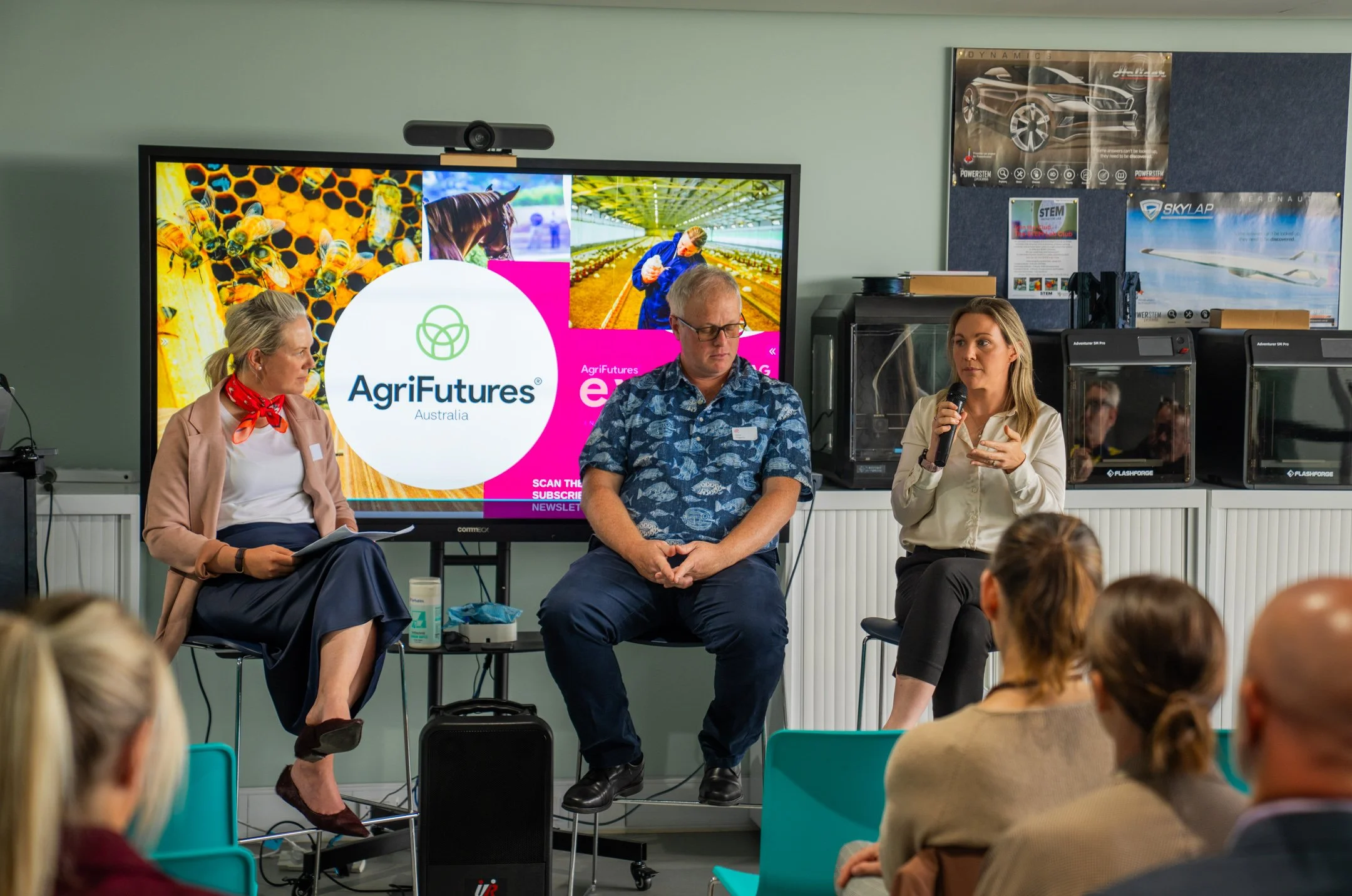
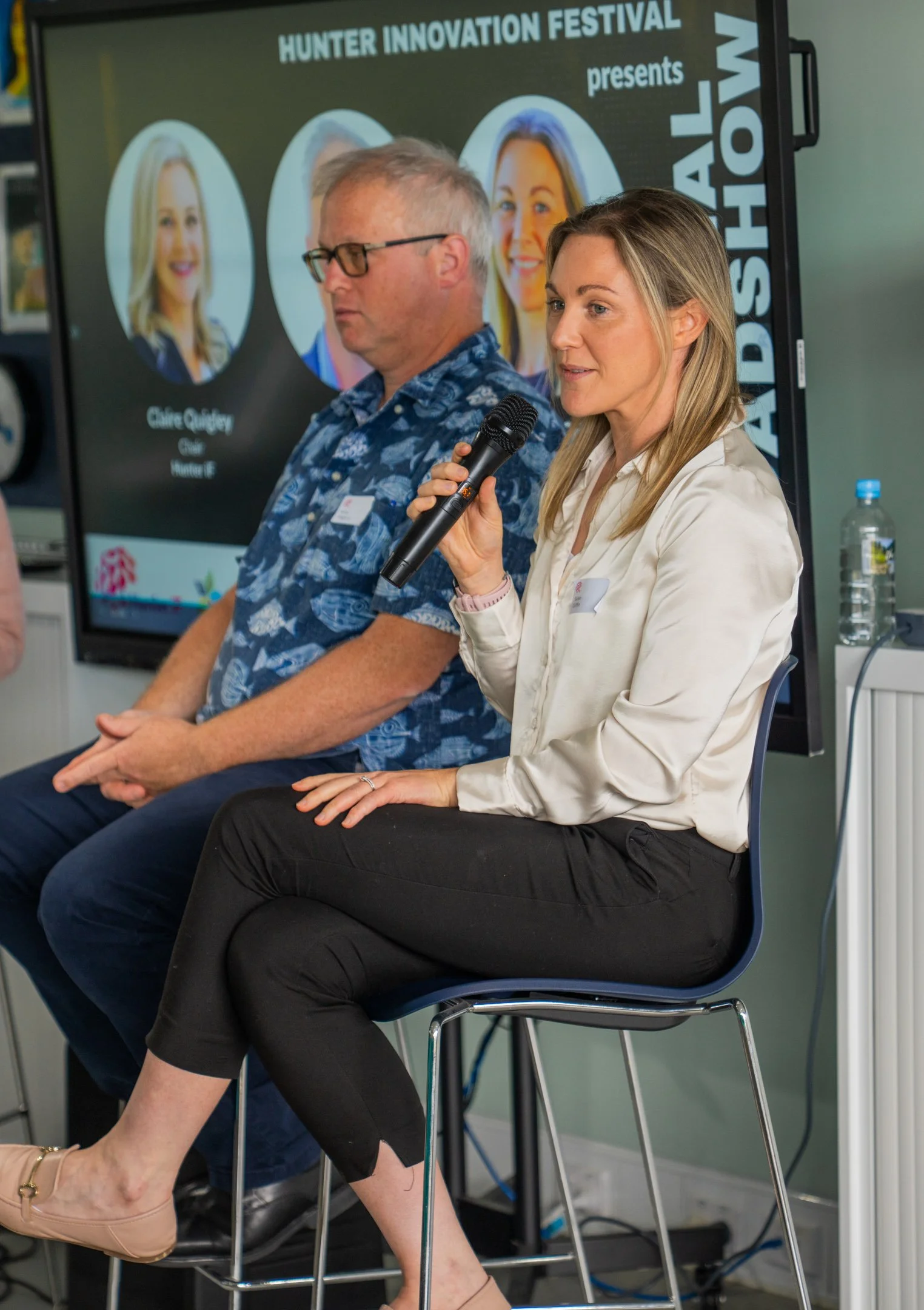
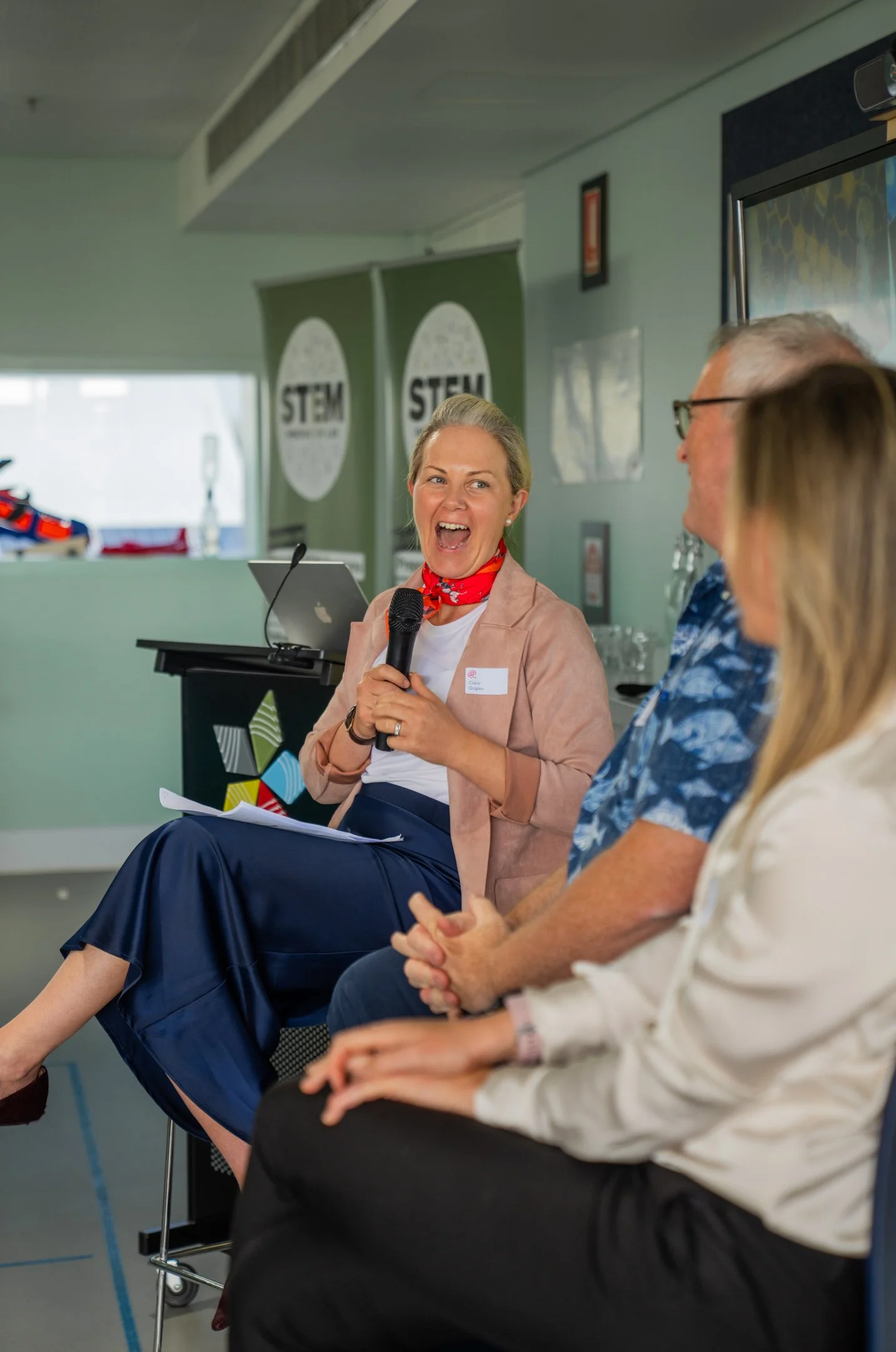
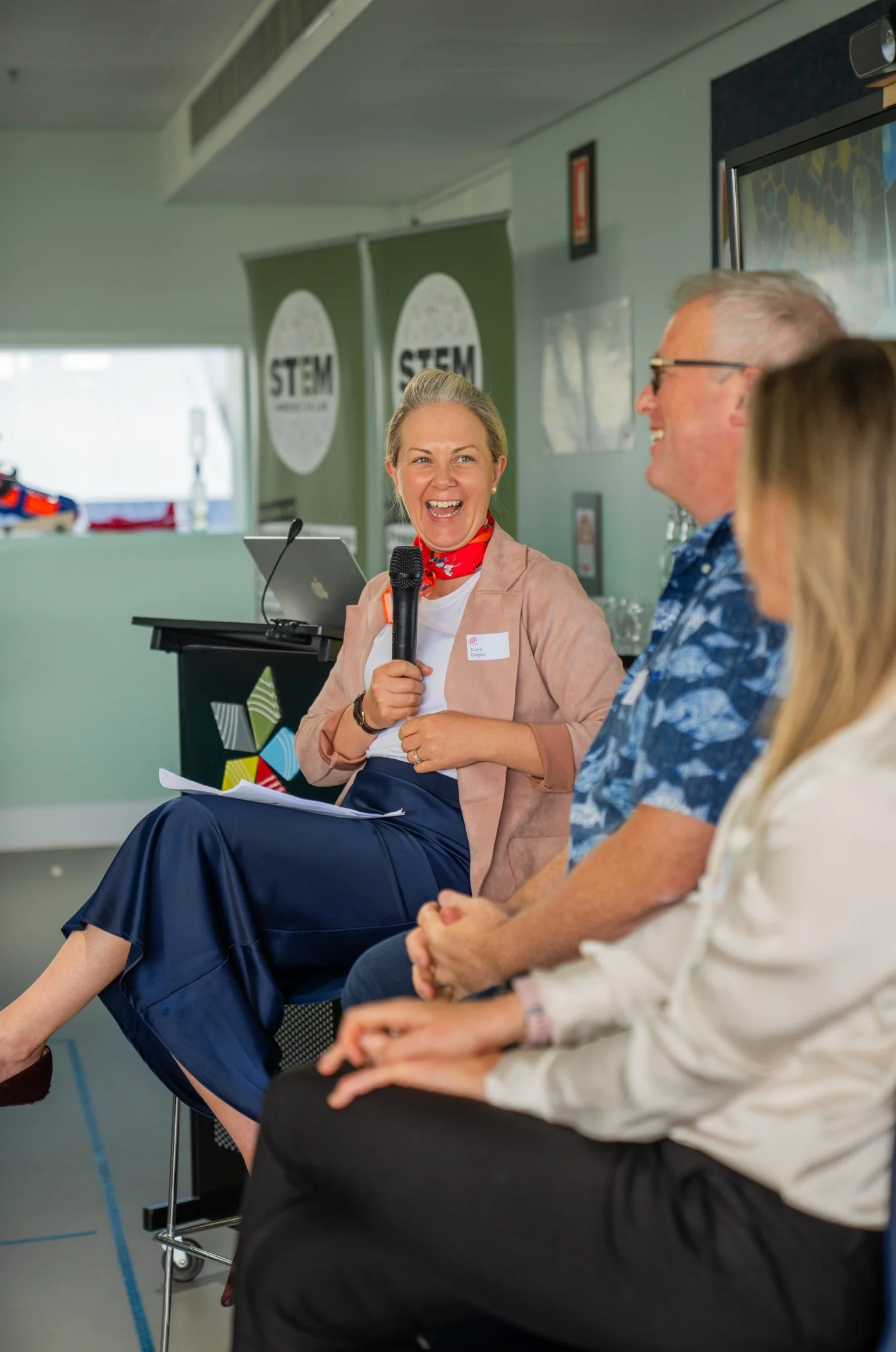
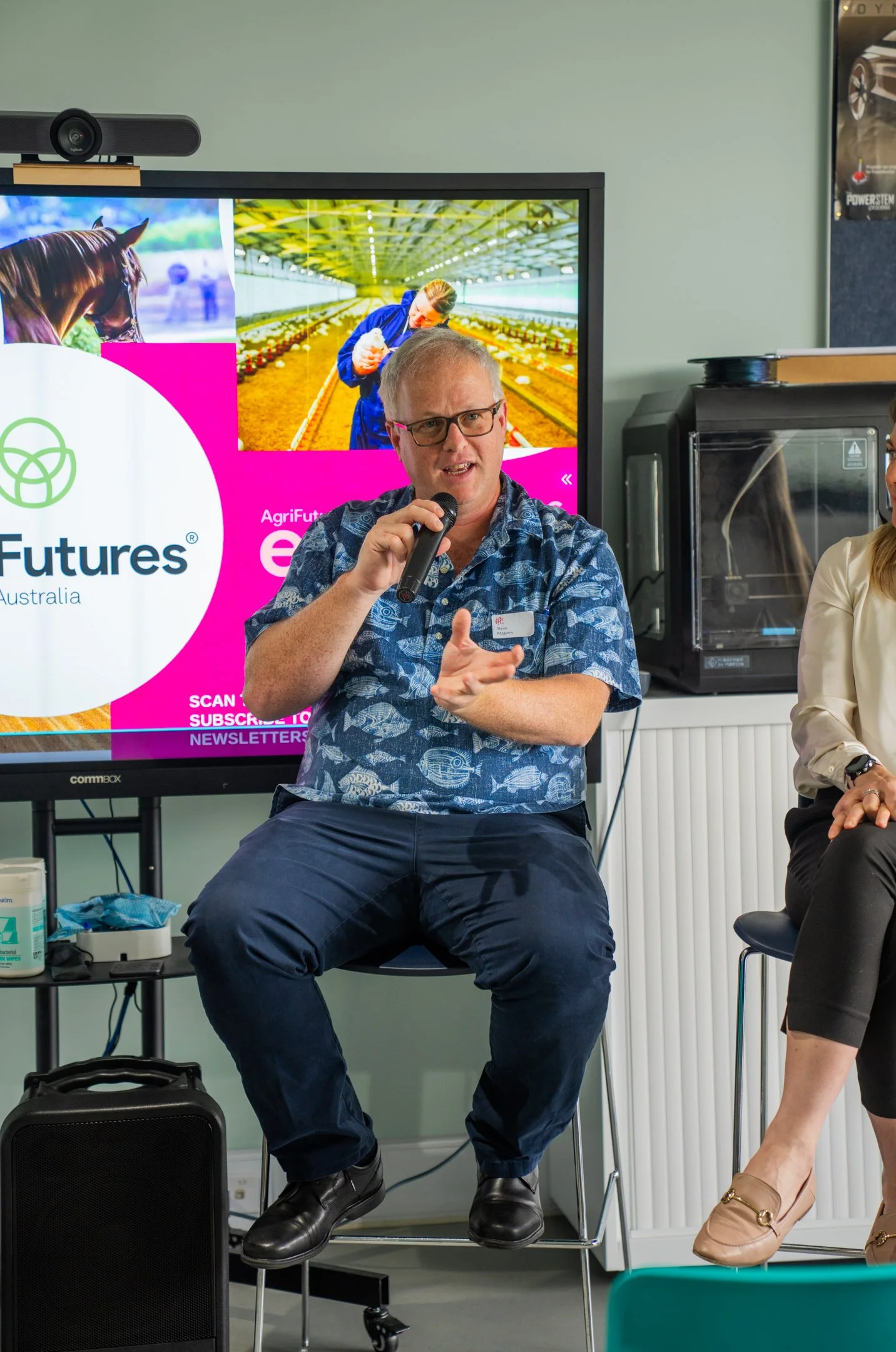
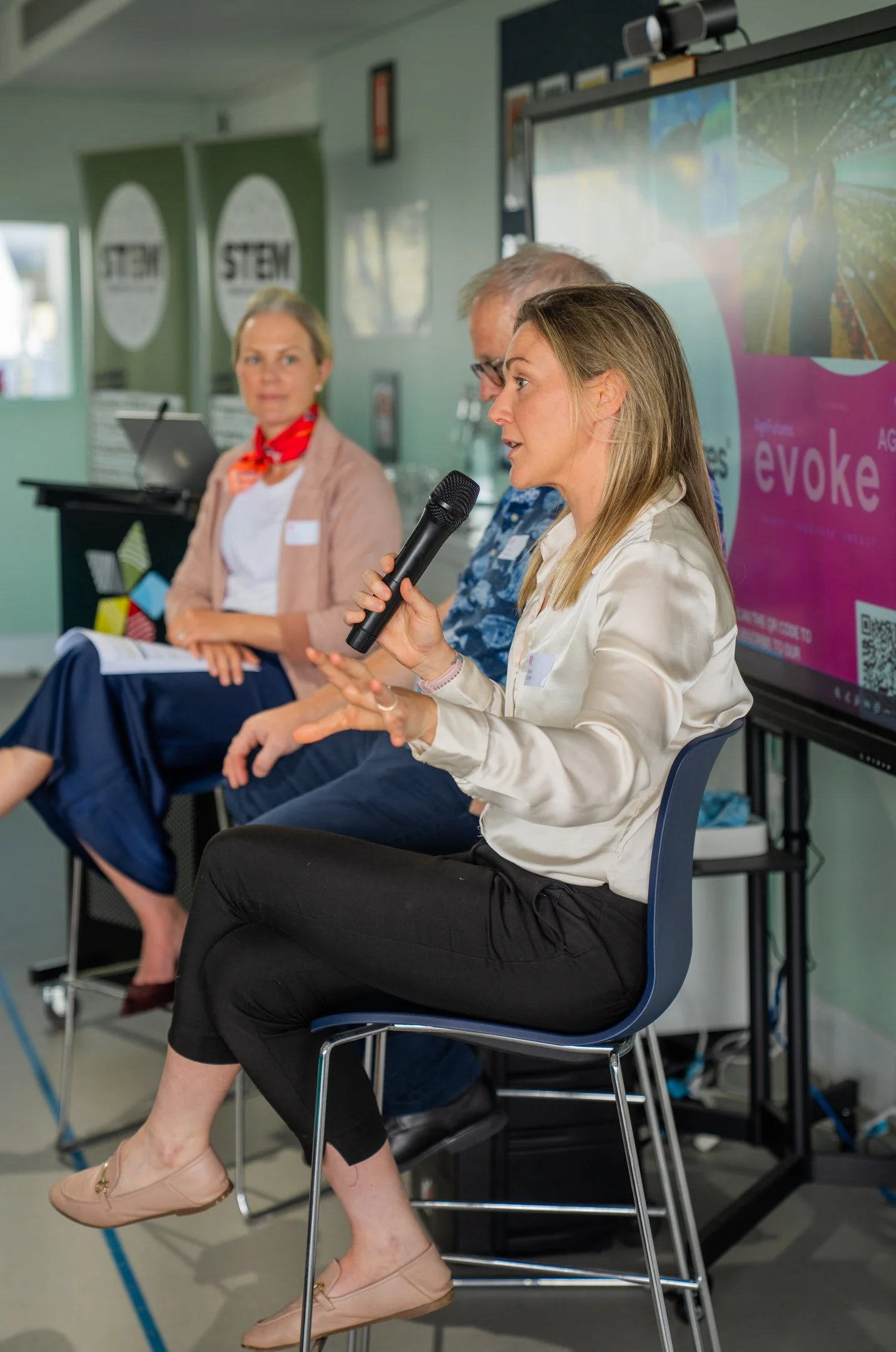
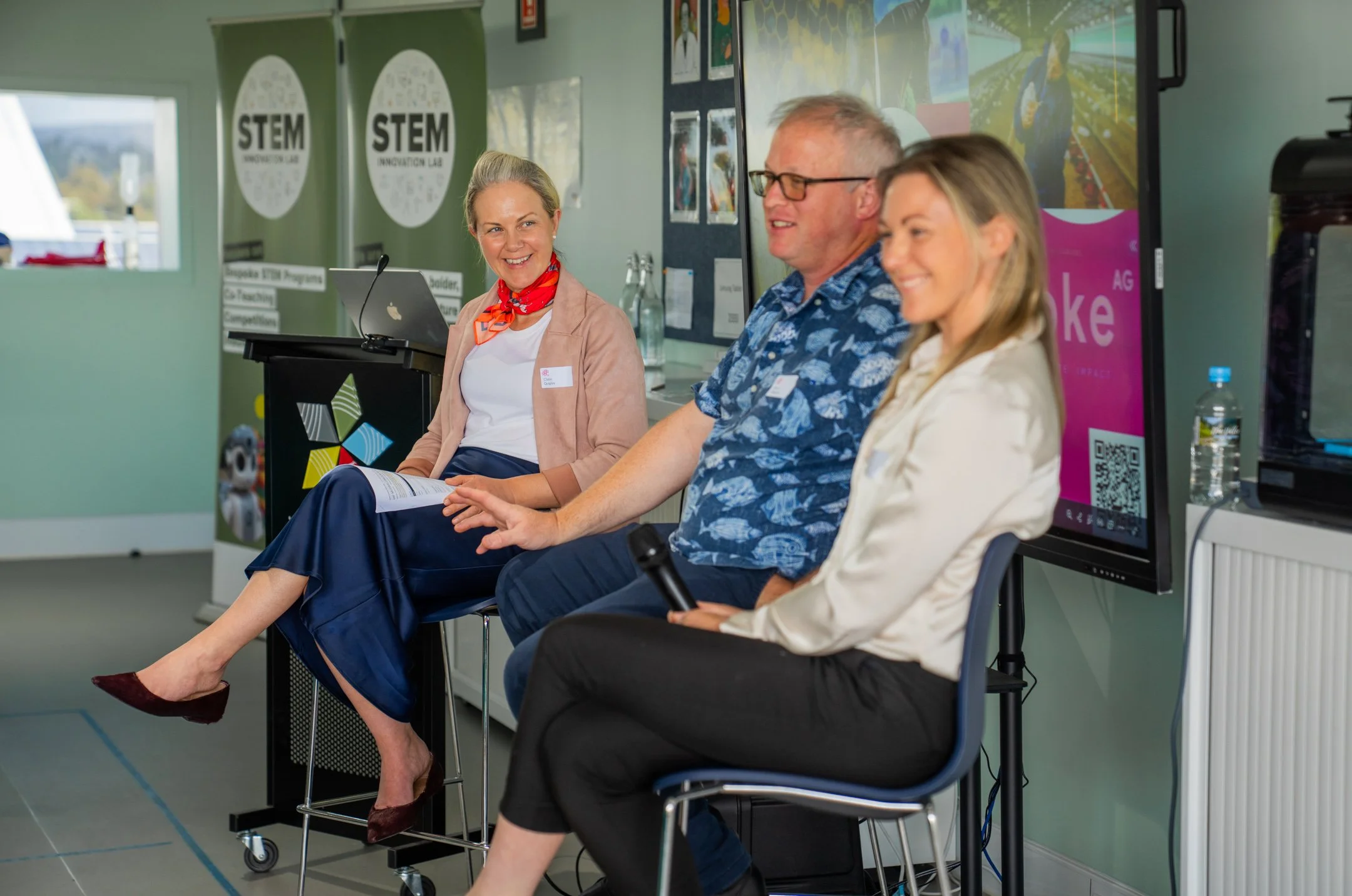
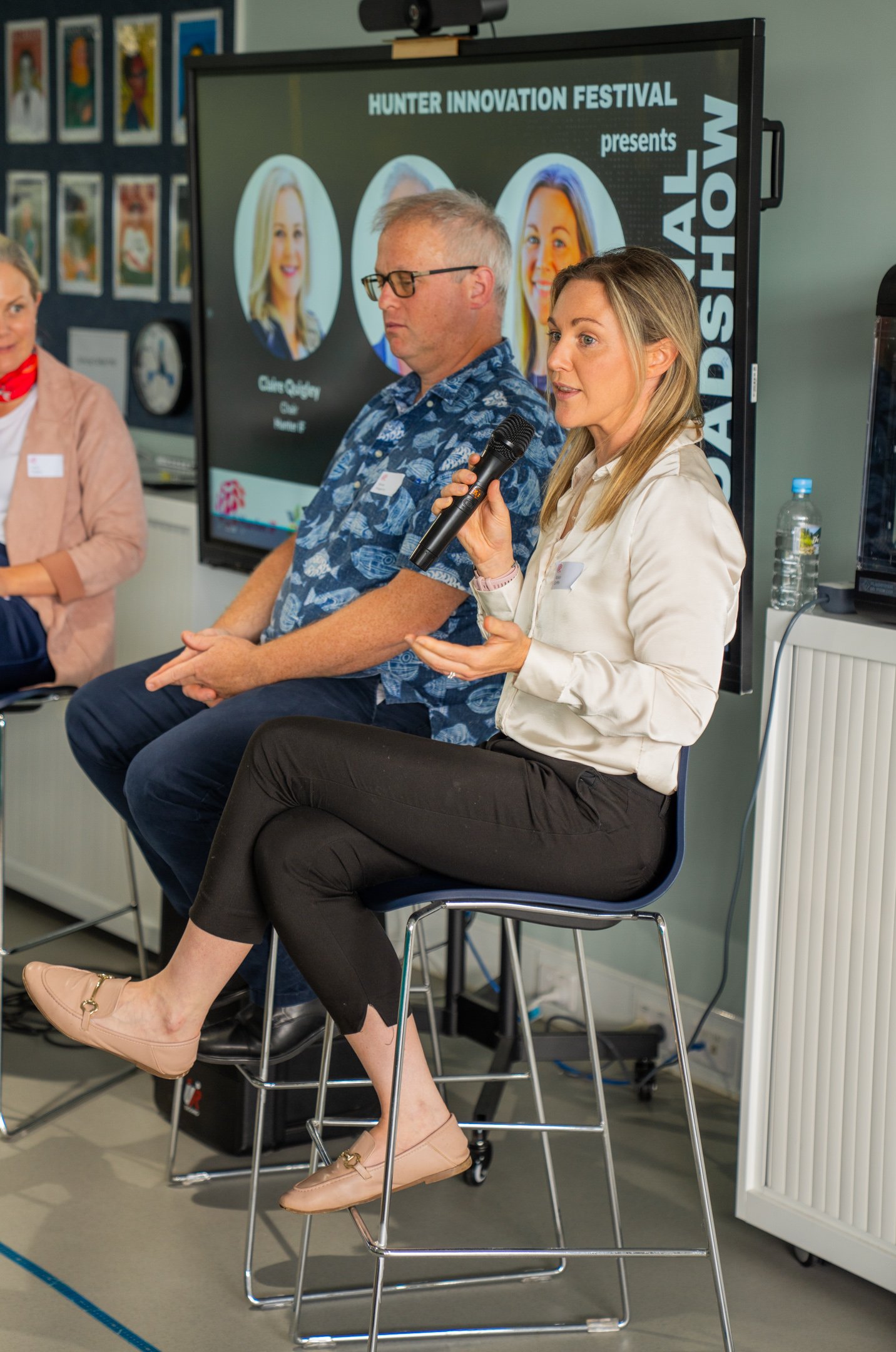
Claire Quigley, Chair of Hunter iF, then sat down with Steve Magarry, chief executive and master distiller of Sydney Rum Distillery, and Dr Róisín Griffin, data and insights manager at AgriFutures Australia and a part-time researcher at the University of Newcastle.
Magarry said the distillery, in the former Oak milk factory, is closing in on commissioning after the predictable delays of refitting a building more than 80 years old. The aim is scale, not a boutique cellar door: a plant built to take Australian rum and brandy into export markets, and to put an old factory back to work.
He was more interested in what comes off the still than in the spirit itself. Spent wash is a co-product, not waste. The distillery already has contracts with Loop Organics and is in talks with Bettergrow at Ravensworth to turn it into compost for mine rehabilitation and dust suppression, feeding the same FOGO and organics stream councils are trying to build. Early discussions with AGL cover feedstock for a biogas plant, with a possible offtake so the site can move off LPG. Separate talks with MCi Carbon in Newcastle look at capturing biogenic CO₂ from fermentation and turning it into aggregate and cement products. Further out, he sees research scope in growing yeast and fungi on the co-product for a high-protein livestock feed.
“We don’t call it waste. It isn’t a waste product,” Magarry said. “You can do lots of things with it, and if you look across the global industry, they all do this. We’re not reinventing the wheel.”
Claire Quigley, Steve Magarry & Dr Róisín Griffin
Griffin put a number on an industry the room already drives past. The thoroughbred sector contributes about $1.68 billion a year to the Australian economy, she said, with about 45 per cent of that, roughly $750 million, and about 3,700 jobs coming from the Hunter. Those jobs are not only trackwork: administration, fodder, transport, labs in Scone and Newcastle, and the farms that keep horses. It is already one of the region’s deepest sources of local income.
Breeding is where she sees the waste. Thoroughbreds are still largely bred by natural cover, fertility is poorly known, and a mare cannot be confirmed in foal until about 14 days after service, inside a short breeding window. AgriFutures-backed work is aimed at better diagnostics on both the mare and stallion side, and at why research is slow to reach the farm. She also argued the horse is a useful model for human fertility: animals are selected for performance, not reproductive success, and stallions still breeding at 20 are roughly equivalent to people in their 60s or 70s.
“It’s not just the person on the ground with a horse. There are so many other jobs associated with that,” she said. “We’ve long said the horse would be a great model for human research.”
Two Melt alumni, two versions of the same idea
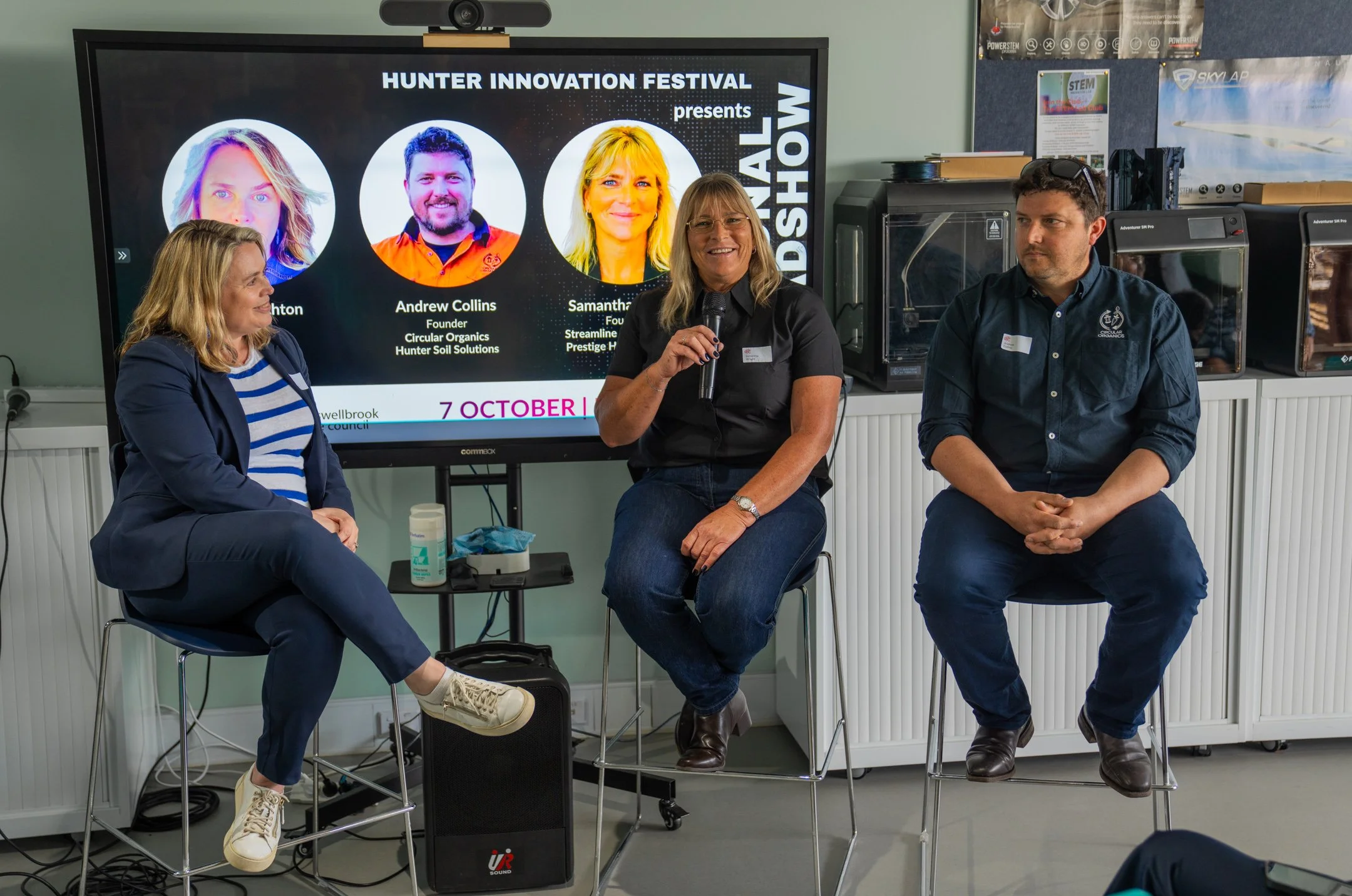
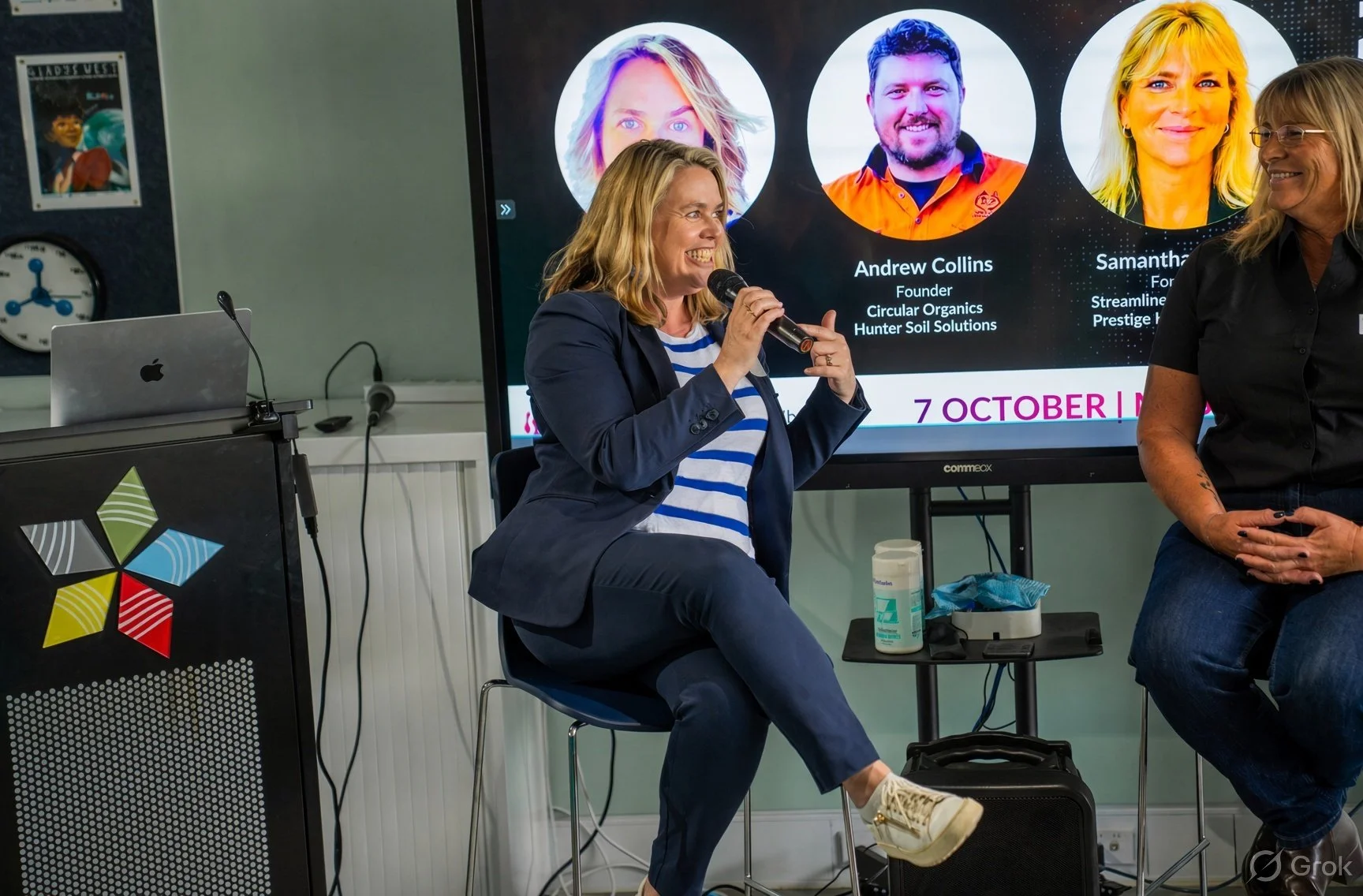
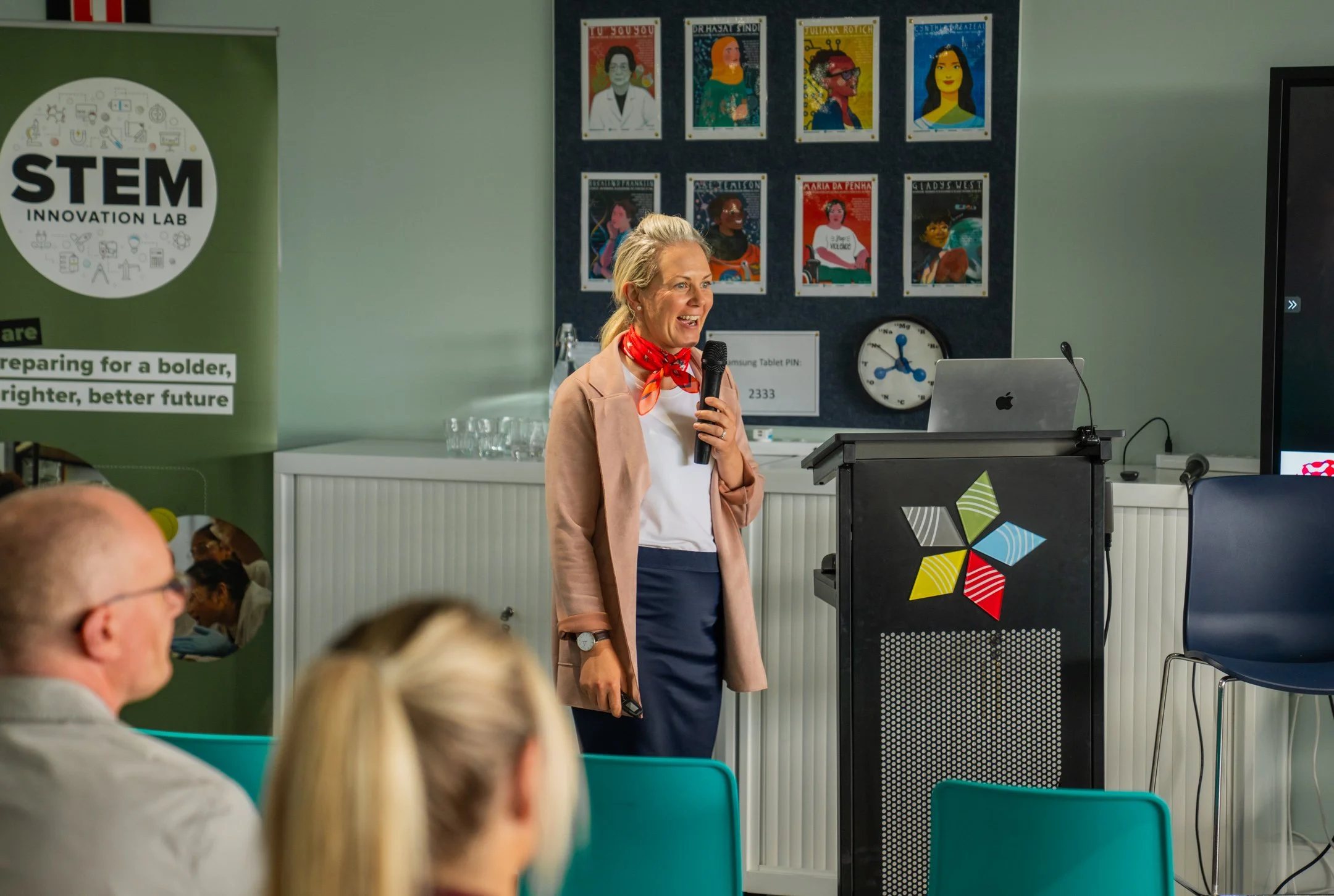
Zara Crichton, CEO of Hunter iF, then brought up two Melt alumni whose customers could hardly be further apart, and whose businesses both turn an everyday cost into local work.
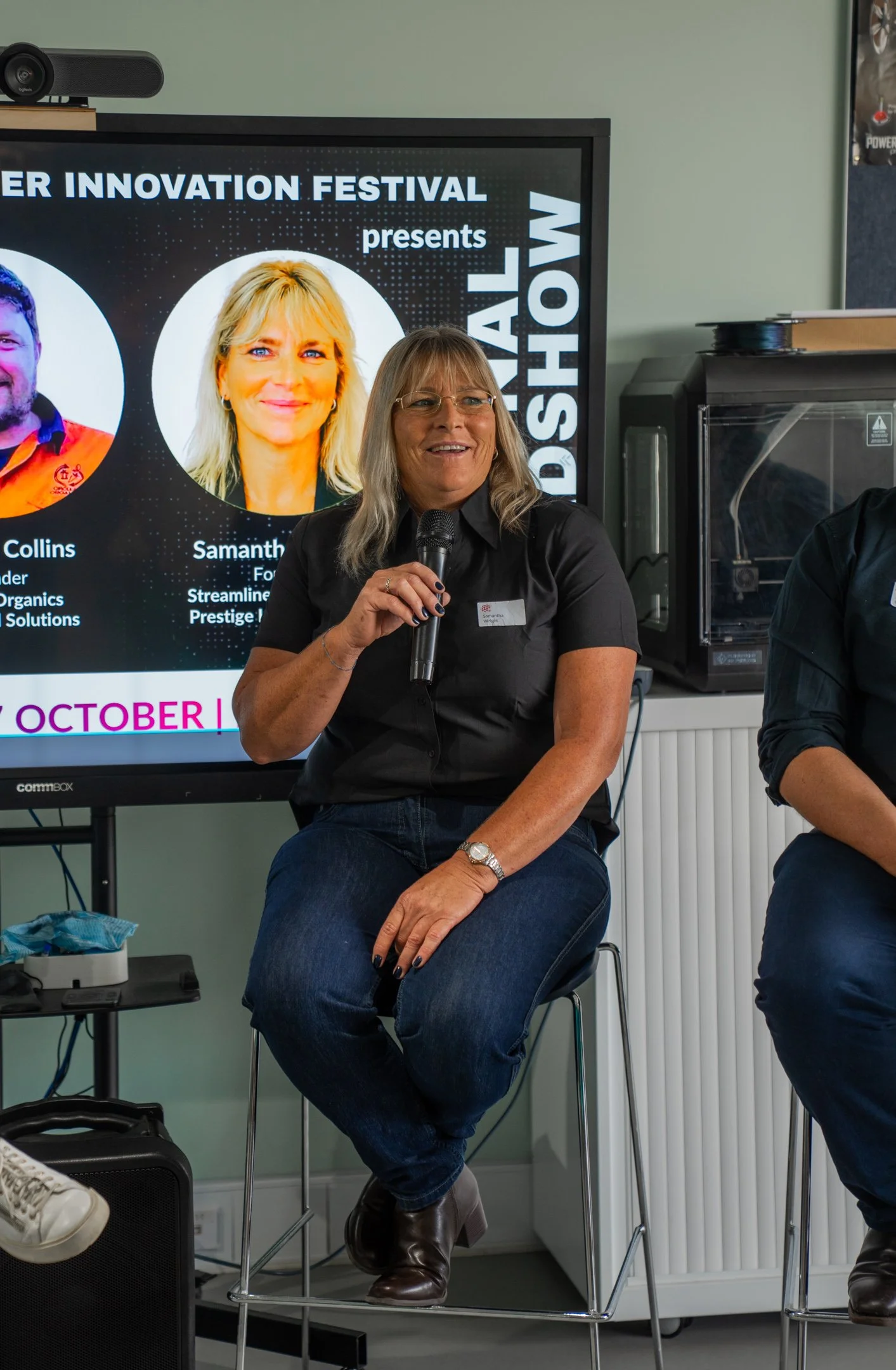
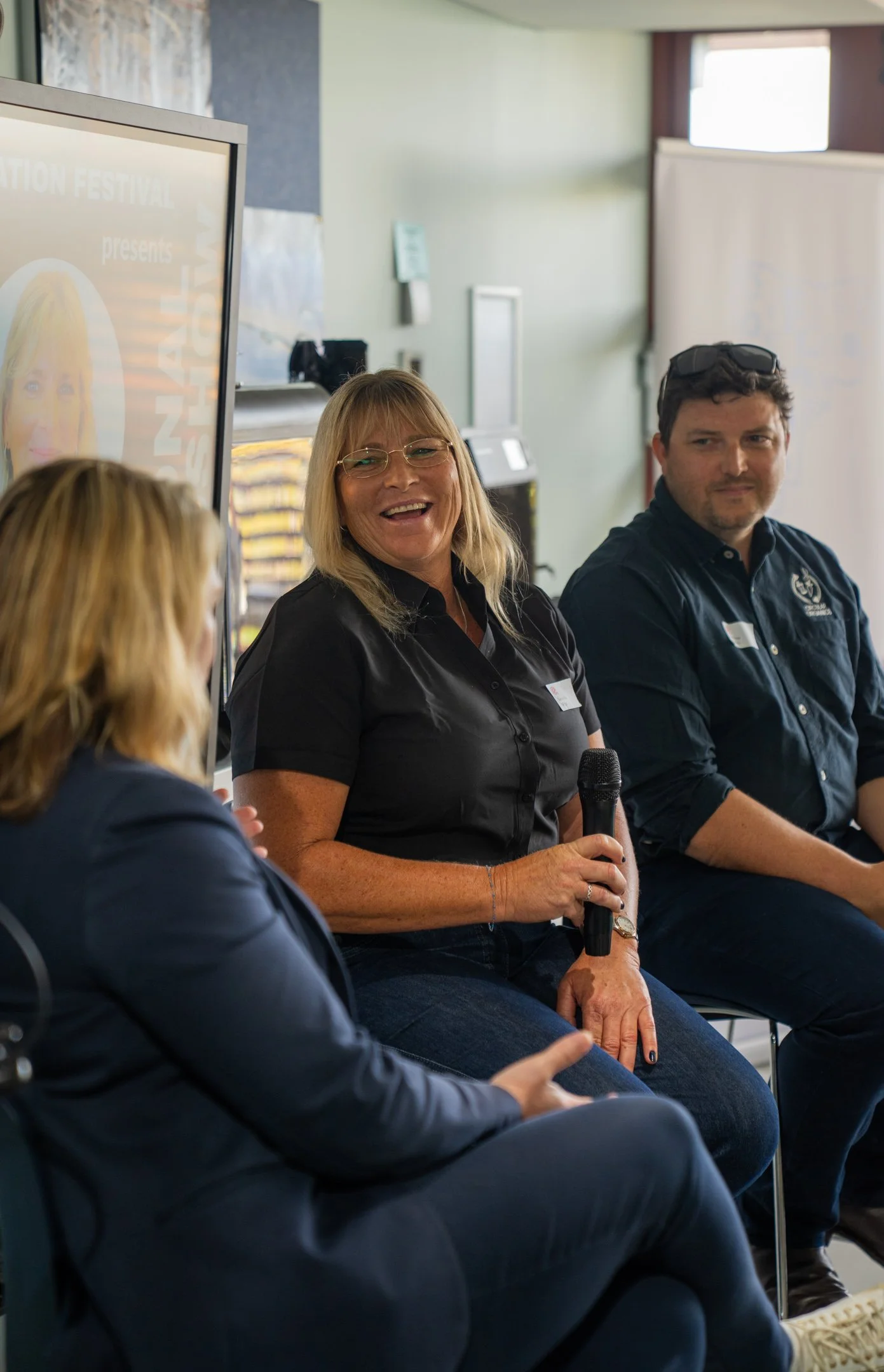
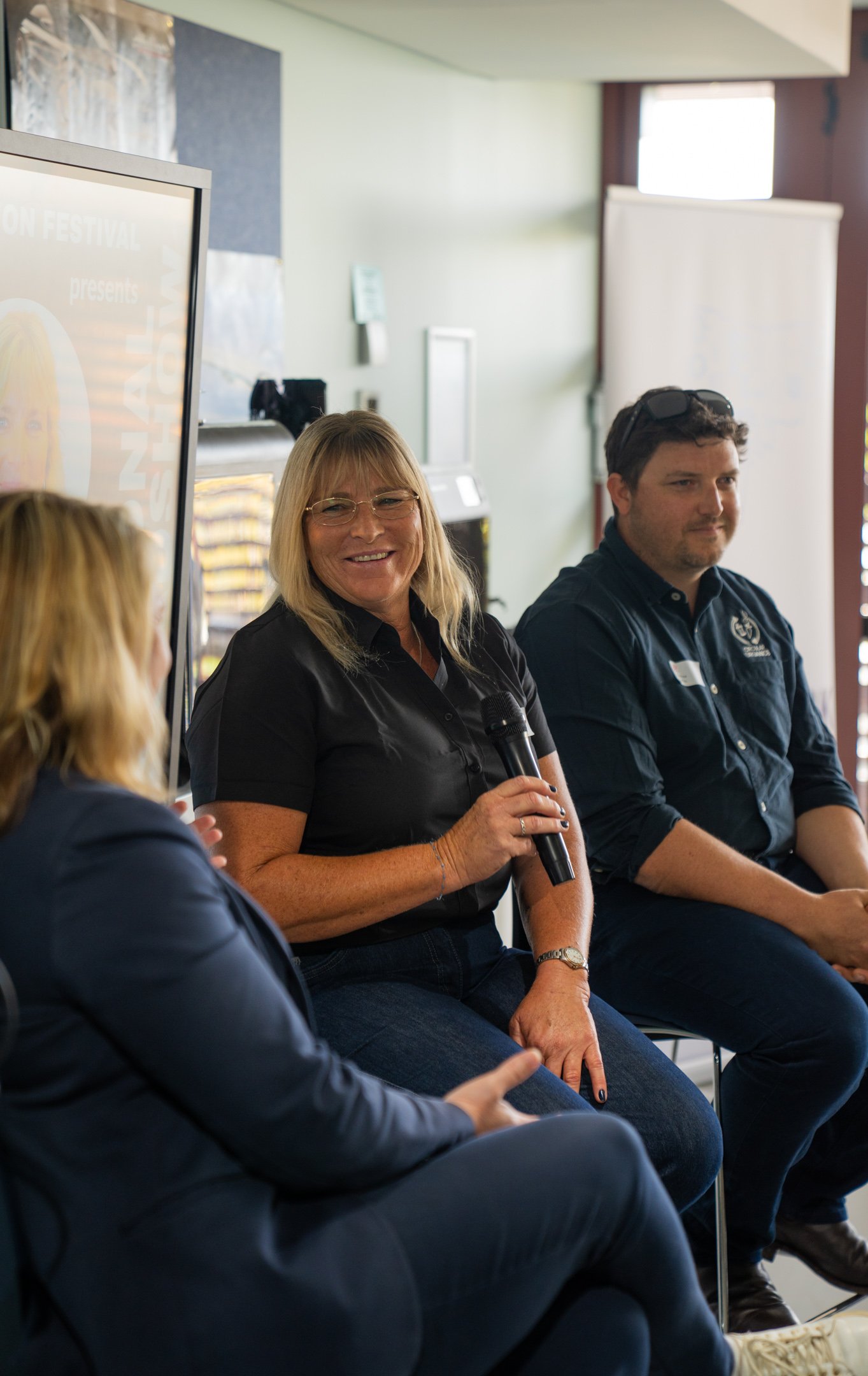
Zara Crichton, Samantha Wright & Andrew Collins
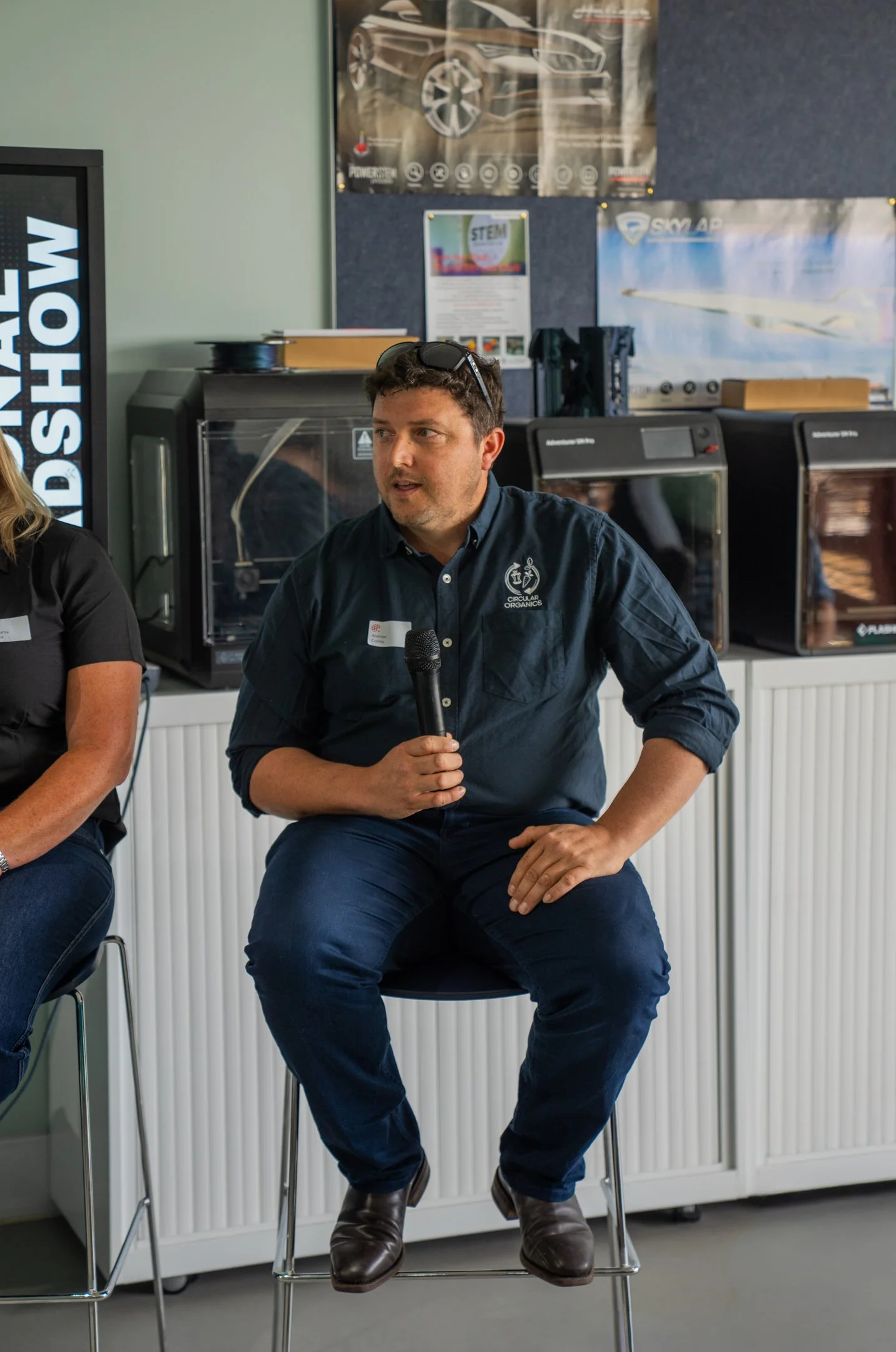
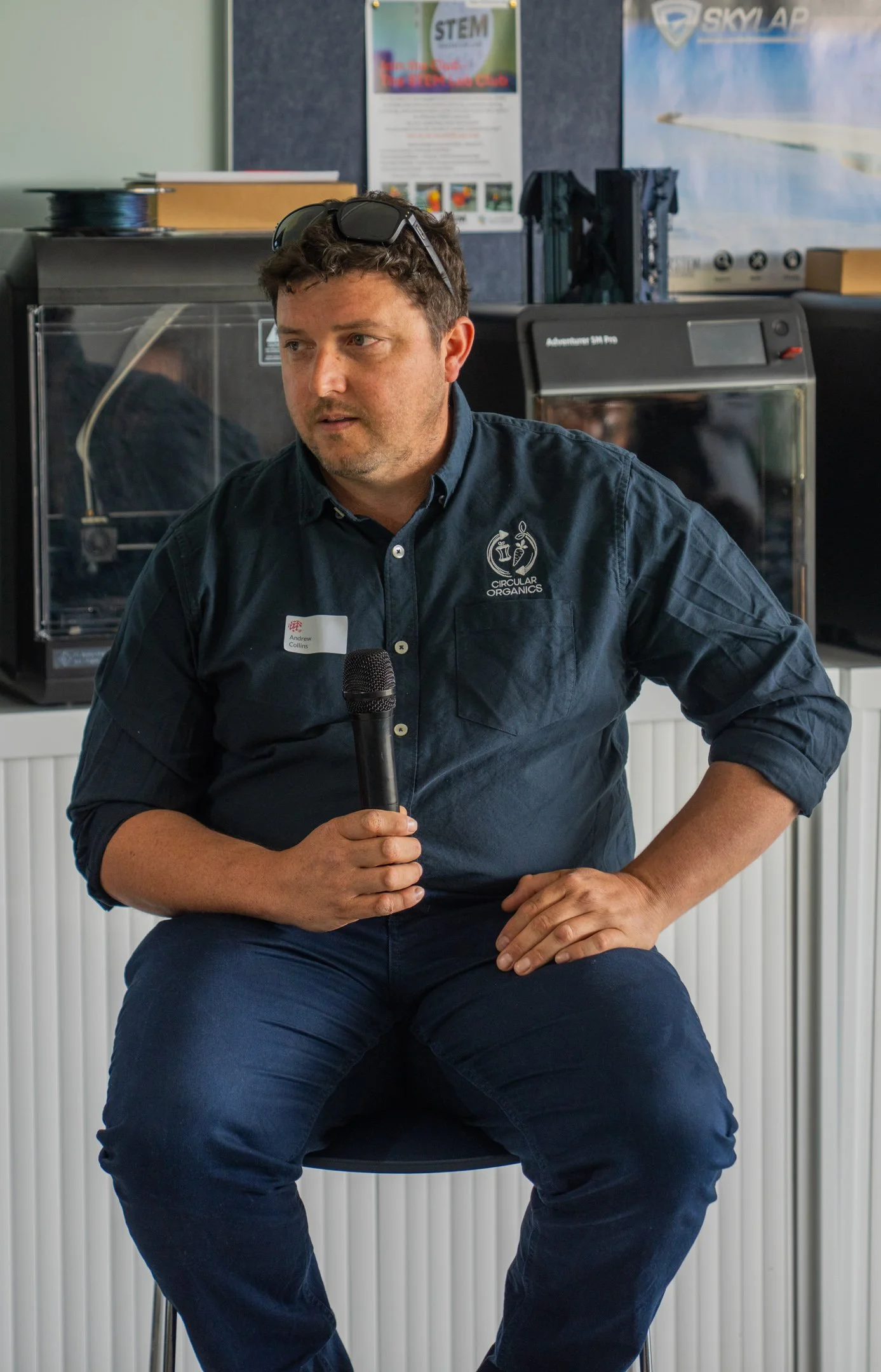
Andrew Collins, founder of Circular Organics and Hunter Soil Solutions, collects food and equine waste from cafes, restaurants and stables, composts it in the open air and returns it as fertiliser. The business started with 20-litre buckets and now runs from Newcastle up the valley. The value he sells is not only diversion from landfill. Bin audits show operators what they are throwing out. One Newcastle restaurant, he said, was binning enough bread to cut about $1,800 a month from its order once someone looked.
“A lot of businesses just don’t know what they’re throwing out. You get busy, and you’re not looking in the bin,” Collins said.
New South Wales’ organics separation rules, in force from 1 July, have sped demand. The next step he described is decentralised processing: smaller council and on-farm systems so organics do not have to be trucked to a single hub, backed by a commercialisation grant The Melt helped the company prepare. “You can put those organics back into the soil where that food was growing.”
Samantha Wright, founder of Streamline Blast Solutions, came at the same problem from a drill-and-blast crew. After about 20 years in mining she designed a biodegradable blast-hole cone, Envirocone, to replace the plastic cones that have to be pulled before a shot. Left in, they contaminate the ground. Pulled out, they are a manual-handling task, and a large mine can run through about 4,000 of them a week. Removing that step, she argued, frees shotfirers, shortens the bench-preparation bottleneck, and keeps a skilled mining workforce doing higher-value work.
“I’ve always been about doing what is here now better, and the future will happen,” Wright said. “It’s about optimising the production cycle.”
Both said the Melt program was a leap they were not sure they were ready for, and both came out of it with a cohort rather than a template. Wright and Collins are finalists in the style category of this month’s Hunter Manufacturing Awards. Crichton pressed the room to treat that as a signal, not a courtesy: local firms that can show they work are what bring the next round of investment, and the wages that go with it.
“The biggest piece around investment is confidence,” she said. “The more we project that, the more investment will follow.”
What the room took out of it
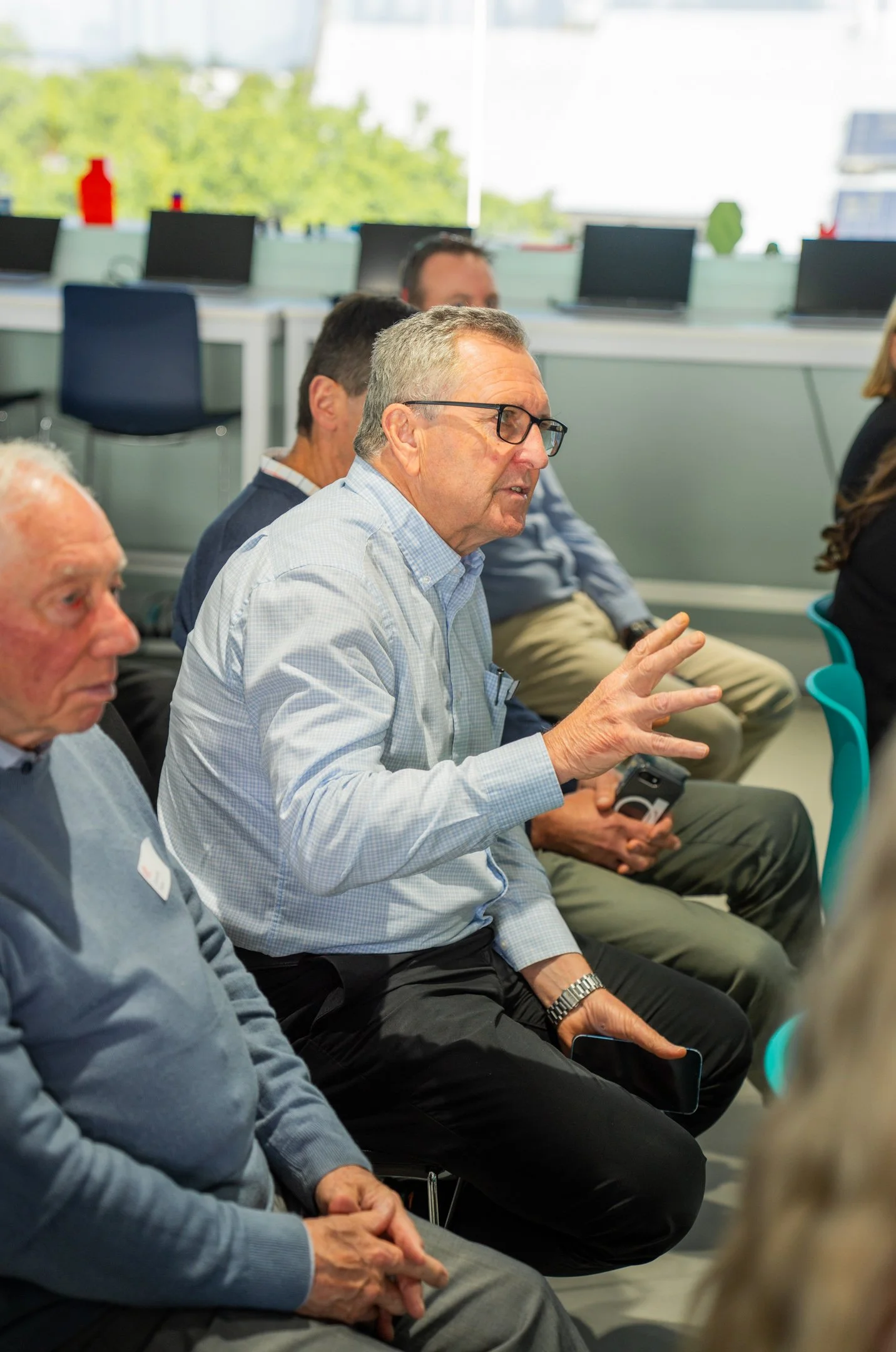
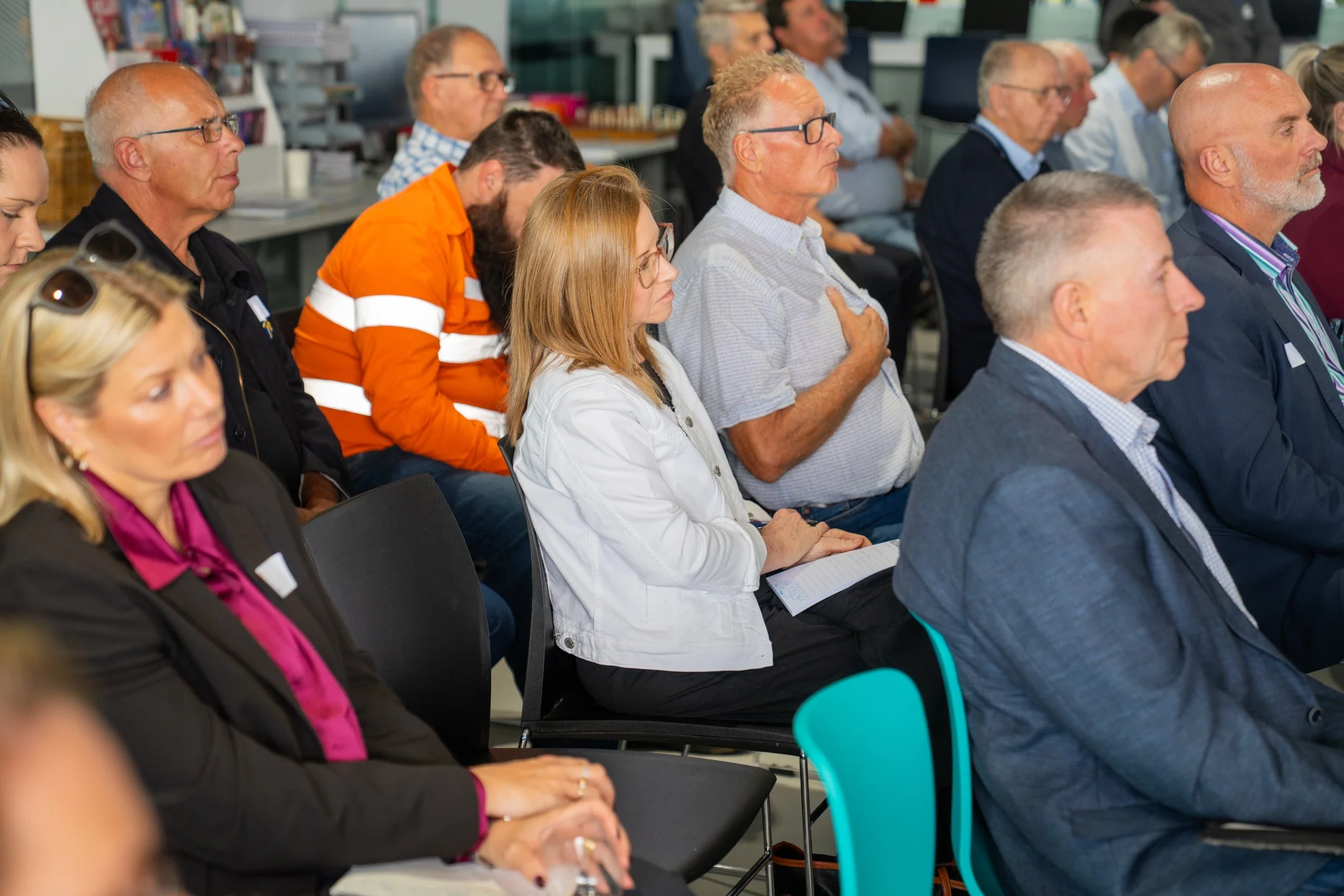
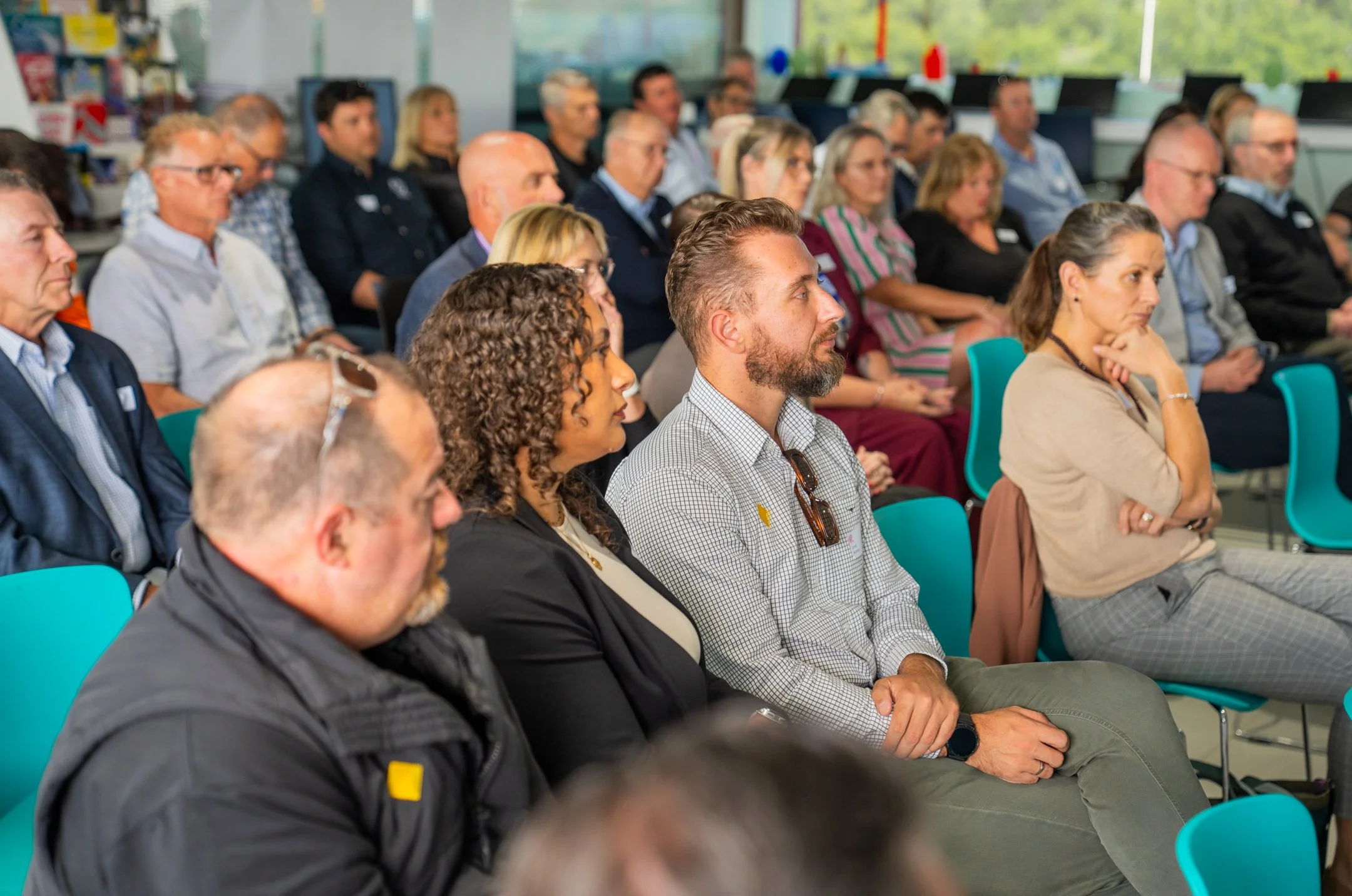
In the reflection that followed, one attendee who has been developing an equine institute for the region said the session had pulled circular economy out of buzzword territory. Agriculture, manufacturing and hospitality were reading as one system, not three pitches: more ways for the same town to earn a living.
The regional roadshow series now leads into the Hunter Innovation Festival on Tuesday 24 November 2026 at NEX, Newcastle, bringing people from across the Hunter together to connect, learn and share.
Muswellbrook offered plenty of reasons to come curious.