Discover what’s possible in Cessnock
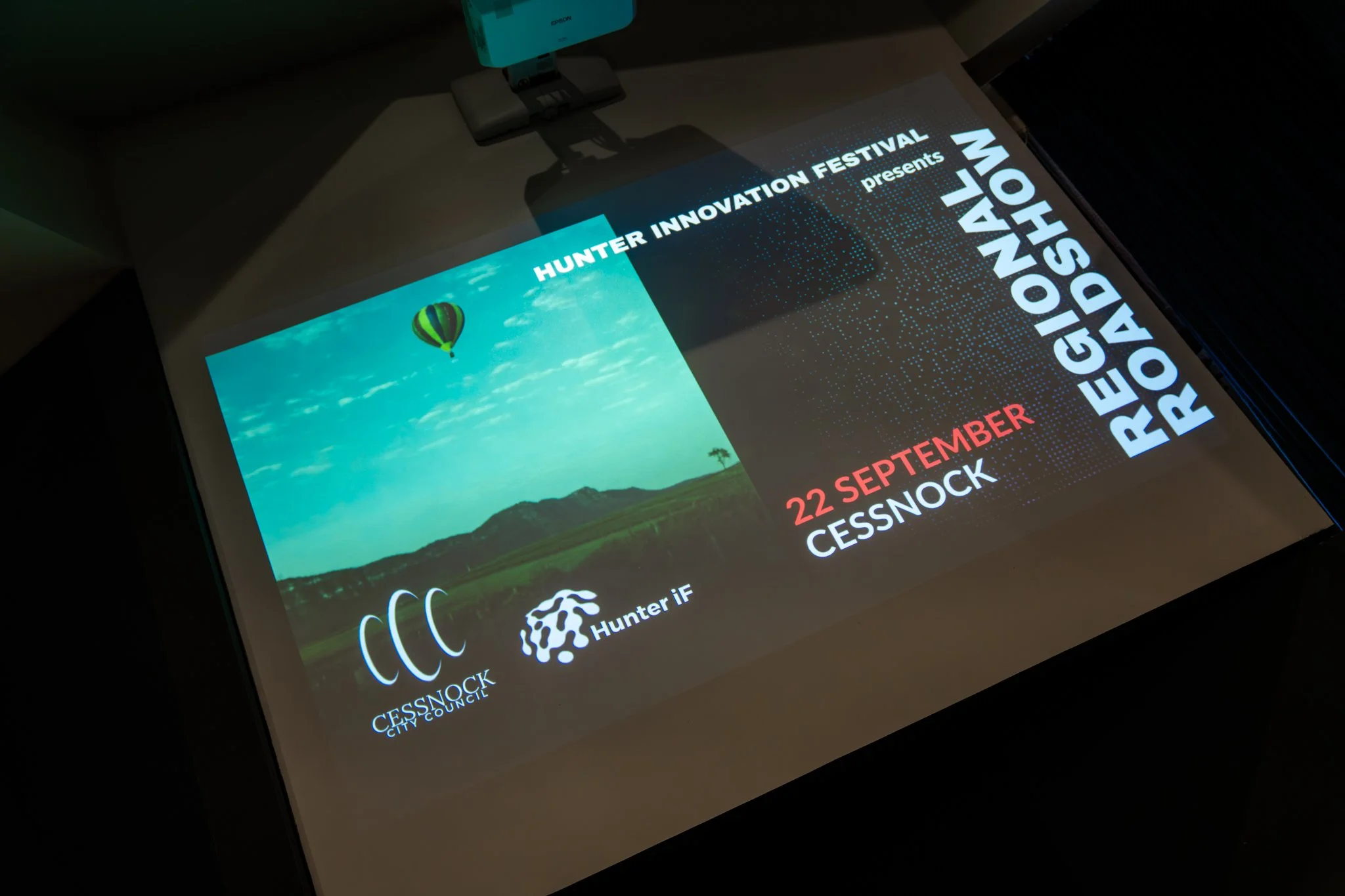
From creative enterprise in Wollombi to global businesses born in Kurri Kurri, the first Hunter Innovation Festival Regional Roadshow explored what our region can become and how young people can help shape that future.
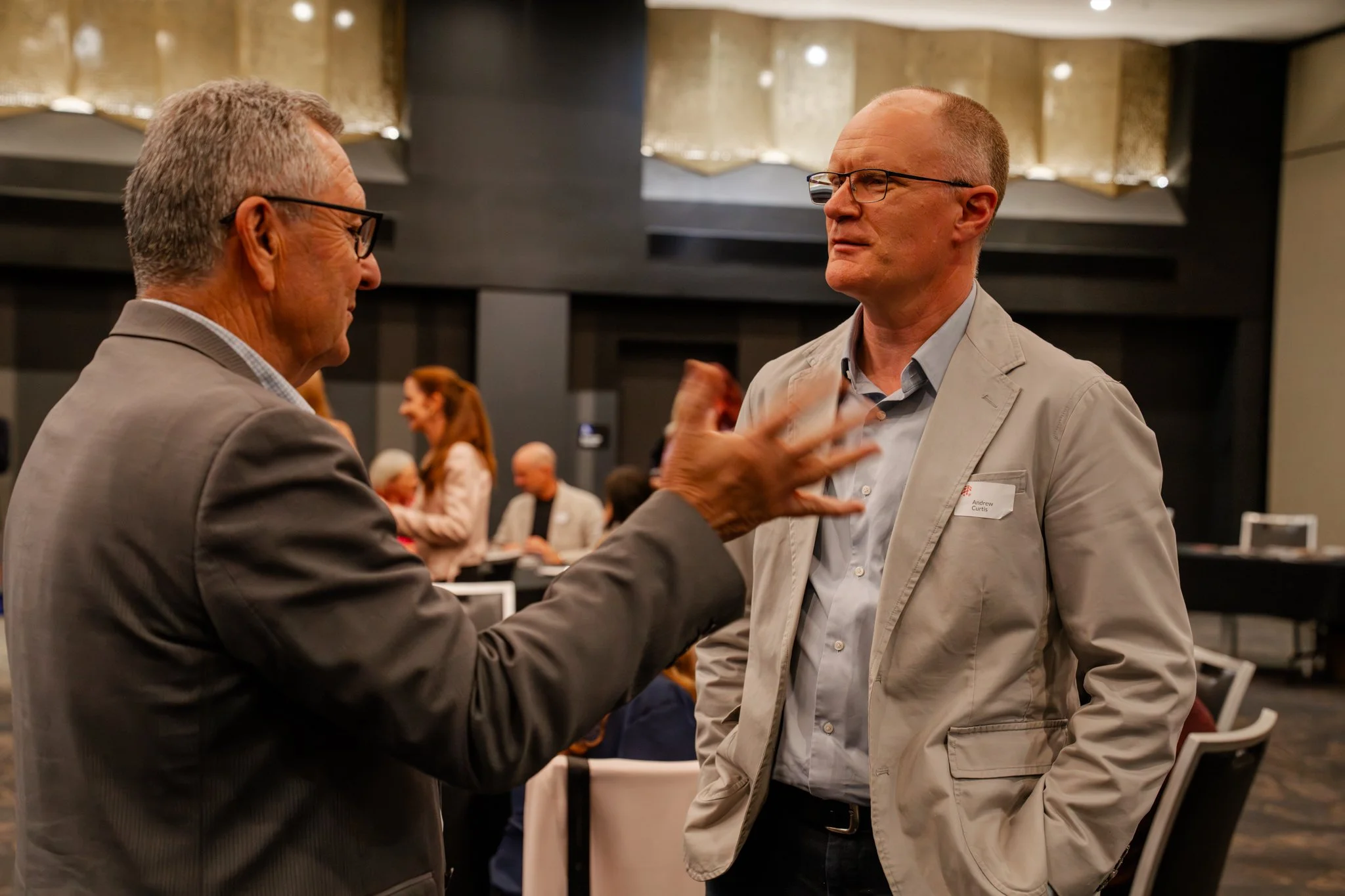
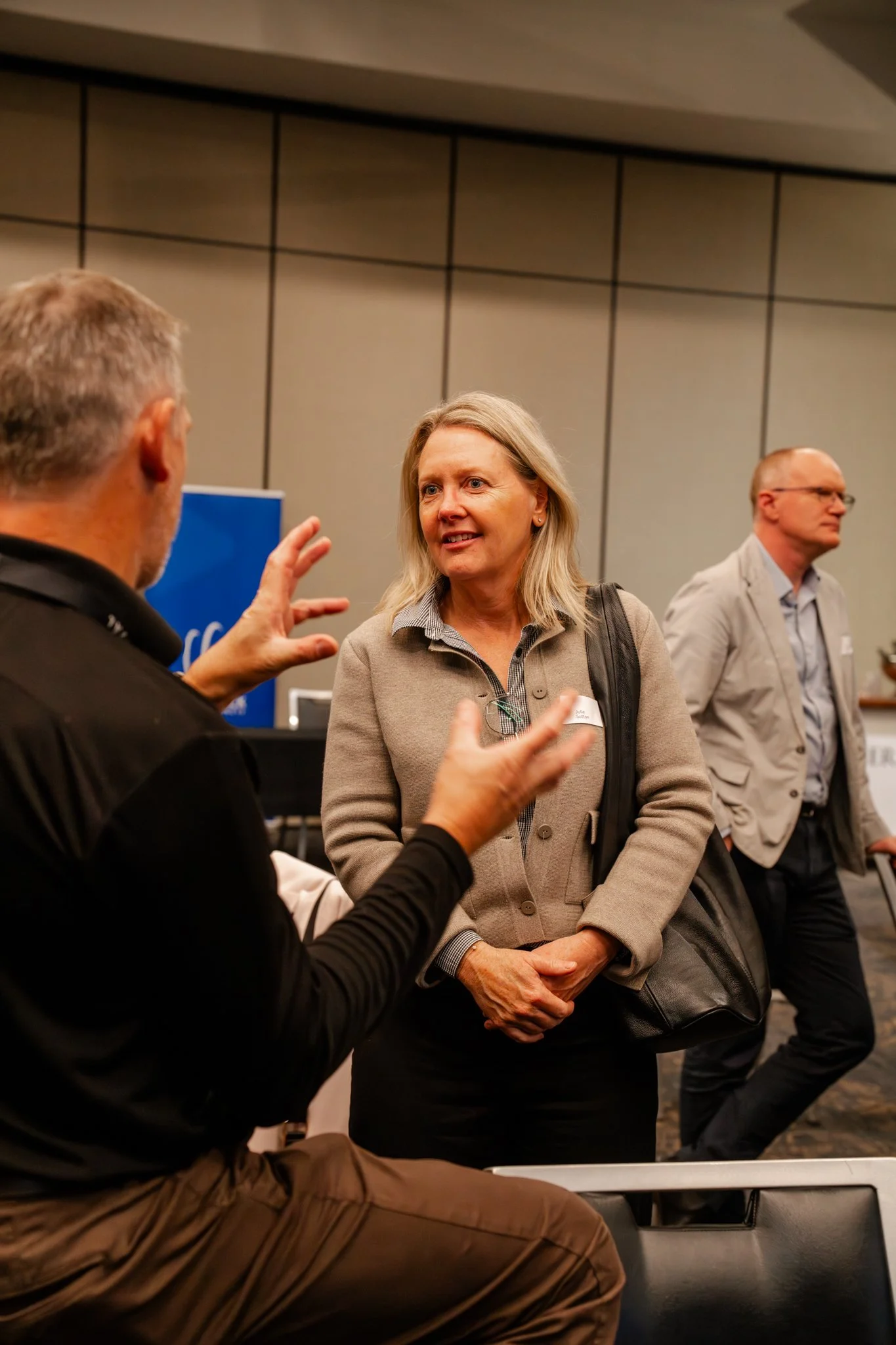
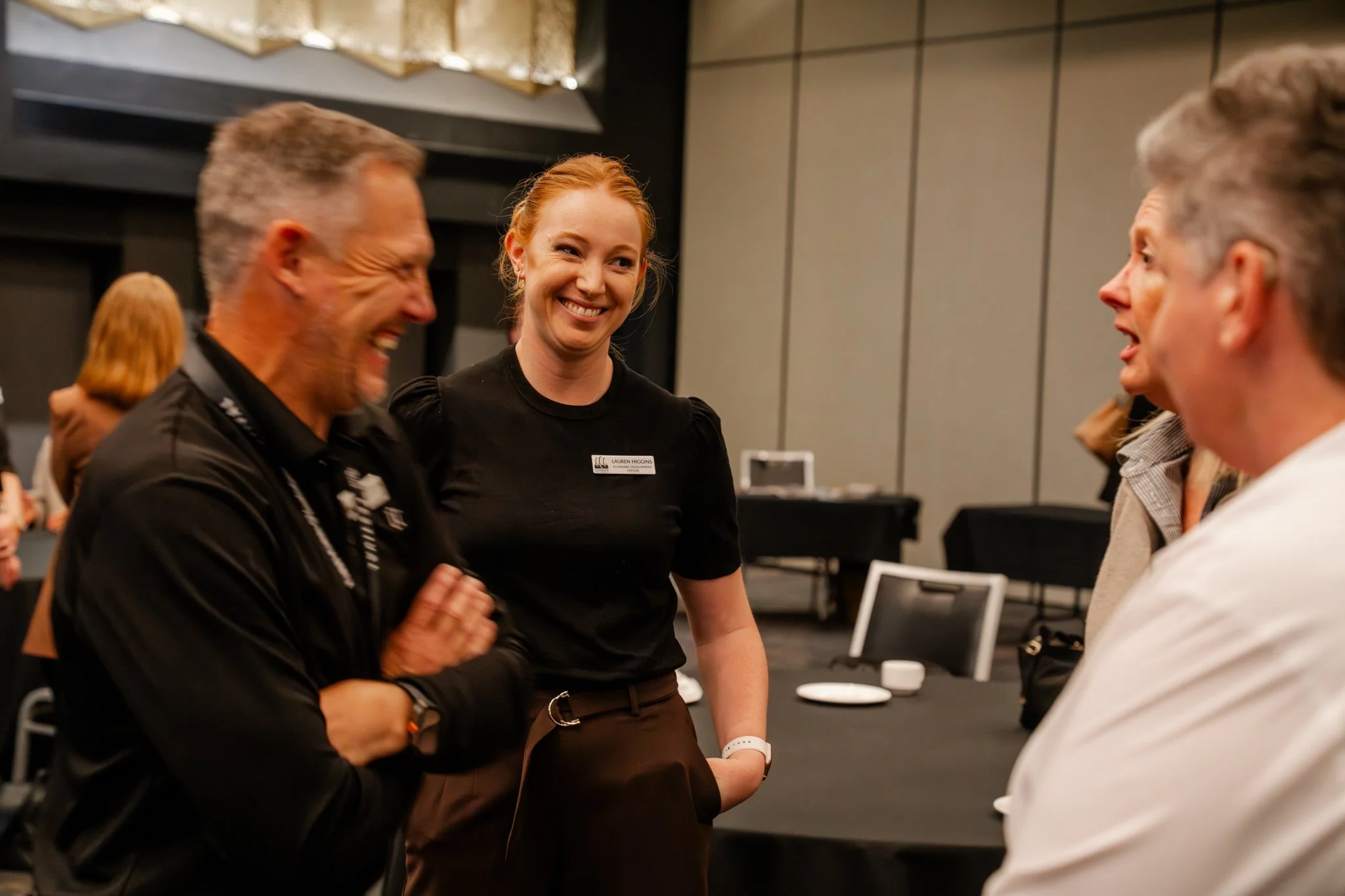
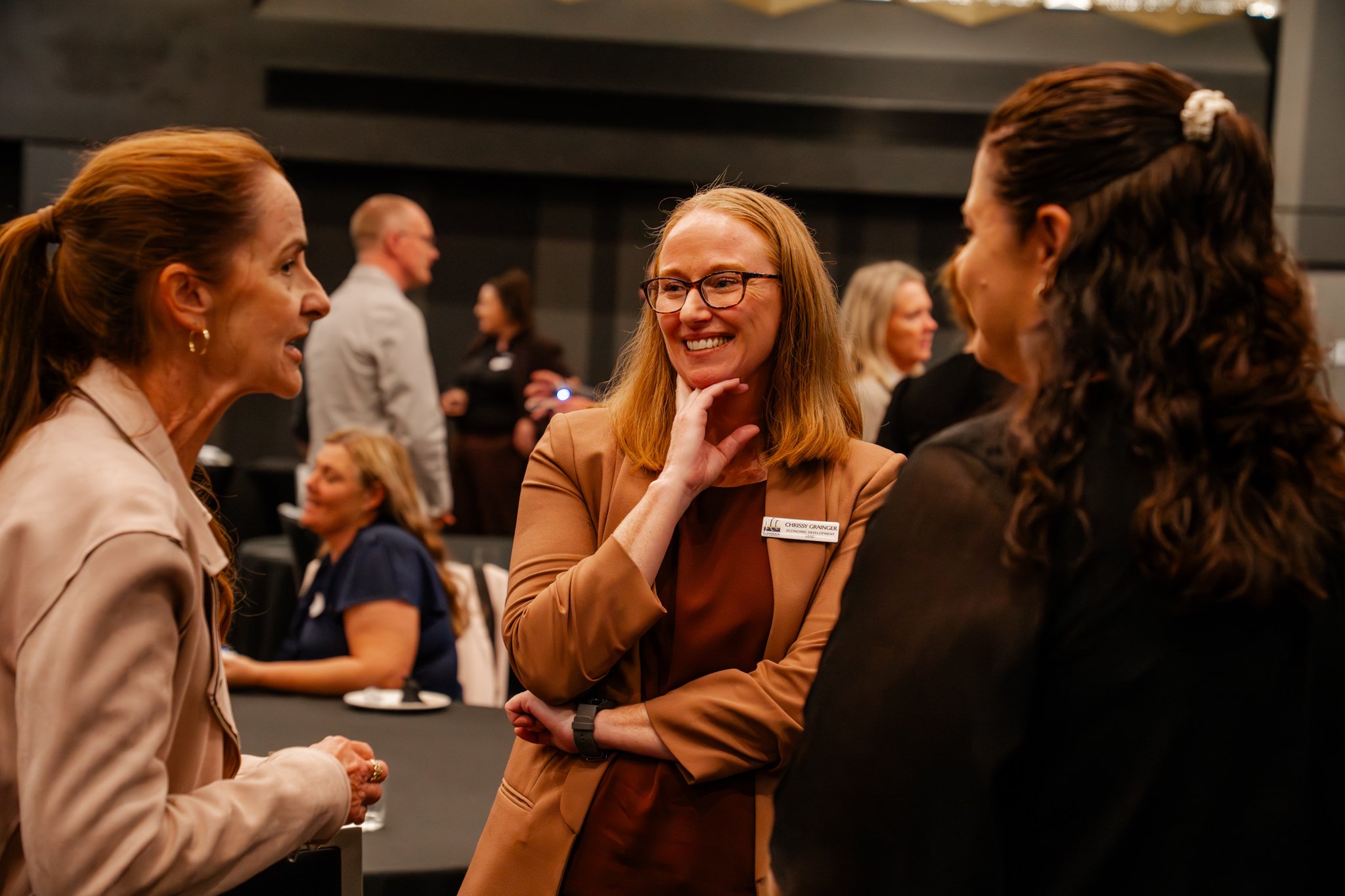
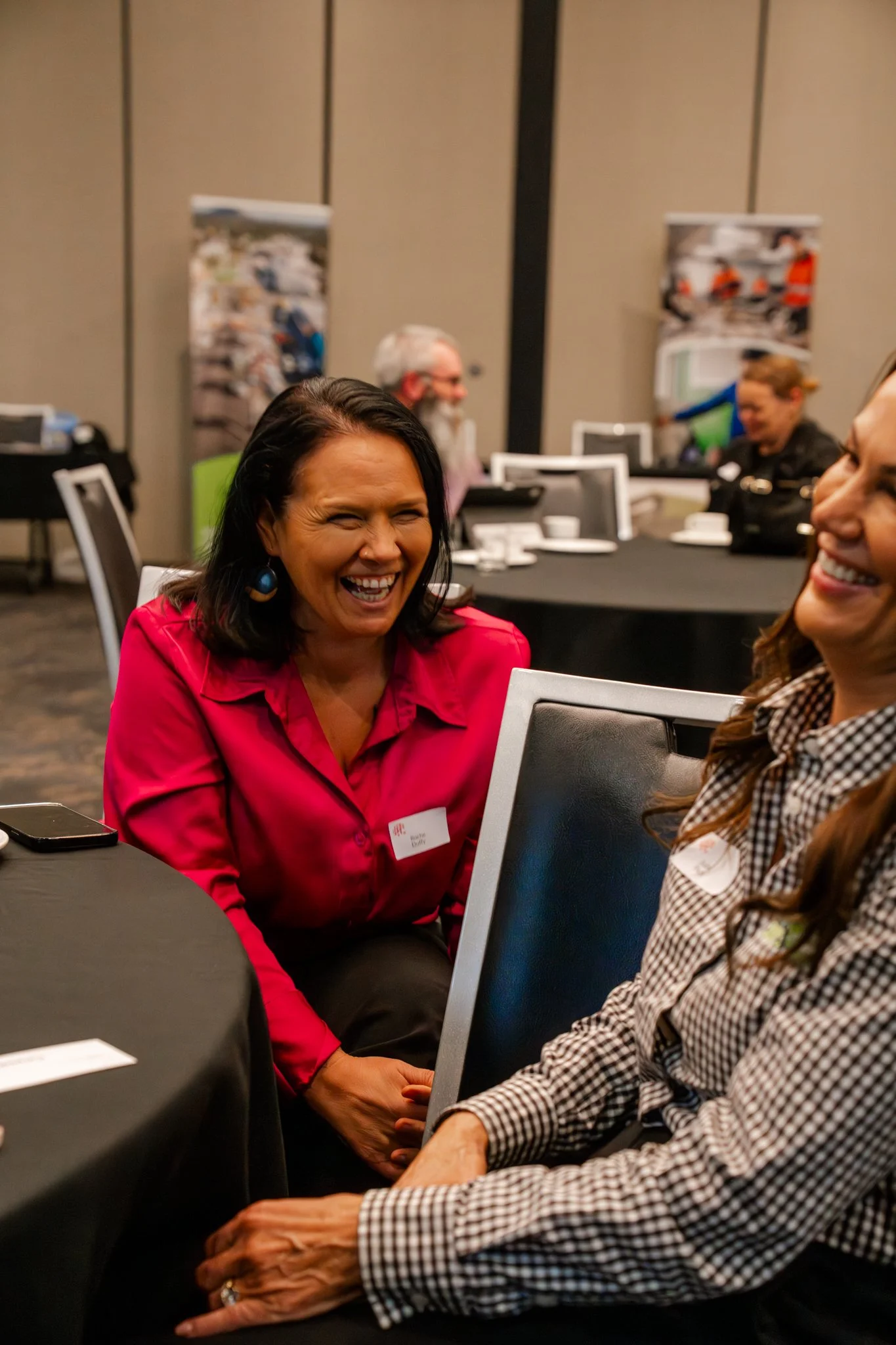
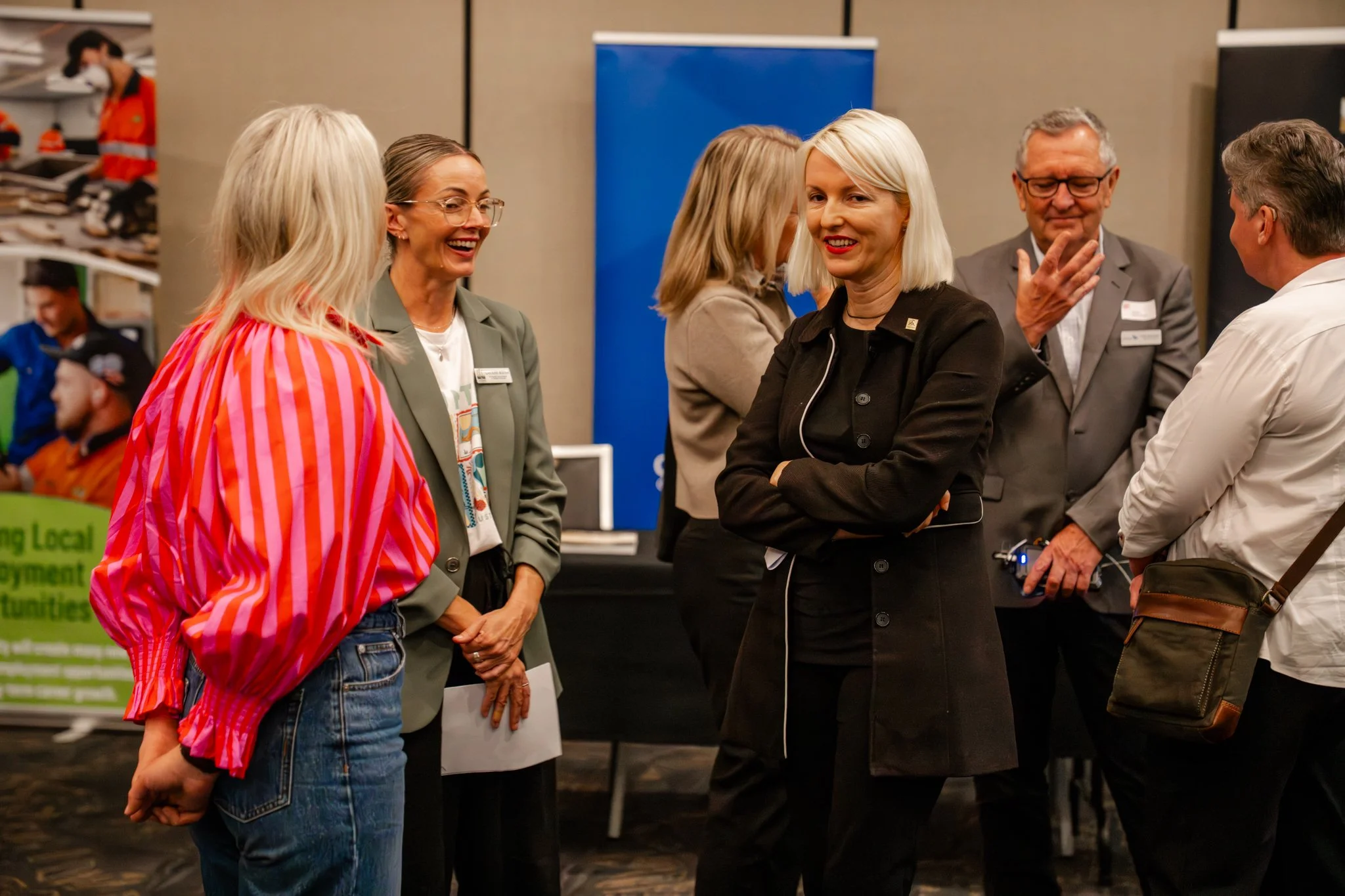
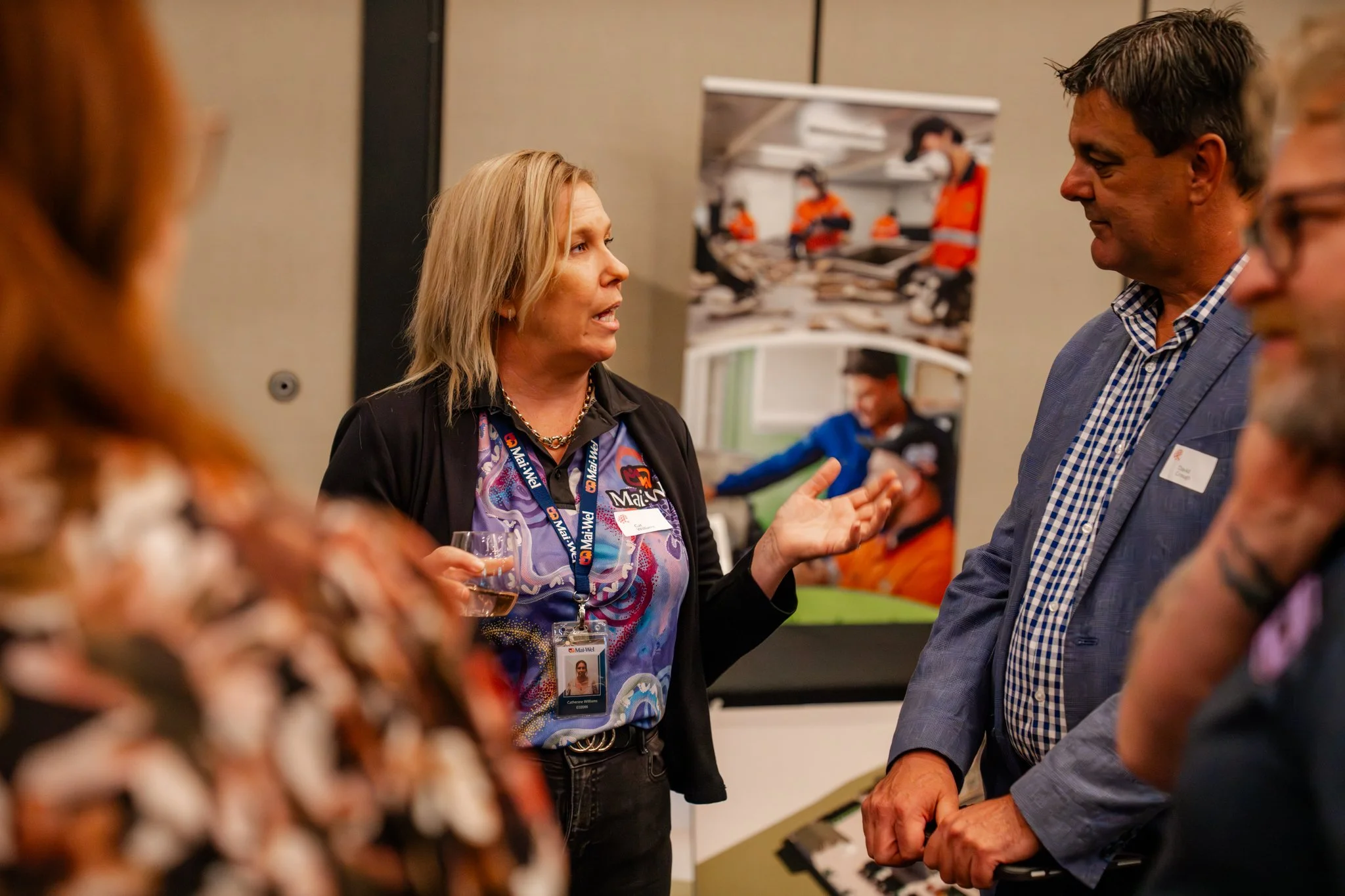
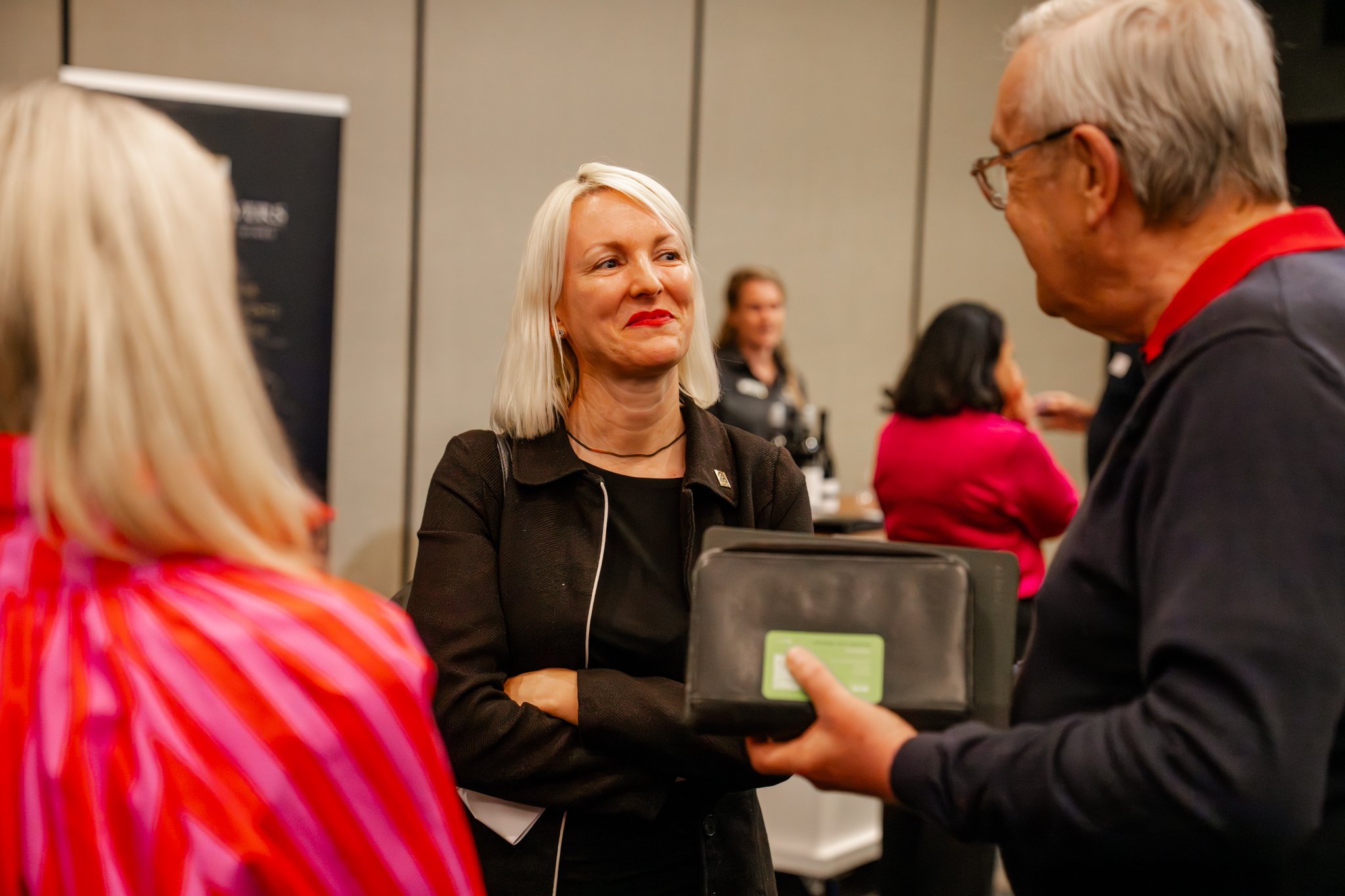
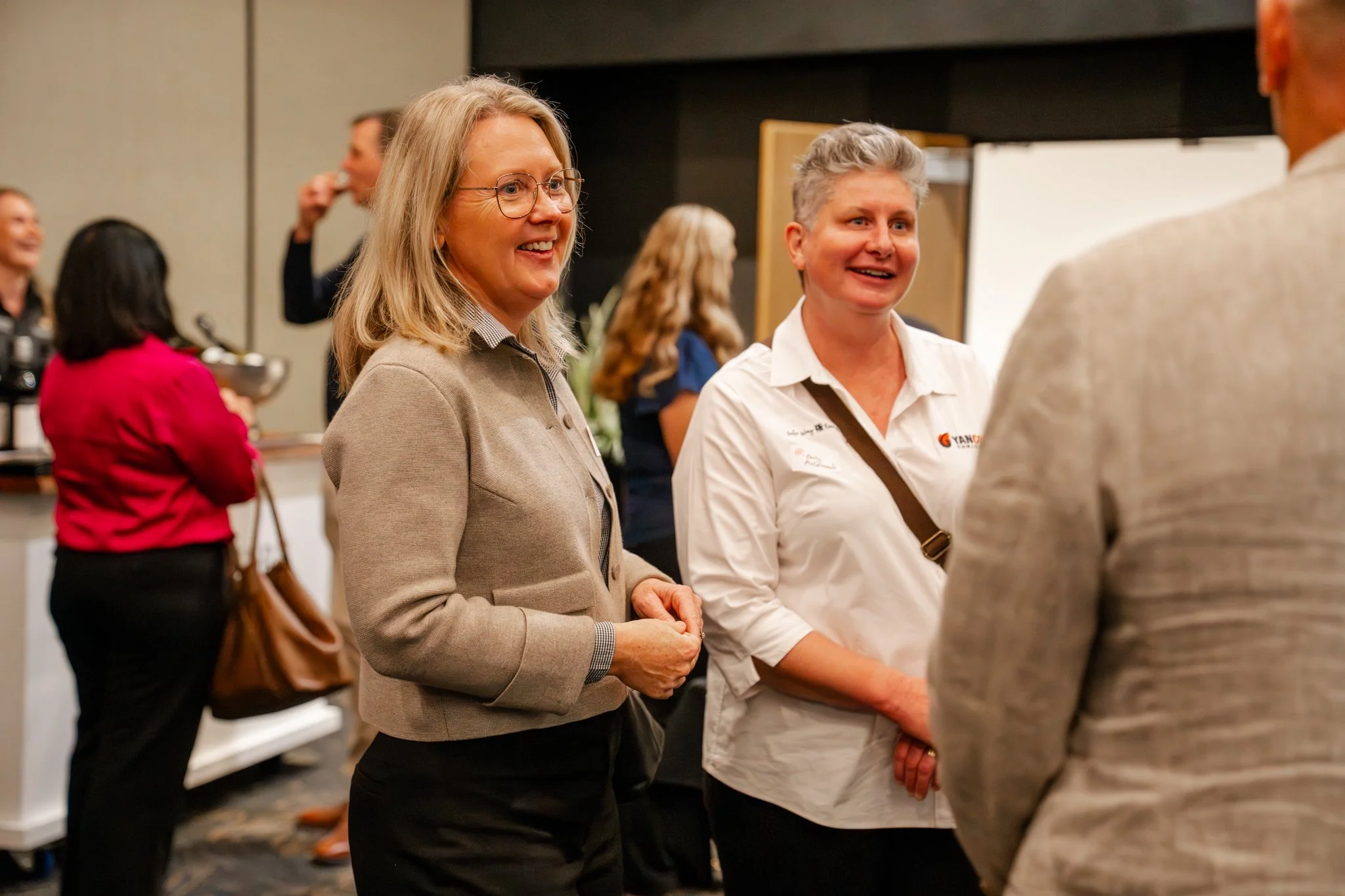
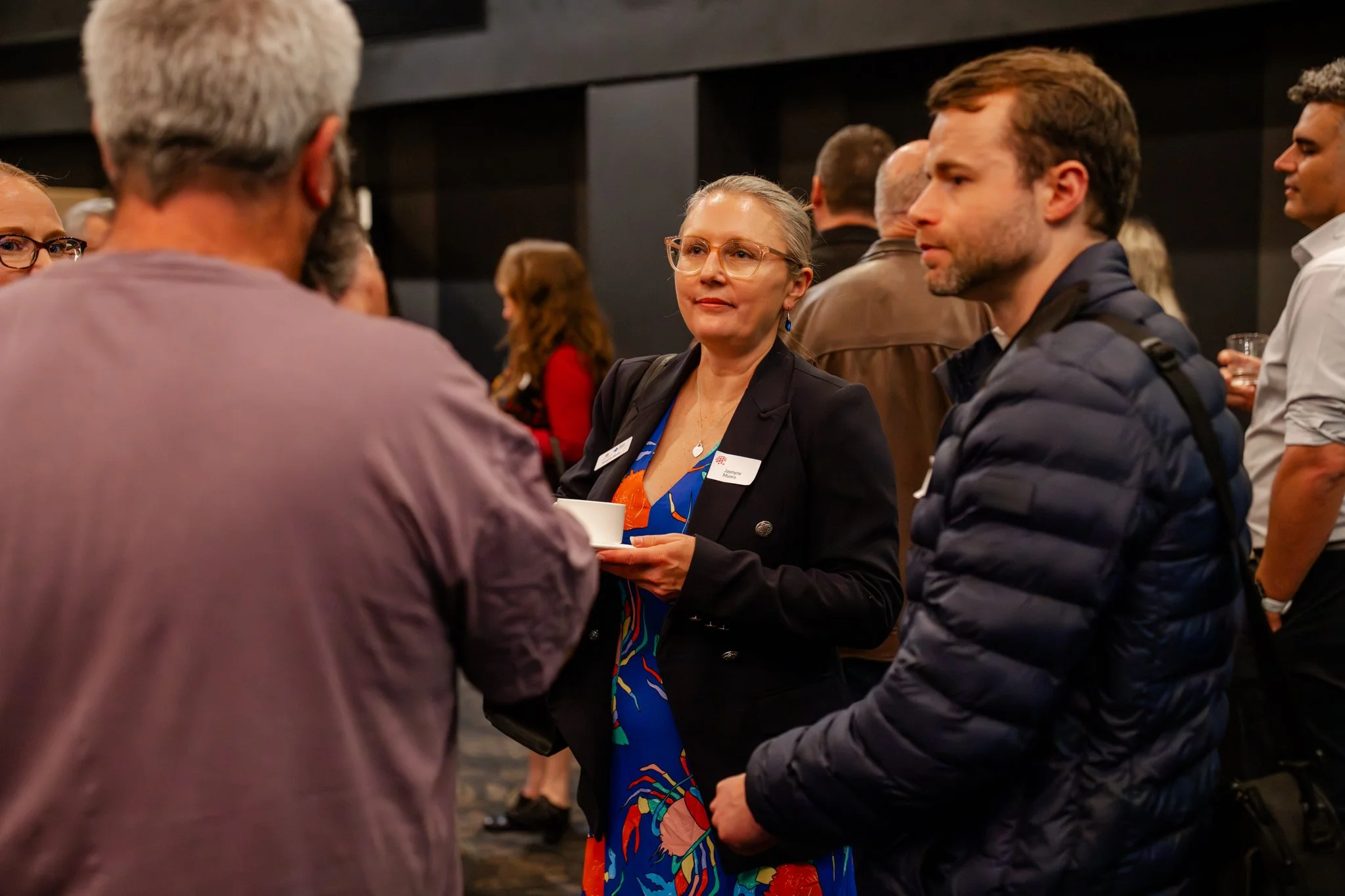
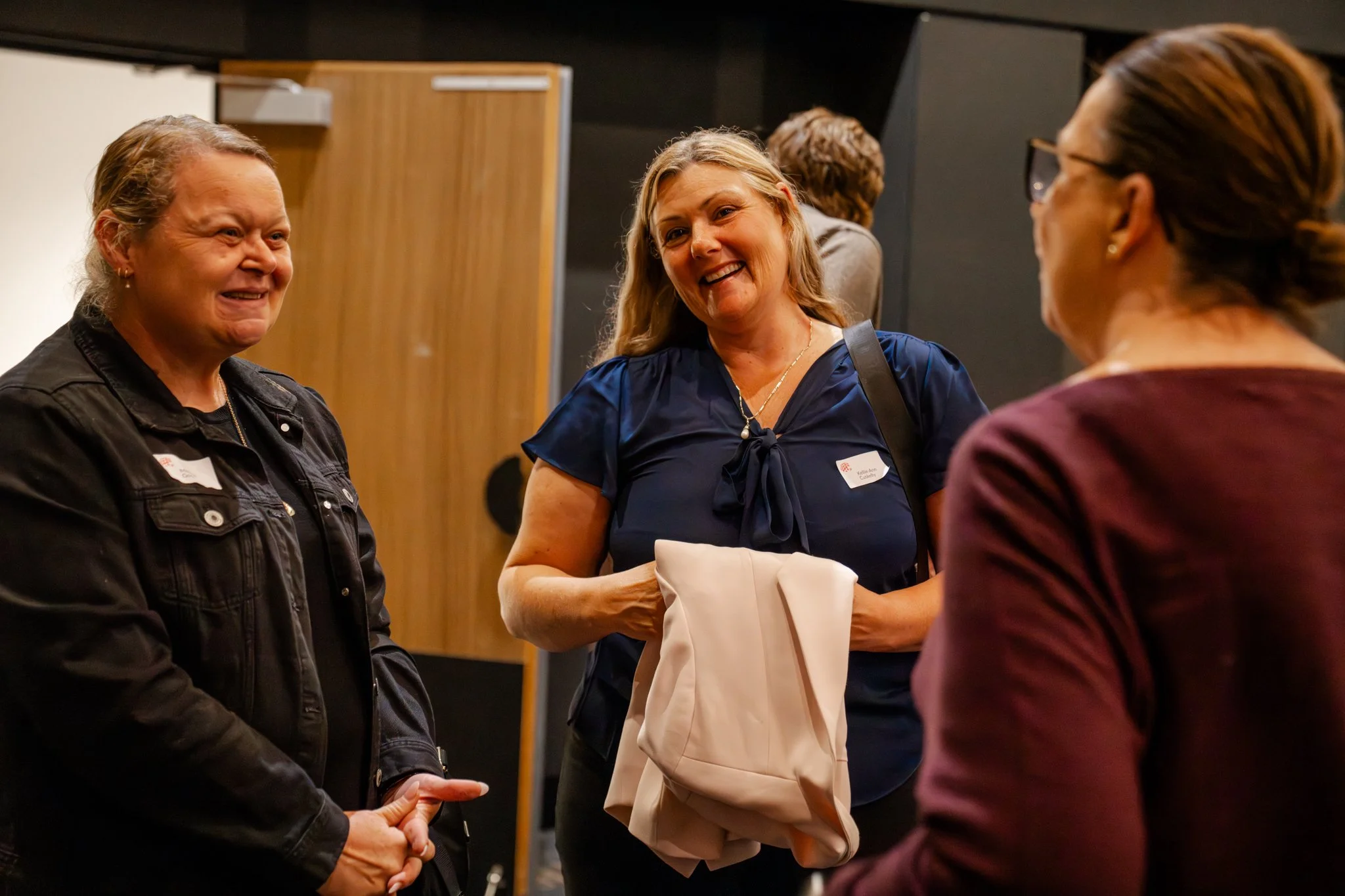
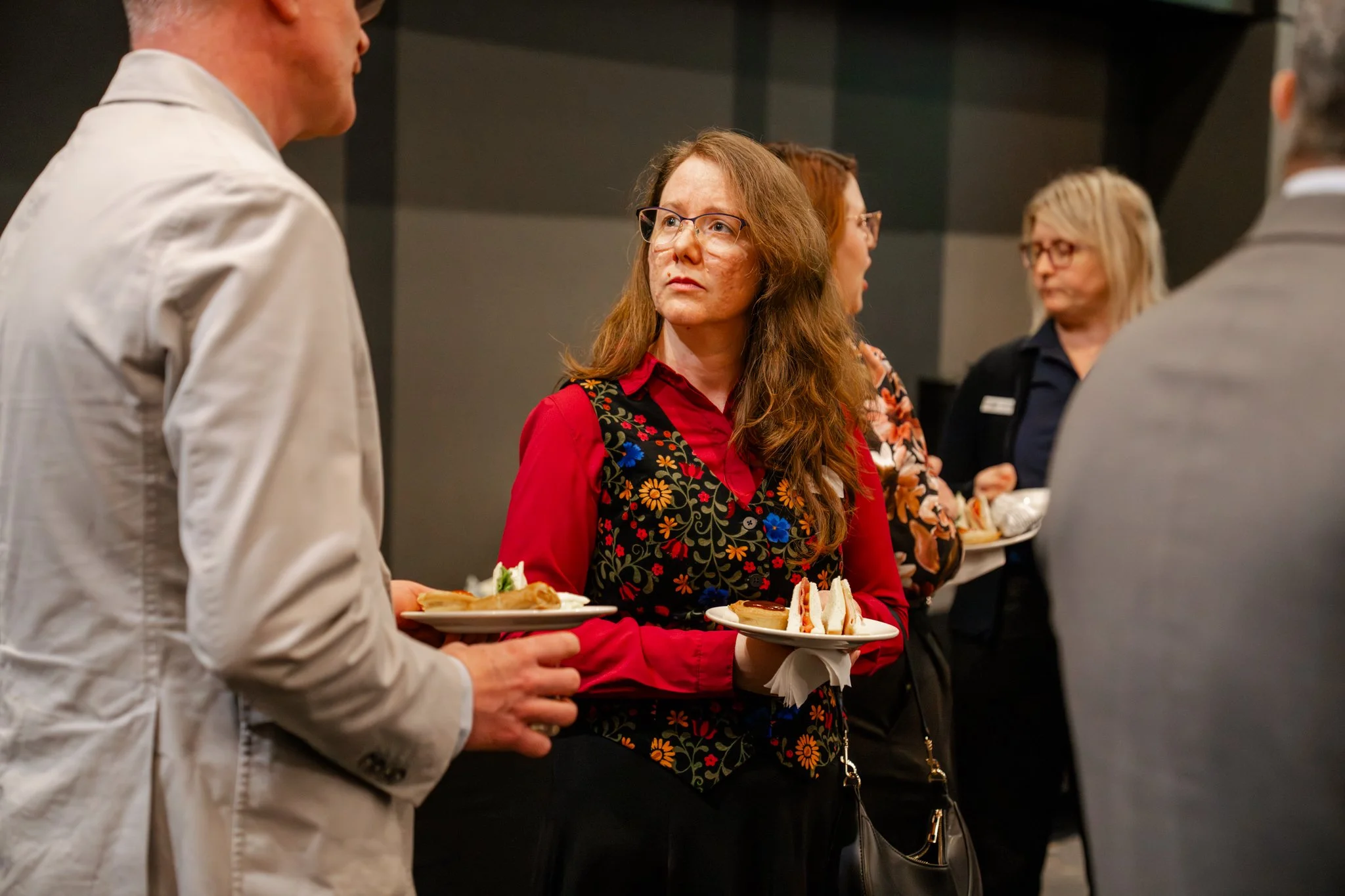
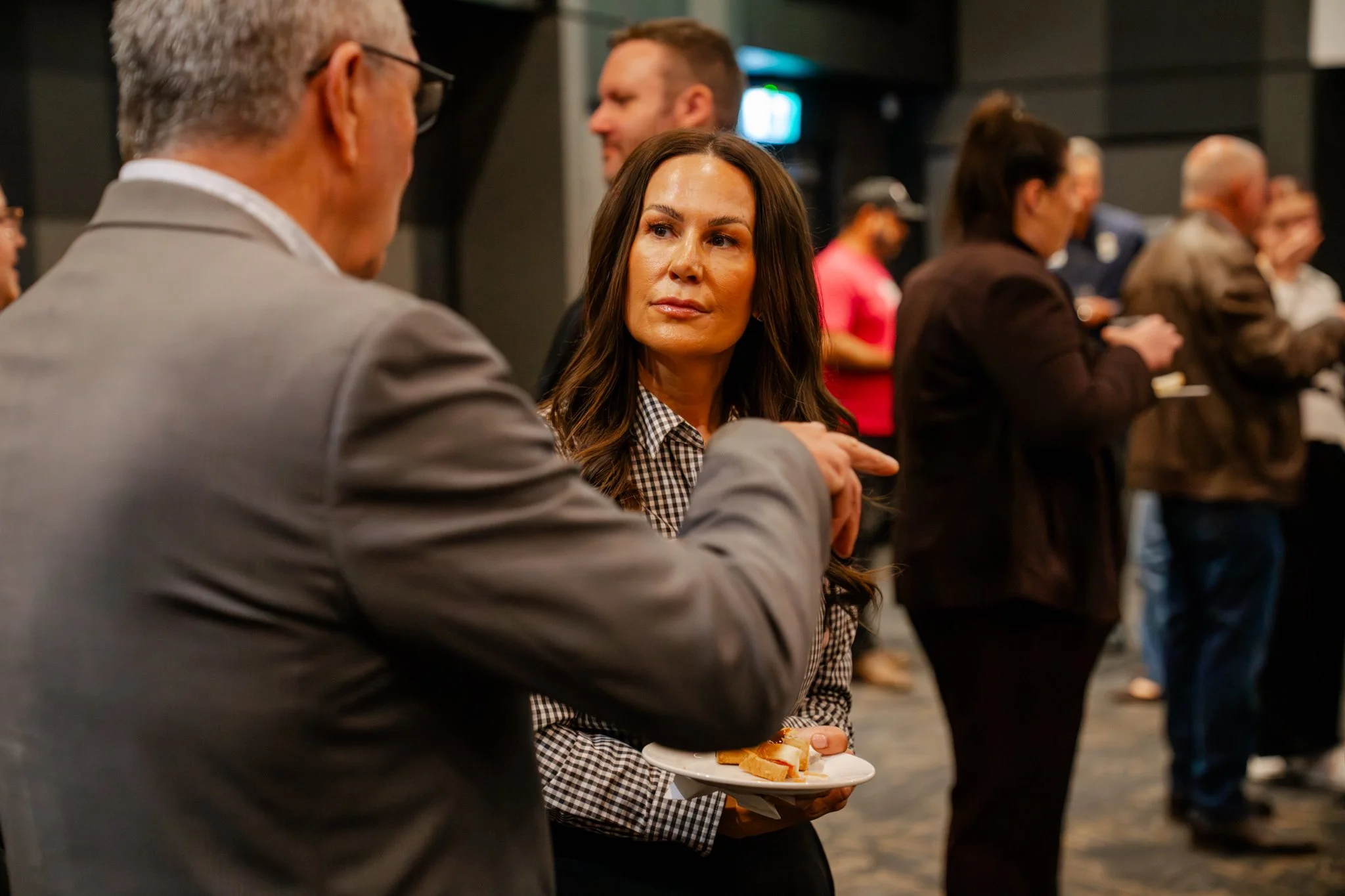
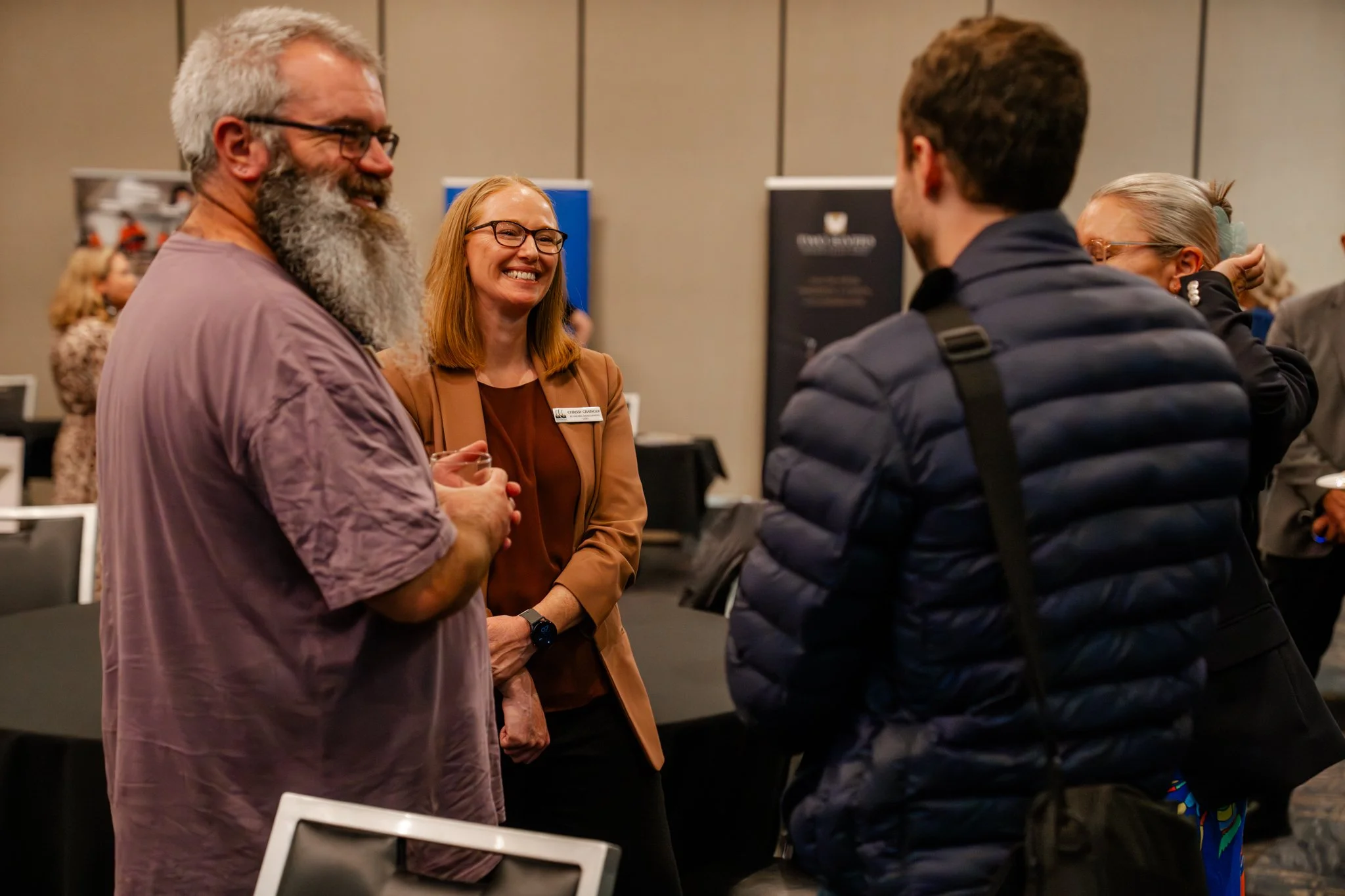
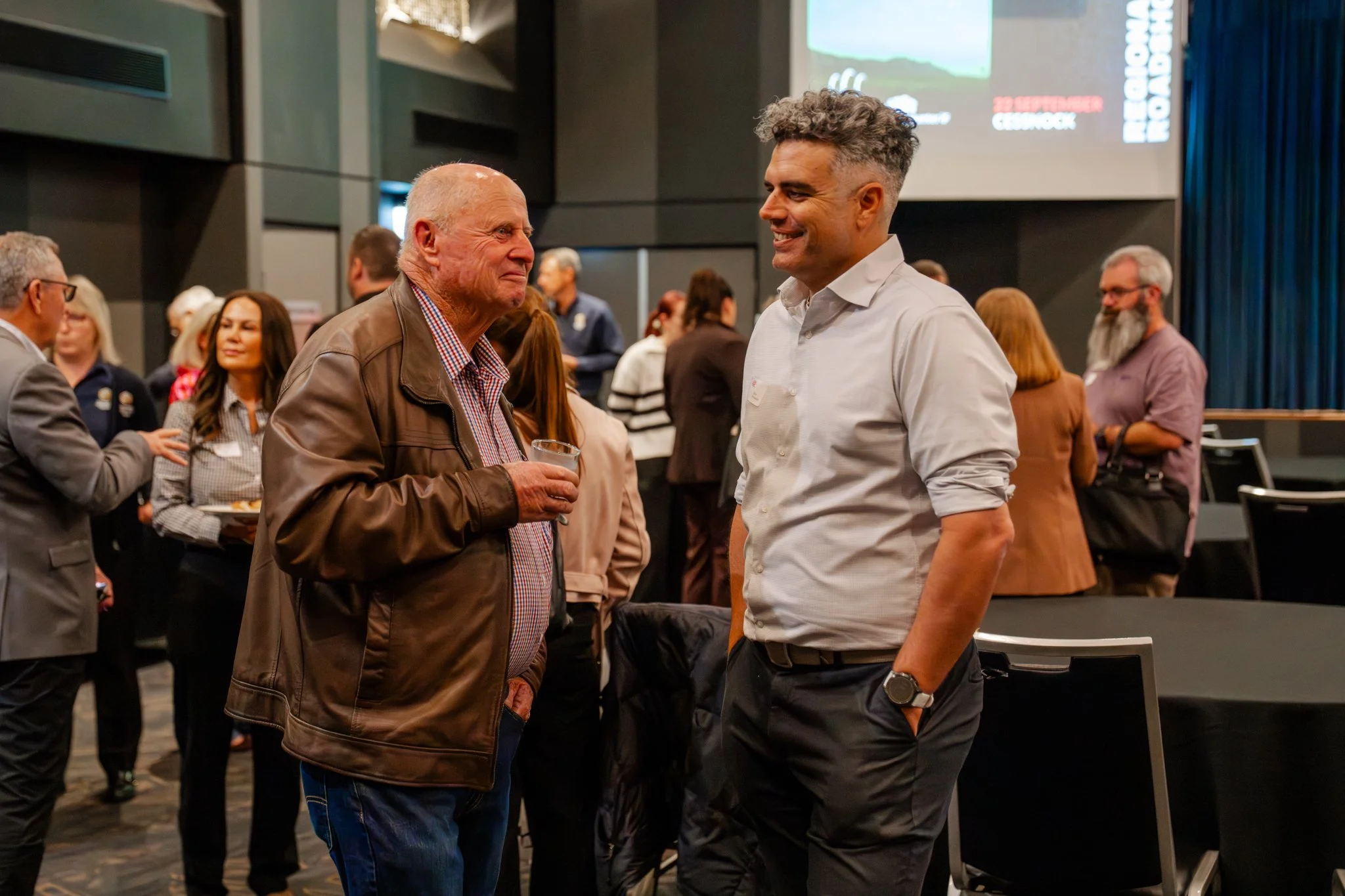
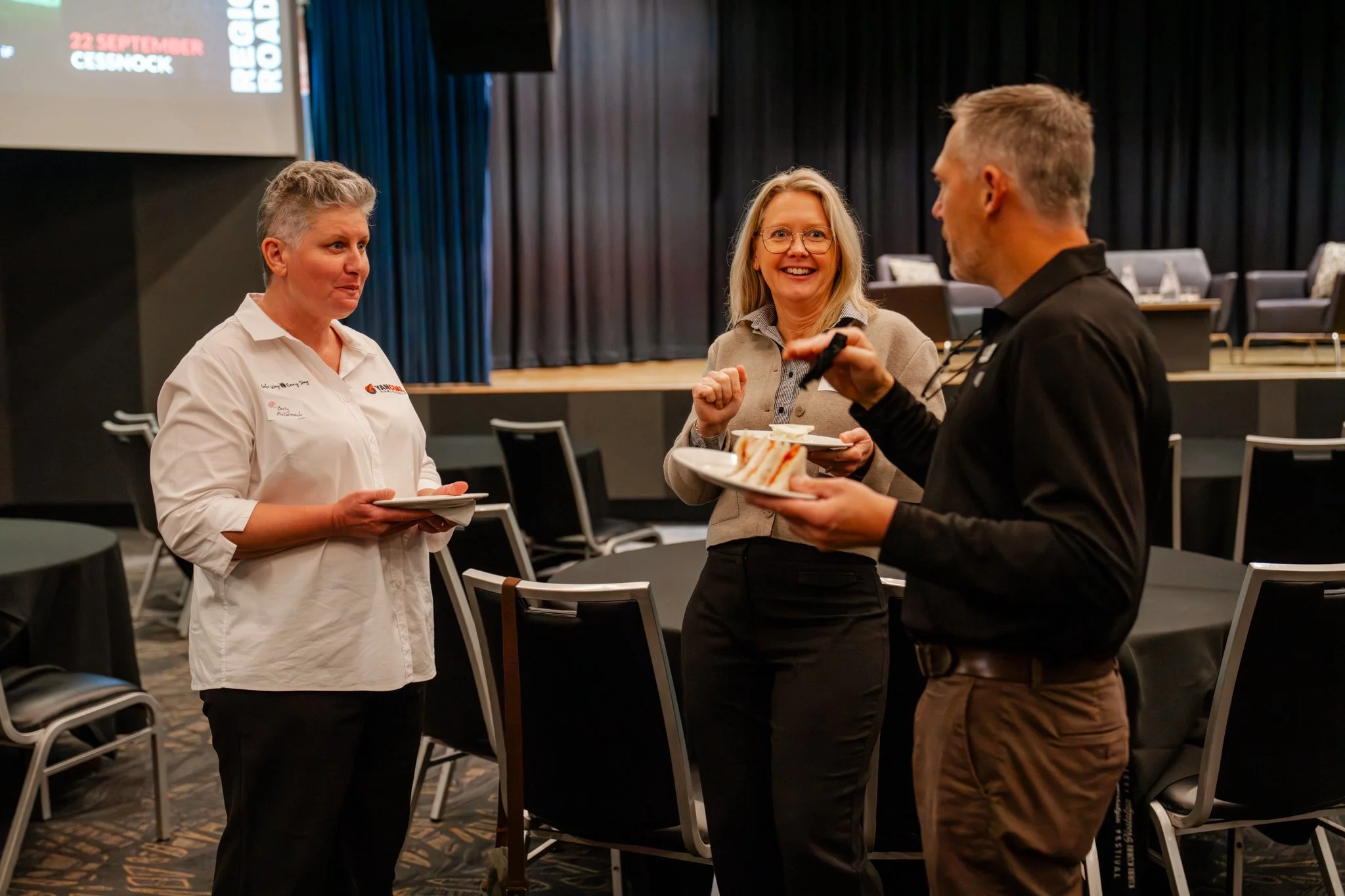
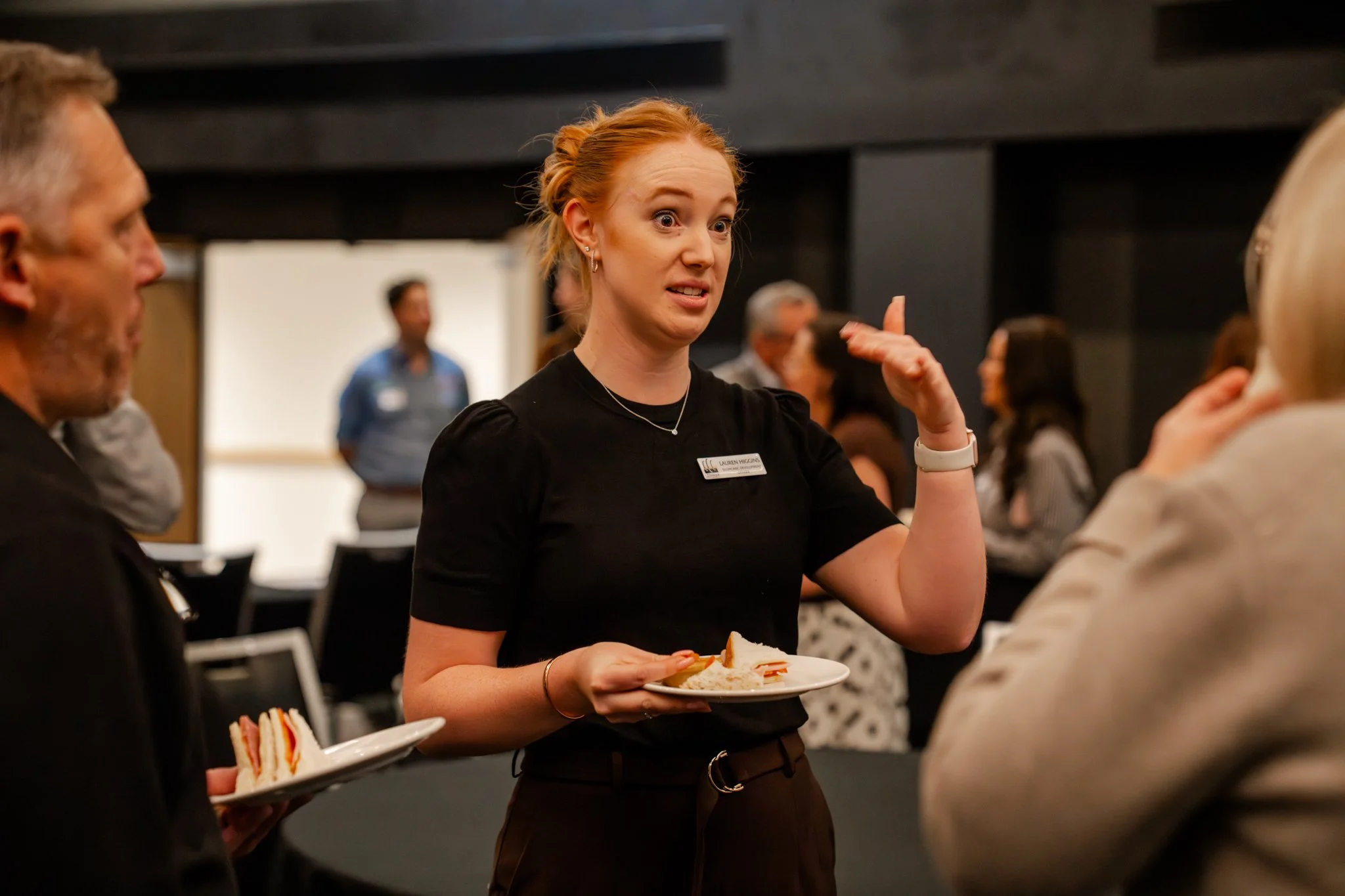
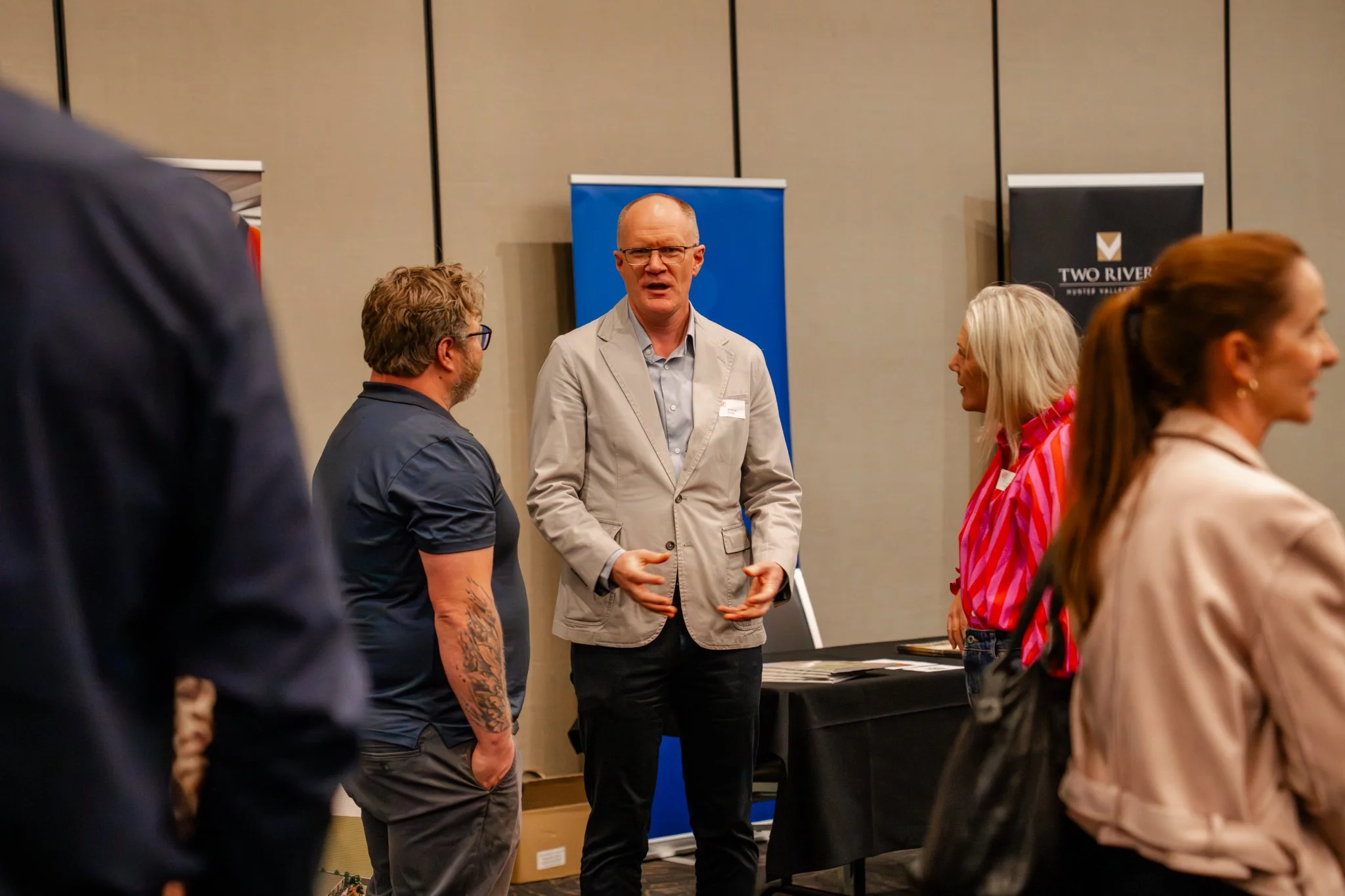
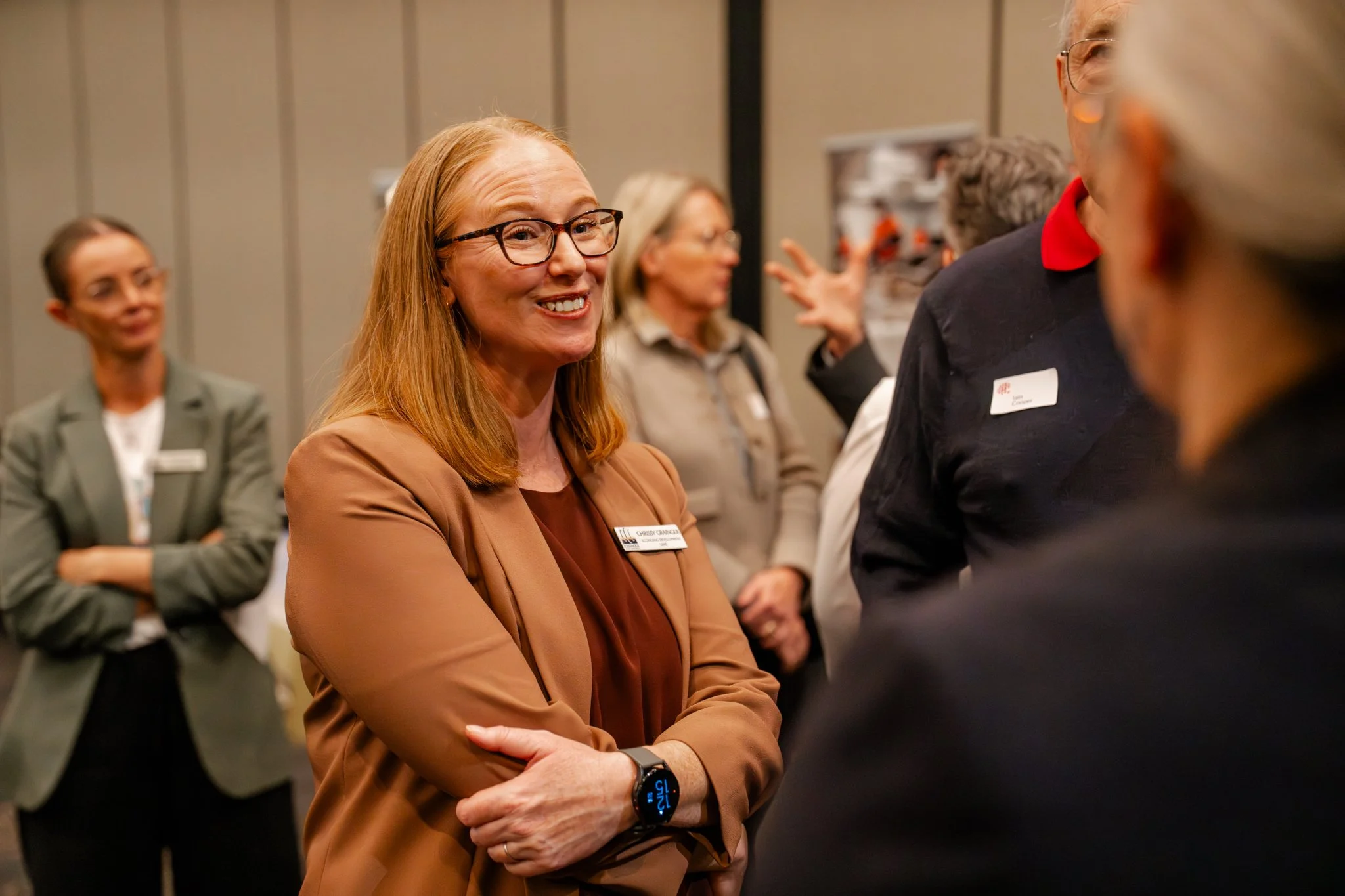
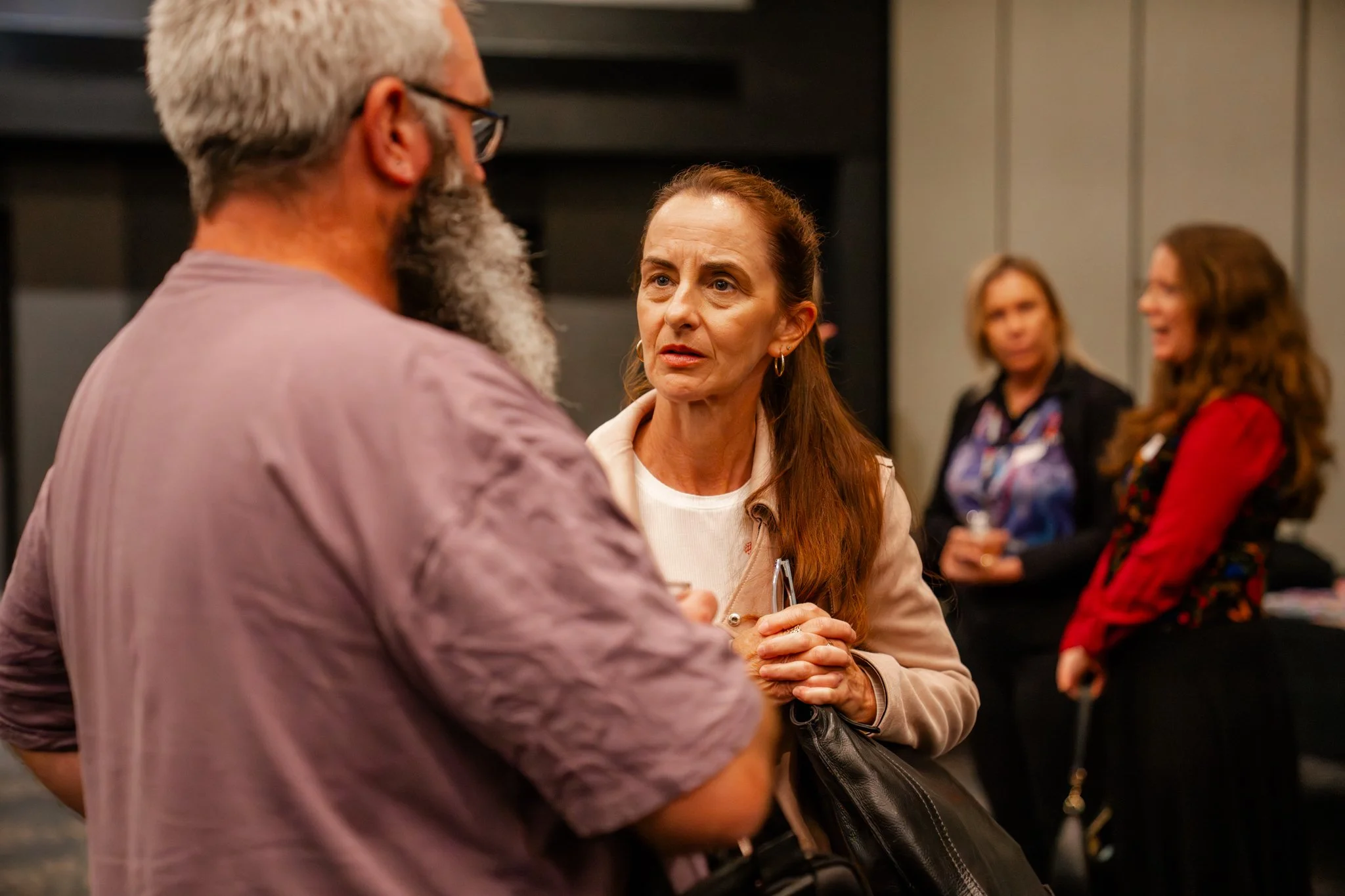
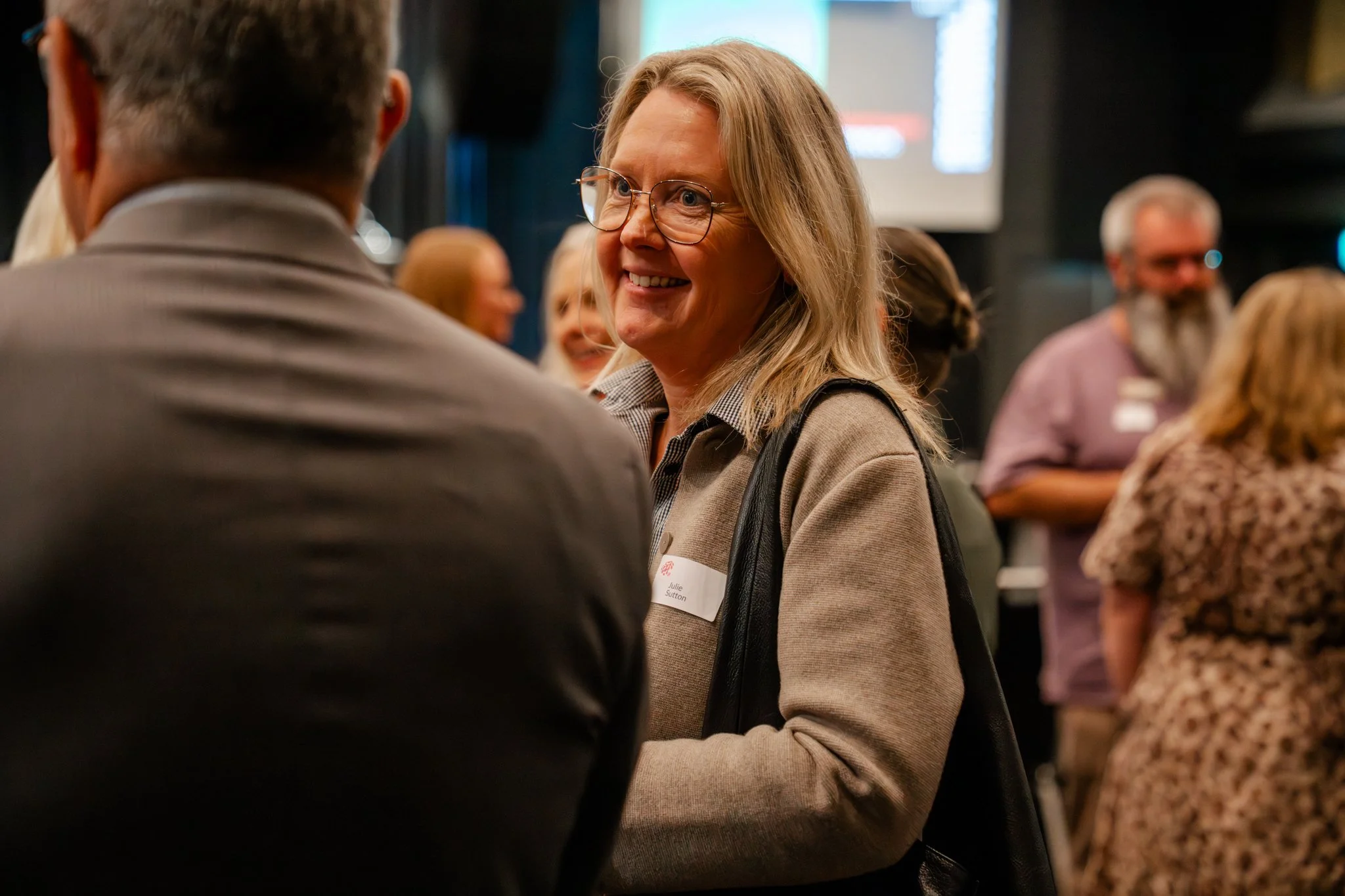
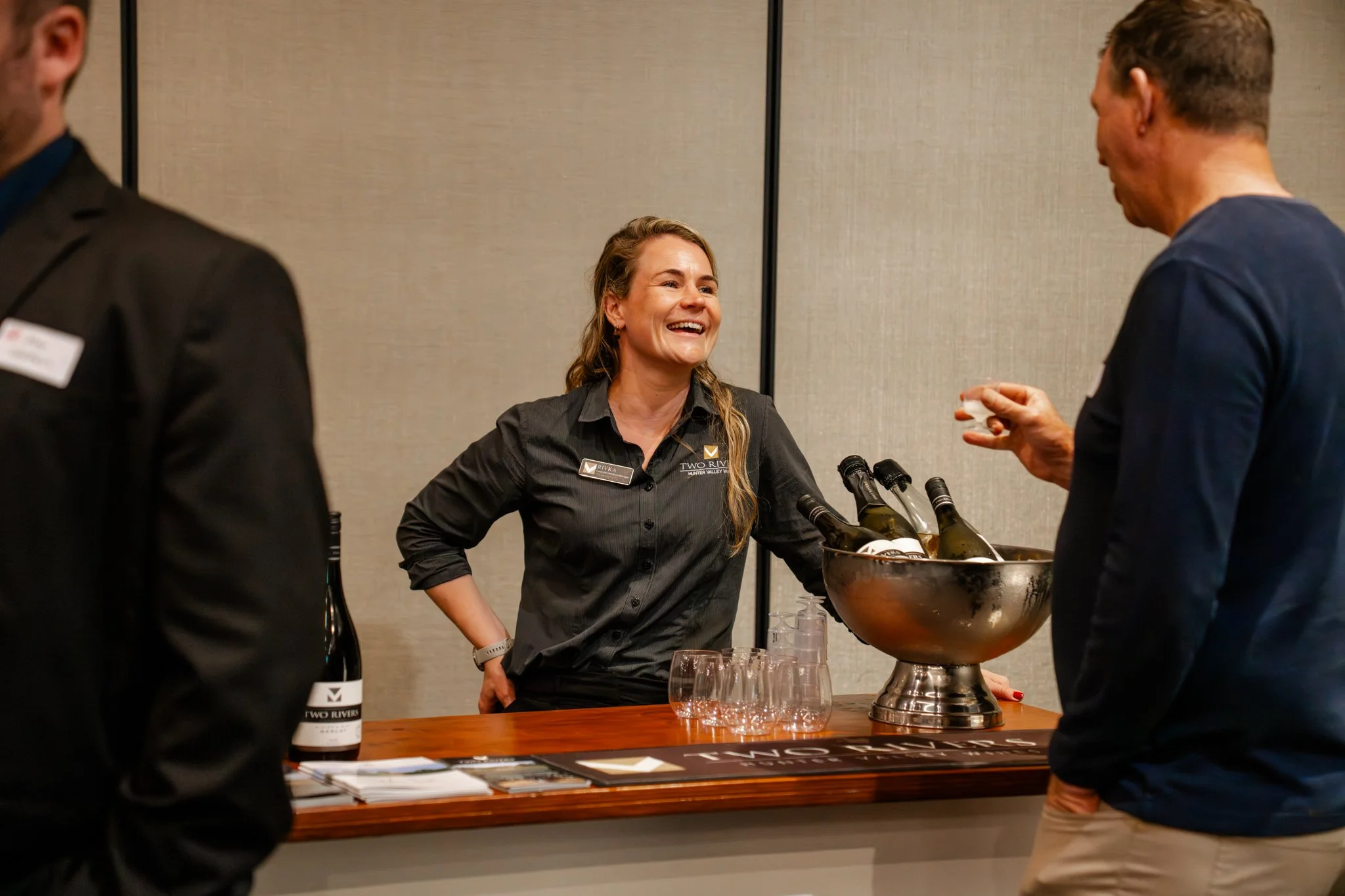
The Hunter Innovation Festival regional roadshow series kicked off in Cessnock on 22 September, building on the success of our Newcastle launch on 31 July. The Festival’s Regional Roadshow kicked off in Cessnock and brought together representatives from many of the Hunter’s leading organisations alongside local entrepreneurs, community leaders and people curious about what comes next.
Across the afternoon, one theme kept returning: how do we connect the Hunter’s extraordinary potential with real opportunities for the people who live here, particularly our young people?
Creating places where opportunity can grow
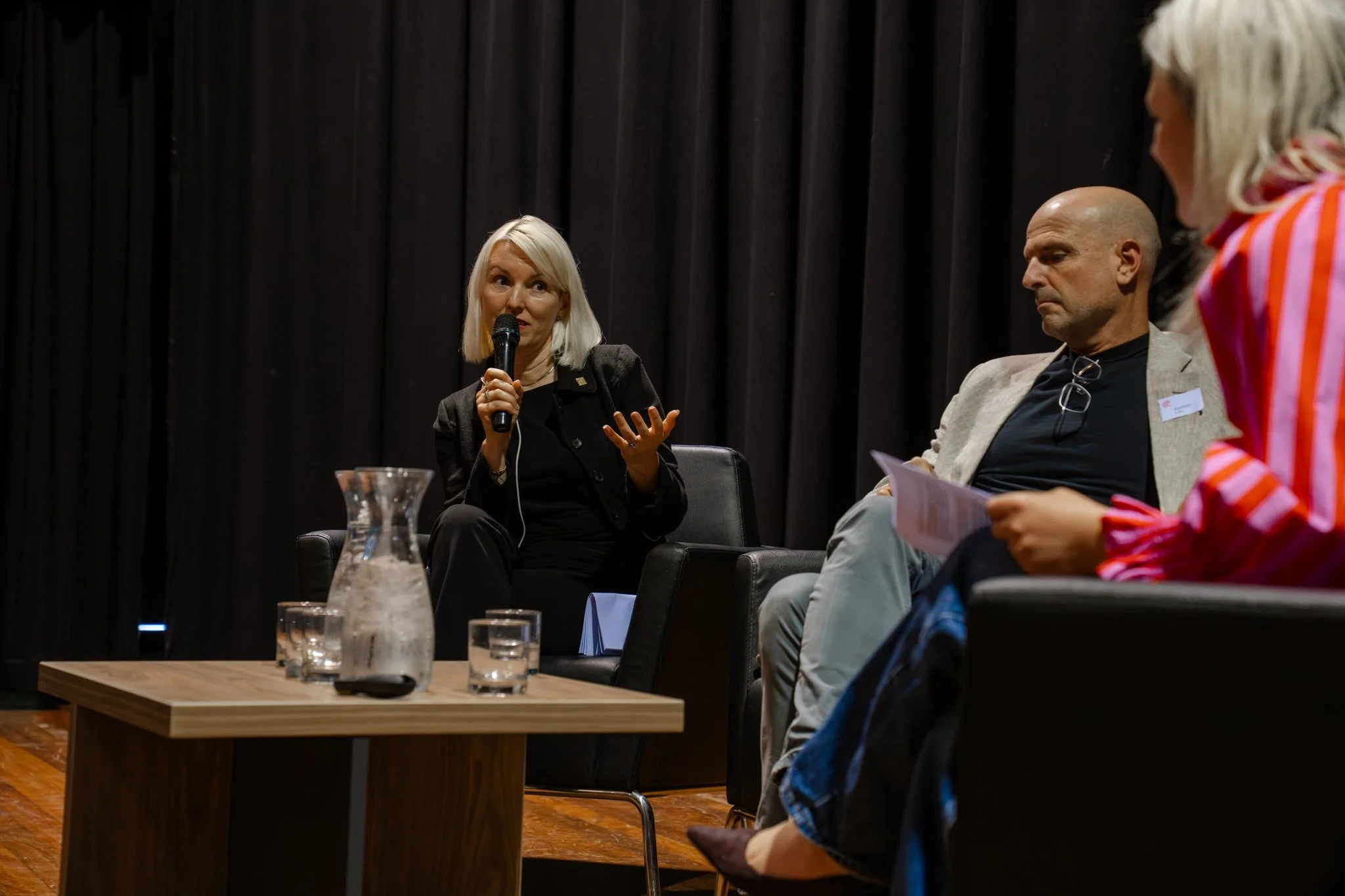
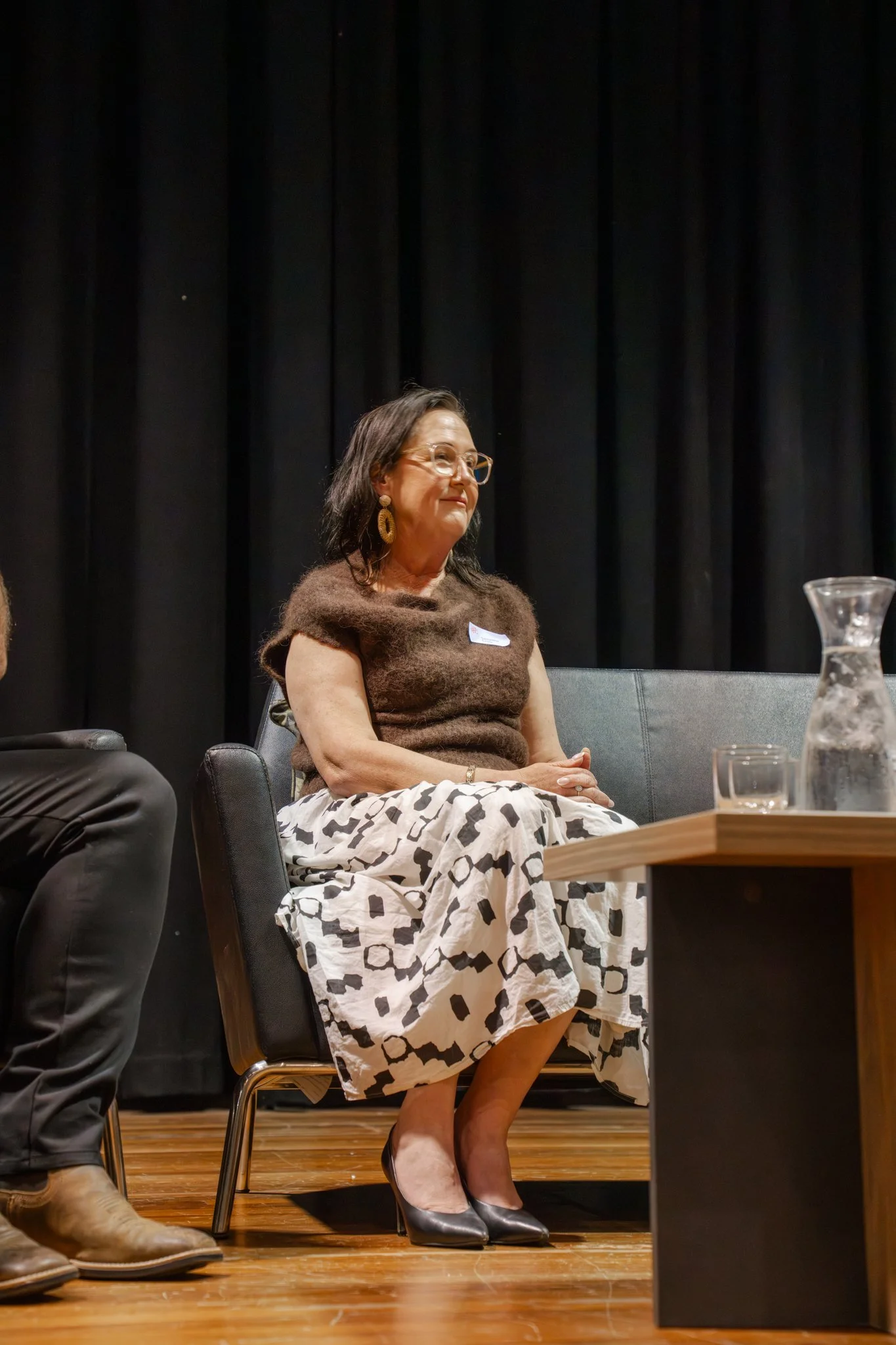
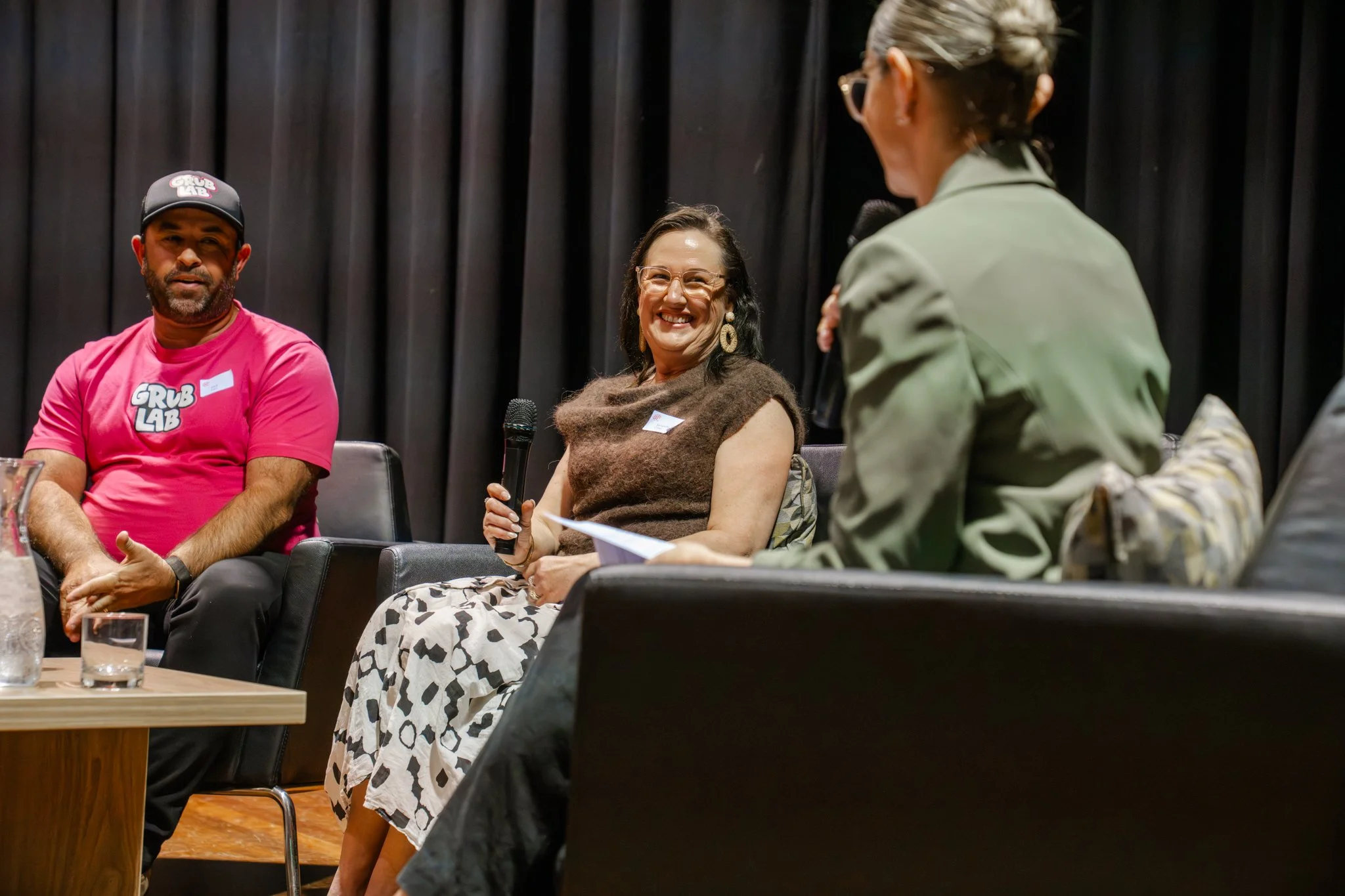
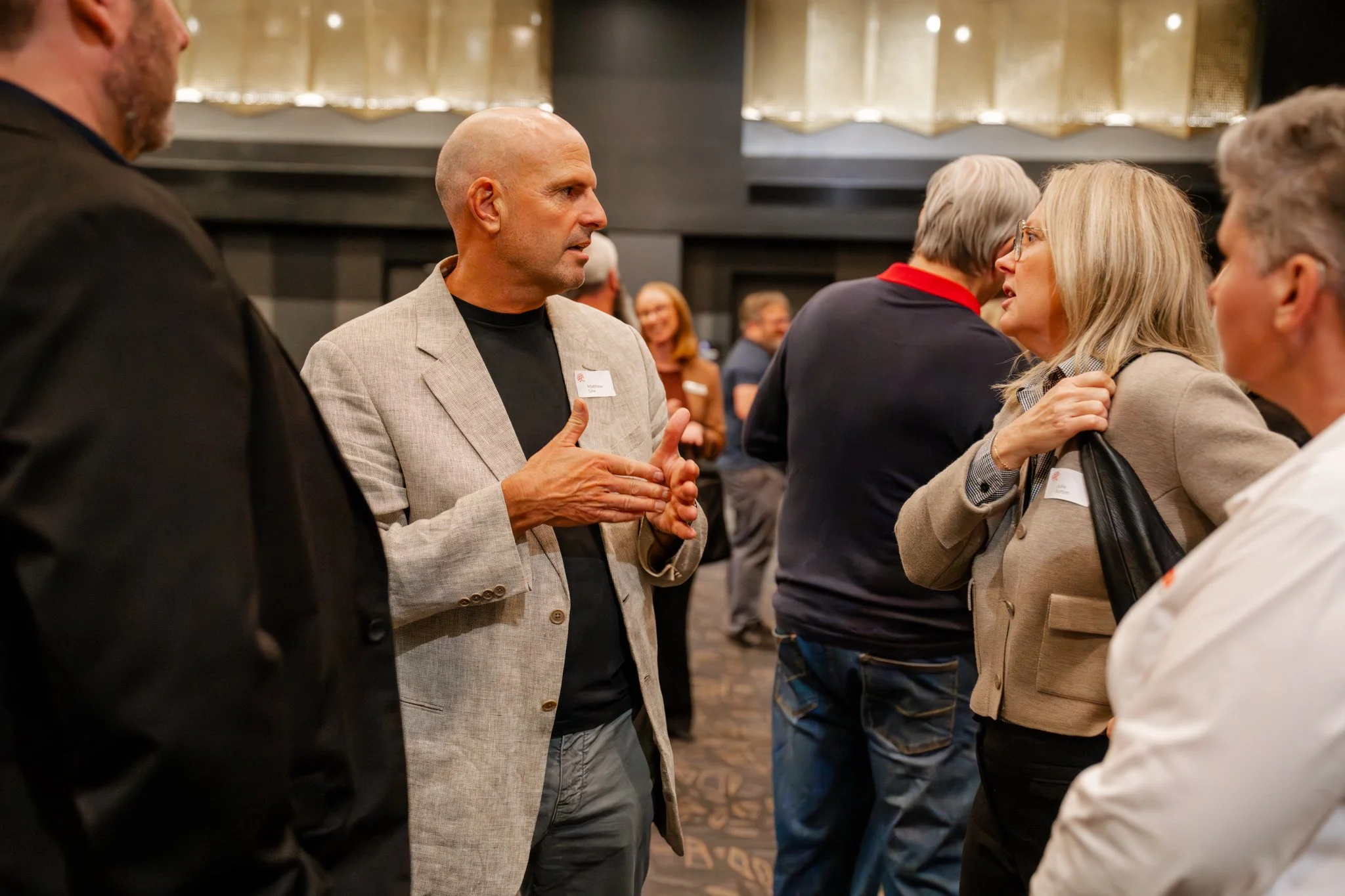
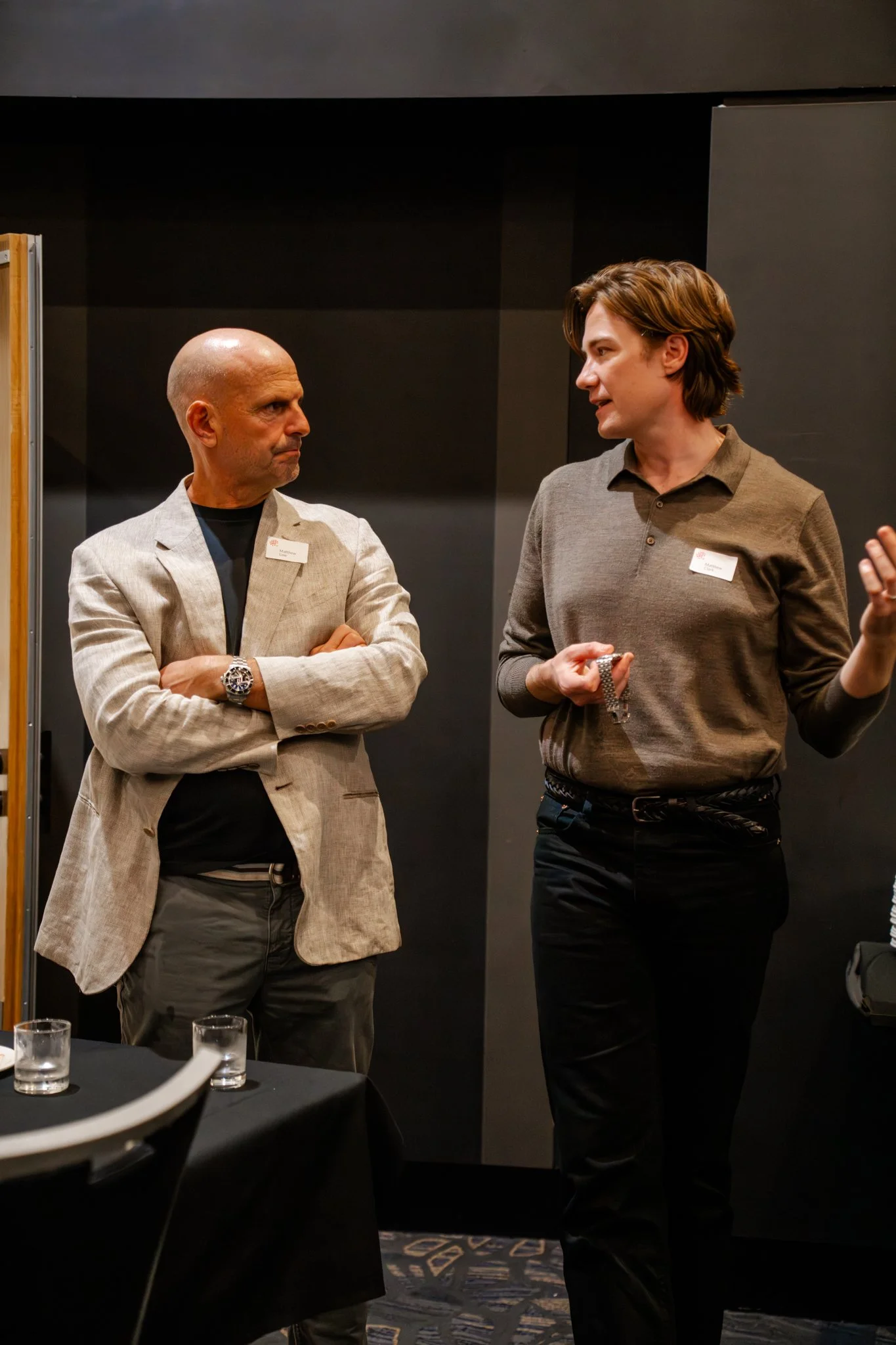
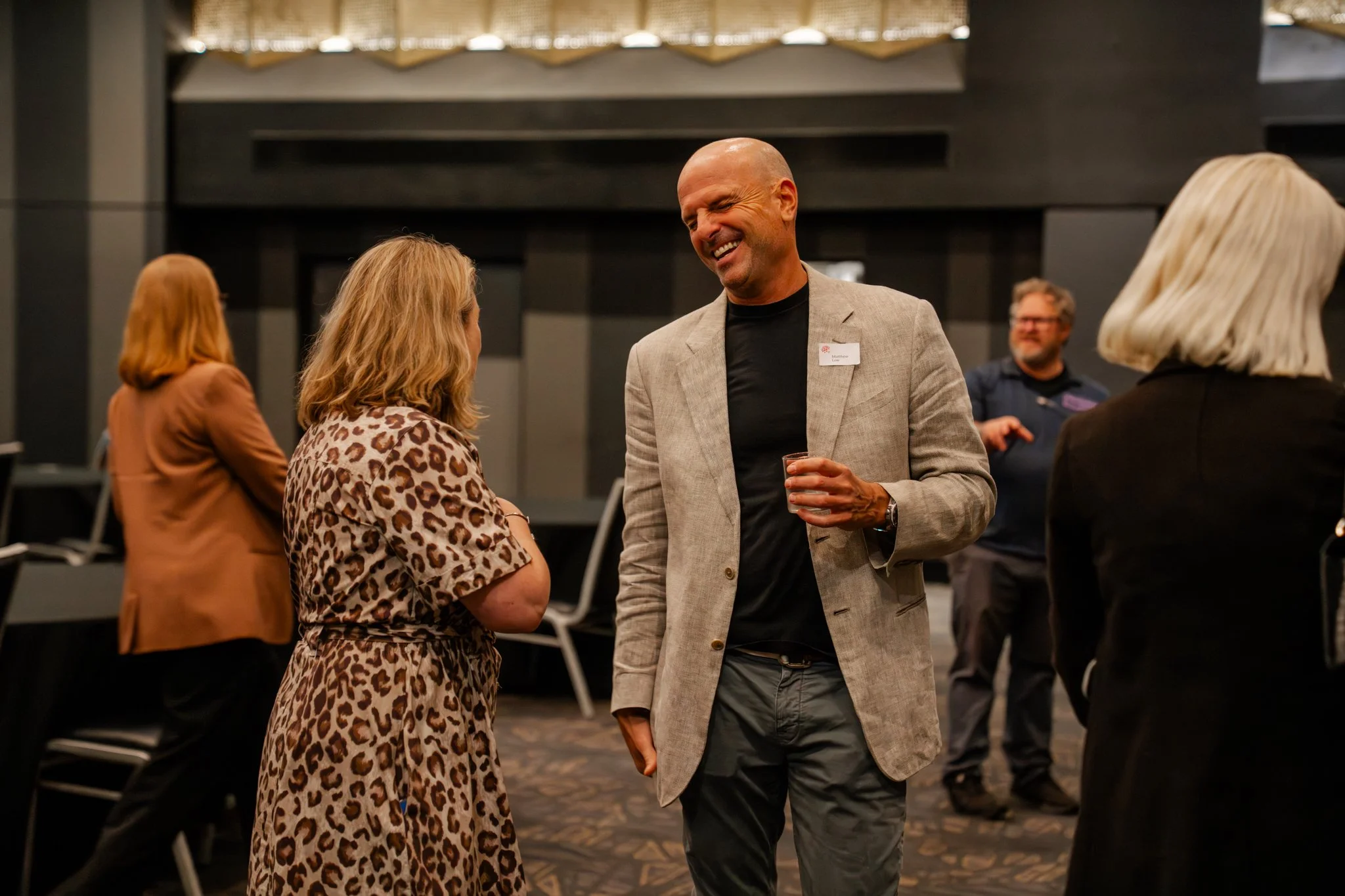
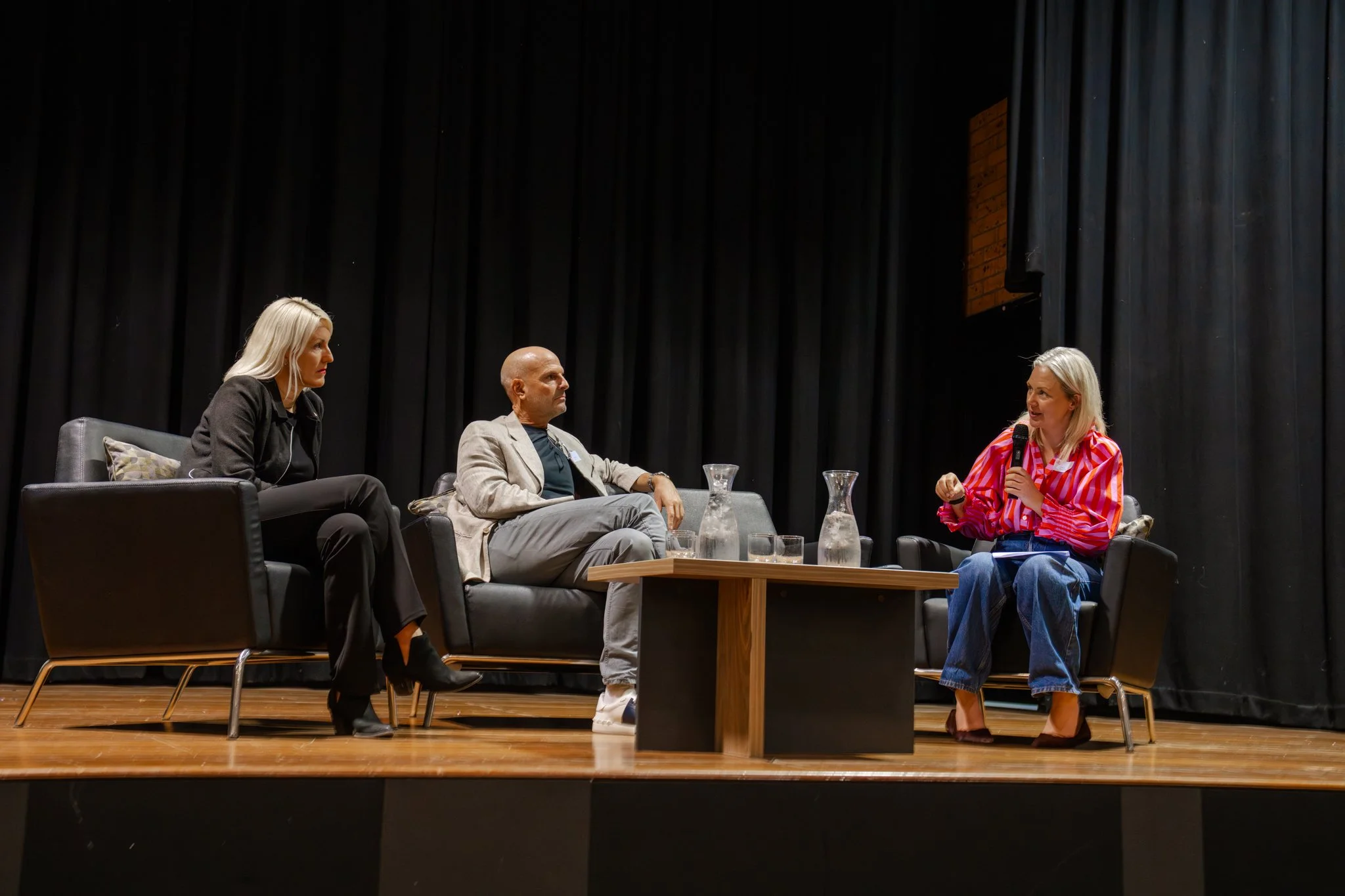
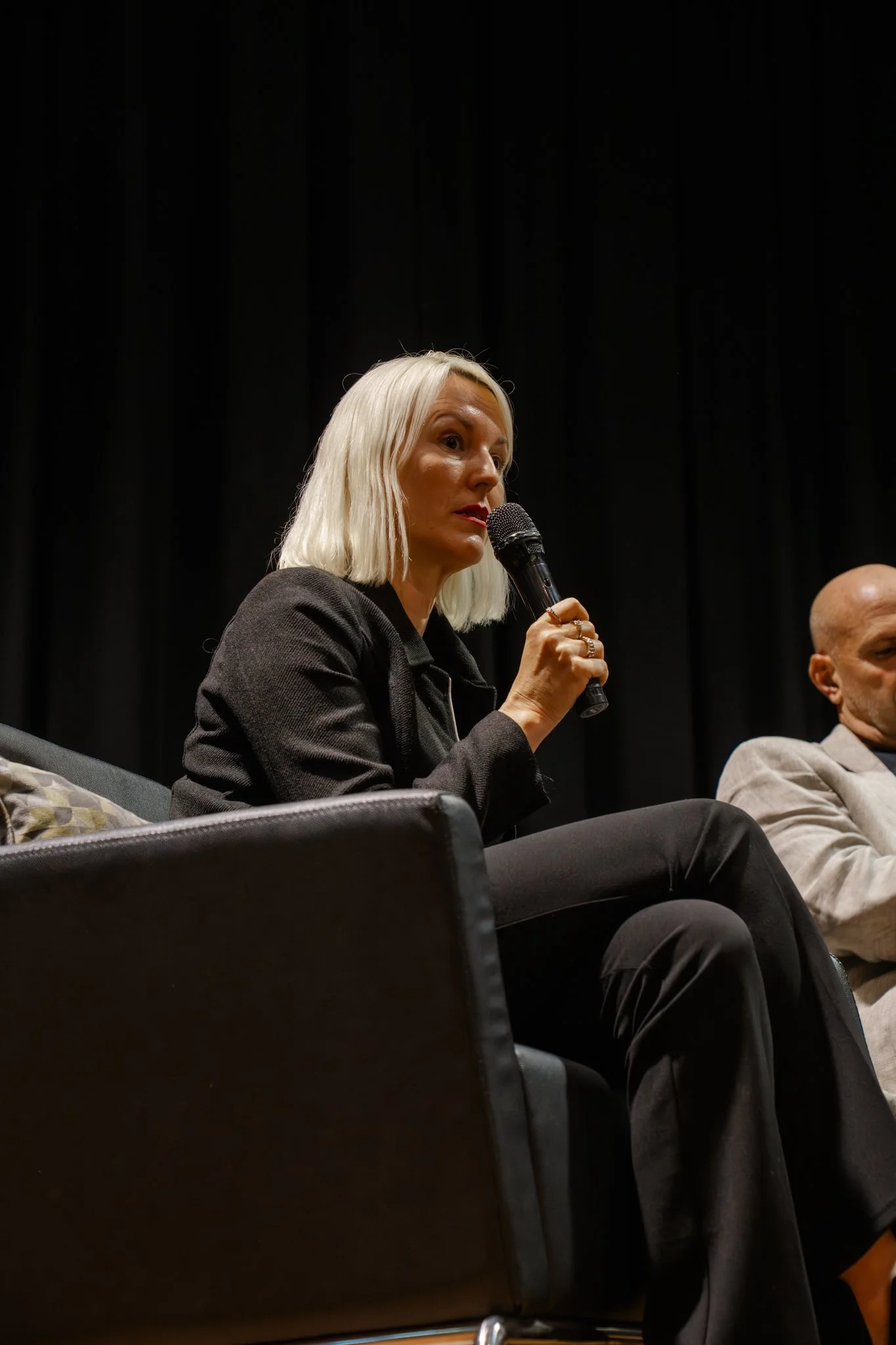
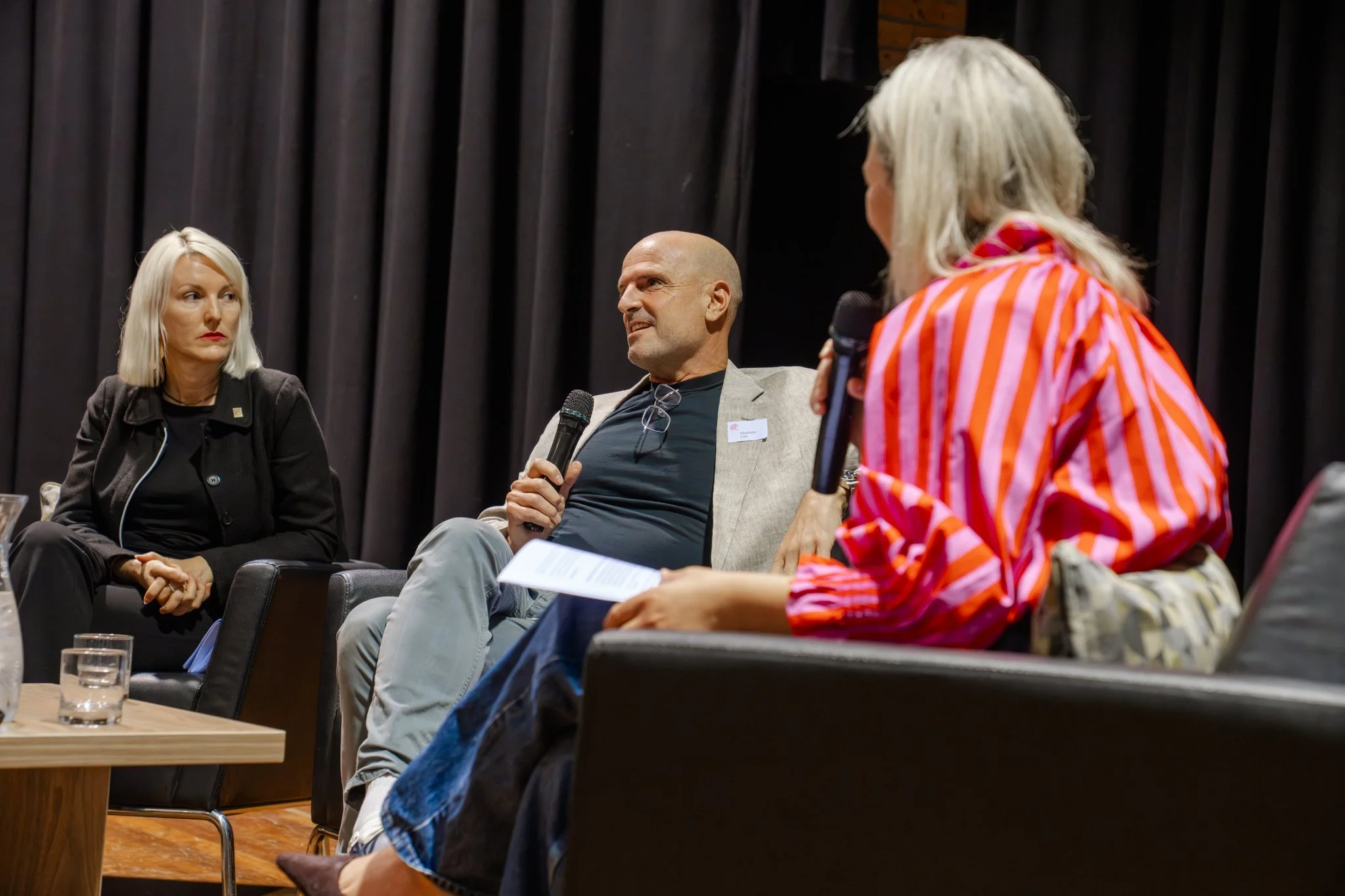
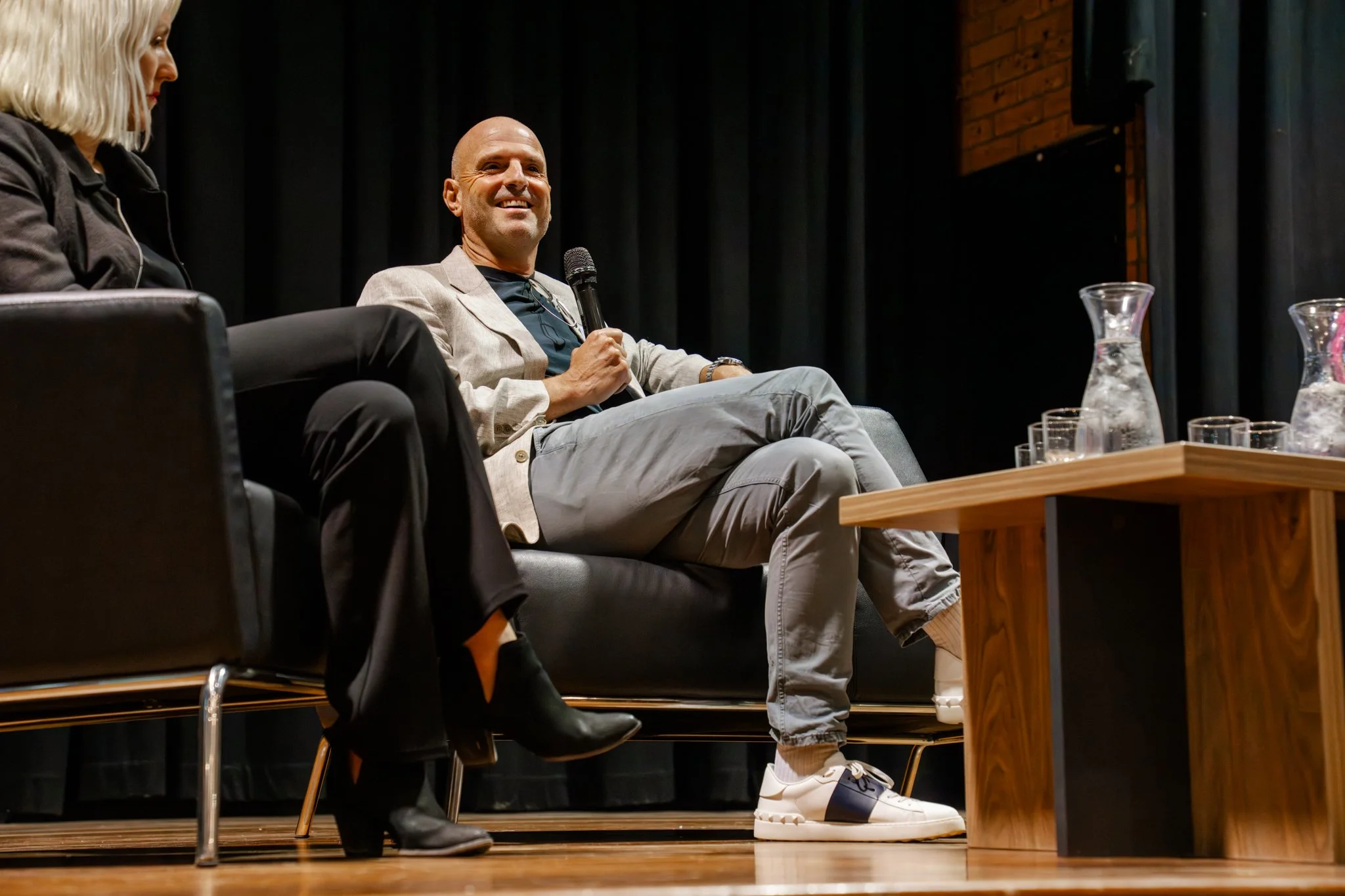
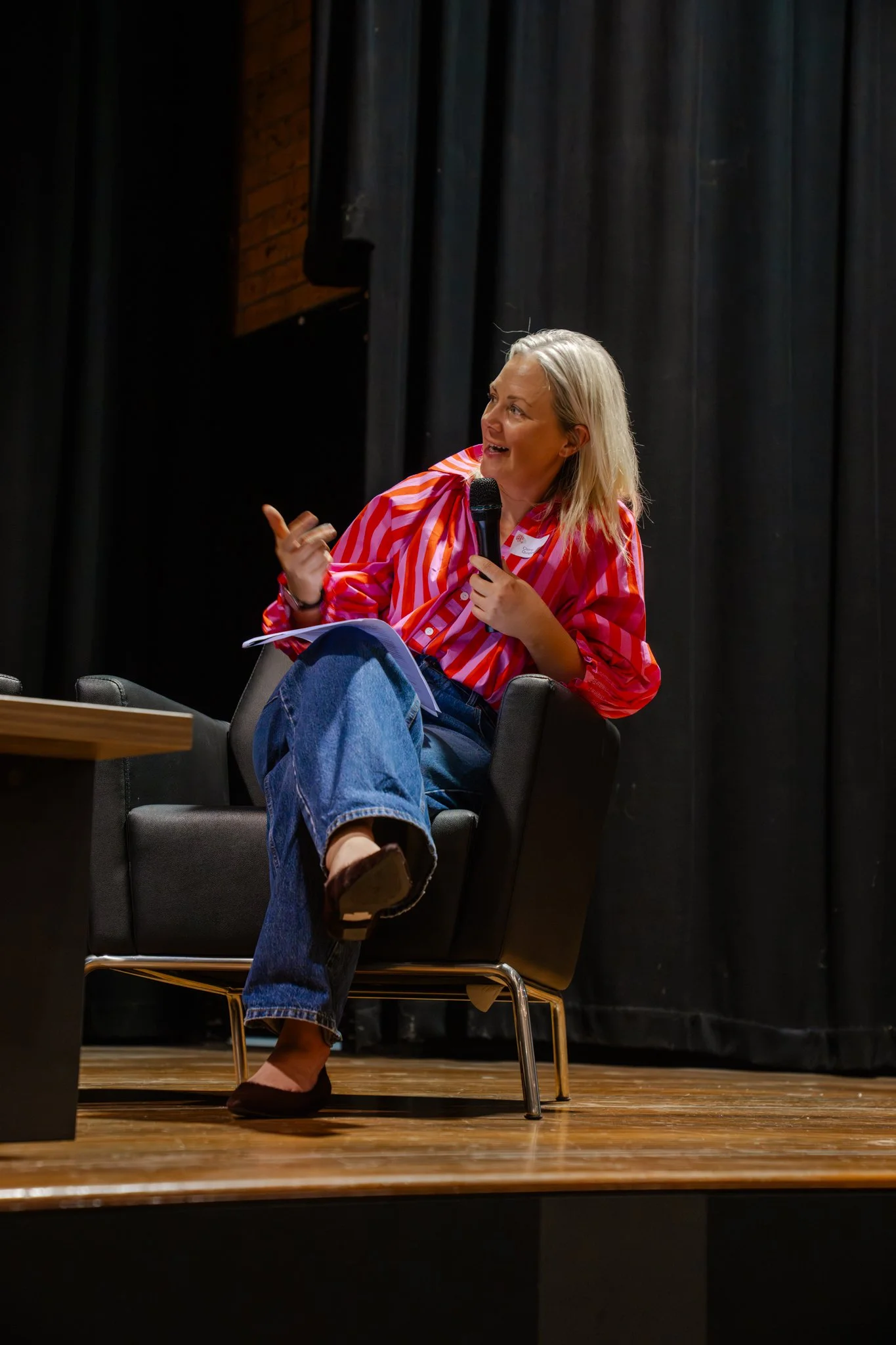
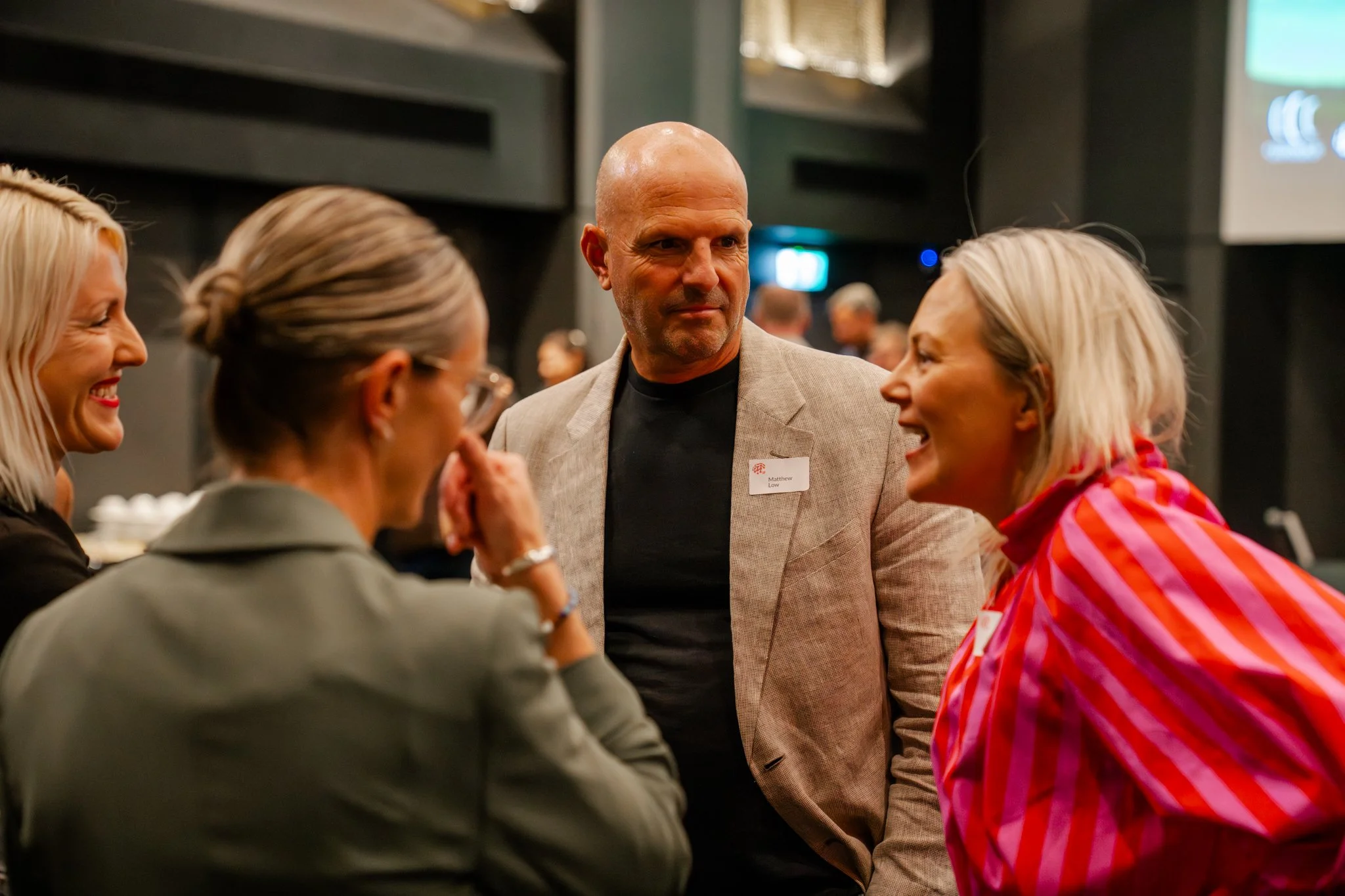
Natalia Cowley, Matthew Low and Claire Quigely
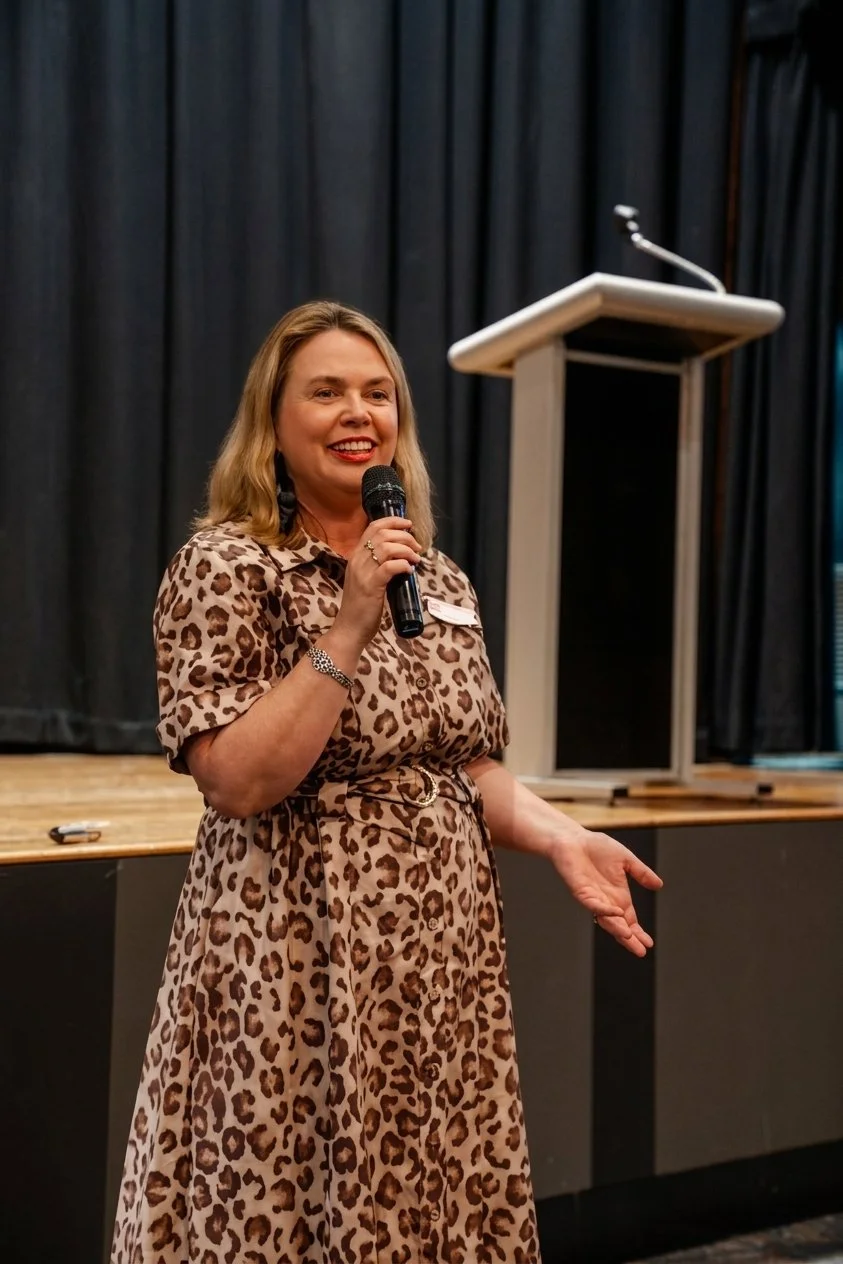
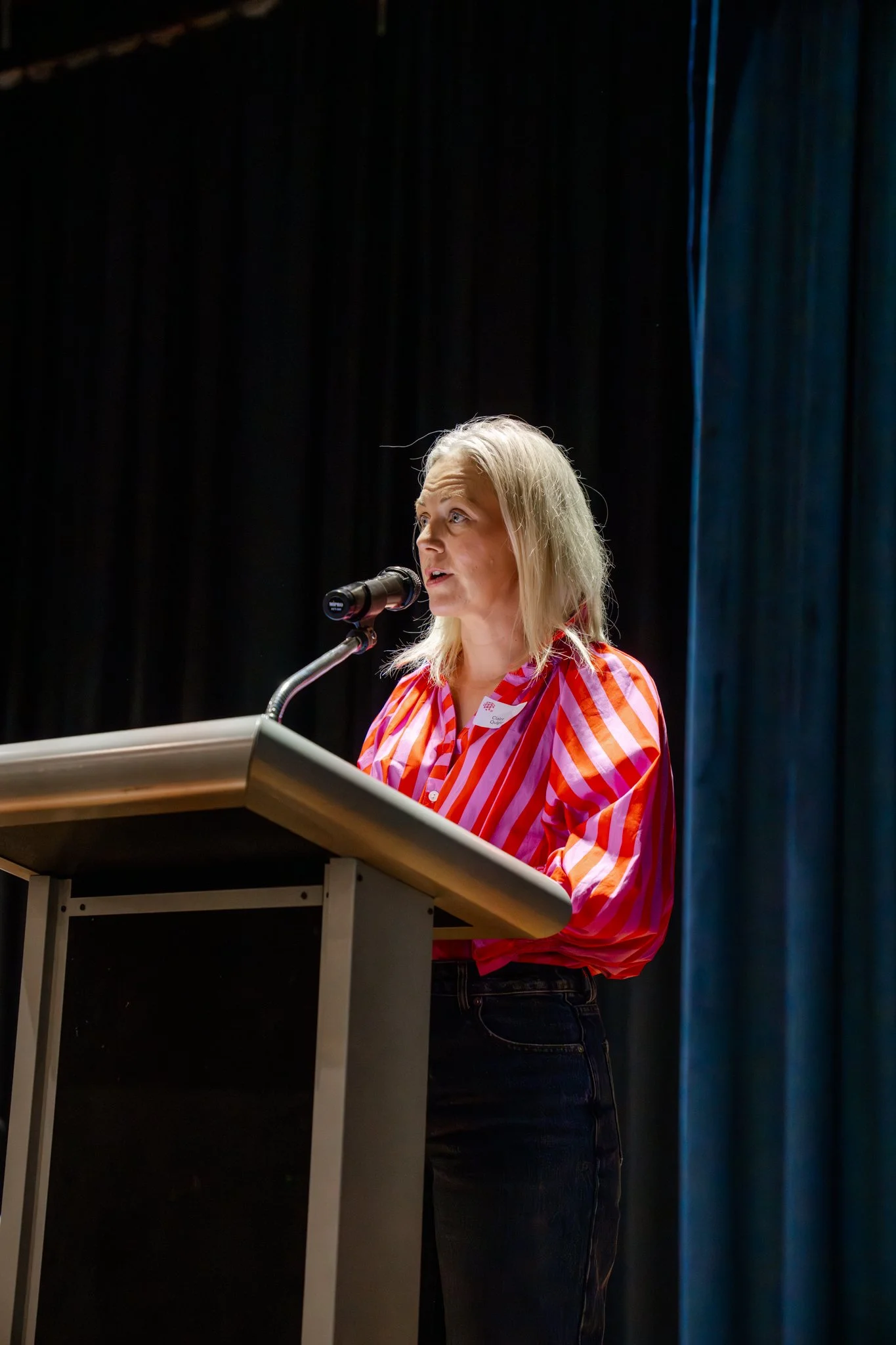
A conversation led by Hunter iF Chair Claire Quigley, with Matthew Low of Redleaf Property Group and Cessnock City Council General Manager Natalia Cowley, explored enterprise, community and the legacy we leave behind.
For Natalia, success came back to “providing value to the community” and leaving a positive legacy for the people who follow us.
That perspective set the tone for a discussion about how local leadership and enterprise can contribute to a more prosperous, connected region.
Matthew’s work at the Wollombi General Store and Artisans Collective offers a tangible example. The collective provides a working space where local makers can create, share and sell their work, supported by workshops and artisan markets that give people new reasons to visit. The store team also assists with promotion, sales and events, helping creative businesses reach a wider audience.
Matthew spoke about the importance of investing in telling that story well. His advice to businesses considering their marketing was direct: “Do it properly, really invest in it.”
Creating something special is one part of the work; helping people discover it is another. His experience showed how local creativity, hospitality and thoughtful promotion can work together to bring new visitors into a community.
Helping young people see a future here
Youth engagement and employment pathways emerged across the day’s discussions. How do we help young people discover the breadth of careers available in the Hunter? How do we connect schools, employers and emerging industries? And how do we ensure young people have a voice in the decisions that affect them?
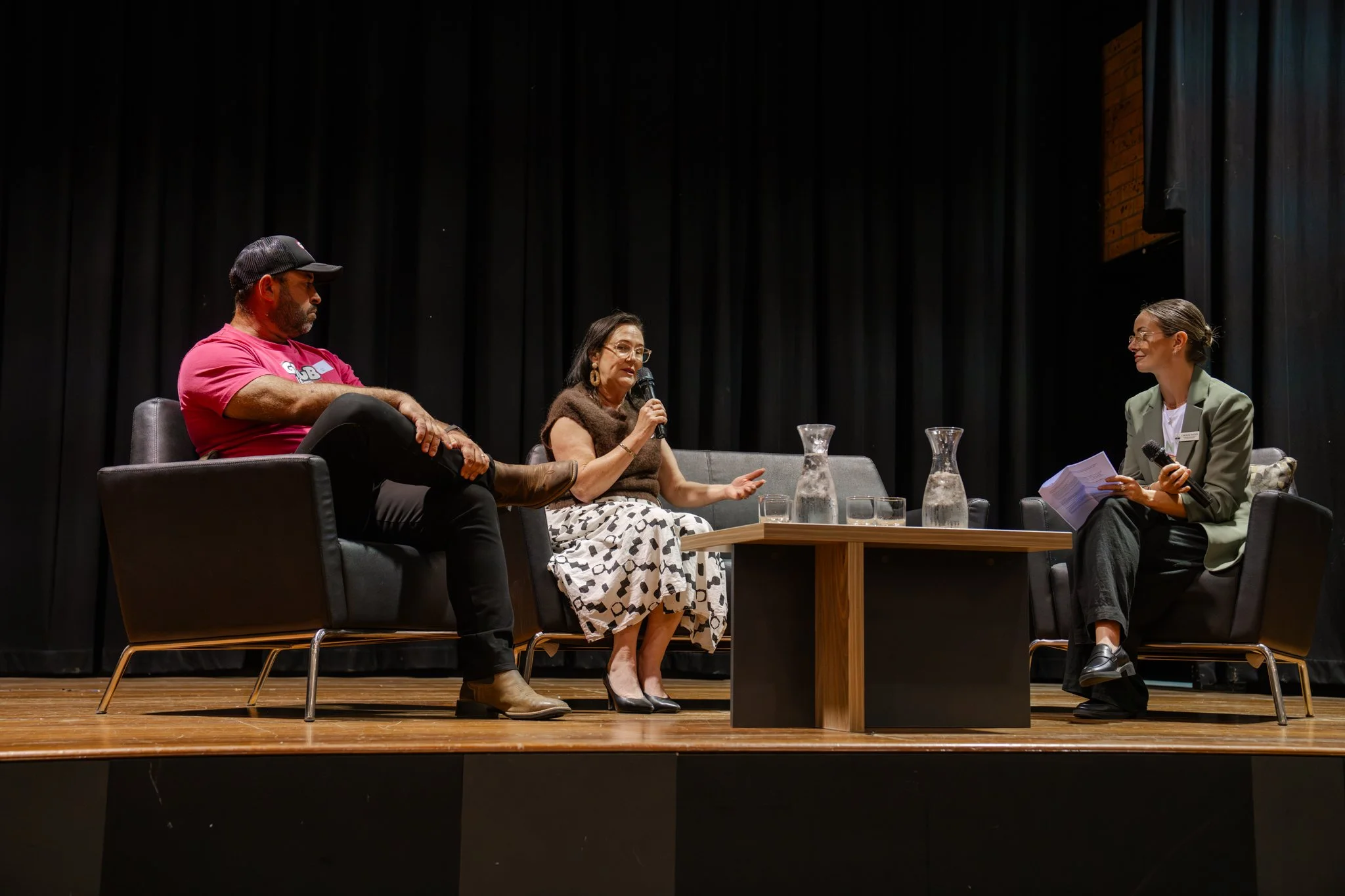
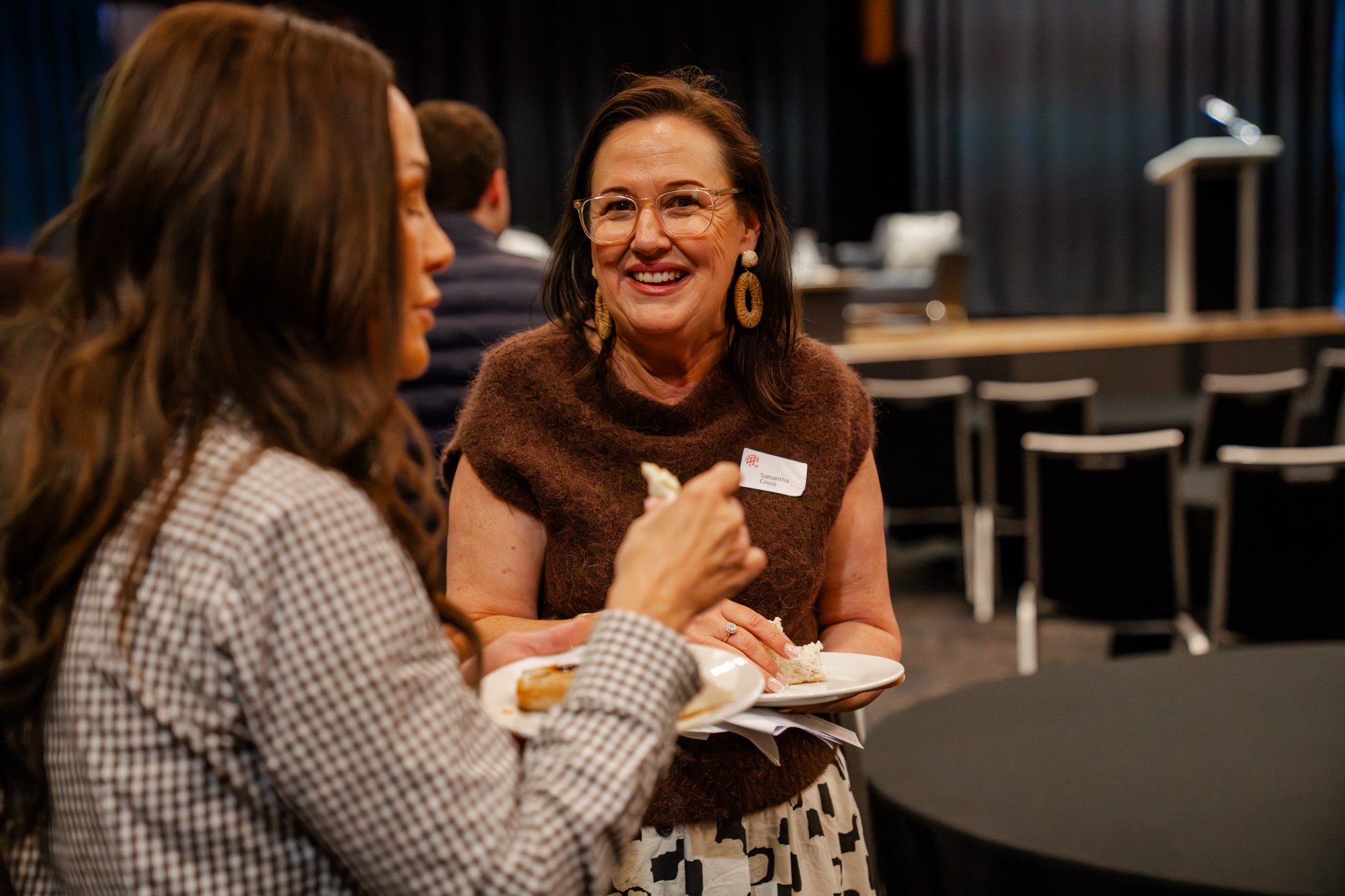
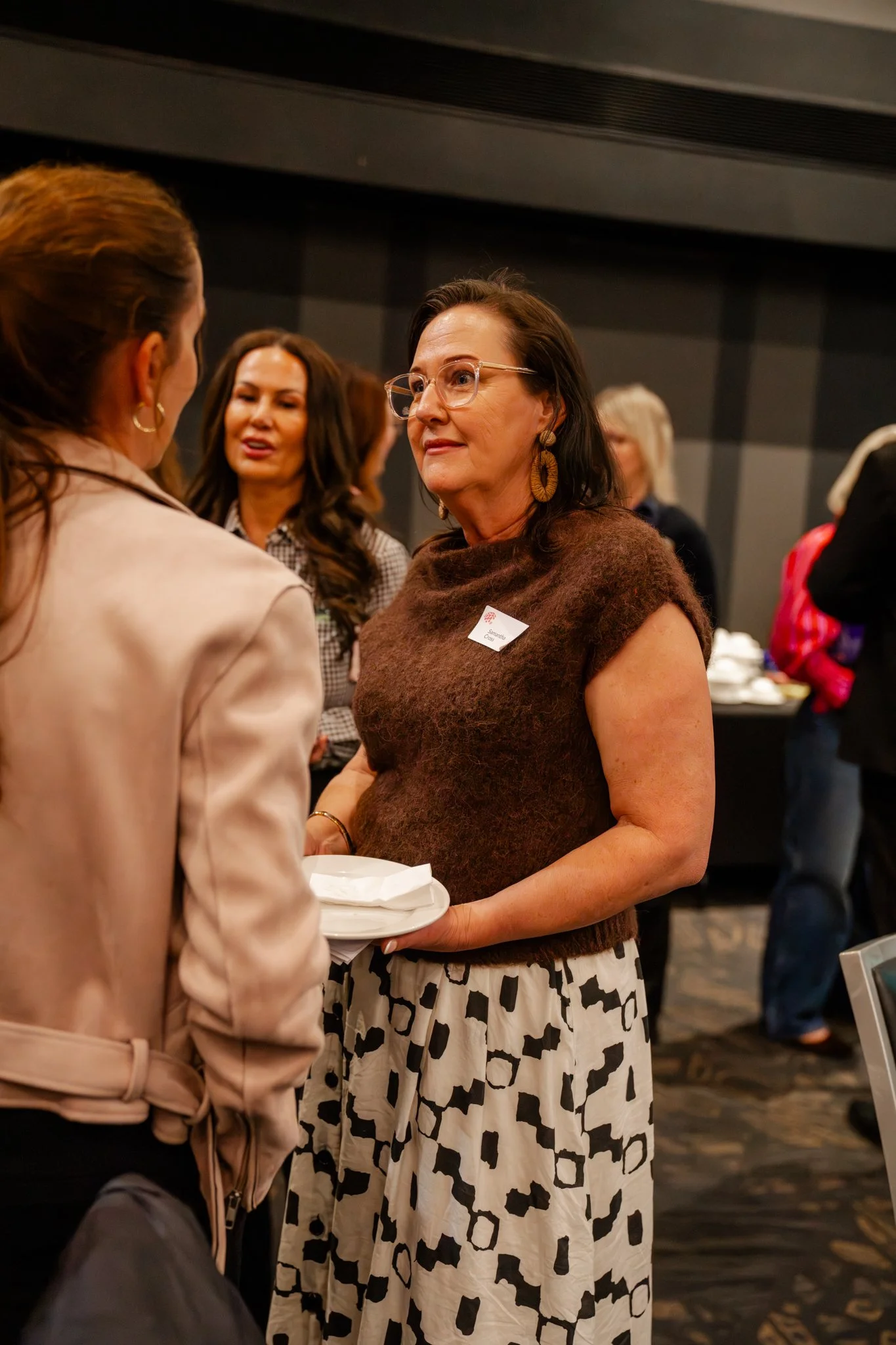
Mick Carr, Samantha Cross & Carolyn Booth
Cessnock City Council’s Economic Development and Tourism Manager, Caroline Booth, championed Cessnock’s youth engagement strategy, bringing renewed attention to these questions. The strategy identified practical directions including school-based traineeships, employability programs, stronger education partnerships and entry-level opportunities at Council. Young people also raised transport connections to employment as an issue.
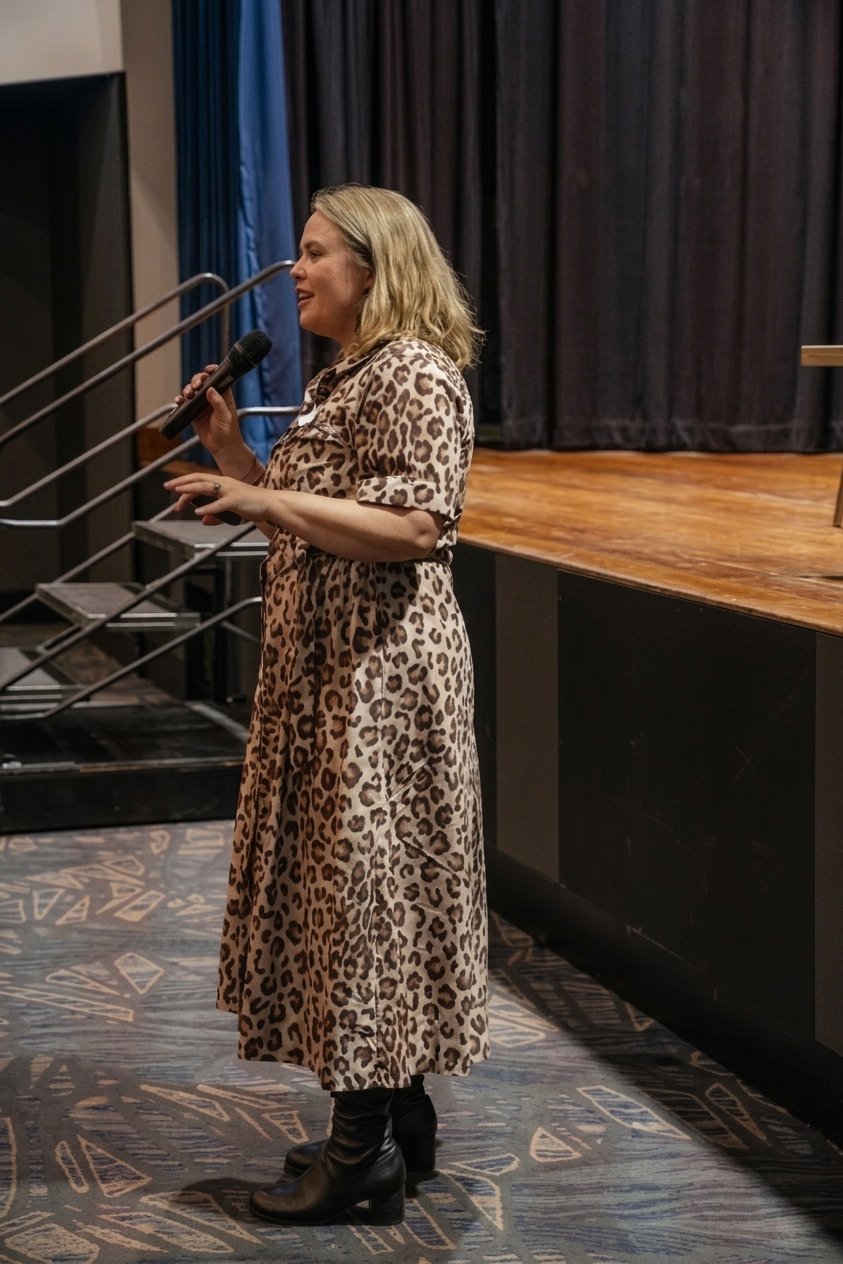
Zara Crichton
Hunter iF CEO and Festival Director Zara Crichton said youth engagement was critical to the region’s success.
“The Hunter’s future depends on young people seeing a place for themselves in it and having a say in what that future looks like. We need to listen to their ideas, connect them with local innovators and employers, and make pathways into meaningful work easier to see and access.
“That includes expanding our understanding of what a technical apprenticeship can look like, and exploring pathways into the advanced manufacturing, aerospace and technology careers emerging across our region.
“We can learn from other cities. Boeing’s Technical Apprenticeship Program in St Louis combines classroom learning with hands-on training to help people from different backgrounds move into skilled aerospace manufacturing roles. It’s an example worth exploring as we consider what employers and education providers could build together here in the Hunter.
“Youth engagement deserves our attention and, more importantly, our action. There is an enormous opportunity for this community to open doors and help the next generation realise their potential alongside the region’s.”
The Boeing program offers a 15-week pathway combining foundational instruction with advanced shop-floor simulation. Boeing reported in July 2026 that more than 260 participants had progressed into full-time roles; an example of how employers and education providers can connect practical learning with employment.
From Kurri Kurri to the world
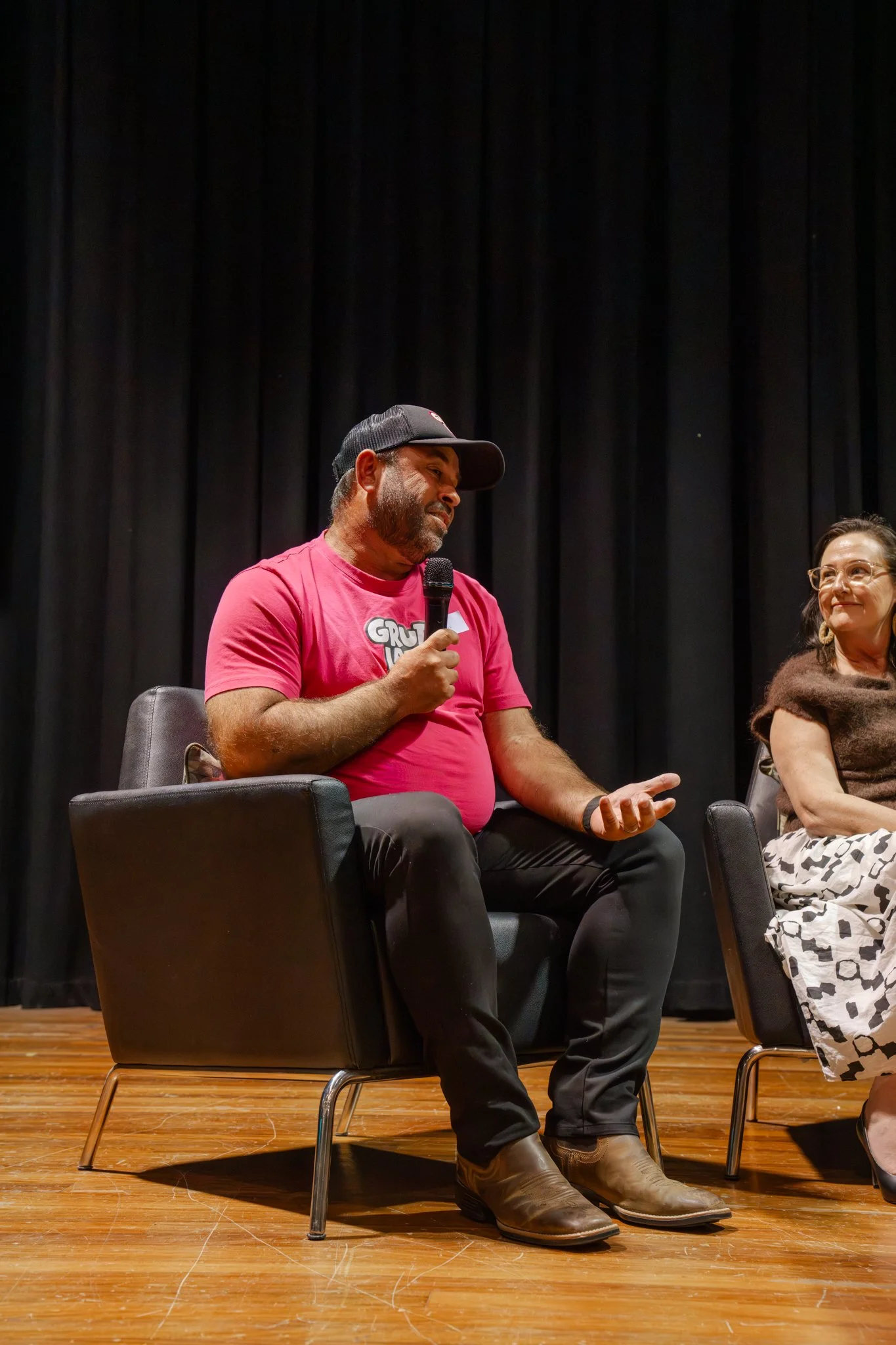
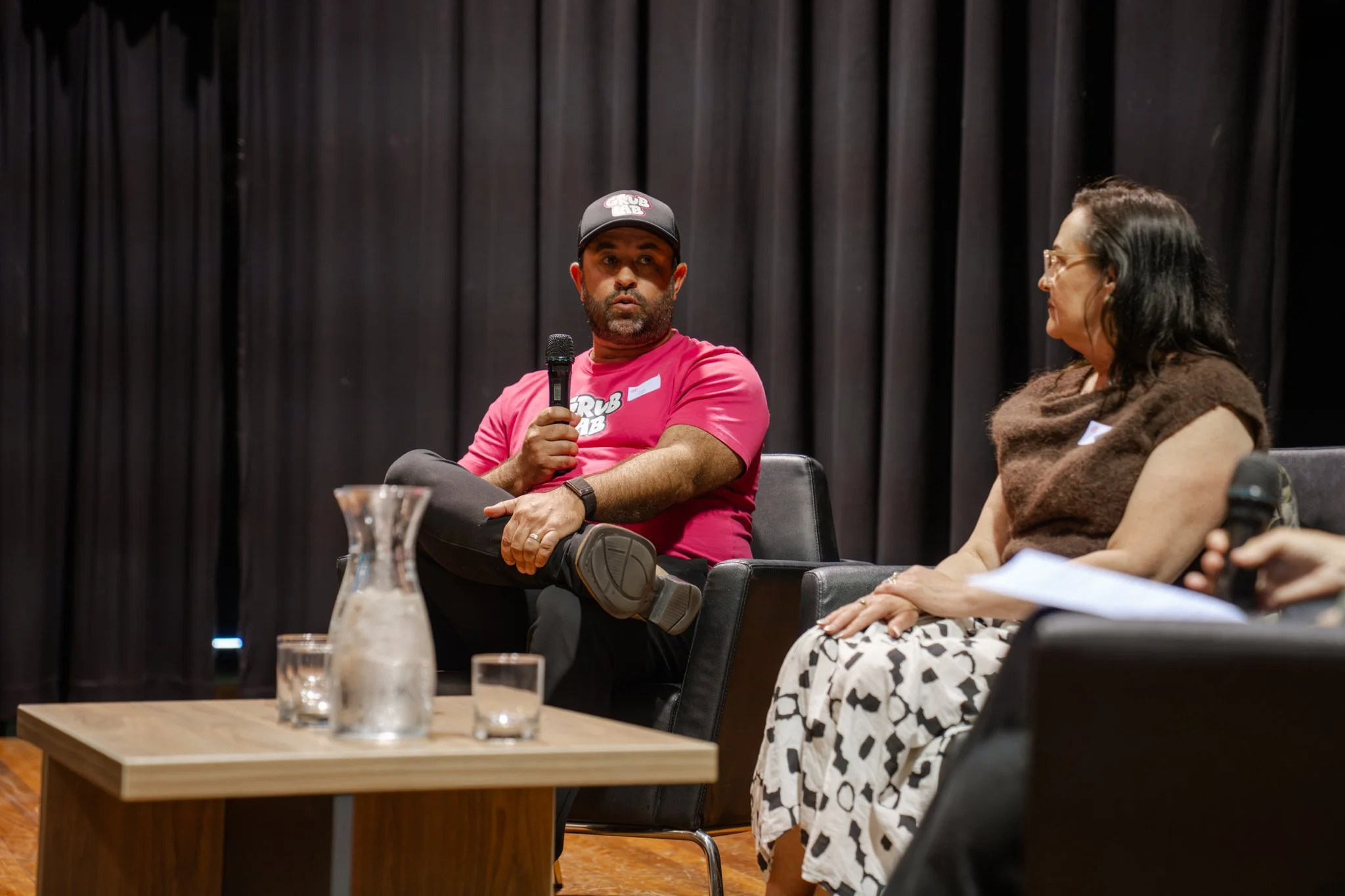
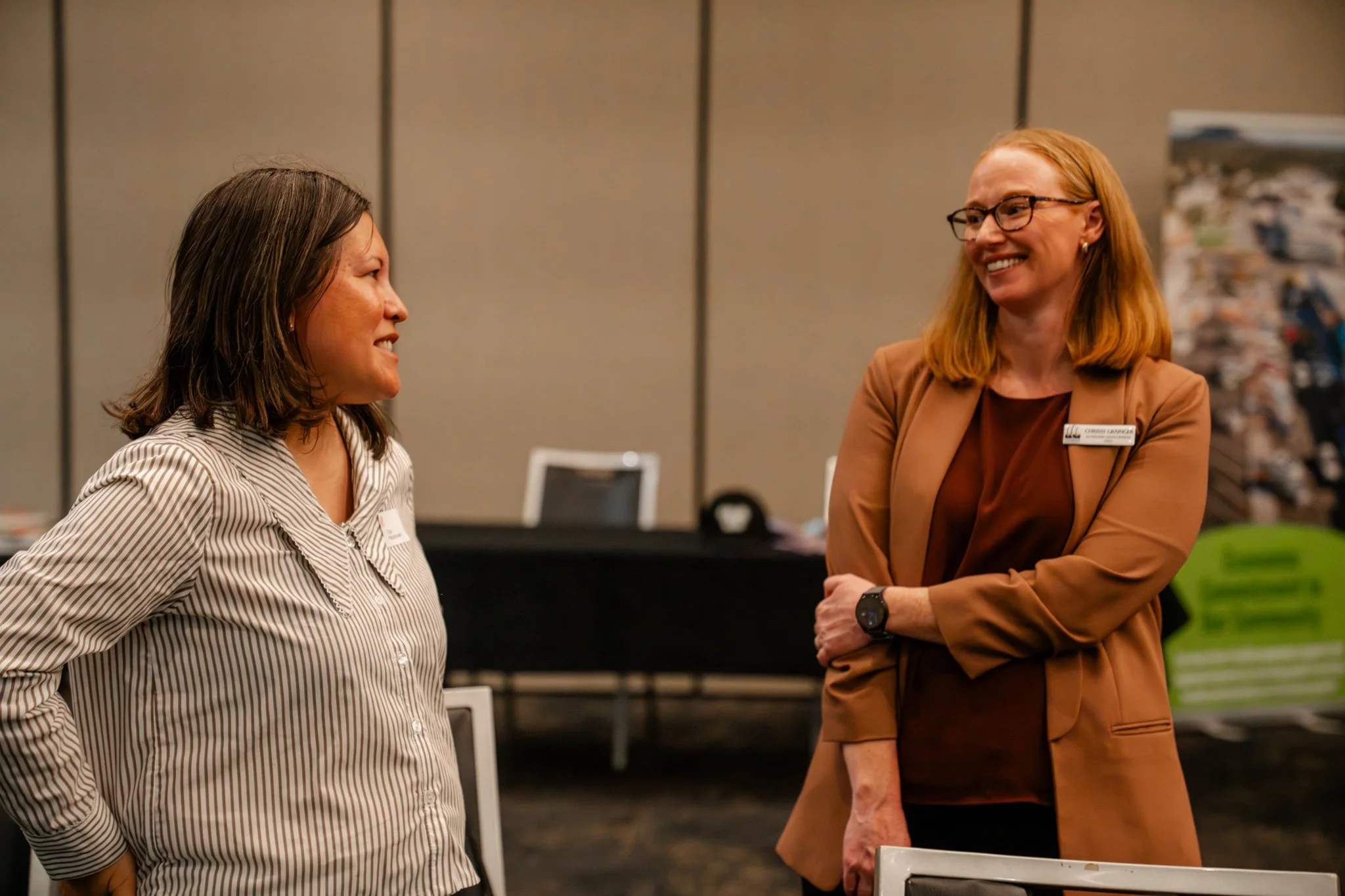
In a second conversation, facilitated by Caroline Booth, Mick Carr of Grub Lab and Samantha Cross of Recycle Central Group shared candid accounts of building businesses and challenging established ways of working.
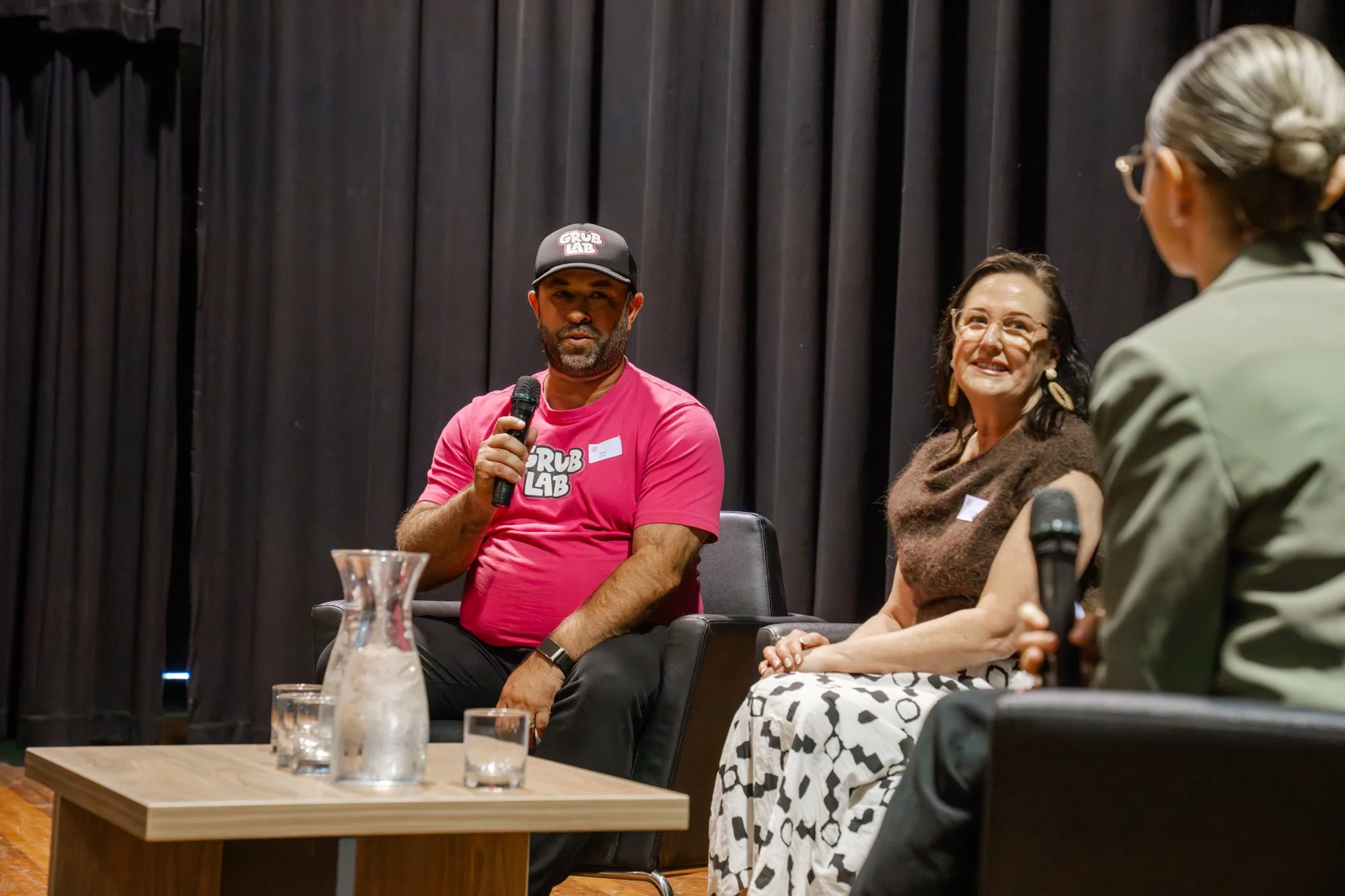
Mick Carr, Samantha Cross & Carolyn Booth
Mick’s journey from Kurri Kurri to partnerships with global brands demonstrated the ambition that can grow from local beginnings. He spoke openly about risk, persistence, bringing family along for the journey and adapting when customers reveal a different need.
“Money is an outcome. It shouldn’t be a driver,” Mick said.
His reflections brought the realities of entrepreneurship into focus: the commitment, uncertainty and determination behind the success stories. They also connected with the youth discussion, highlighting the value of exposing young people to possibilities beyond the pathways they already know.
Seeing value and giving people the tools to act
Samantha invited the room to look differently at what businesses throw away. Seeing waste as a resource opens opportunities for recovery, efficiency and local employment.
She described how local people contribute to the resource recovery process and can grow into other roles within the organisation—a practical example of the relationship between innovation, skills and employment pathways.
For Samantha, change often begins with someone willing to ask whether things could be done differently.
“There’s a champion in every organisation, every community group, every council,” she said.
Finding those people and supporting them with knowledge, connections and practical tools can help turn an idea into action. It was a message that resonated across the afternoon’s conversations.
Have a say in how the region grows
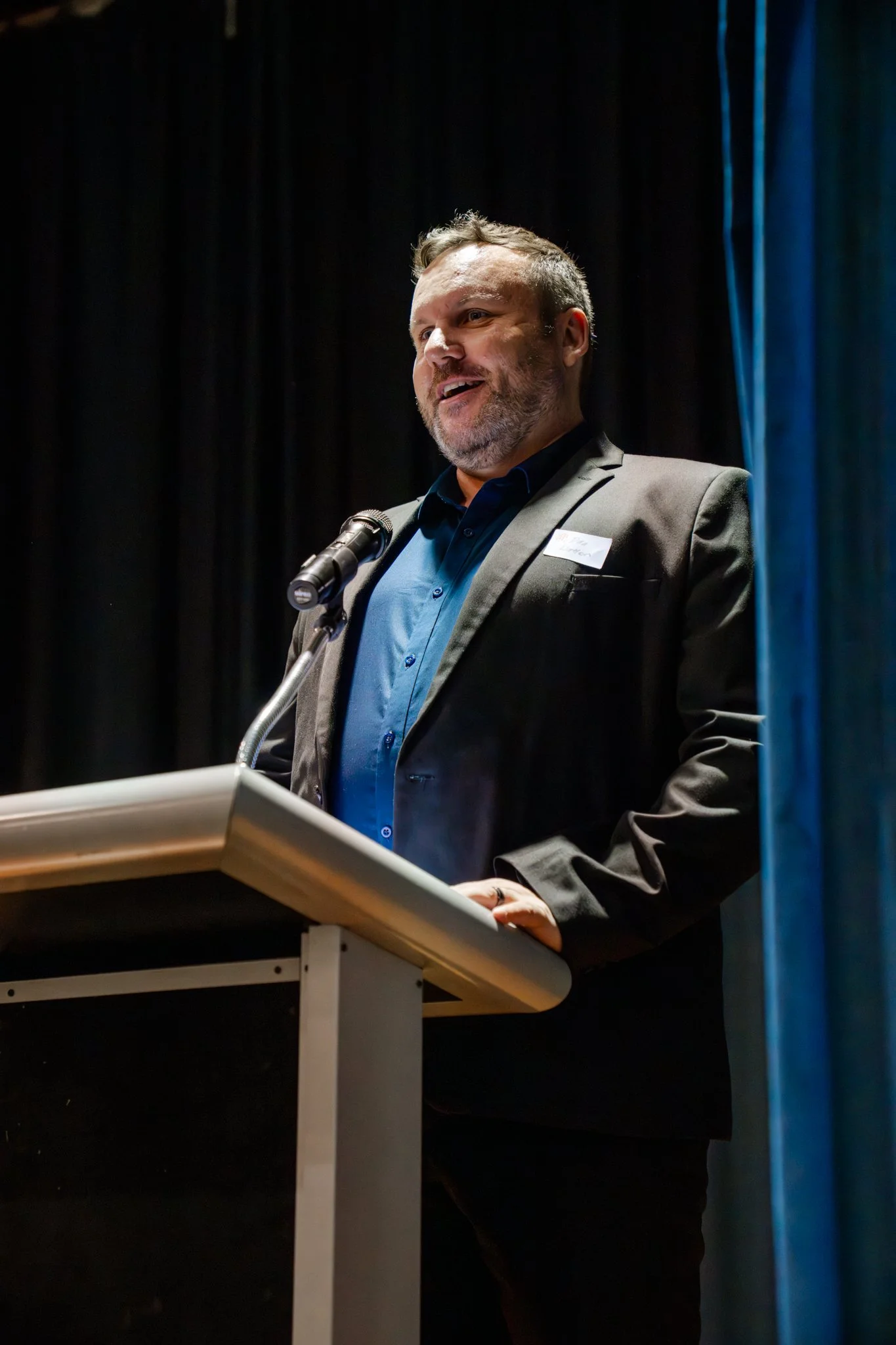
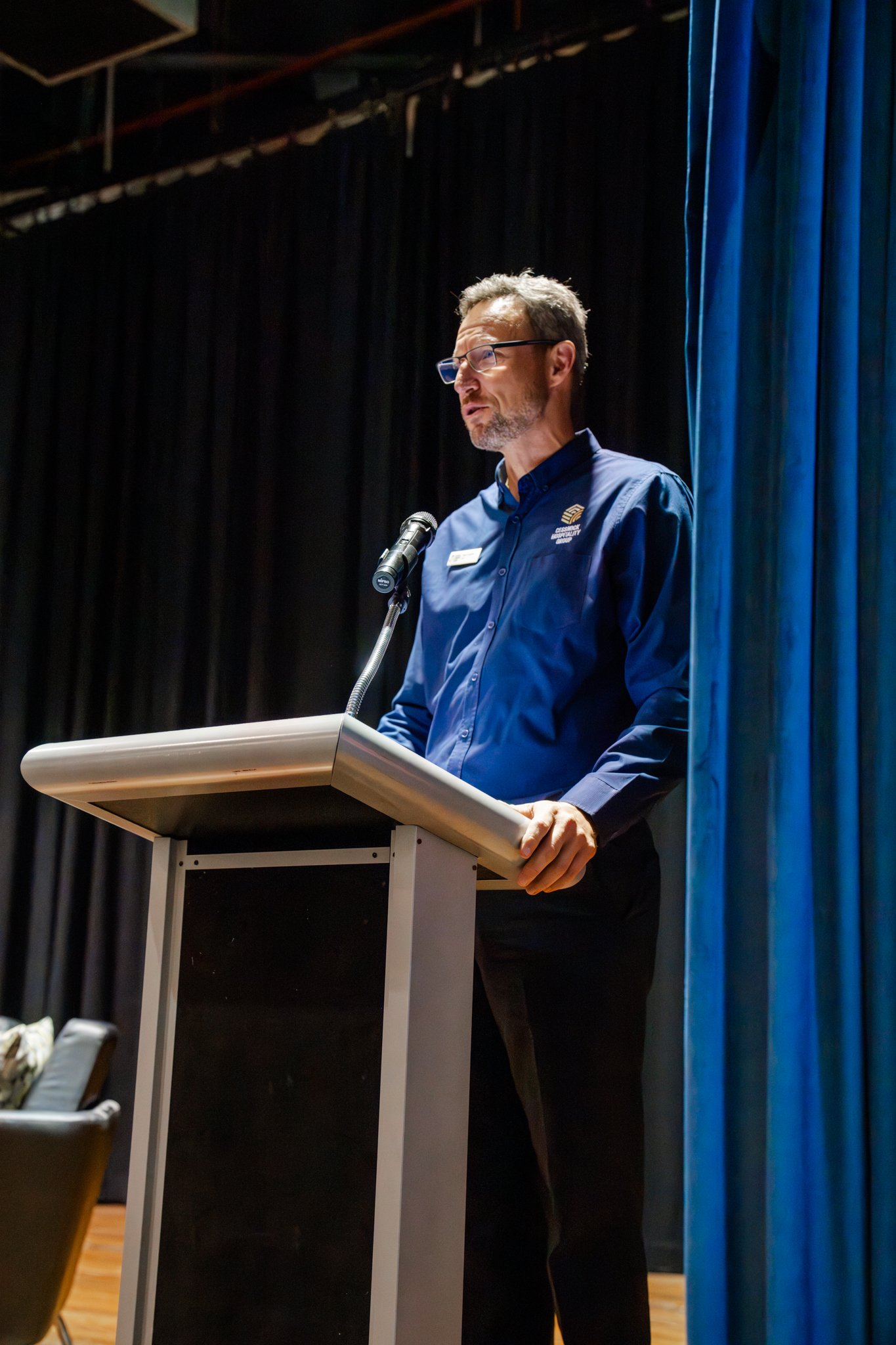
Mayor Daniel Watton
Cessnock Mayor Daniel Watton encouraged attendees to help shape a thriving, growing Cessnock by contributing feedback on the draft Anambah to Branxton Structure Plan.
Reflecting on his remarks, the reference to regional cities such as Geelong in Victoria offered a way to imagine the significance of Cessnock’s growth towards 2040. It invited the room to picture a thriving future with more local jobs, connected communities, infrastructure that supports growth and meaningful opportunities for young people.
Council’s planning documents give that ambition further context. Its Housing Themes Review cites a forecast of approximately 112,500 residents across the Cessnock local government area by 2041. Its 2023 Traffic and Transport Strategy also anticipates more than 26,000 local jobs by 2041, compared with around 18,200 recorded in that strategy—an increase of roughly 8,000 jobs. These planning forecasts highlight the importance of preparing infrastructure, services and skills pathways alongside growth.
The Anambah to Branxton growth area spans approximately 15,000 hectares—150 square kilometres—across Cessnock, Maitland and Singleton, with a planning horizon extending over 40 years. The three councils are working together to connect future housing with employment, transport, schools, services and open space.
For the Hunter’s innovation community, this raises an exciting question: how can that growth create opportunities for local businesses and meaningful careers for the next generation? Linking young people with training, employers and emerging industries will help turn population growth into shared prosperity.
The Mayor’s invitation was to contribute to that future now. Public exhibition closes on Tuesday 6 October 2026. The draft guides future planning; it does not itself rezone land or approve development.
Explore the draft plan and have your say.
Curious doers, stronger connections
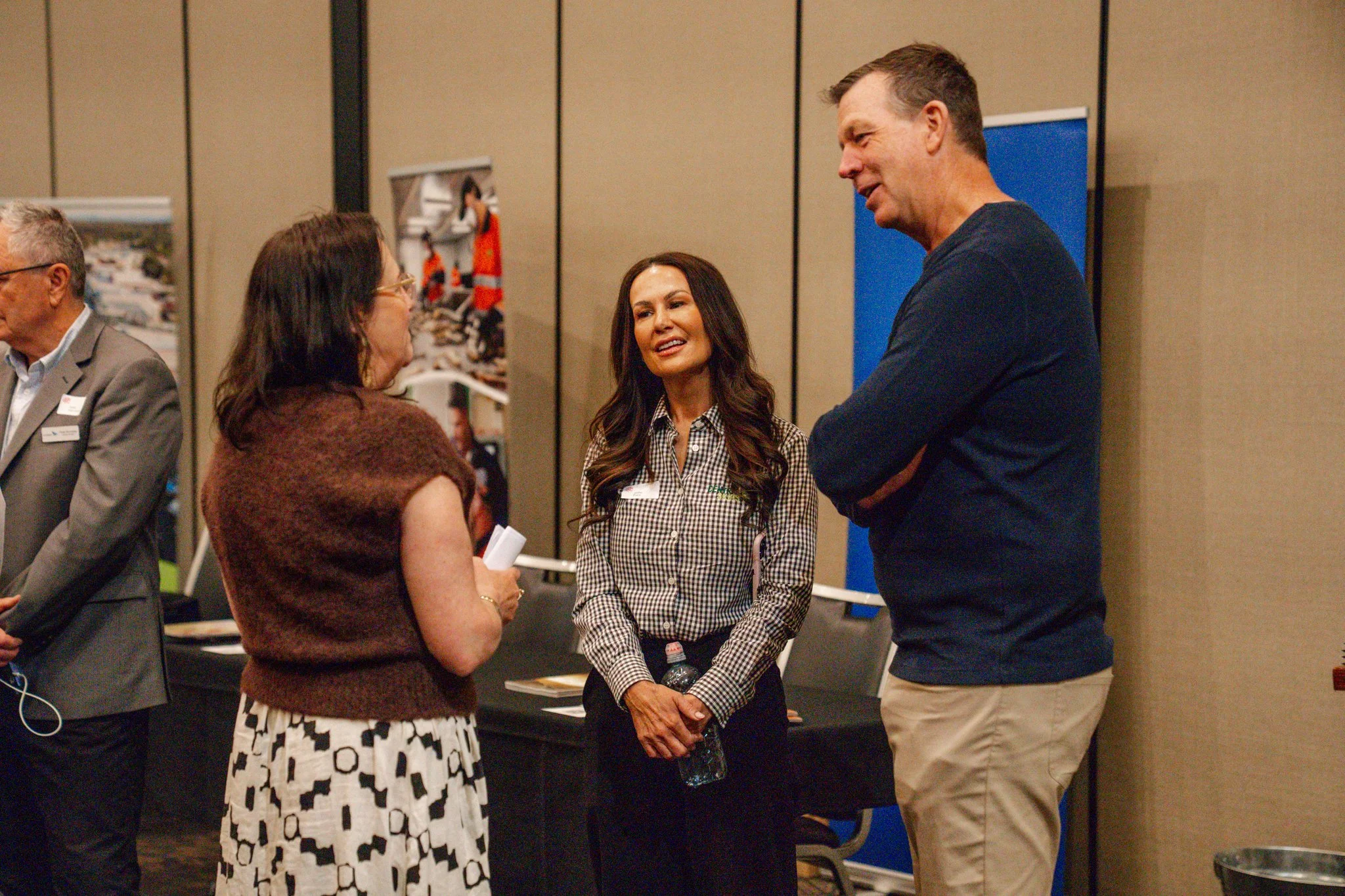
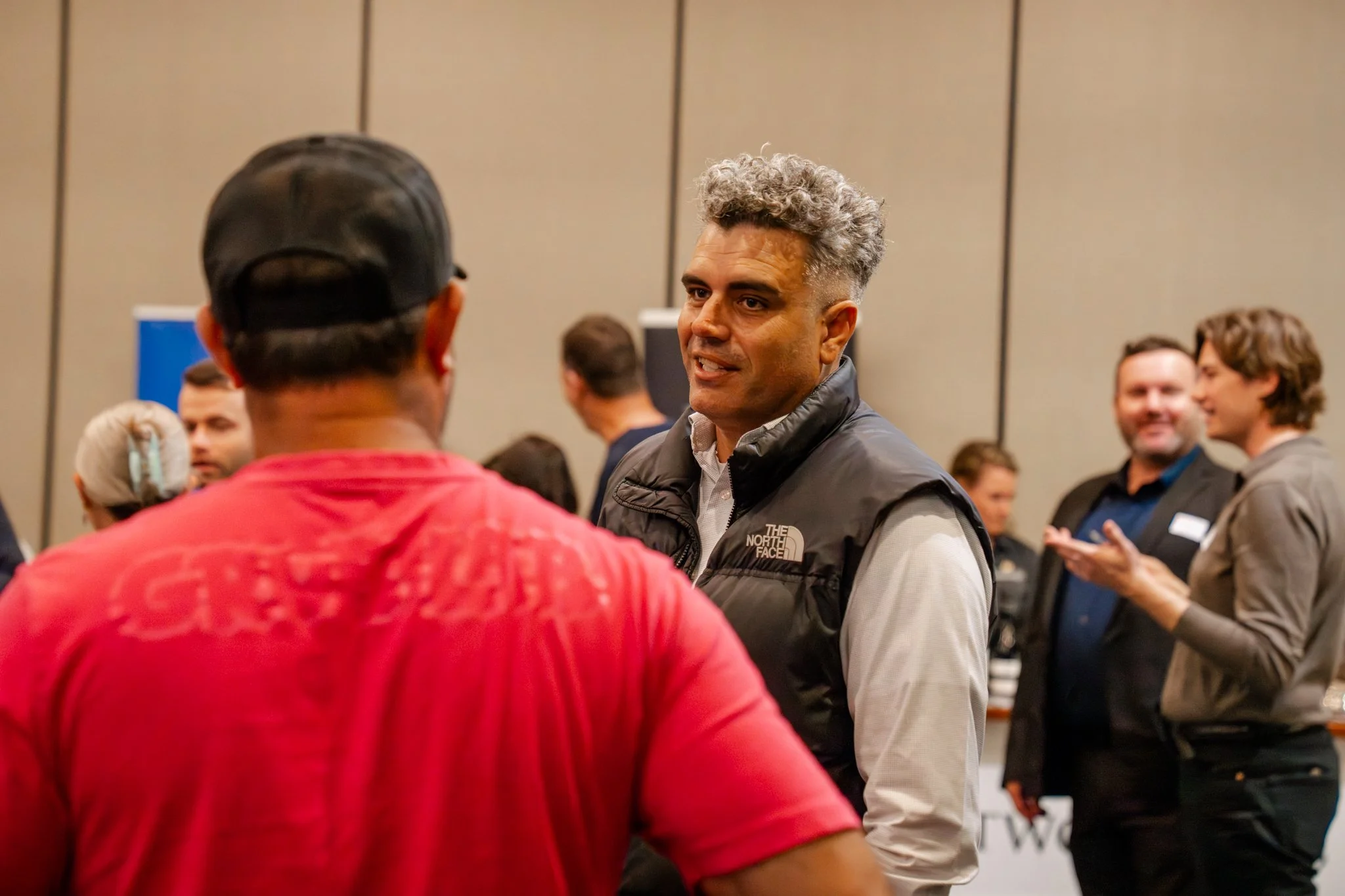
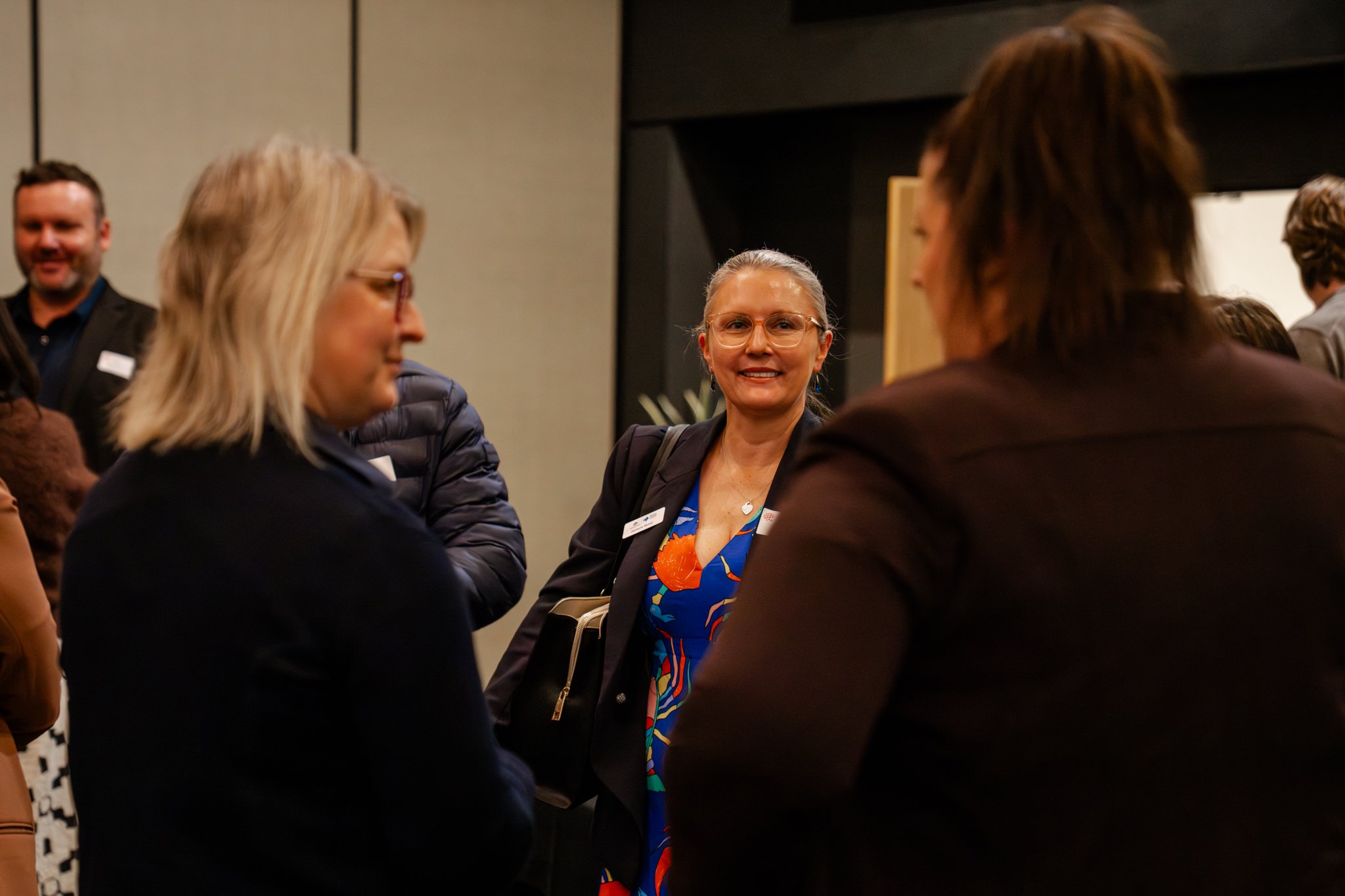
Hunter iF is a volunteer-led organisation of curious doers who want to see the Hunter reach its full potential. That spirit was evident throughout the afternoon.
Thank you to Daniel Watton, Natalia Cowley, Matthew Low, Mick Carr and Samantha Cross for sharing their experience, and to Claire Quigley and Caroline Booth for guiding the conversations.
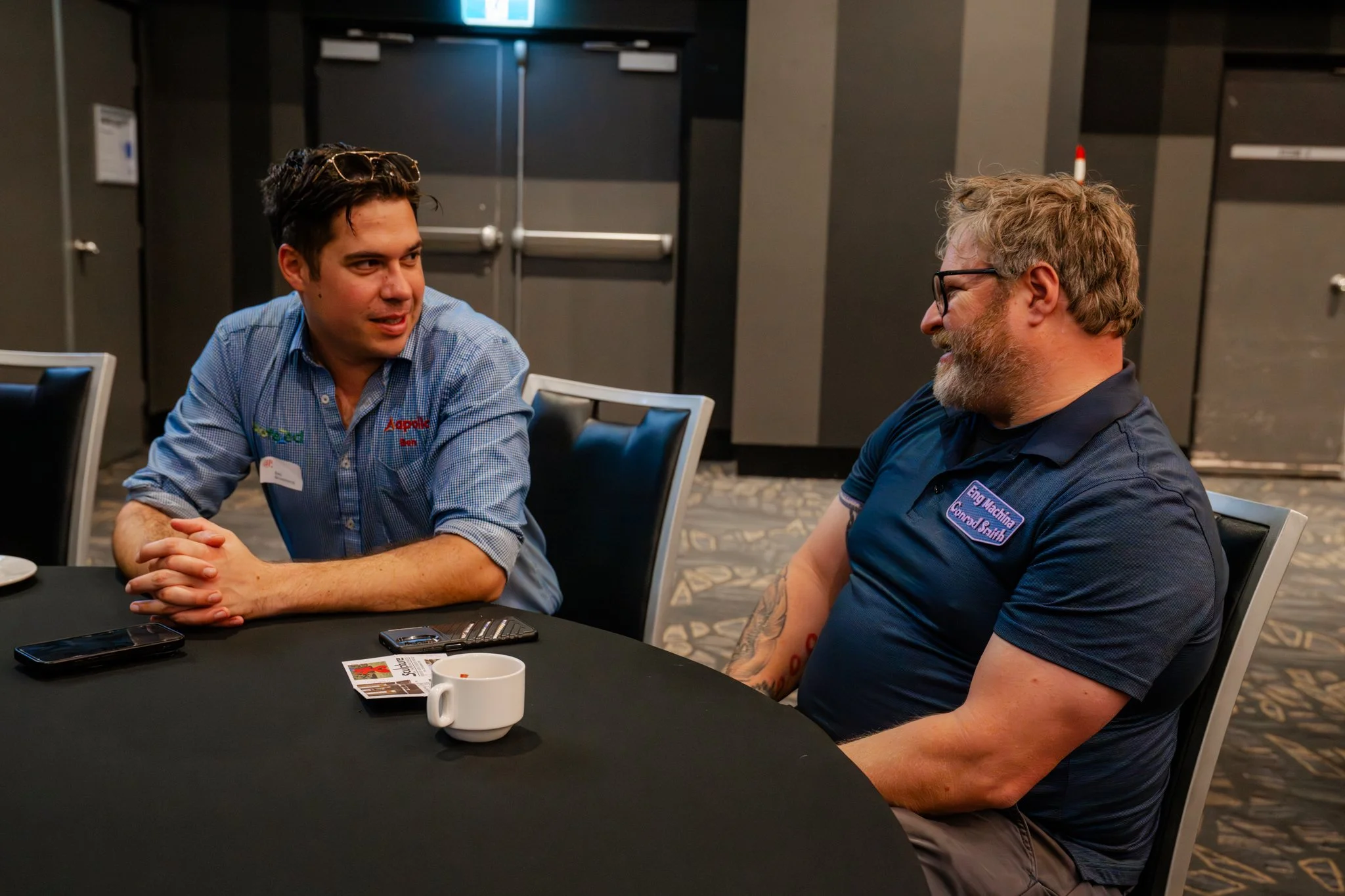
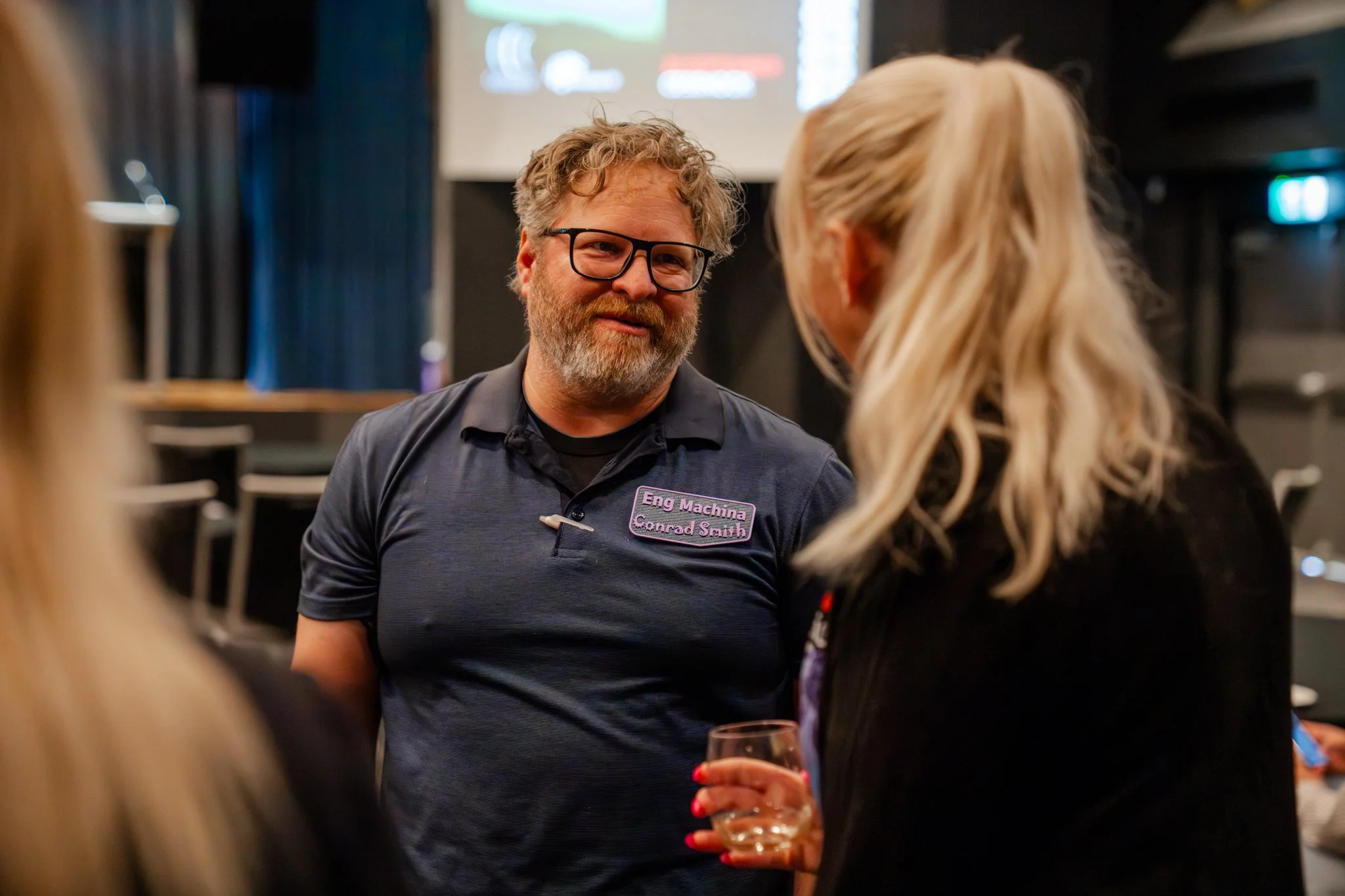
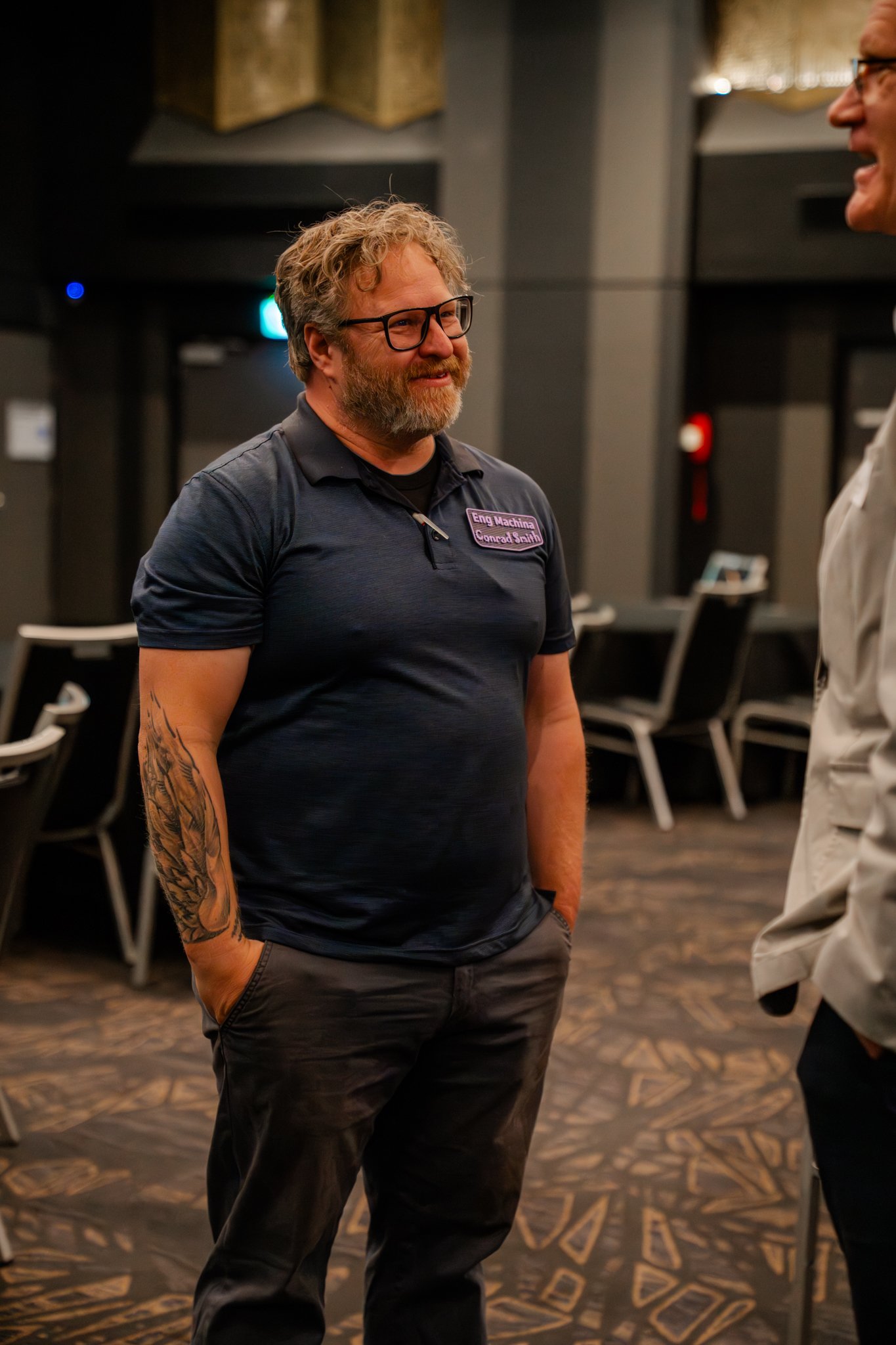
Fellow Hunter iF directors Bret Barton and Conrad Smith helped guests connect with the people, ideas and support they needed in the room.
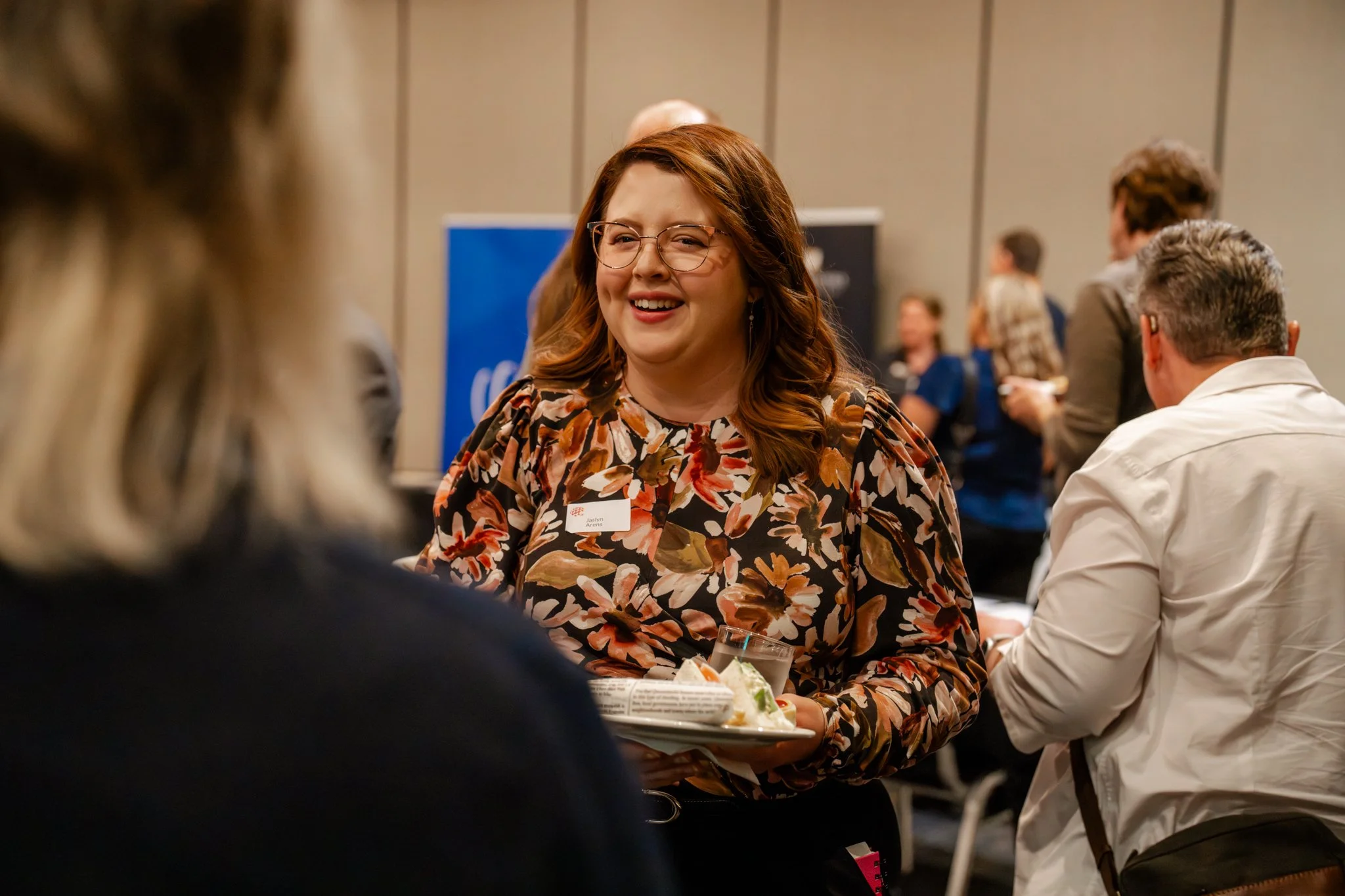
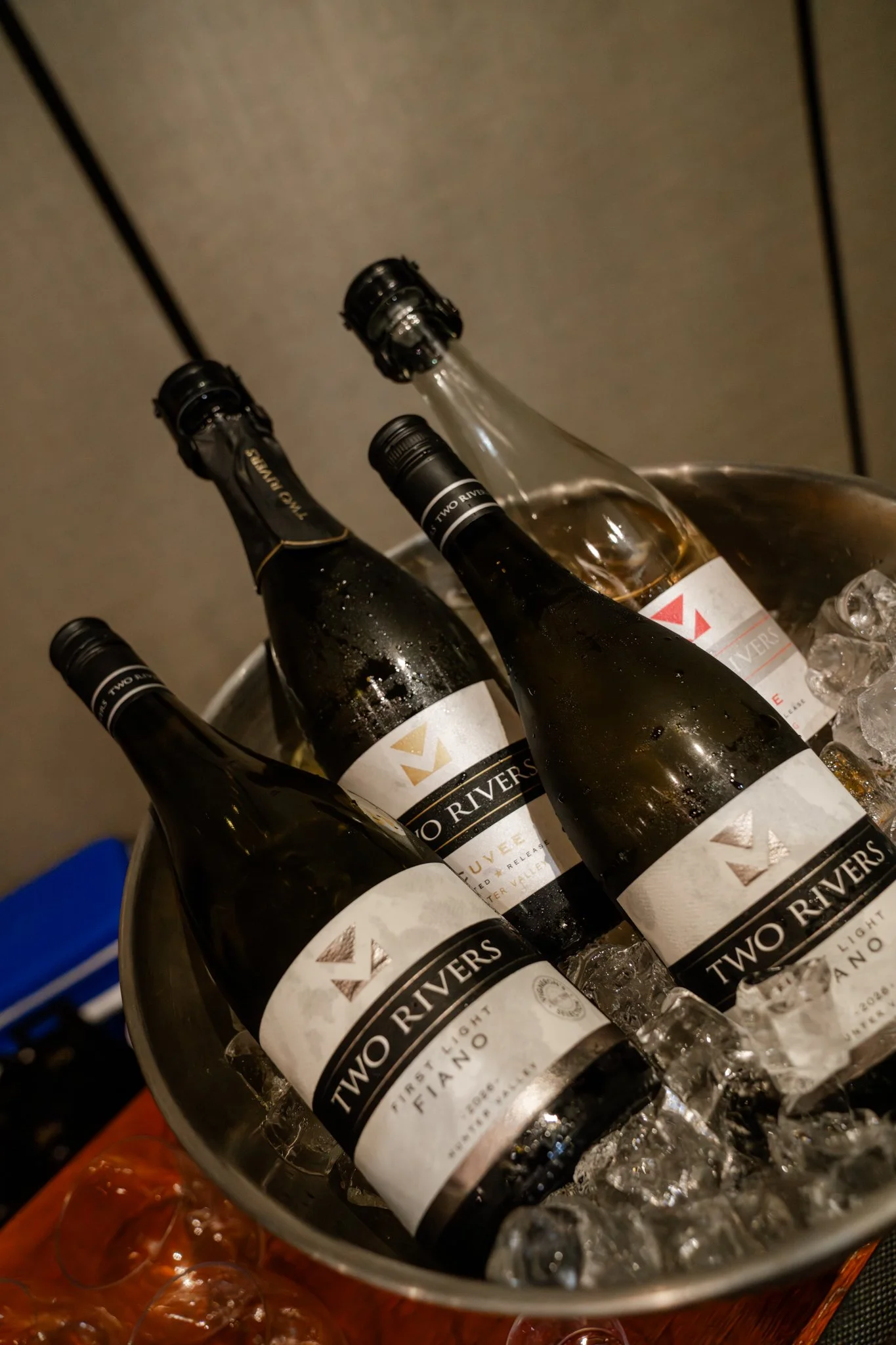
Our thanks also go to Paul Cousins, Mel and the team at Cessnock Leagues Club for their hospitality, Matthew Clark, Hunter iF’s event coordinator, for bringing the day together, and Charlotte for capturing it through her photography, which we look forward to sharing.
If you share that curiosity and ambition for our region, we’d love you to join the Hunter iF community or explore becoming a Festival partner.
The roadshow series continues in Maitland on 30 September and Muswellbrook on 7 October, before we come together for the Hunter Innovation Festival at NEX in Newcastle on Tuesday 24 November 2026.
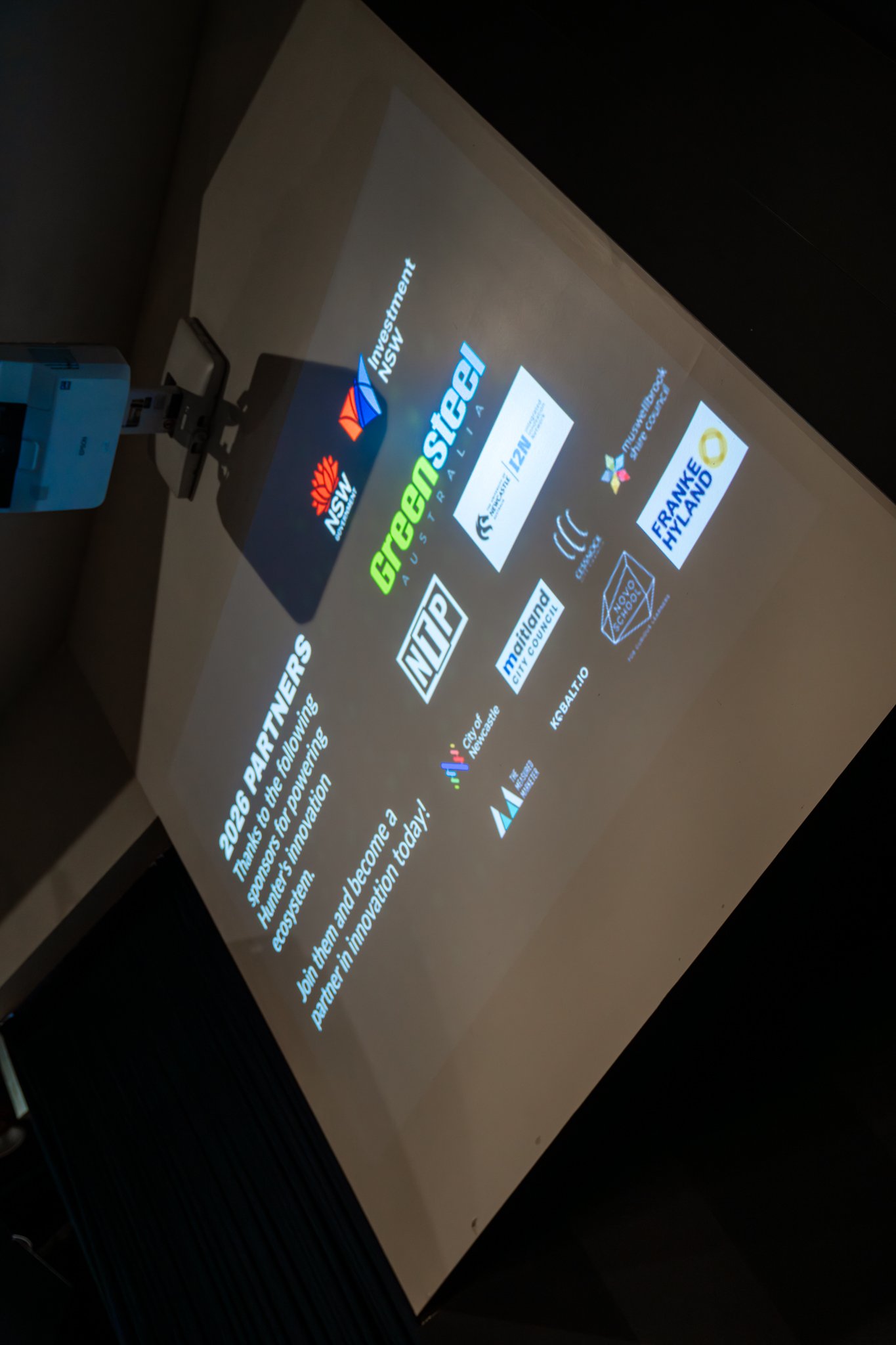
We look forward to bringing these people, ideas and conversations into the Festival’s main day—and exploring what we can do together next. With thanks to our partners in innovation; NSW Government, Investment NSW, Greensteel Australia, NTP Talent, The University of Newcastle and I2N Hub, City of Newcastle, Maitland City Council, Muswellbrook Shire Council, The Measured Marketer, Kobalt.IO, Franke Hyland, Novo School for Curious Learners
Come curious. Leave connected. Join us at the Festival.