What Happens When the Playbook Changes
By Andrea Hoymann| Hunter iF Board Director
Some lunches are about connecting. This one was about recalibrating.
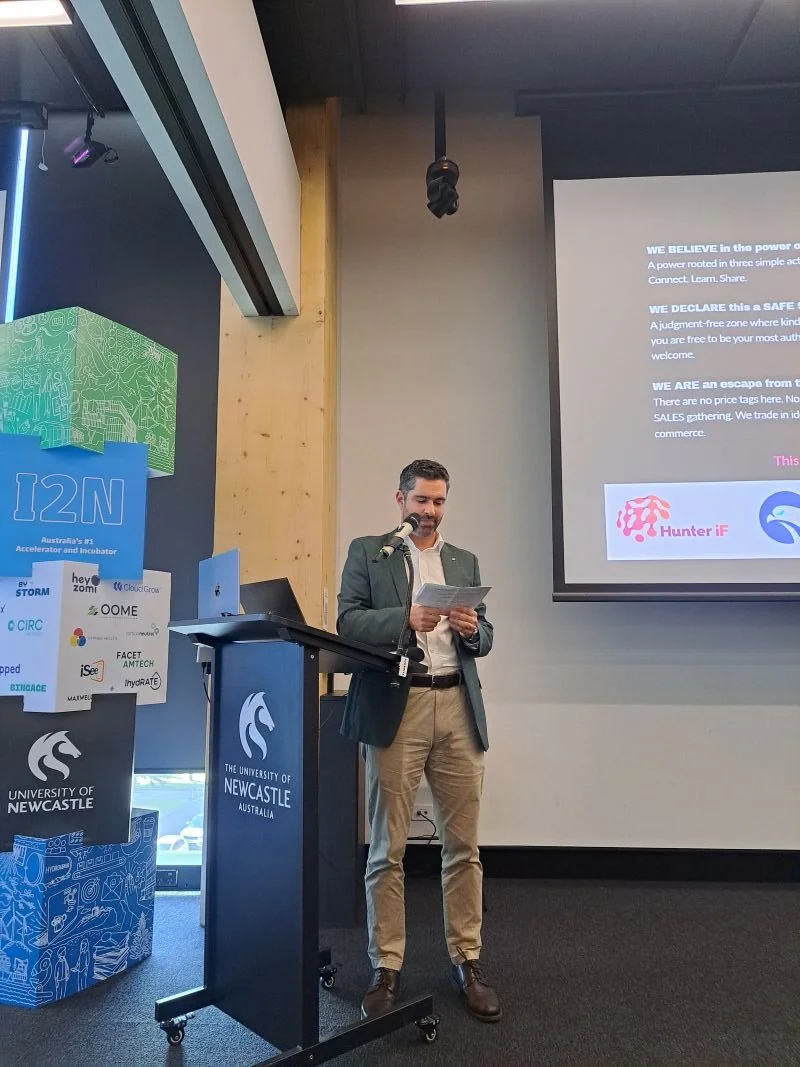
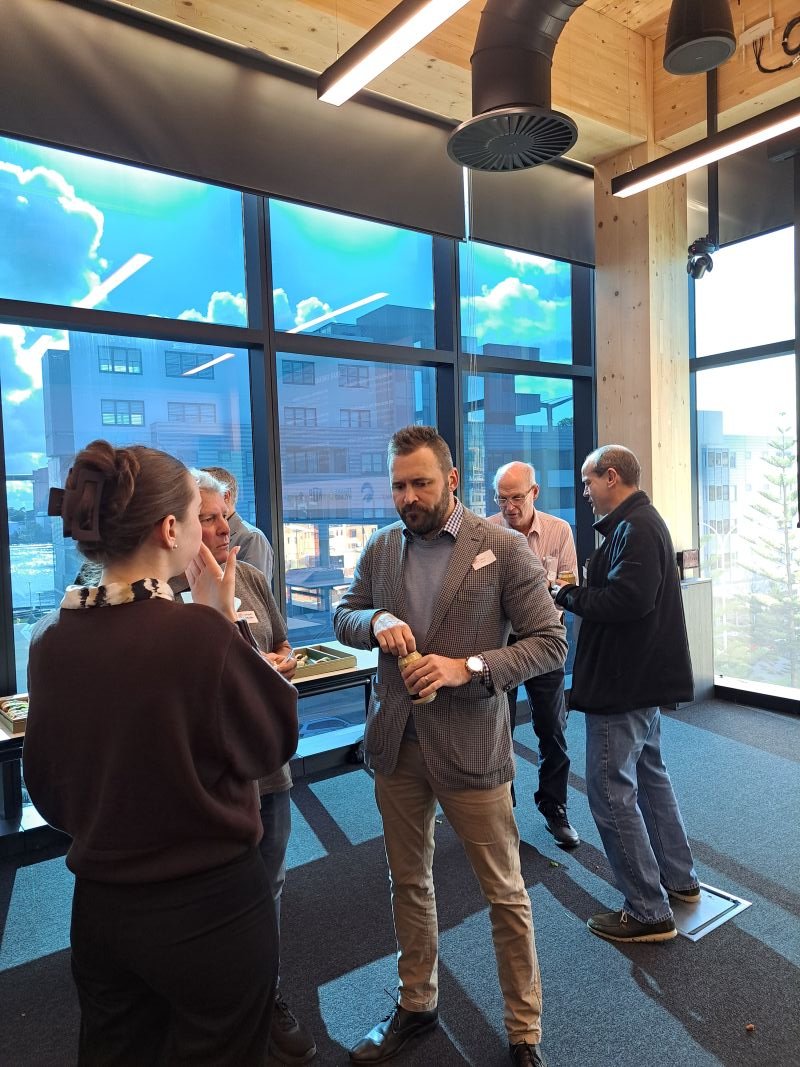
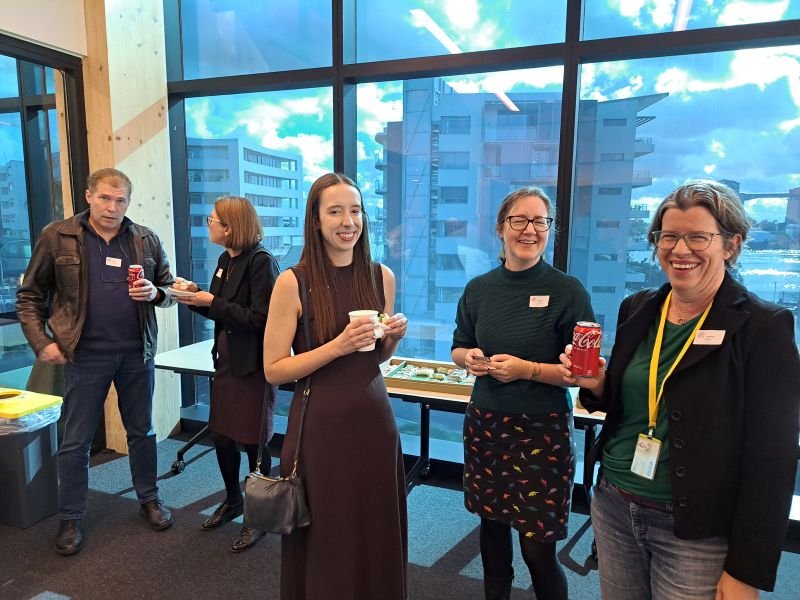
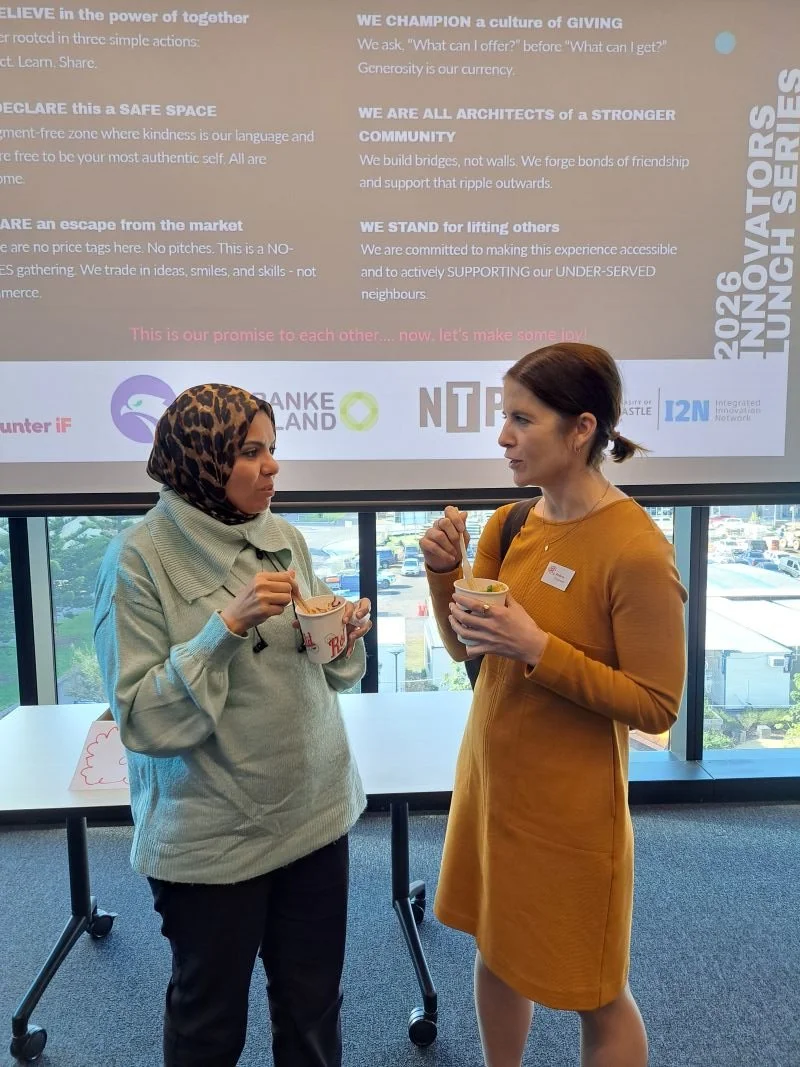
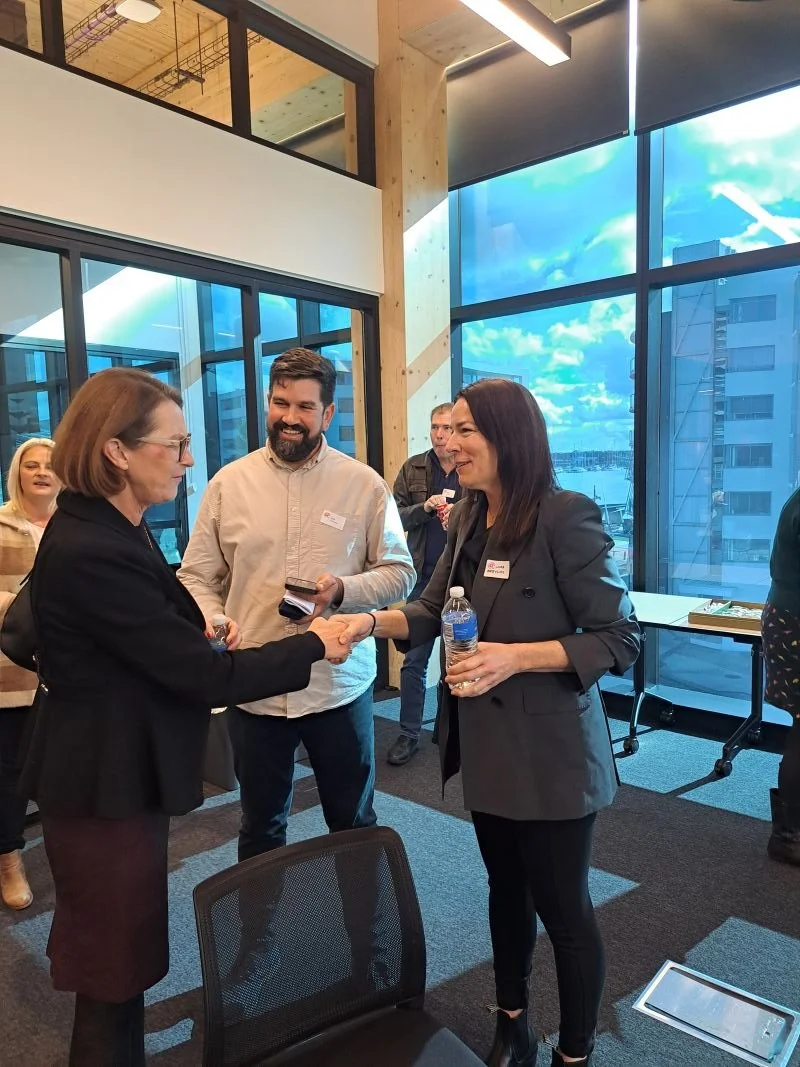
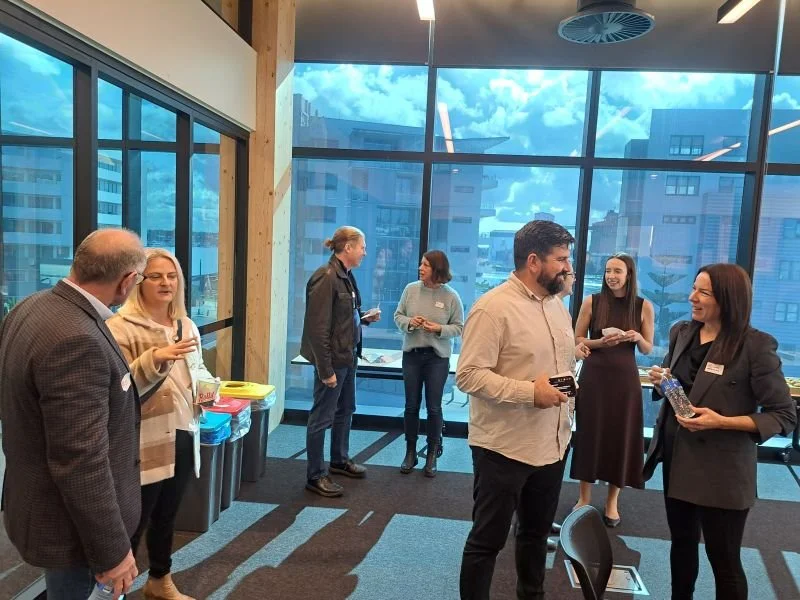
The June Hunter iF Innovators Lunch brought together more than 70 founders, engineers, and business leaders at I2N Hub Honeysuckle for a session that did exactly what its title promised. Three speakers, three lenses: macro strategy, tax reform, and product commercialisation. The through-line was harder to miss by the end: the rules you built your business around have changed, and how you respond in the next six months matters.
Zooming Out: Lisa Andrews on Future-Proofing in an Exponential World
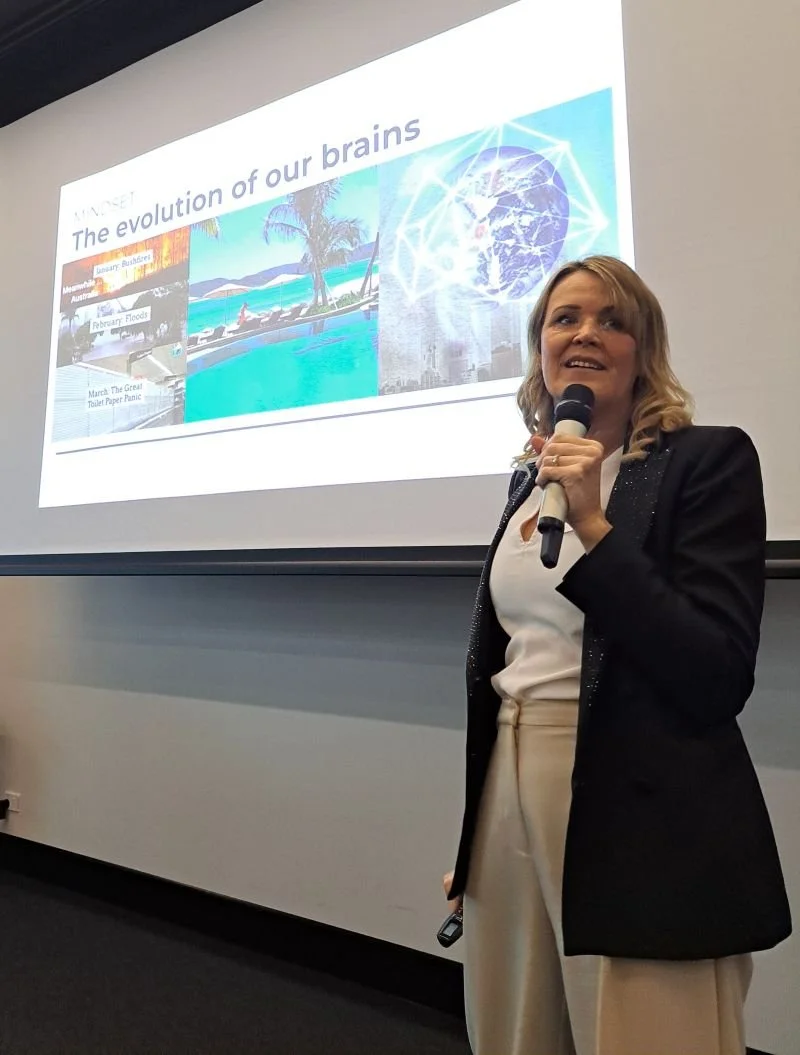
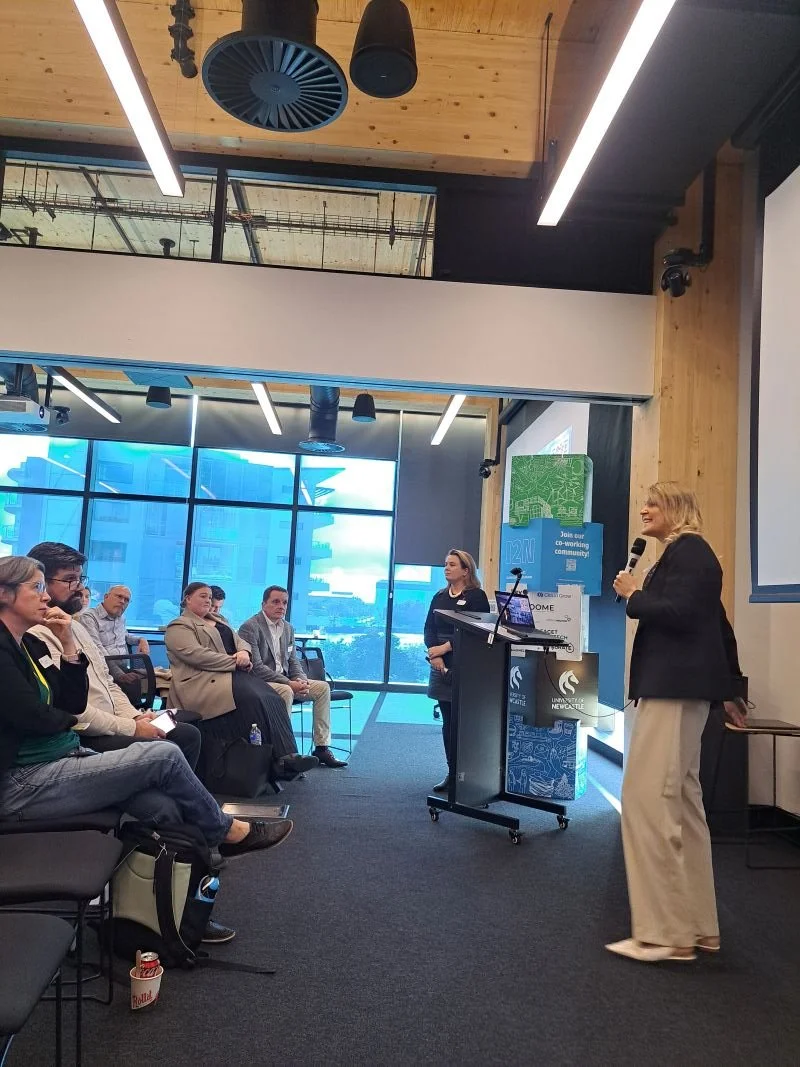
Lisa Andrews, CEO of WAVIA, opened by asking the room to hold two competing instincts at once. On one side: the futurist who sees technology as humanity's lever for solving its biggest challenges. On the other: the accountant who has learned to stress-test every assumption against a spreadsheet.
Her argument is that most businesses plan six months out with reasonable clarity, and beyond that the horizon blurs into anxiety. The antidote, she suggested, is deliberately building the skill of thinking in exponential time.
The pace of change makes this urgent. The inventions that defined 1926 were the pop-up toaster and the aerosol can. In the first quarter of 2026 alone: personalised AI agents, compact fusion reactor prototypes, neural interface devices, and self-healing biosynthetic materials. The gap between those two inventories is a useful measure of acceleration.
A few specific technologies animated her talk. The emerging trillion-sensor world, spanning smartphones, autonomous vehicles, and IoT infrastructure, creates conditions where near-real-time data on almost anything becomes possible. Nvidia's Earth-2 platform, which uses sensor networks for real-time global weather modelling, is one example of what that infrastructure enables. At the human level, she noted that the next decade will see billions of additional minds connected to the internet at speeds that would have been unimaginable a decade ago.
Her practical advice was deliberately simple. Reserve time each week for what she called the "crazy ideas department"; unstructured exploration of patents, research labs, and emerging technologies. And automate information delivery rather than relying on passive consumption. She described running AI agents that scan patent filings overnight in specific domains, delivering a curated briefing each morning.
The point wasn't to predict the future. It was to stop being surprised by it.
The Budget Shake-Up: Mitch Eady on What the Proposed R&D Changes Mean
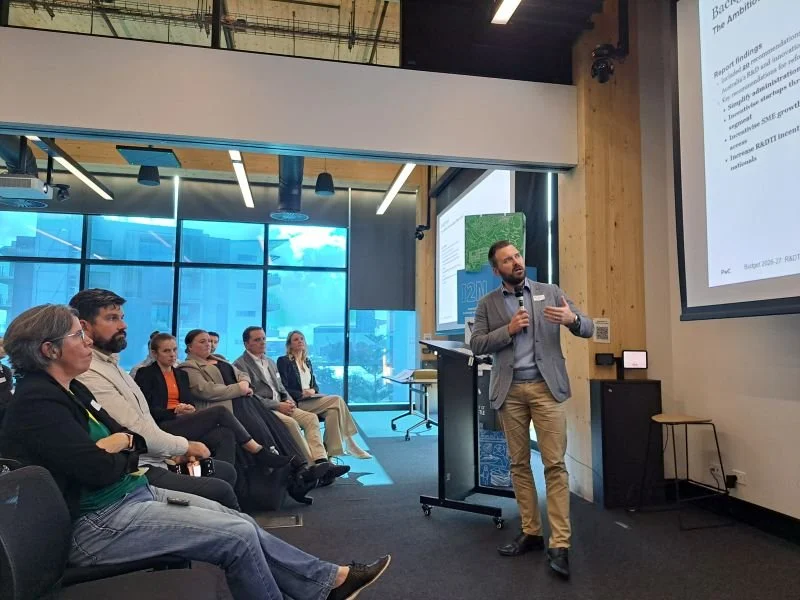
Mitch Eady, Director of R&D and Government Incentives at PwC Private, came prepared for hard questions and delivered a clear-eyed brief on where things stand.
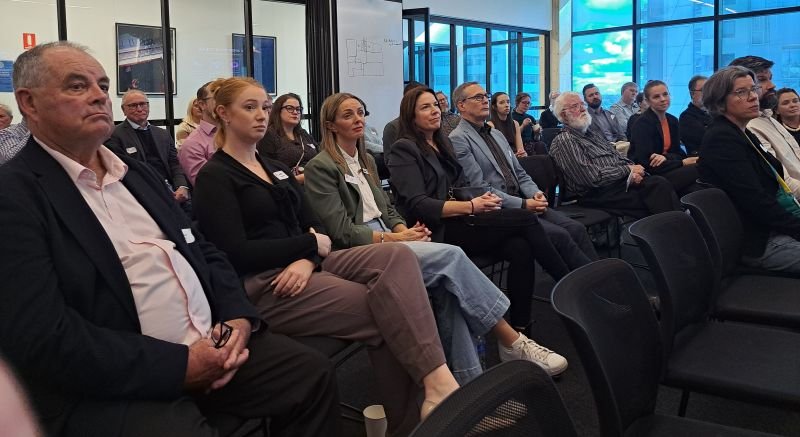
The 2026 federal budget has proposed significant changes to the R&D Tax Incentive, and Eady was careful to hold the line on a crucial distinction: these are proposed changes in active consultation with industry. Nothing is legislated yet. What happens in the Senate will shape the final rules, and Hunter iF has been part of the advocacy effort to ensure the region's voice is heard in that process.
For larger businesses (those with turnover above $50m), the proposed changes include a 4.5-percentage-point increase to the offset rate for core R&D (moving to 13% for lower R&D intensity businesses and to 21% for higher intensity ones), a lift in the turnover threshold from $20m to $50m, a reduction in the R&D intensity threshold from 2% to 1.5%, and an increase in the maximum expenditure cap from $150m to $200m. A significant catch: supporting activity eligibility is proposed to be removed for both larger and smaller businesses.
For SMEs, the picture is more nuanced. The refundable offset rate on core R&D increases by 4.5 percentage points (from 18.5% to 23%), and the minimum expenditure threshold rises from $20,000 to $50,000. Critically, the refundable offset would only be available to SMEs operating for less than ten years. The SME turnover threshold increases from $20m to $50m.
Eady also walked through how these compare to the recommendations in the Ambitious Australia report. Of fourteen recommendations, seven made it into the budget in some form, with meaningful differences in implementation. The minimum expenditure increase is a useful example: the report recommended raising it to $150,000; the budget proposes $50,000.
His core message to the room: don't wait for certainty. Understand your R&D pipeline now. The businesses that arrive at year-end having documented their activities rigorously will be better positioned regardless of how the final legislation lands.
Making Inventions Happen: Josh Jeffress on the Gap Between Ideas and Markets
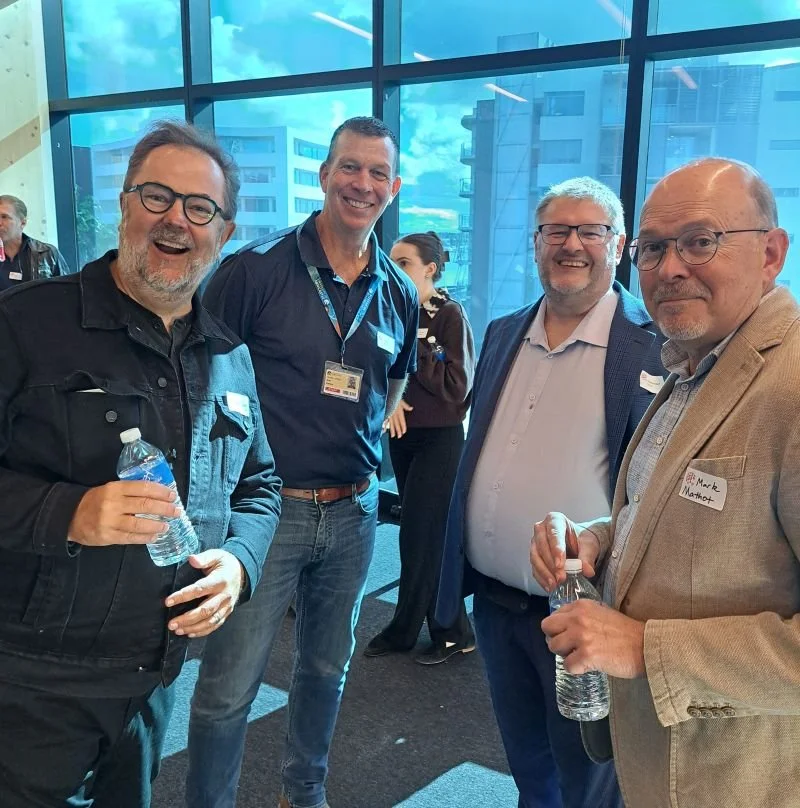
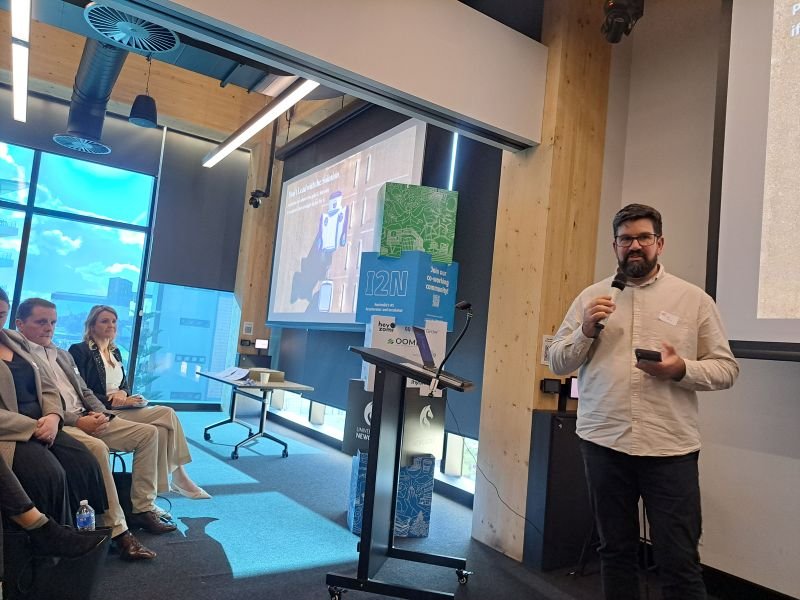
Josh Jeffress, Director and Principal Designer at Design Anthology, works at the place most ideas go to die: the distance between a working prototype and a product someone will pay for.
His framework has the directness of someone who has learned its lessons the hard way. Start with the problem, not the solution. Understand who experiences it, how often it occurs, and whether anyone cares enough to pay to have it solved.
Commercialisation, he argued, is not a finish line. It should shape every decision from day one. That means knowing how many units a customer would buy, not just whether they like the concept. For hardware in particular, knowing volume expectations early changes how you design for manufacturing. Getting that wrong late is expensive.
He was direct about documentation, which he acknowledged is unglamorous. Capturing what worked, what failed, and what assumptions were wrong creates the institutional memory that keeps projects from repeating mistakes, especially across timelines that can stretch years. It also protects IP, supports R&D tax claims, and allows partners to be onboarded without starting from scratch.
Scope creep, he said, is the most reliable killer of good R&D. Design Anthology has run a fixed-delivery model for close to 17 years, building products that didn't previously exist. The discipline of committing to an output forces ruthless prioritisation. Engineers and scientists left unconstrained will keep optimising well past the point where their target market stopped caring about additional features.
The session closed with a question about IP protection that drew a characteristically practical response. Every good product gets copied eventually. The answer isn't to perfect it forever on a workbench. It's to build, get it to market, and create the customer base that makes you harder to displace.
Three different speakers, three different domains. The same underlying argument: the businesses that will be well positioned in twelve months are the ones making decisions now, not waiting for the landscape to settle.
The Hunter iF Innovators Lunch series brings together innovators, industry leaders and change-makers from across the Hunter Valley each month. Become a member or follow us on LinkedIn to join the conversation.