
By Zara Crichton, CEO, Hunter iF
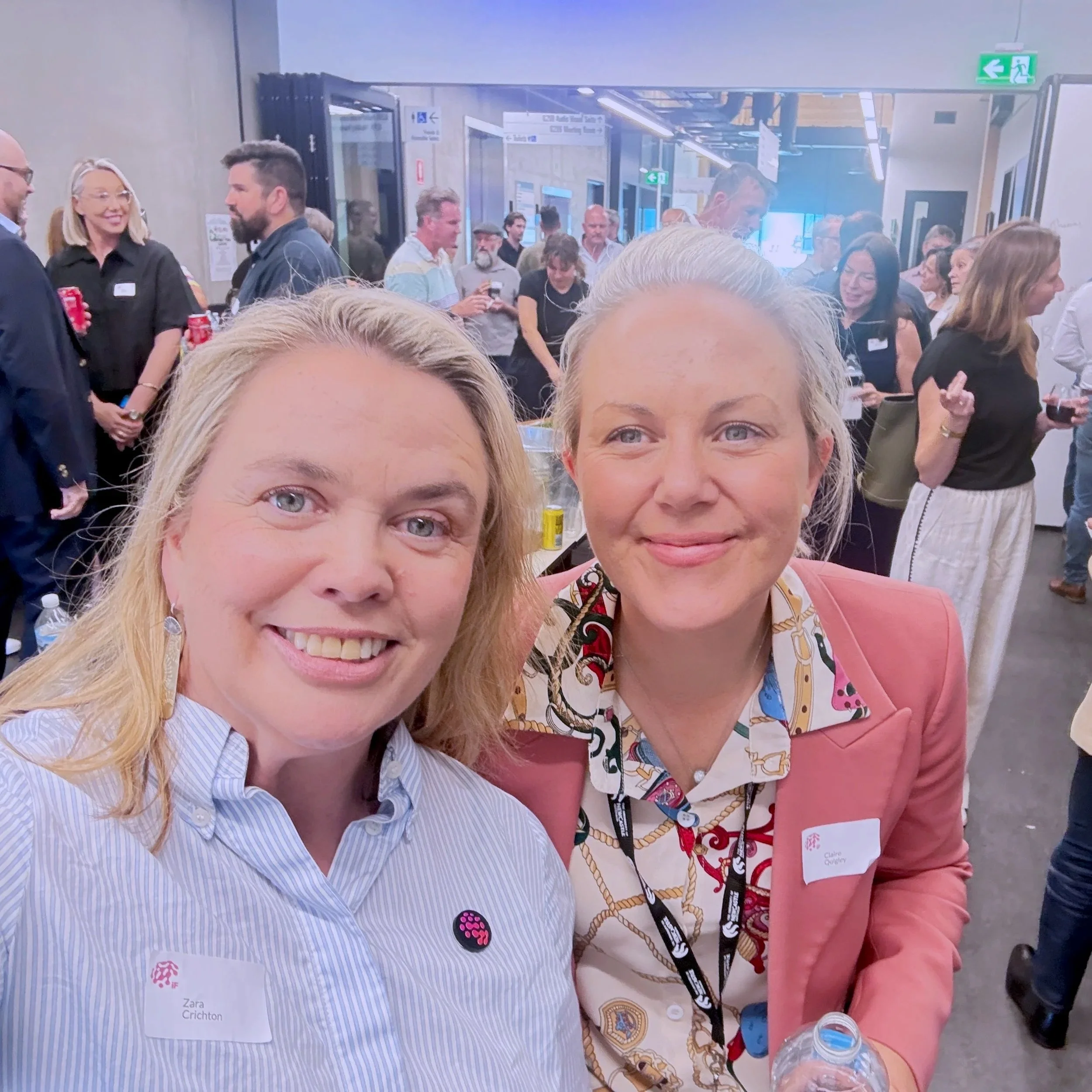
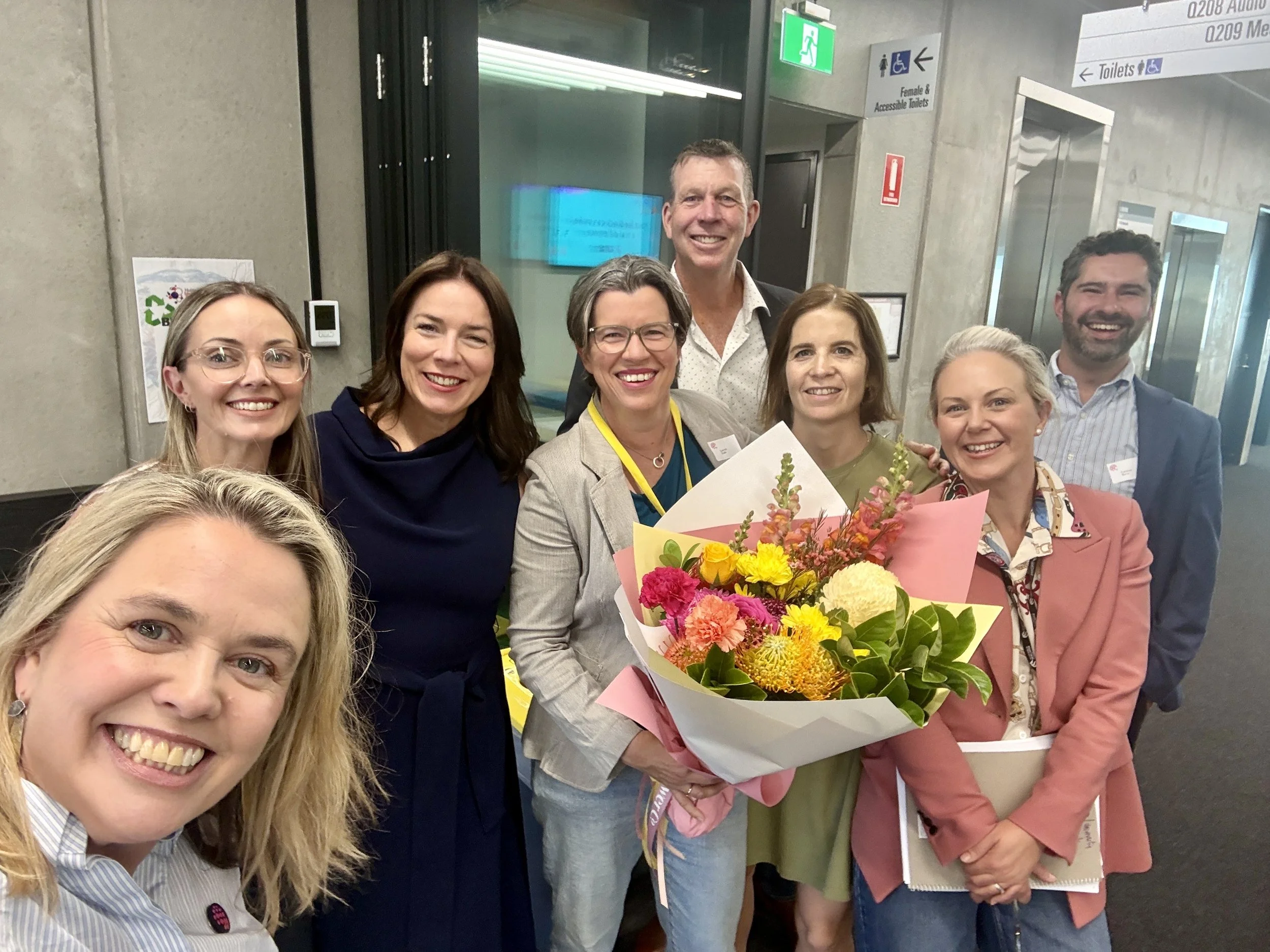
Last Friday was a big day for Hunter iF. It started with our AGM, where Claire Quigley delivered her first report as Chair with the whole board in the room. Bret Barton and Linda Apostolidis were elected co-Deputy Chairs, and Cameron Burns took on the role of Office Holder alongside his work as Treasurer. Meet the board.
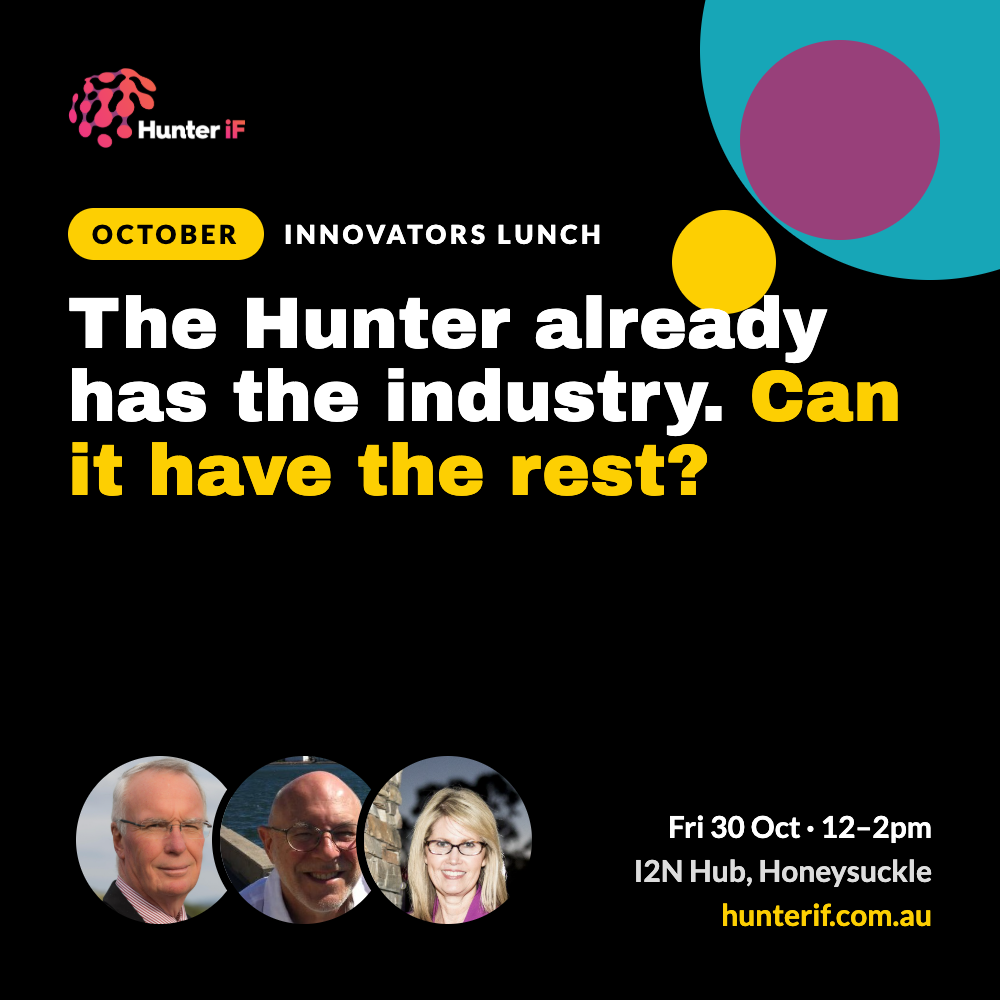
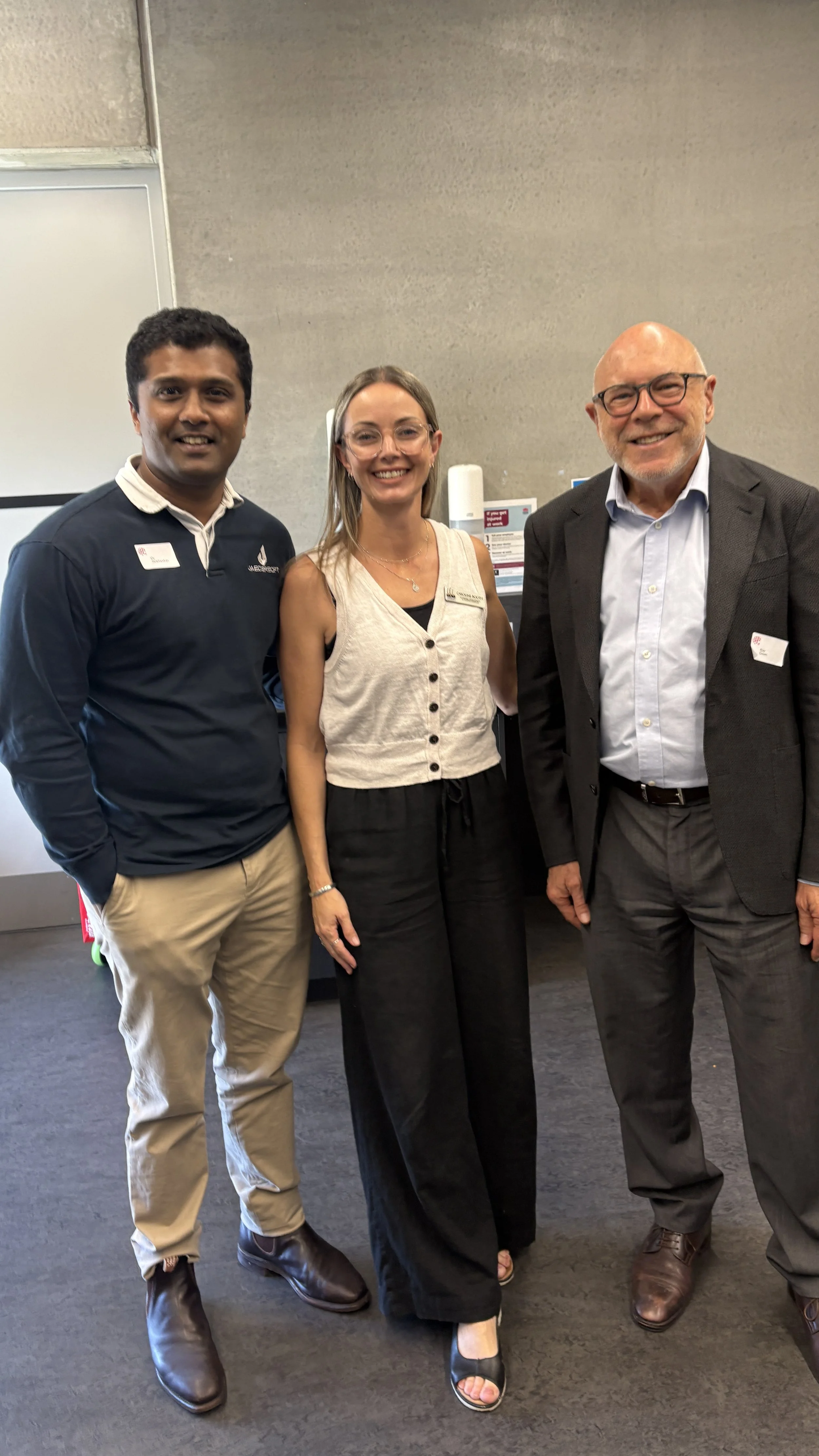
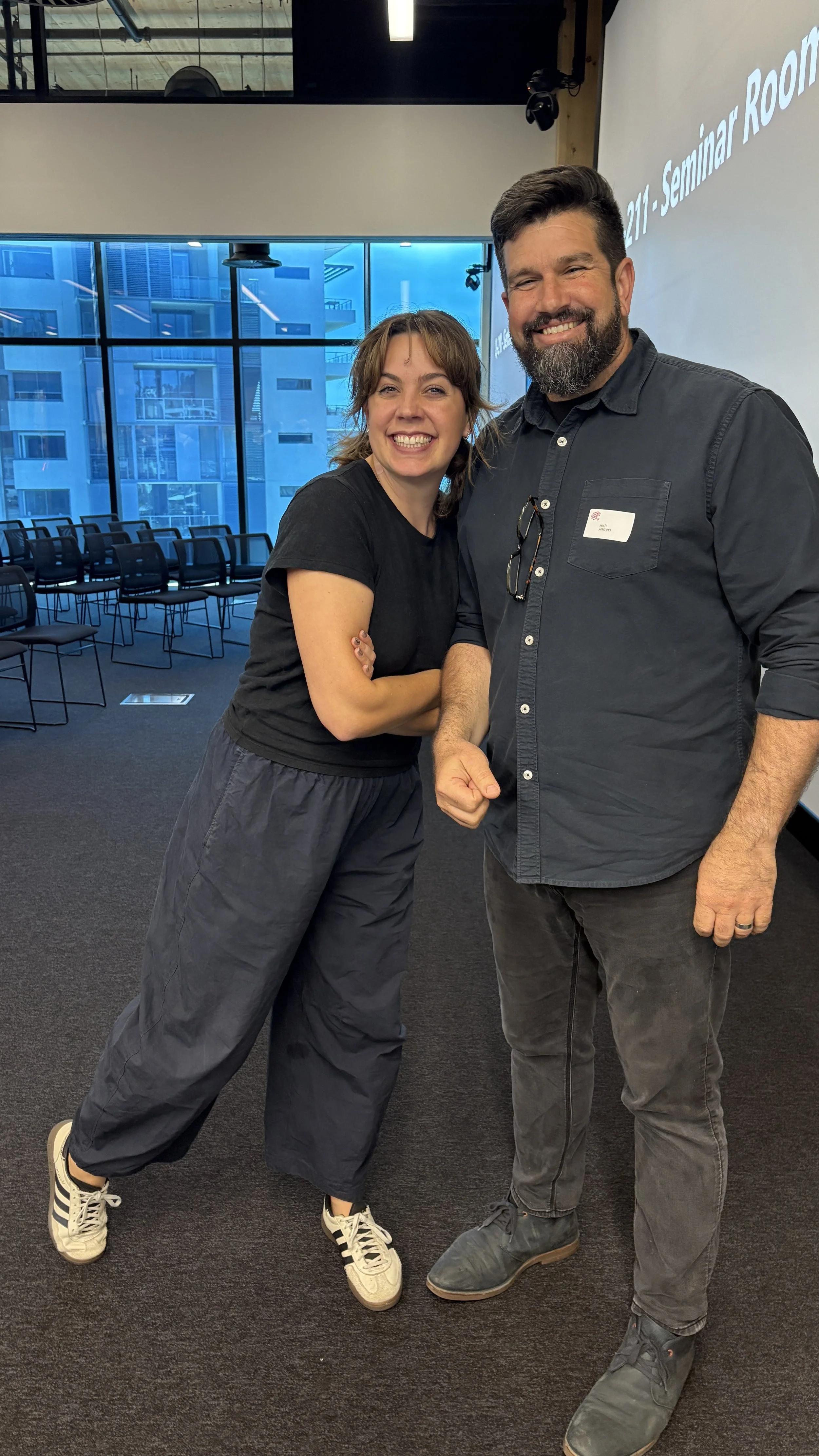
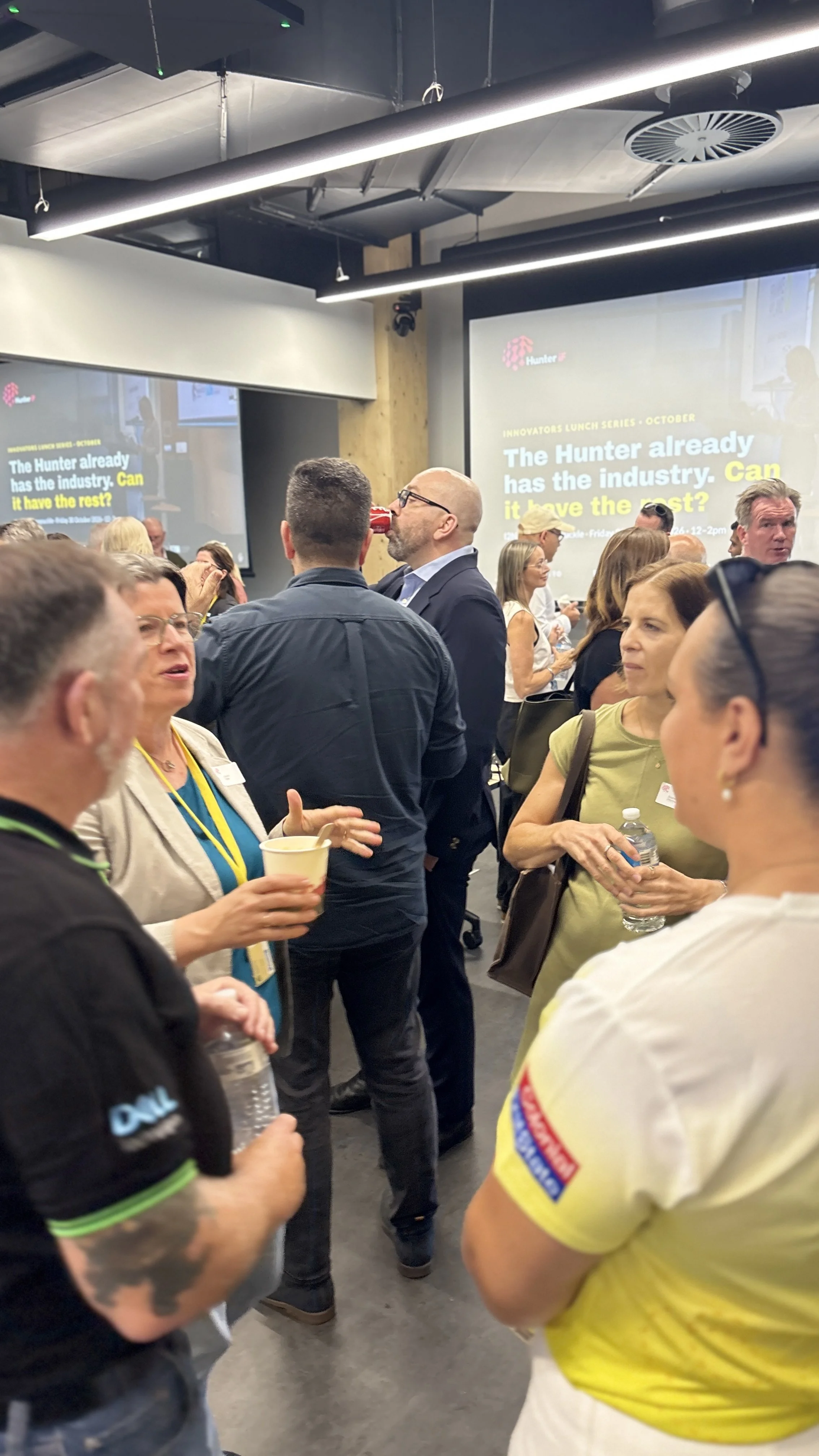
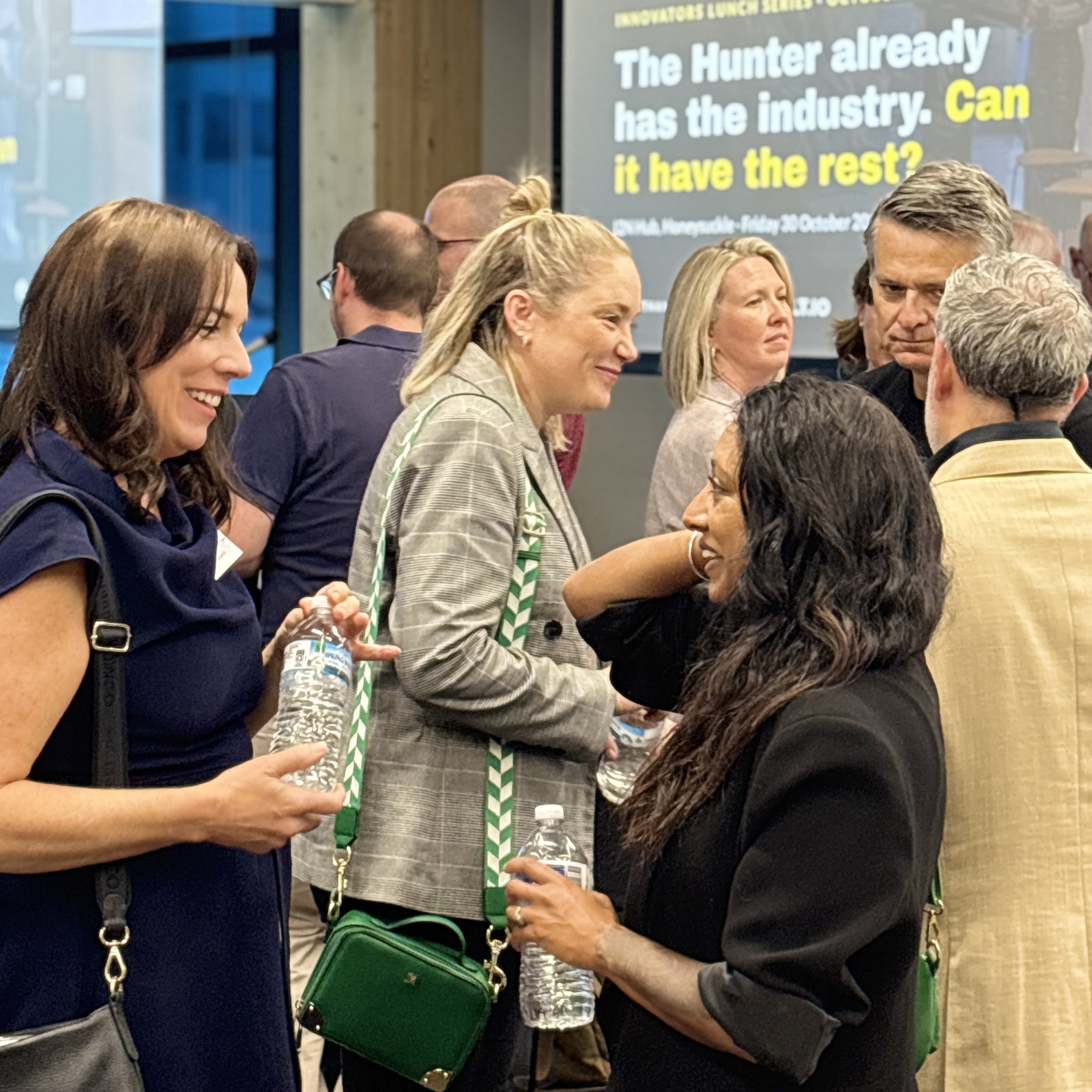
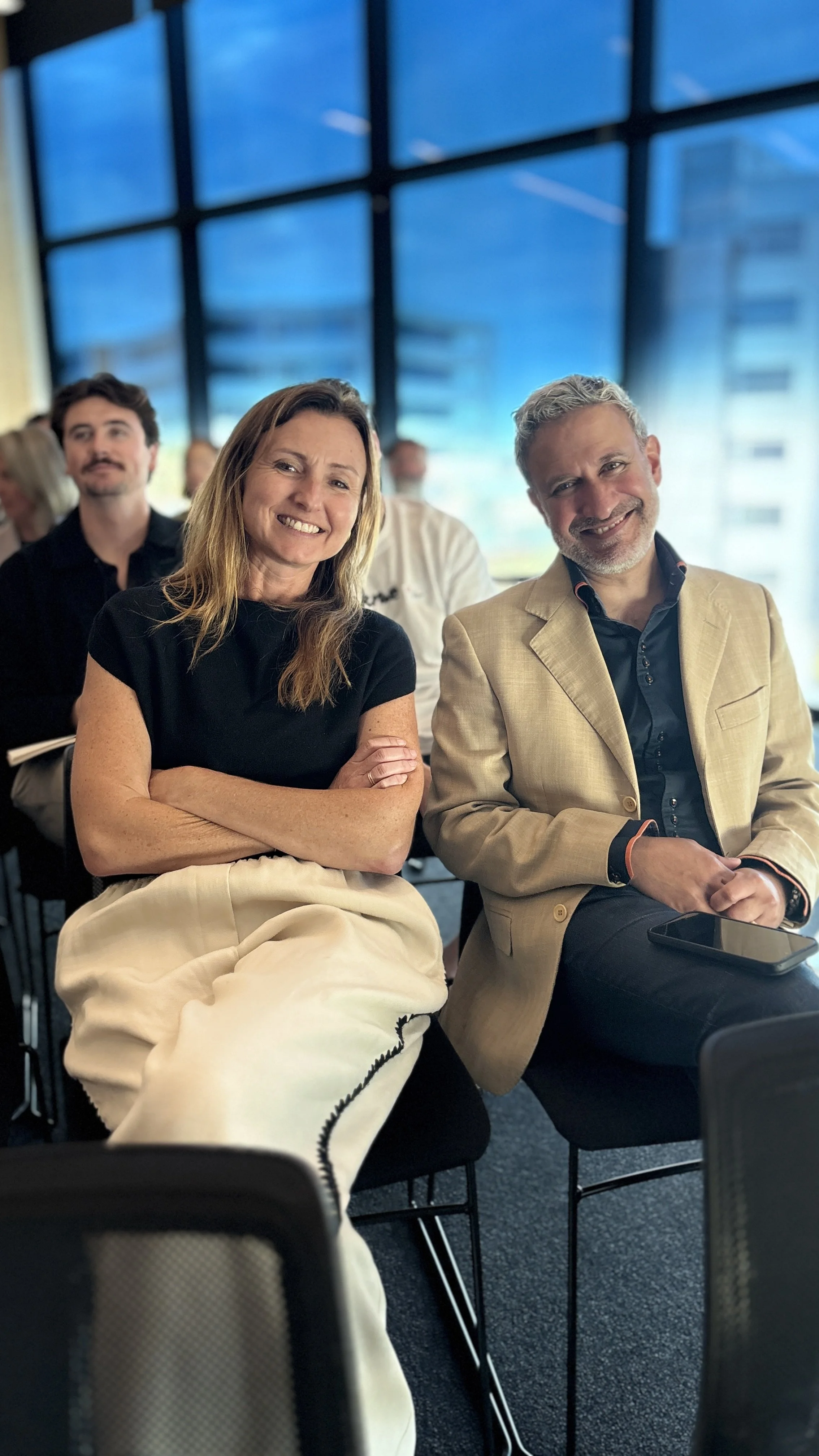
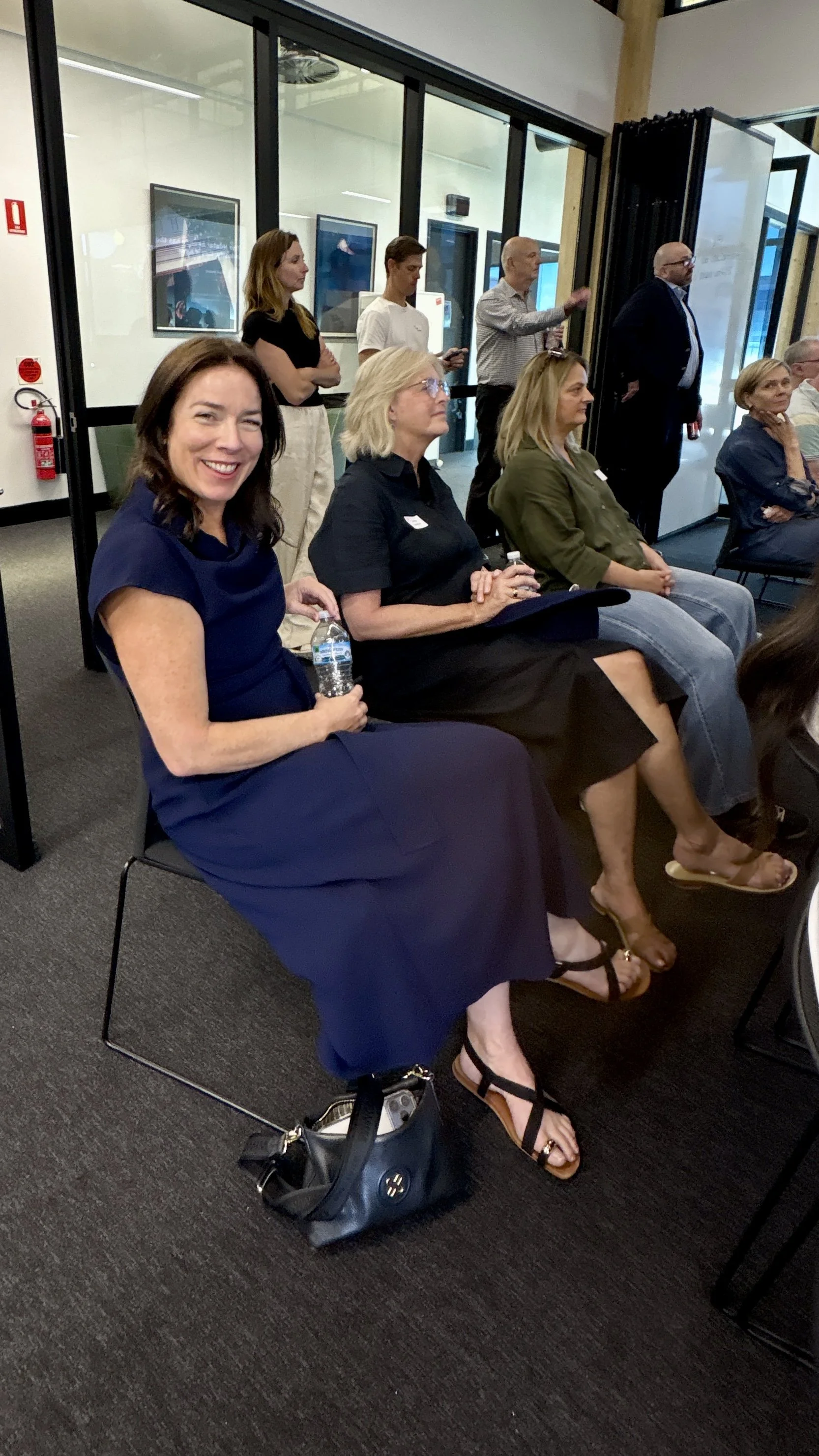
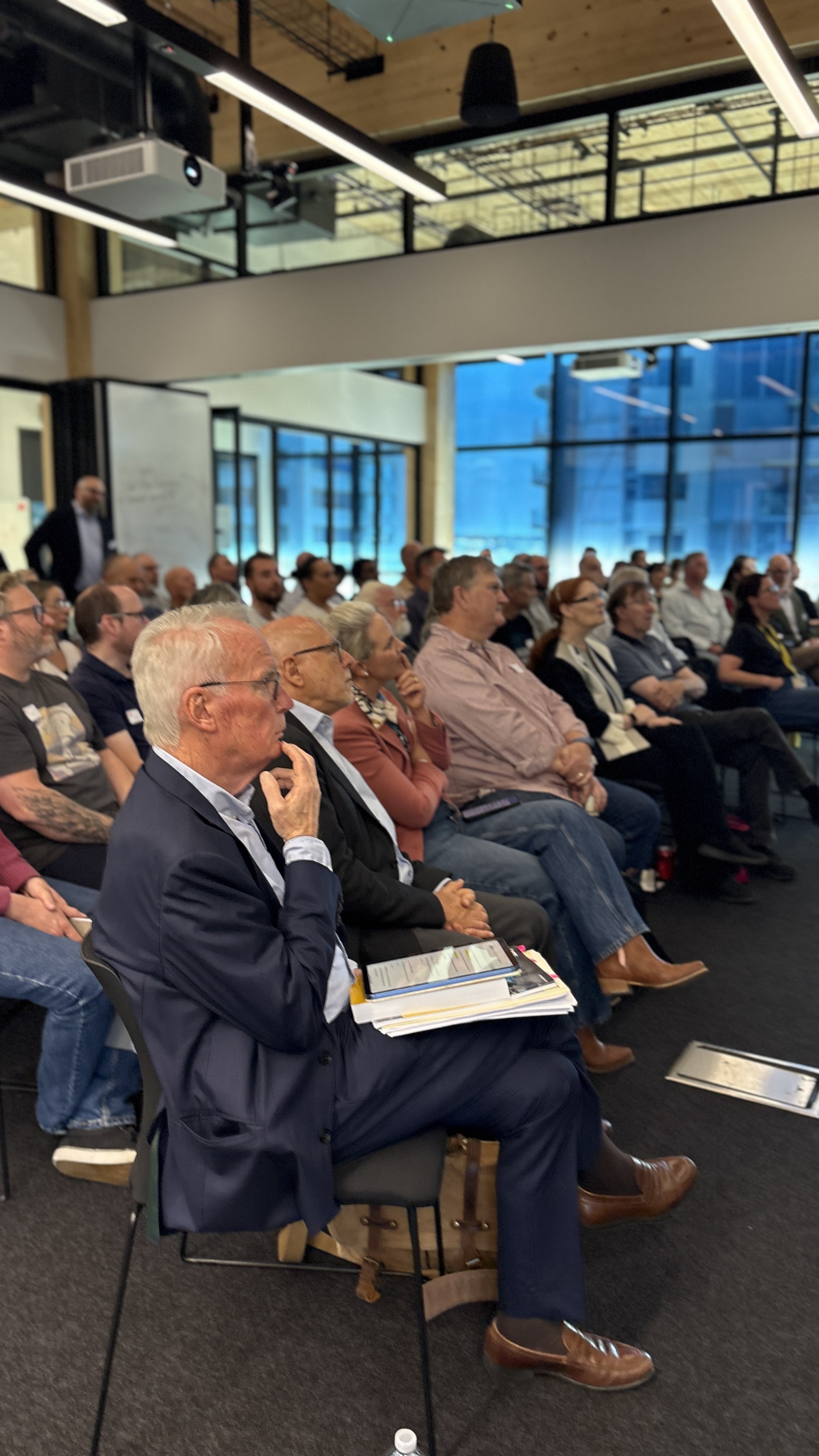
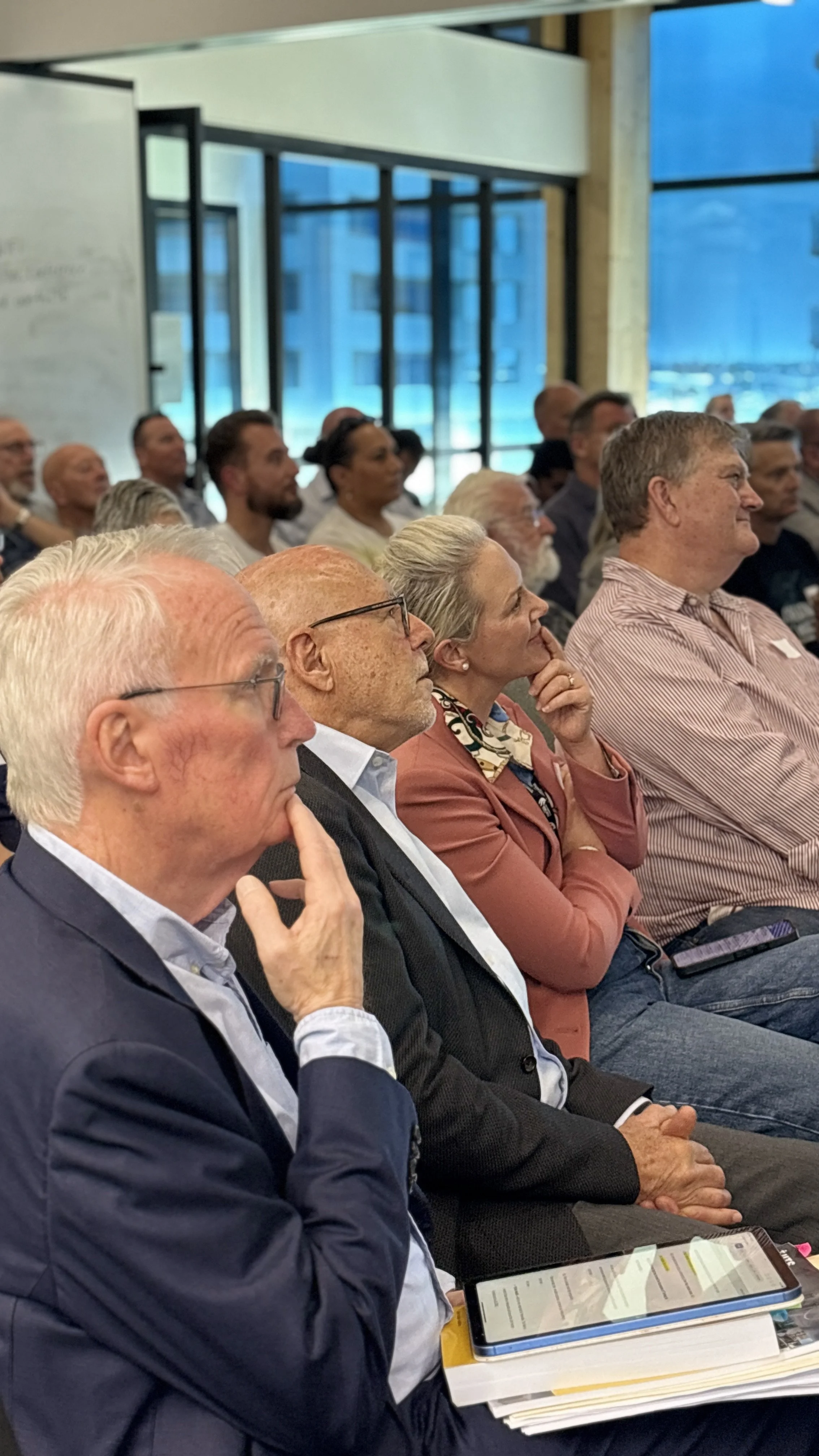
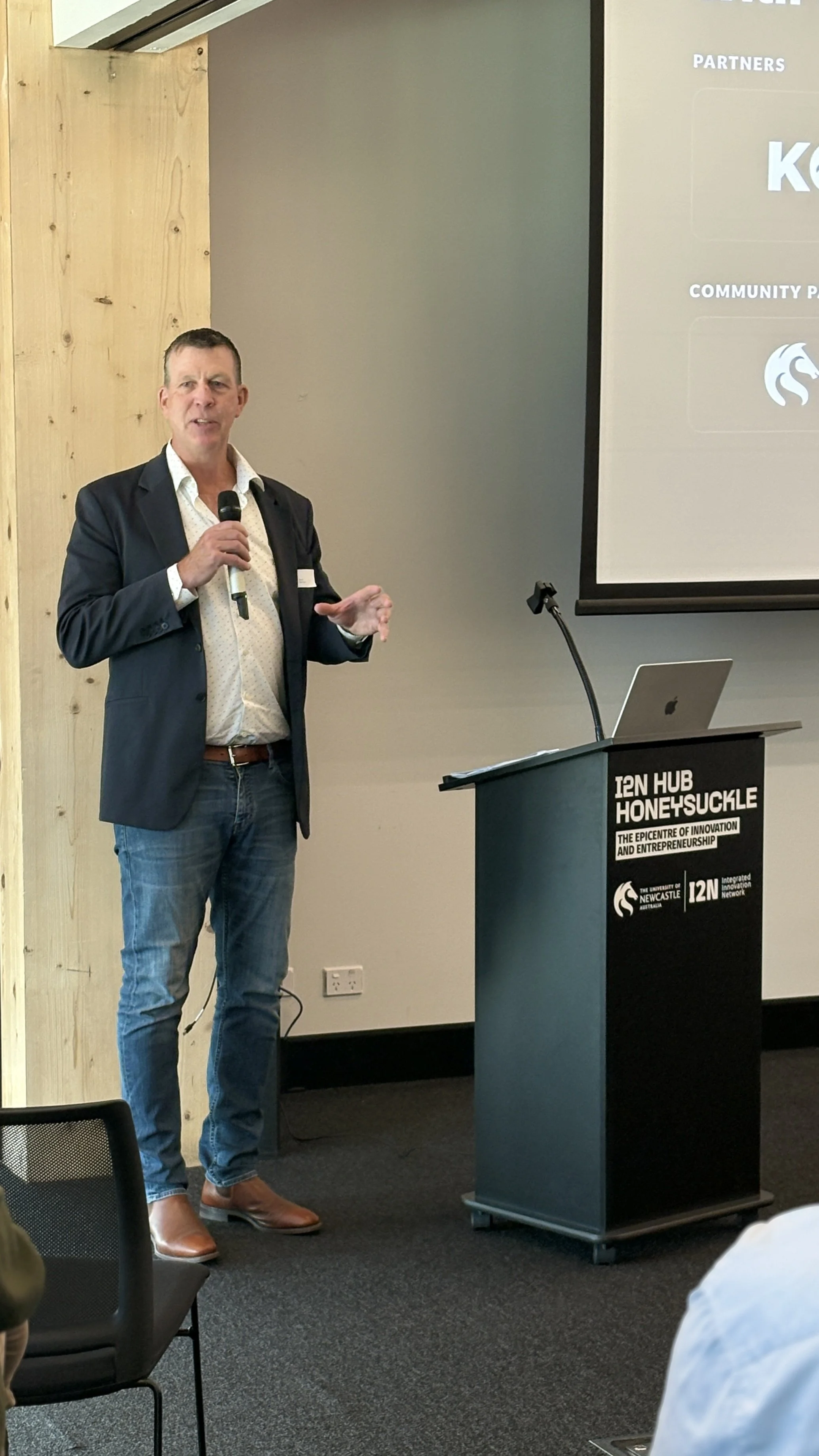
Then around 100 of you filled I2N Hub Honeysuckle for our October Innovators Lunch and one big question: the Hunter already has the industry. Can it have the rest? Bret opened with the Acknowledgement of Country. Three of the sharpest minds on regional economies then took us from 1940s nation-building to the factories of tomorrow.
The big idea? Technology is available everywhere. The things that make it productive are not. That's where the Hunter can win.
Ten years on, the Hunter grew its own way
Kate O'Mara, CEO of RDA Hunter
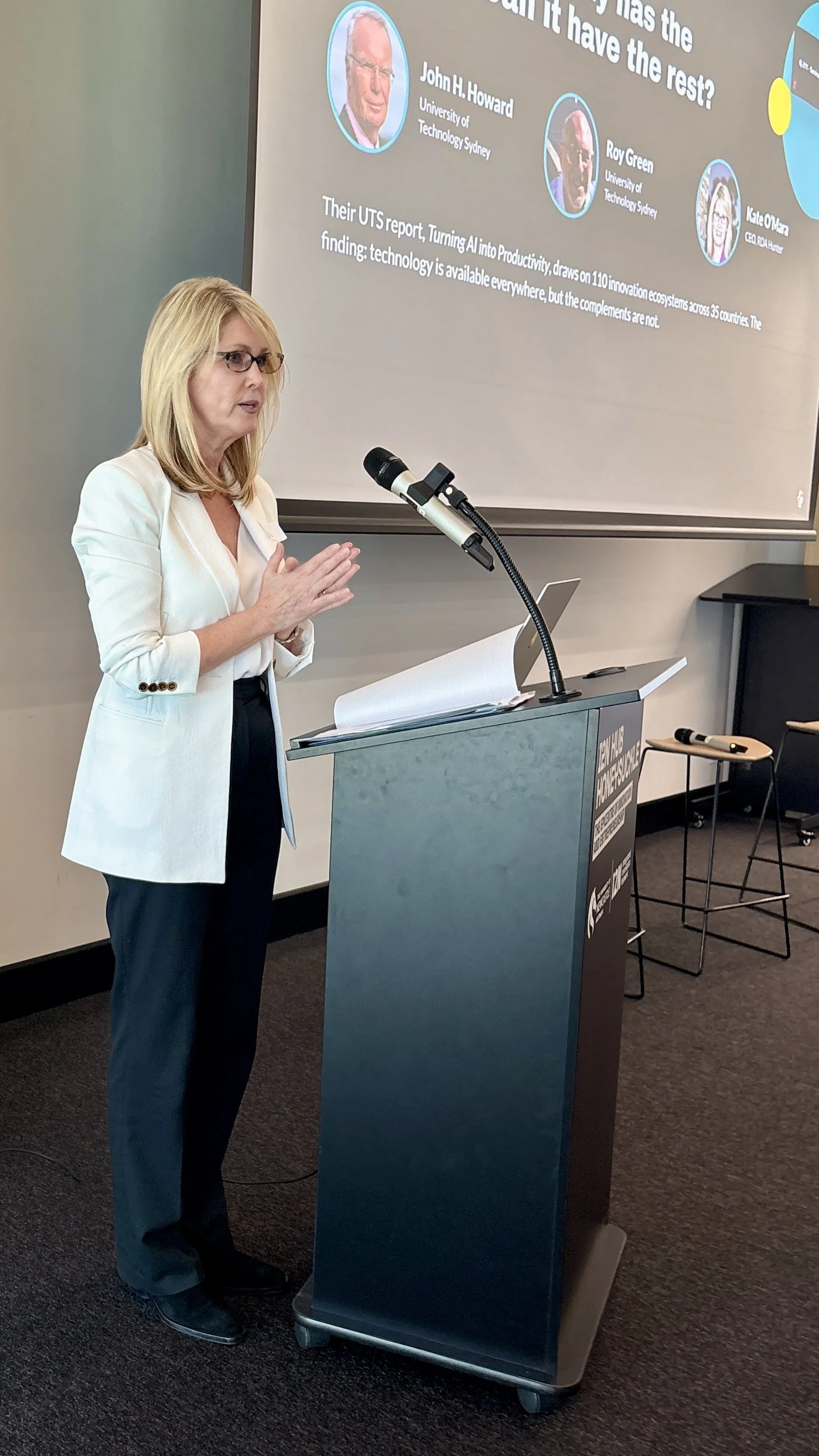
Kate O'Mara, CEO of RDA Hunter, kicked us off with a look back. The Hunter's Smart Specialisation Strategy (S3) launched in 2016. On its tenth anniversary in March, RDA Hunter compared where we set out to go with where we've actually landed.
The news is good. The region has invested in line with the S3's goals, just in a more distributed and organic way than the document imagined. Instead of one umbrella body, it runs through networks like HunterNet and the Hunter Defence Taskforce. "Collaboration and knowledge exchange is happening," Kate said. "It's just through a more distributed and sector-led network approach." Most of the sectors named in 2016 are still strengths today.
What's changed is how we see them. Manufacturing is no longer a standalone sector. It's a capability that drives innovation and growth right across the economy, and the sectors are far more connected than they were.
That look-back fed straight into RDA Hunter's new Hunter Global Competitiveness Initiative, which started in late August. Over about 18 months, it will map the trends shaping the next decade and turn them into practical, place-based priorities for jobs and growth. Right now it's in discovery, listening to industry, government, researchers and community right across the region.
"We already know the challenge is going to be turning the opportunities into real and achievable actions," Kate said. That could mean winning higher-value roles in global supply chains, or tightening the links between industry, research and education so more pilots make it to market.
Want to dig in? Read the original Smart Specialisation Strategy for the Hunter Region and the 2016–2026 Then & Now comparison.
RDA Hunter's survey asks how key industries have changed over the past decade, where they stand today, and the opportunities and challenges likely to shape them by 2036. What it gathers will feed into the project's strategy and recommendations, so your voice counts.
Roy Green: we've done it before
Emeritus Professor Roy Green of UTS
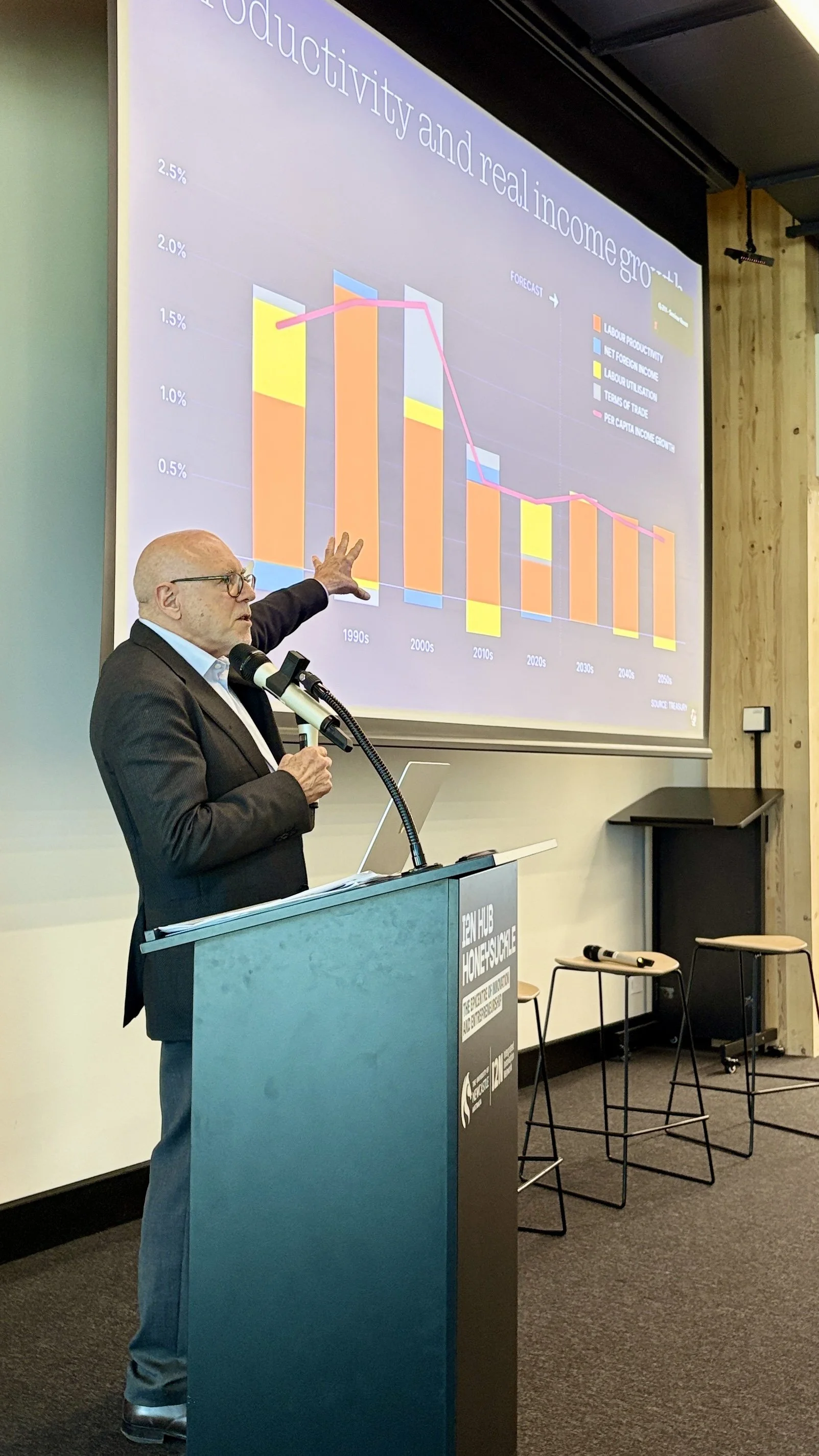
Emeritus Professor Roy Green of UTS, co-author of Turning AI into Productivity with John H. Howard, made the case for why this matters. Productivity is what lifts living standards, and Australia's has been slowing. In most developed economies, manufacturers do the bulk of business R&D. Here, manufacturing has shrunk to around 5.5% of the economy, and business R&D has fallen with it.
It wasn't always this way. Roy took us back to the 1940s: the first Holden, the Snowy Mountains Scheme, and CSIRAC, one of the world's first stored-program computers. "It's not as though we can't do it," he said. "We've done it in a nation-building context."
Then came the slide. In the 1980s, computers were everywhere except the productivity statistics. The 1990s brought a boost, helped by a serious industry plan, and manufacturing exports grew fast. That's also when HunterNet formed, championing flexible, globally minded manufacturing as the region moved beyond mass production. In the 2000s, the commodity boom lifted incomes through prices alone. "We didn't have to do anything," Roy said. "We just sold the same old stuff." Unlike Norway, we didn't bank the windfall.
Today Australia ranks 74th in the world for economic complexity. Our exports lean on iron ore, coal, gas and gold, and iron ore, about a quarter of our exports, faces new competition from West Africa. Lithium tells the same story: we dig up a huge share of the world's supply and capture only a sliver of the value.
Roy pointed to Germany, where factories are applying AI to strip variability out of every step of a production line and competing entirely on technology and process. His answer for Australia: "We're also able to do manufacturing well, if we choose the parts of manufacturing carefully." Build those inside strong innovation ecosystems and the gains follow.
The report's seven recommendations:
Industrial AI strategy, built around sovereign capability.
Targeting advantage: back the areas where we can build knowledge-based strength, not just natural resources.
Compute access: attach conditions to the data centres being built here, such as a compute reservation scheme or vouchers so SMEs, researchers and communities can use them.
Innovation ecosystems: place-based hubs bringing universities, CSIRO, investors, companies and SME supply chains together.
Research and skills.
Enterprise capability: lifting management and technology adoption across SMEs, where the productivity gap is widest.
Mobilise capital: patient, long-term investment, including super funds that are barely used for this today.
John H. Howard: places make the difference
Professor John H Howard of UTS
John has a long history with us. About a decade ago he helped put together the Hunter's Smart Specialisation Strategy, and he was delighted to hear Kate say it's still shaping the region. "I assure you, it's an exceptionally good read," he said.
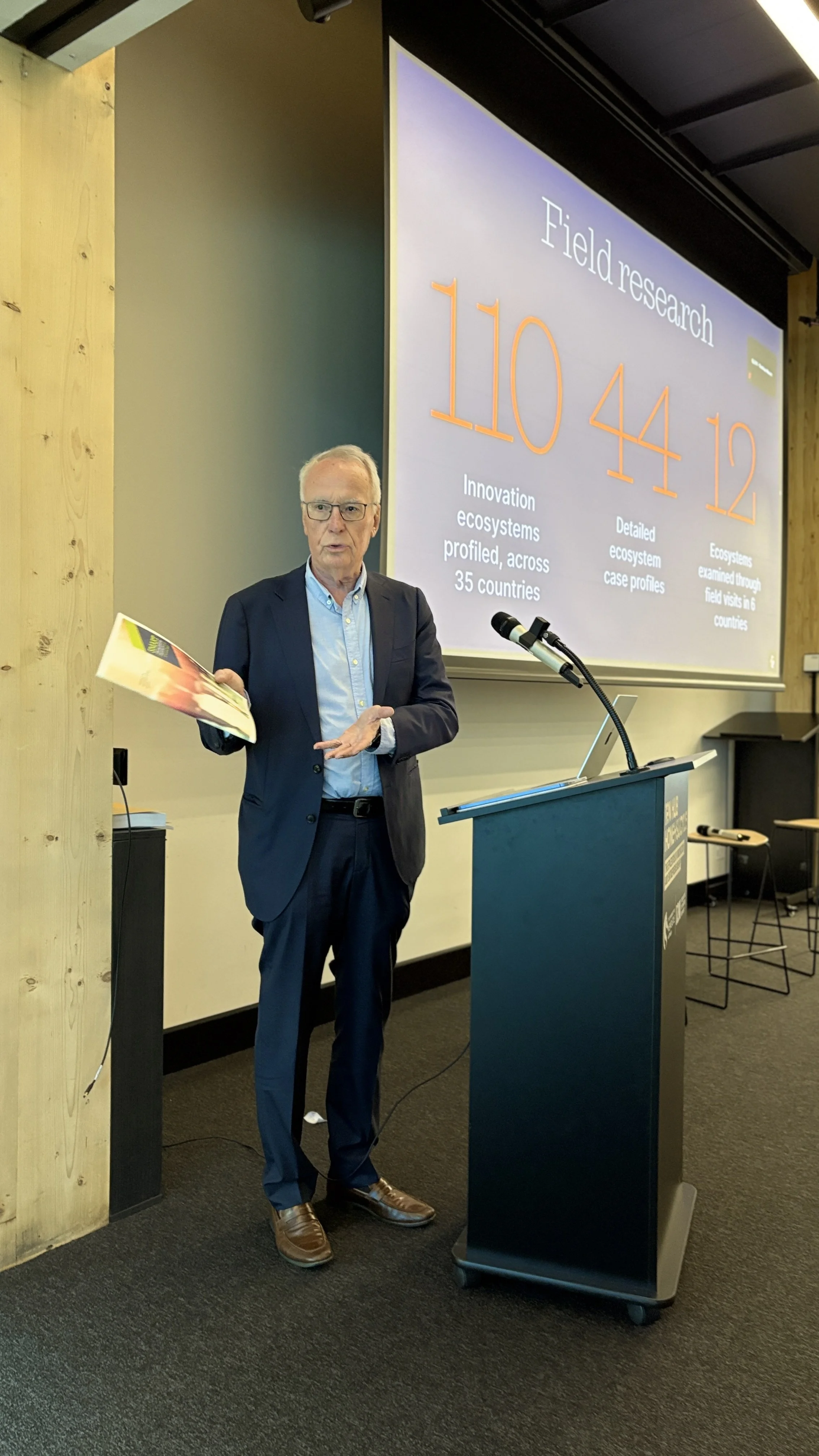
His research with Roy is huge: 110 innovation ecosystems profiled across 35 countries, 44 detailed case profiles and field visits to 12 ecosystems in six countries. It took three years and produced a case base of around 1,100 pages.
John reminded us that productivity isn't the only payoff. Strong ecosystems also deliver better health care through medical research, like the Hunter's work around HMRI and John Hunter Hospital. They support community wellbeing, culture and creative industries, and energy and environmental gains.
His best analogy was electricity. It took about 40 years to become universal in factories. At first, electric motors just replaced steam to drive the same old line shafts. The real transformation came when every machine got its own motor and factories were redesigned around it. AI is the same kind of general-purpose technology. It only pays off when it's combined with the right complementary assets.
So what do the strongest ecosystems have? John's team assessed them on seven indicators:
Shared compute and data that founders and researchers can use without building it themselves
Testbeds and sandboxes to prove a prototype works
Skilled workforce supply
Translational research that moves ideas from lab to market
Demand and procurement, where governments and primes give startups their first contract
Governance
Systems integration that pulls all that capability together
His closing slide said it all: places make the difference, and places can be made. John's new book, Hidden in Plain Sight, brings much of this research together.
From the floor
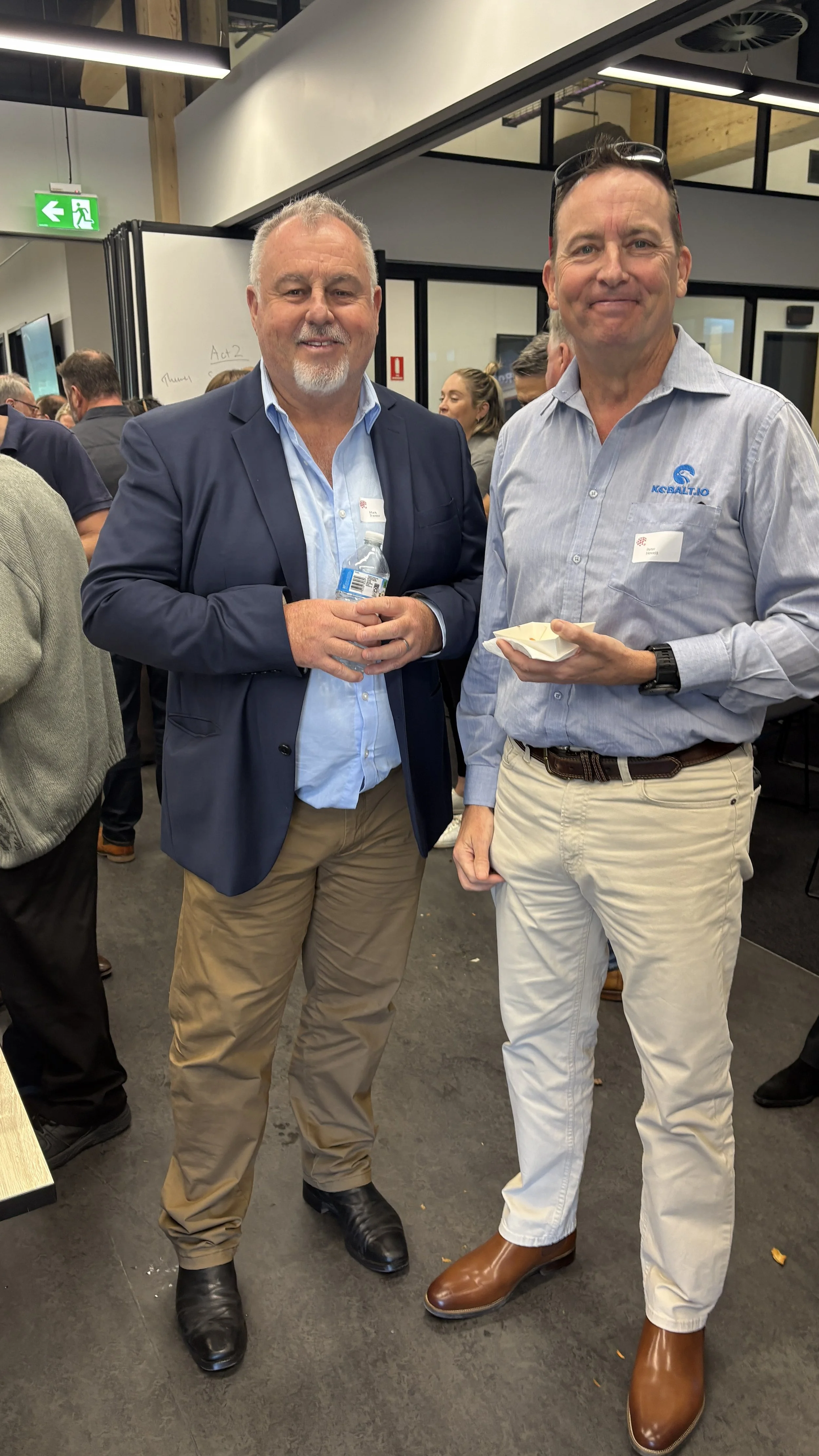
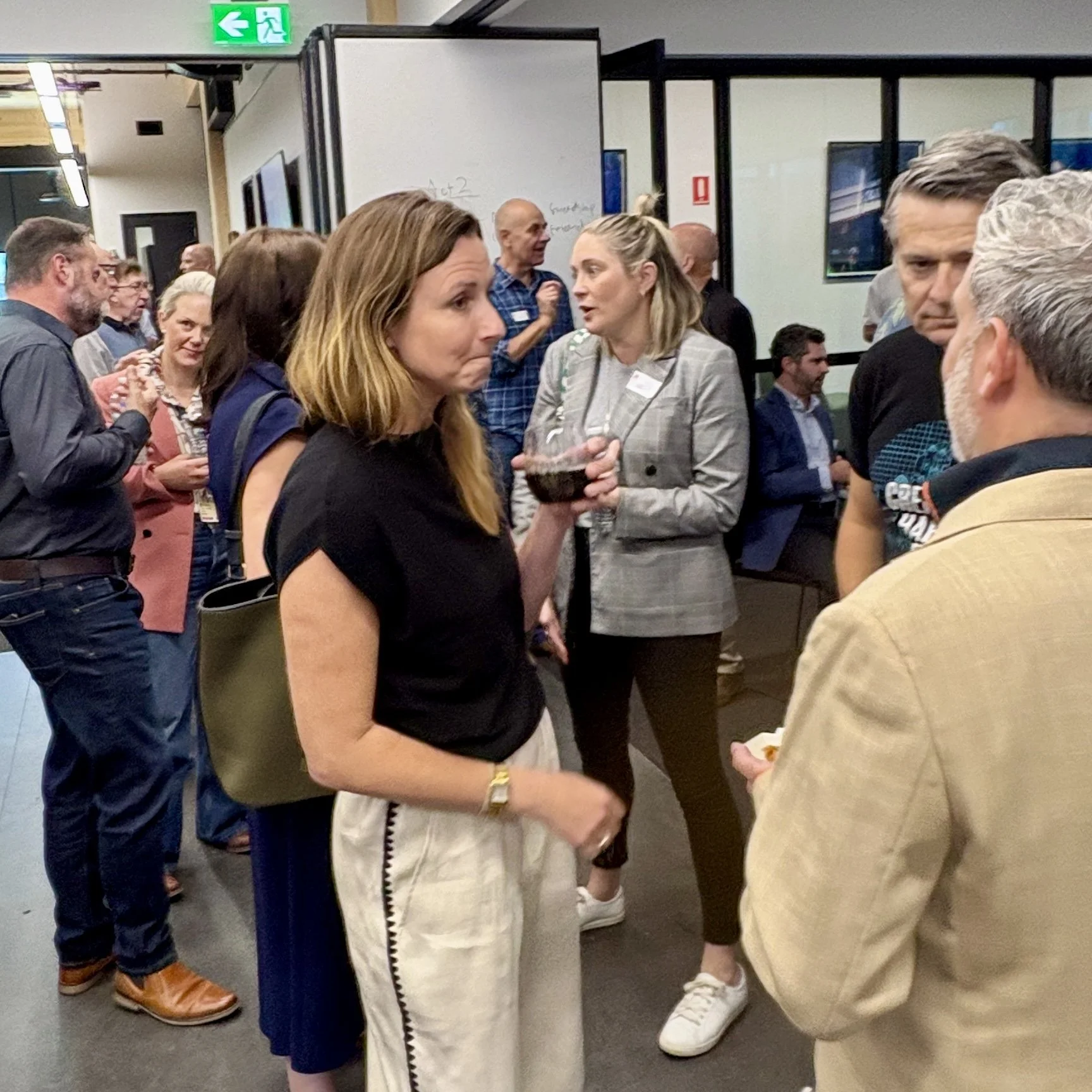
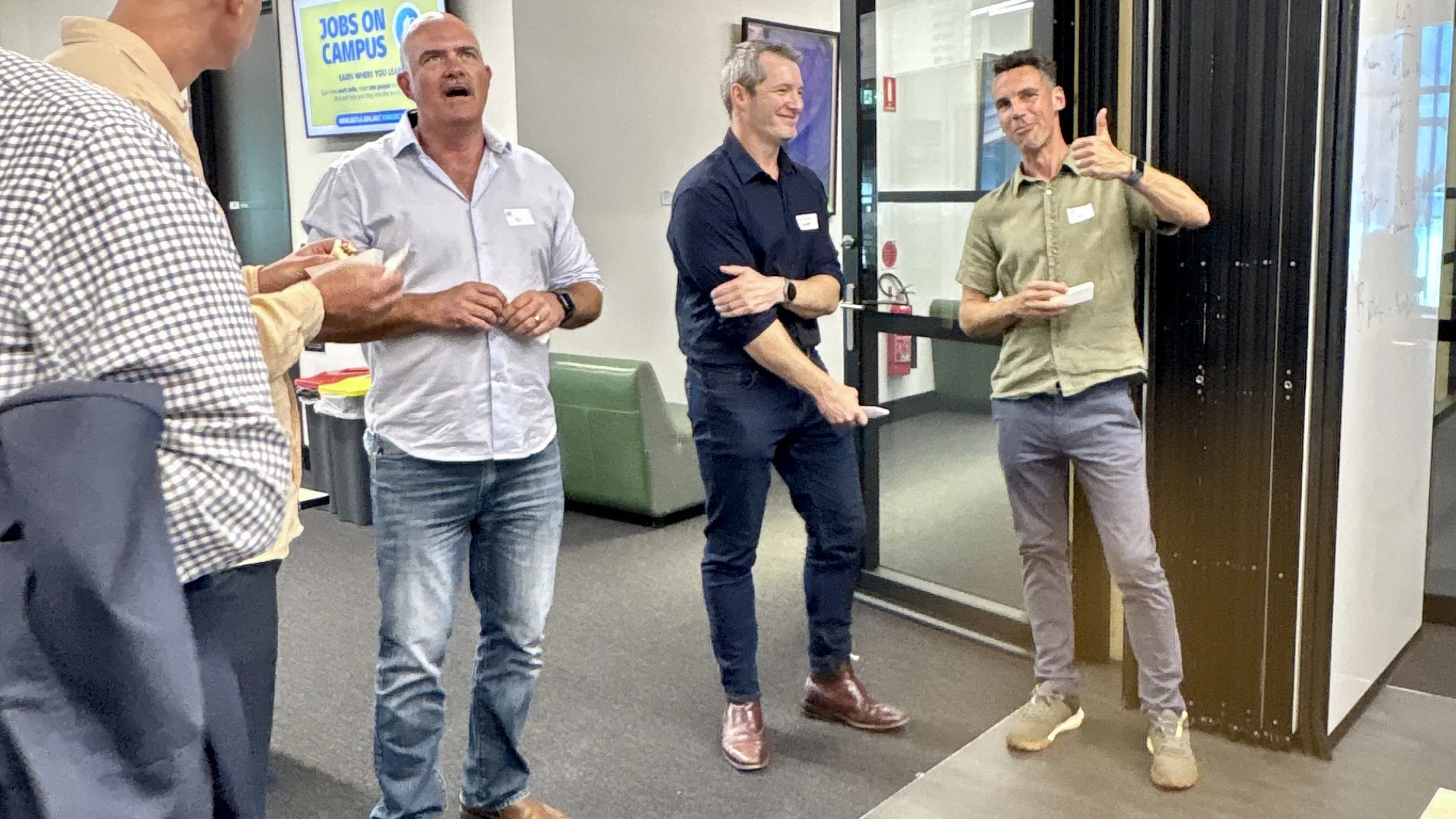
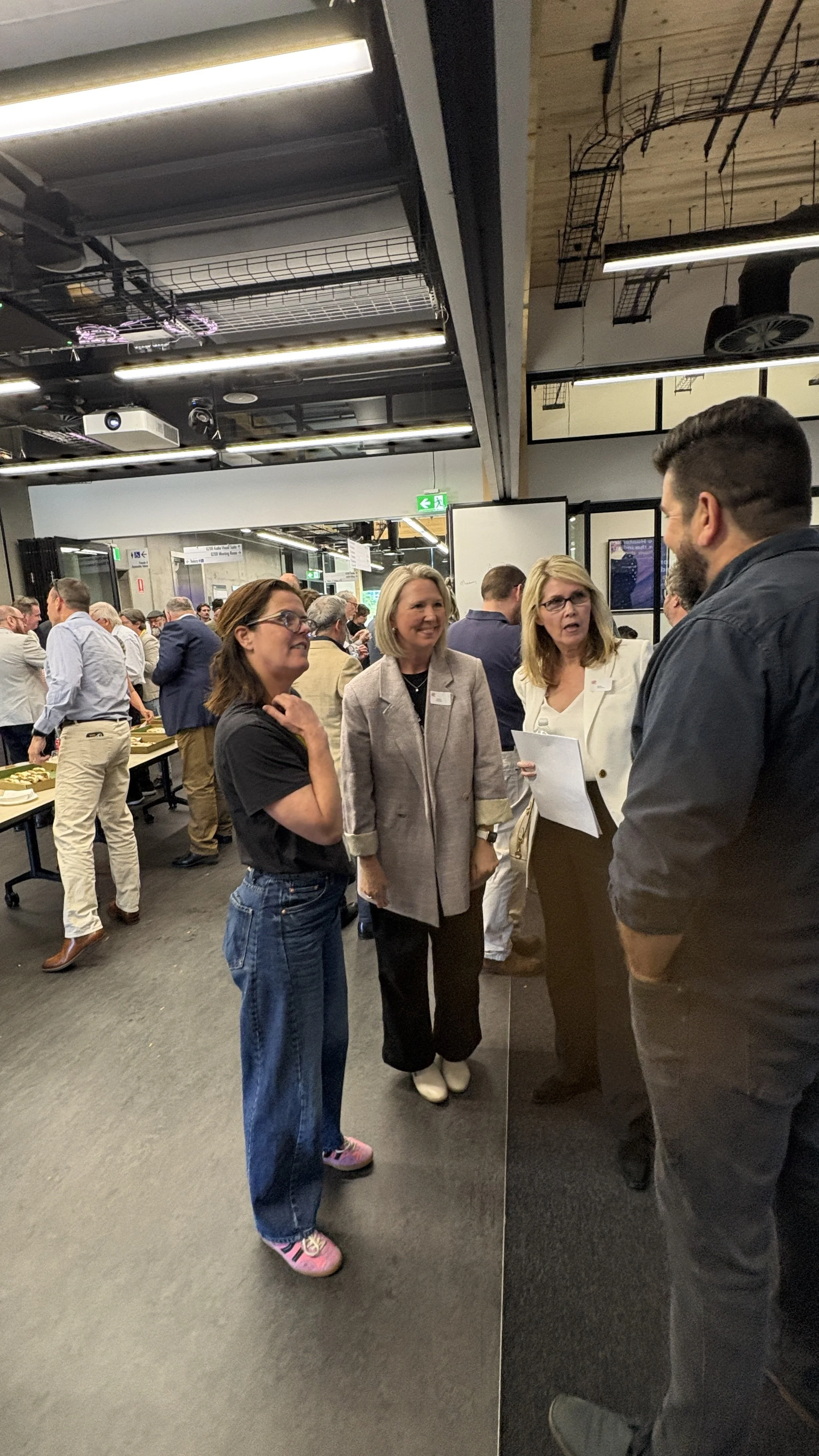
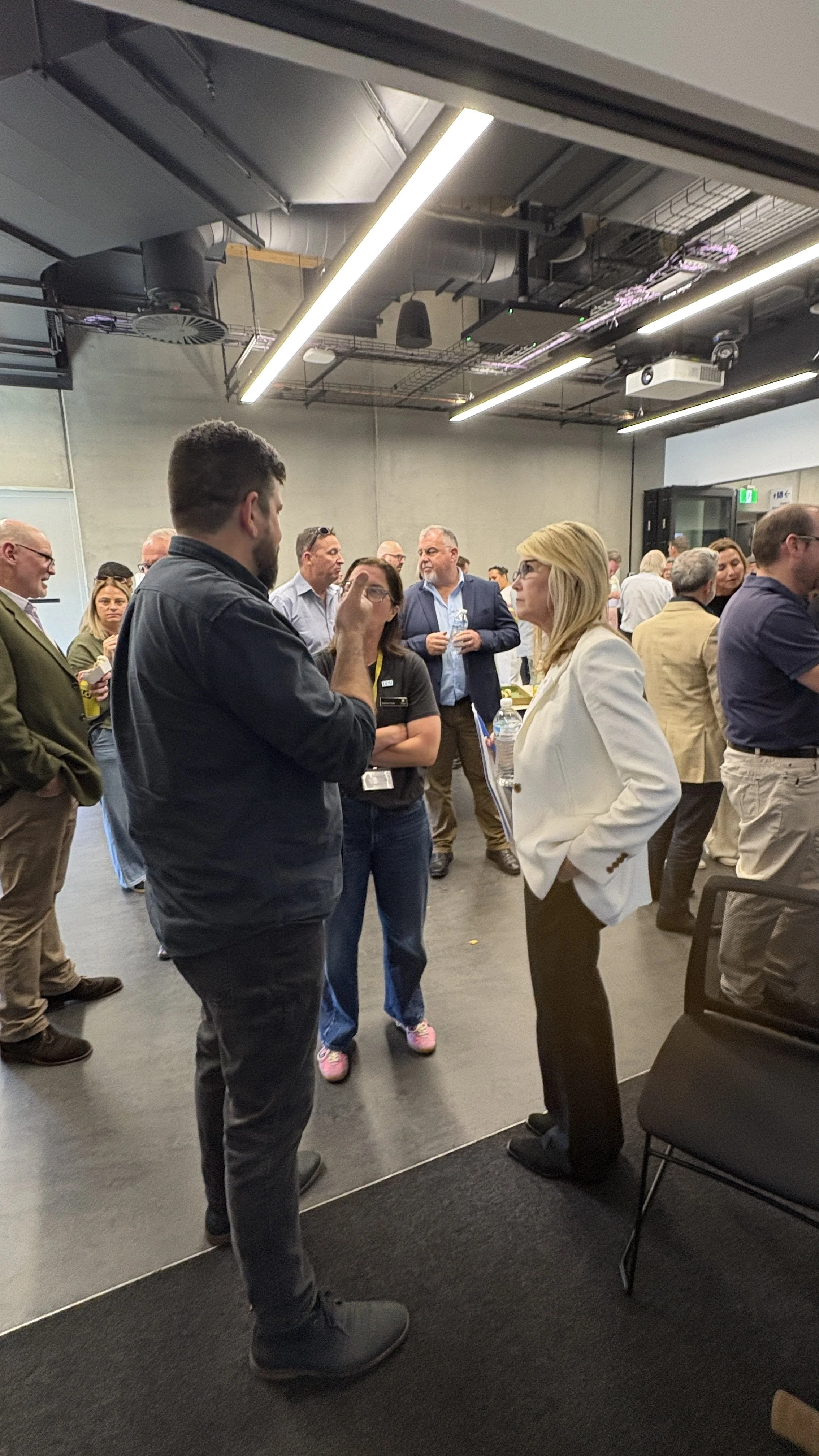
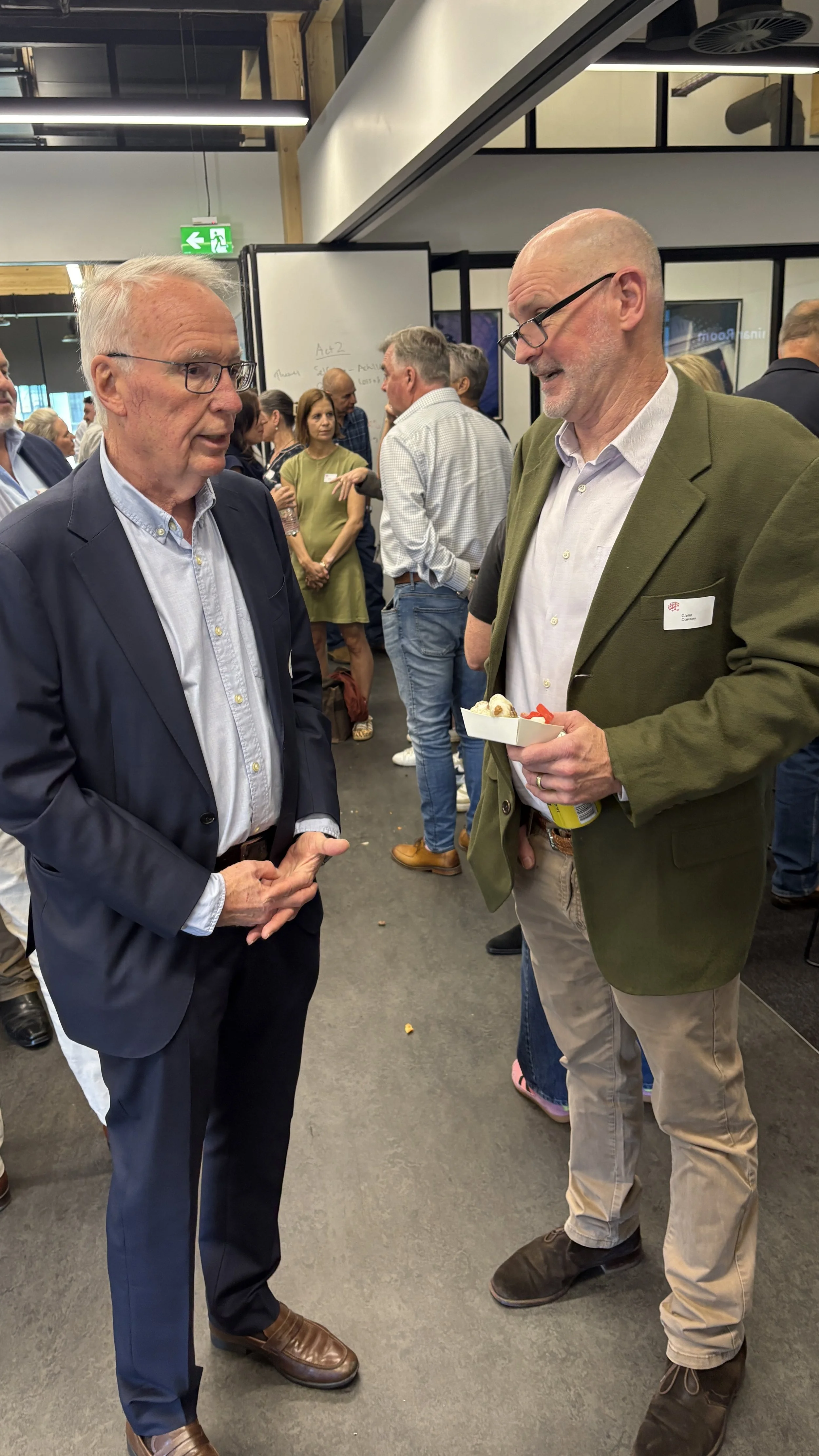
Before questions, I asked everyone to turn to their neighbour and share what they'd learned. The room went loud in seconds. That buzz is exactly why we gather.
Where will industrial AI lift productivity first? Roy described robots that can now be instructed in plain language, which he'd seen demonstrated in Munich. The gains come from optimising what we already do and from making things we couldn't make before. Kate added the regional opportunities she sees: diagnostics and clinical decision-making in health, quality control and maintenance in manufacturing, energy, and professional services. "I think that's a big opportunity for us as a region," she said.
How do we lift enterprise capability? Roy traced 40 years of business support programs started, renamed and cut, calling it "a very messy and disappointing series of slicing and dicing." Germany, the UK and the US keep long-term extension services that help SMEs grow into bigger companies. In the US, networks like the Regional Innovation Engines have survived changes of government because business, unions and communities now back them.
Why is business R&D so low here? More public funding alone won't fix it, Roy said. "It's something that can only be fixed by addressing our narrow, precarious trade and industrial structure." We need to move up the value chain and build new competitive industries.
What human capabilities do organisations need to lead AI change? Kate expects this to be a focus for the Hunter Global Competitiveness Initiative.
Are we too complacent? "If there's a problem, we can get very ingenious," Roy said. "If it doesn't appear that there's a problem, we become very complacent."
His example was DroneShield. Founded in 2014, it moved its headquarters to Sydney when it listed on the ASX in 2016, and spent years as a small counter-drone startup few took seriously. Then came the war in Ukraine, where DroneShield has supplied technology since the first days of the conflict. By FY2025 its revenue had grown 277% to A$216.5 million, with more than 4,000 systems sold in over 70 countries.
At home, the story was different. In 2025, Defence began buying equipment for LAND 156, a $1.3 billion program to protect Australian troops and bases from hostile drones. As Roy tells it, DroneShield was asked whether it could keep making exactly the same technology for the next 15 or 20 years. That's a normal question for a ship or a tank. For counter-drone gear, where the threat changes almost weekly, it misses the point. "No, we can't replicate it for 24 hours," its production manager replied.
In August 2025, the lead role of pulling the whole program together went to US-owned Leidos Australia instead. DroneShield won about $5 million of the first orders for handheld equipment. "That's what I mean by complacency," Roy said: an Australian world leader judged by rules built for a slower era. Defence, he added, has since set up a separate procurement operation reporting directly to the minister.
Thank you, and what's next
My big takeaway? Capital, talent and R&D all matter, but the thing the best ecosystems share is ambition. As I said on the day: "We have to start day one with a global mindset for everything that we do here, and have a global ambition as well."
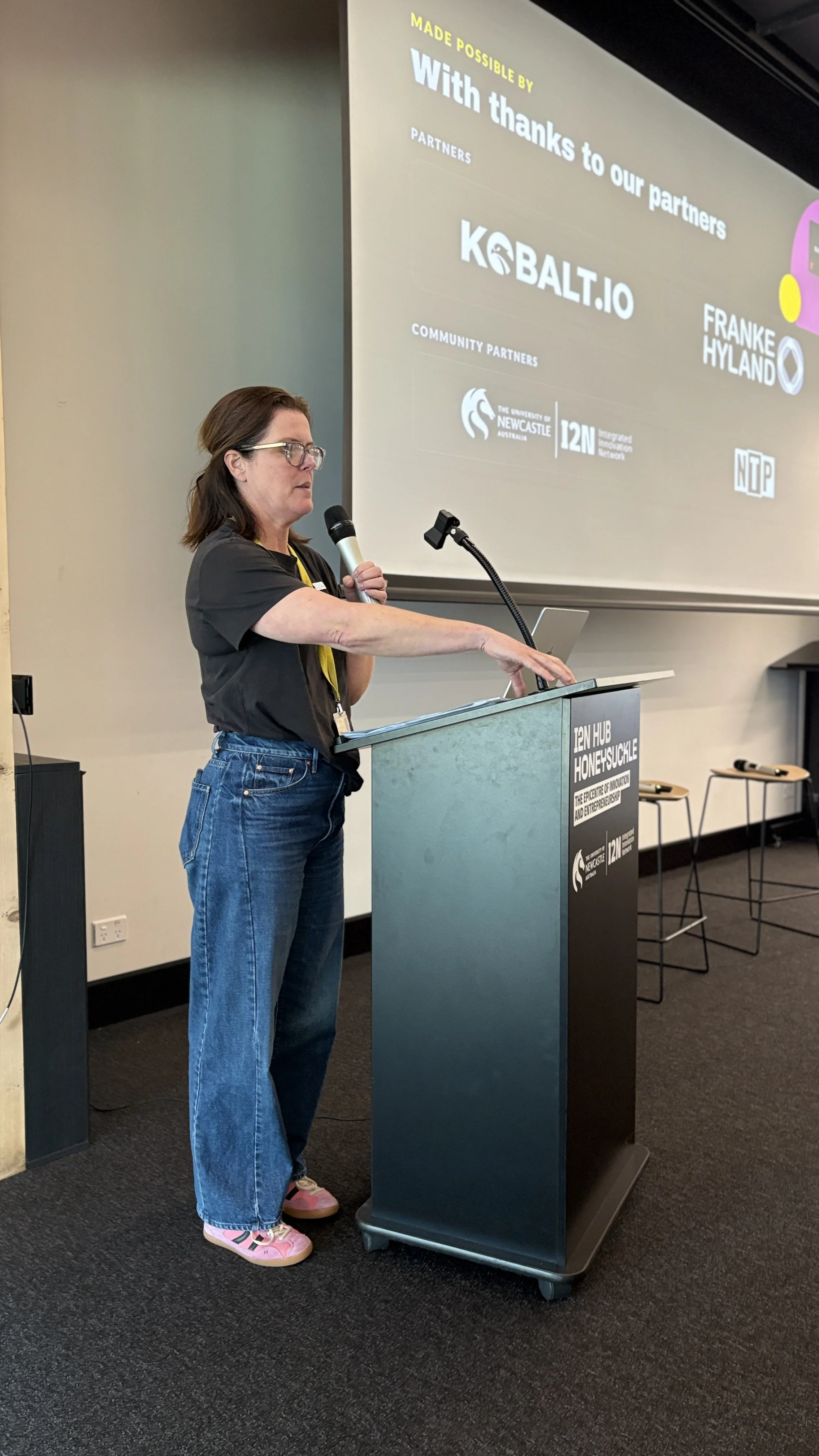
A huge thank you to Kate, Roy and John for giving us so much to chew on. Thank you to our partners Kobalt.io and Franke Hyland, and our community partners the University of Newcastle's I2N and NTP, for making these lunches possible. Thanks also to Bret for opening the day, and to our board for welcoming every guest and making the introductions that matter: Claire Quigley, Bret Barton, Linda Apostolidis, Cameron Burns, Lauren Eade, Will Rifkin, Caroline Booth, Jennie McGhie, Conrad Smith and Andrea Hoymann.
We'll email everyone who came with links to the books, reports and the RDA Hunter survey, so you can keep the conversation going in your own circles.
The Hunter Innovation Festival is just weeks away. Join us on Tuesday 24 November at NEX Newcastle, with Professor Ross Garnaut AC as keynote and around 60 speakers across health, aerospace, advanced manufacturing and energy. Ten of the region's brightest startups will be in Startup Alley. Early bird ends 4 November and saves you $50. Grab your ticket.
2027: thinking global from day one. Next year we'll focus on driving capital and investment, R&D and commercialisation, talent attraction and retention, and, most importantly, global ambition. The Innovators Lunches continue on the last Friday of every month, and Festival 2027 dates and new programs across the Hunter are on the way. Got a great idea, or want to partner? Shoot it my way.
Not a member yet? Membership starts at $299 a year. It includes free monthly lunches and a free festival ticket, so it pays for itself. Join the Hunter iF community.
From possibility to action. See you at NEX!